
 Worksheets
Global Climate Change
Total questions: 178
Worksheet time: 2hrs 38mins
The sun's rays are least direct near the equator.
True
False - near the poles
False - at high altitudes
False - far from the ocean
Climates are classified according to two major factors:
elevation and precipitation
latitude and temperature
elevation and latitude
precipitation and temperature
Which of the following has caused repeating 100,000-year cycles of ice ages in the past?
an increase in sun spots
several major volcanic eruptions
changes in Earth's orbit and the tilt of its axis
continental drift
The closer you live to the ocean, the more likely your climate will be a...
marine climate
tropical climate
continental climate
subtropical climate
The closer you live from an ocean, the more likely your climate will be a...
marine climate
tropical climate
continental climate
subtropical climate
Clues to ancient climates were like come from...
ice cores
fossil tree rings
plant pollens
all of the above
In addition to temperature and precipitation, Köppen’s climate system classified climates by a region’s seasonal winds.
True
False - vegetation
False - microclimates
False - air masses
Streams of water called ocean ____________ move warm or cold water, warming the nearby land.
sun spots
currents
carbon dioxide
air masses
Climate changes may be linked to changes in the number of _______________ on the surface of the sun.
sun spots
air masses
seasonal winds
currents
Global warming is known as the gradual increase in _________________ of the atmosphere.
precipitation
sun spots
temperature
ocean currents
The land of the _______________ side of a mountain range is in a rain shadow.
leeward
windward
The most abundant greenhouse gas in the atmosphere is ___________________.
oxygen
nitrogen
carbon dioxide
argon

Which zones are polar zones?
Zones A and B
Zones A and E
Zones E and D
Zones A, E, and C

Which zones are temperate zones?
Zones B and C
Zones B, C, and D
Zones, D and C
Zones D and B

Which zone is the tropical zone?
Zone B
Zone C
Zone D
Zone E
Possible human solutions for limiting global warming and climate change are...
being more energy-efficient
using renewable sources of energy
removing carbon from fossil fuel emissions
all of the above
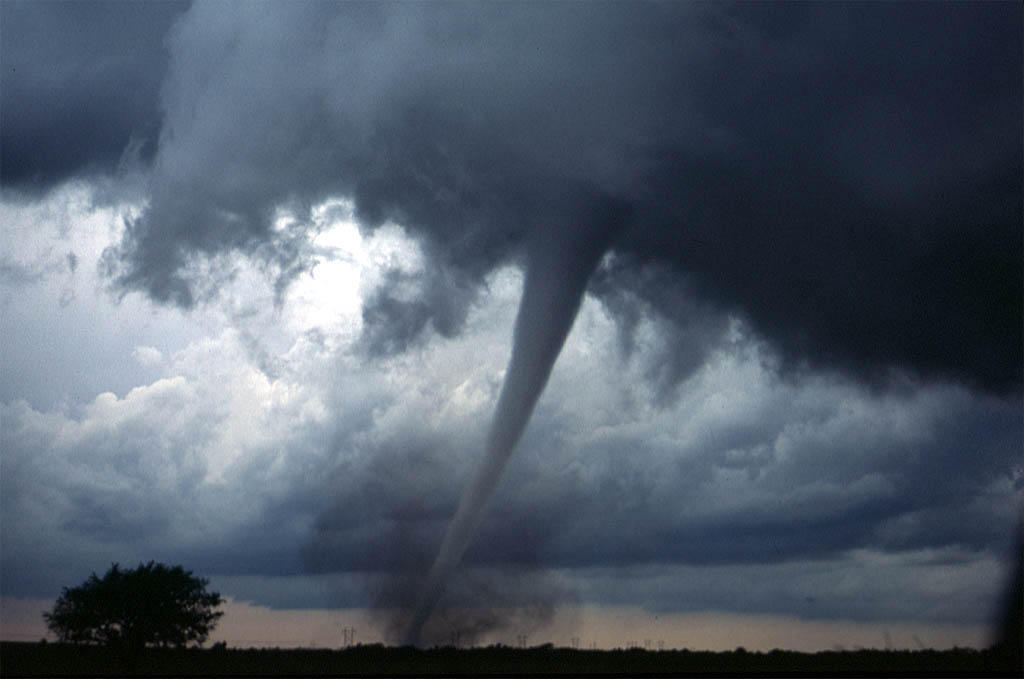

What process traps heat in the atmosphere?
Global warming
The ozon layer
Millions of people exercising and sweating
The Greenhouse Effect
Global warming causes:
droughts
wild fires
warmer temperatures
relax and joy
What is CO2 ?
Carbon dioxide
Methane
Carbon monoxide
water vapor
'Drought' is:
no water
lots of water
heavy rain
Lack of water or rainfall for a long period

What can we do to reduce global warming?
plant trees
reduce reuse recycle
invest in renewable energy
go on holiday

Which effect of climate change presents the most serious threat to coastal cities?
tsunami
sea level rise
wildfires
loss of glaciers
Which is an example of a renewable energy source?
coal
tidal
natural gas
oil

What is a ' carbon footprint'?
the quantity of carbon emitted in a day
the quantity of CO2 that a person emits in a day
the size of a footprint
the CO2 emissions of factories
Why is it called 'green house effect'?
Because the gases involved are green
Because it brings green light
Because it produces renewable energy
Because it keeps the heat like the glass walls of a green house

What is one of the major consequence of global warming on food?
animal migration
overpopulation
lack of water supplies
growing crops will be much more difficult

Which sentence is false?
The melting of glaciers is a consequence of global warming.
Green house gases are also good for our Planet.
air pollution causes breathing problems
Global warming is a natural process.
Which sentence is true?
Global warming hasn't got effects on our health
Water supplies will increase
Renewable energy doesn't come from fossil fuels
Pollution doesn't cause asthma, heart disease and lung cancer

What happens to plastic waste?
It is a biodegradable material so it eventually disintegrates
It never fully goes away, it just breaks into little pieces
All plastic is recycled
It goes in the ocean so that fish can eat it

Who's Greta Thunberg?
She's a British teenager.
She's a Swedish environmental activist.
She's a Swedish girl who didn't go to school.
She's a British girl who organised Fridays for Future.
The Paris Agreement requires :
pollution
a reduction of greenhouse gases emissionsby 2030
Paris
agricolture

Mitigation is:
the act of increasing harmful actions.
the act of decreasing harmful actions.
doing nothing about harmful actions.
Mitigation is:
the act of increasing harmful actions.
the act of decreasing harmful actions.
doing nothing about harmful actions.

The main reason why climate change is happening.
human behaviors
plant behaviors
animal behaviors

Consuming (buying) items is connected to energy consumption.
True
False

Consumer choice can have an effect on climate change.
True
False

About __________ of food is wasted each year.
100 pounds
1 ton
1.3 billion tons

Burning fossil fuels puts ________ into the atmosphere.
oxygen (O)
carbon dioxide (CO2)
helium (He)

A type of energy that can be used only once.
non-renewable energy
renewable energy
infinite energy

A type of energy that can used over and over again.
non-renewable energy
renewable energy
infinite energy

Political policies help to:
create laws that can lead to reduced CO2 emissions.
create laws that can lead to increase CO2 emissions.
create laws that can lead to reduced Oxygen emissions.

Efficient infrastructure can help mitigate climate change. Infrastructure is:
planes, trains, and automobiles.
buildings, roads, water treatment plants, and irrigation systems.
plants, trees, and animals.

An alternative energy source that is renewable. We get it from the Sun.
solar energy
hydroelectricity
fossil fuels

An alternative energy source that is renewable. We can use water to get it.
solar energy
hydroelectricity
fossil fuels

Sustainable buildings use more energy efficient materials and can reduce the amount of energy people use.
True
False

As of 2020, what is the cheapest form of renewable energy?
hydroelectricity
solar energy
nuclear energy
How can people be more sustainable at home?
recycle products properly
unplug electronics that are not in use
ride a bike or walk
air dry laundry instead of using the dryer

CO2 emissions from fossil fuel combustion and industrial processes contributed about ______in 2016.
10%
76%
100%

Every year, the world uses ________ billion barrels of oil.
1
10
35

What are the two main ways people use energy today?
Agriculture and Construction.
Construction and Waste Management.
Electricity and Transportation.

___________ fuels are used to power our cars, trucks, planes, etc.
Liquid
Nuclear
Solid

Why don't more people use solar energy in their homes to get power?
Solar energy does not work.
Solar energy to too cheap.
The cost to get Solar energy is still too high.

The building of solar fields can be harmful to the environment and animals that live there.
True
False
Phased out in the 1980s because they were found to be
depleting the ozone layer.
Carbon dioxide
Methane
Nitrous Oxide
Chloroflurocarbons (CFCs)
Naturally present in the form of clouds.
Carbon dioxide
Water Vapor
Nitrous Oxide
Oxygen
Greenhouse gas that humans produce the most of, mostly from burning fossil fuels.
Carbon dioxide
Methane
Nitrous Oxide
Oxygen
Multiple sources, including the production and application of fertilizer and car exhaust.
Carbon dioxide
Methane
Water Vapor
Nitrous Oxide
Released during the drilling of natural gas wells, and through natural processes like bacterial digestion in cattle.
Carbon dioxide
Methane
Water Vapor
Nitrous Oxide
A permanent atmospheric gas that does not contribute to the greenhouse effect.
Oxygen
Chloroflurocarbons (CFCs)
Nitrous Oxide
Methane
Climate change has increased the rate of coral bleaching worldwide, due to what changes in the ocean? Choose two.
The albedo of the ocean is decreasing.
The ocean is becoming warmer.
The ocean is becoming less acidic.
The ocean is becoming more acidic.
How would the carbon dioxide emissions trading bill, also known as carbon-cap-and-trade, have made an impact on global warming?
For every ton of carbon dioxide produced, an equivalent ton of trees would have to be planted somewhere
Limits would be placed on greenhouse gas emission by different facilities. Costly permits or credits would be required to produce more pollution.
Strict limits would have been set on the amount of greenhouse gas emissions that can be produced by any one facility.
Producing greenhouse gases would have been banned.
Which of these would be an example of a using a carbon sink as climate change mitigation?
Intentionally erupting volcanoes.
Fertilizing an area of the ocean with iron to encourage algae growth.
Reducing coal-based electricity consumption.
Switching to a more fuel-efficient car.
Which of these global warming mitigation strategies would be classified as geoengineering?
Planting large numbers of trees to absorb carbon dioxide
Switching all beef cattle to grasses instead of corn to reduce methane production
Injecting sulfates and particulates into the atmosphere, partially blocking some sunlight
Setting legal limits for the amount of carbon dioxide that can be released by a single facility
Which surface has the greatest albedo?
Snow
Dark, exposed soil
Areas with dense plant cover
Ocean water
The majority of the scientific community ________________ with the conclusions that global warming is occurring and that it is largely due to human actions.
Disagrees
Agrees
Has not come to a consensus
What effects does global warming have on the hydrologic (water) cycle?
Increases the rate of evaporation from land
Increases the rate of evaporation from the sea
Increases the amount of water vapor the atmosphere can hold
All of the above
Why would the loss of mountain glaciers be especially damaging to Southeast Asia countries?
These countries are highly dependent on plants and animals that live in the upper elevations of the mountains
Most of the major rivers in Southeast Asia are fed by melting glaciers
The economies of these countries depend heavily on the export of ice
None of the above; People aren’t affected by the presence of mountain glaciers
Which of these changes would cause a rise in ocean levels? Choose two.
Melting of sea ice
Melting of ice sheets
Thermal expansion of water as it warms
Absorption of carbon dioxide into ocean water
Where are the majority of the world’s ice sheets currently located?
Northern Canada
The Himalayan and Andes Mountains
Northern Russia
Antarctica and Greenland
If the Great Ocean Conveyor were to be disrupted by the flow of freshwater from Greenland, which of these continental areas would experience the greatest impact?
North America
Western Europe
Australia
Southern Africa
Which of these is not an observed impact of global warming?
Droughts are much more common, while flooding is much more rare
The range of certain insects, such as pine bark beetles, is increasing
Growing seasons in some regions of the world are becoming longer
Glaciers in Greenland, West Antarctica, and the Andes and Himalayan mountains are shrinking
The El Nino Southern Oscillation Cycle describes the movement of a large area of warm water back and forth across which ocean?
Pacific
Indian
Atlantic
Artic

What is shown in this image?
The Ocean Conveyor Belt
El Nino / Southern Oscillation
Milankovitch cycles
Fluctuations in albedo in the ocean

Based on the temperature data show in the graph above, when would you expect to find evidence of glacier retreat and the beginnings of human agriculture?
More than 20,000 years ago
5,000-2,000 years ago
15,000-10,000 years ago
Less than 1,000 years ago
Which of these statements accurately describes the climate period the Earth is currently in?
A glacial period within an ice age
An interglacial period within an ice age
The Earth is currently not in an ice age
A piece of ice from 300,000 years ago is analyzed for different atmospheric gases. What are the gases, and what information do they give? (Choose two)
Nitrogen levels are analyzed to determine approximate sea level
Oxygen, the ratio of its isotopes identifies temperature
Argon, a noble gas that is only present if there is life nearby
Greenhouse gases like carbon dioxide and methane can be directly measured
Most of the data in regards to global climate change before the 1800s is the result of proxies. Which of these is an example of another proxy measurement?
Measuring the current outside temperature with a thermometer
Collecting rainwater over the course of 10 years to determine average precipitation
Estimating the growth rate of a tree by examining its rings
These are all examples of proxies
Where are the atmospheric measurements of carbon dioxide taken?
Near a large forest
In Hawai’i, in the midst of the Pacific Ocean
In the midst of a city
Antarctica

The Keeling curve, shown to the right, is a measurement of atmospheric carbon dioxide taken since the late 1950s. Why do the measurements oscillate? Select two.
Carbon dioxide is higher during the Northern Hemisphere’s winter
Carbon dioxide is lower during the Northern Hemisphere’s winter
Carbon dioxide is lower during the Northern Hemisphere’s summer
Carbon dioxide is higher during the Northern Hemisphere’s summer
Carbon dioxide varies constantly due to atmospheric wind currents
According to the Intergovernmental Panel on Climate Change (IPCC) fourth report,
"Most of the observed increase in global average temperatures since the mid-20th century is very likely due to the observed increase in anthropogenic greenhouse gas concentrations." What does anthropogenic mean?
Naturally generated
Human generated
Unexplained
The Earth’s climate can be influenced by a number of naturally-occurring factors. These include…
Volcanic activity
Changes in the sun’s energy output
Fluctuations in the Earth’s tilt or orbit
All of the above
During the Precambrian period, how did the evolution of photosynthesis in cyanobacteria influence the Earth’s climate?
The cyanobacteria did not have a significant impact on the Earth’s climate
Cyanobacteria absorbed carbon dioxide and released oxygen, causing global warming
Cyanobacteria absorbed carbon dioxide and released oxygen, causing global cooling
Cyanobacteria produced large amounts of methane, causing global warming
Which of these descriptions applies to the stratosphere, not the troposphere?
The lowest level of the atmosphere
The ozone layer is found here
The layer of the atmosphere that humans and other living organisms reside in
Temperature quickly drops as you increase in altitude
Which of the following are major greenhouse gases?
CO2 (Carbon Dioxide)
O3 (Ozone)
CH4 (Methane)
N2O (Nitrous Oxide)
H2O (Water Vapor)
The top three ways humans increase the concentration of atmospheric carbon are
Agriculture
Energy Production
Transportation
Mining
What can happen to sunlight that reaches Earth's surface?
It can be absorbed by Earth's surface.
It can be reradiated as heat.
It can be reflected back toward space.
all of the above
____________ is an interaction between ocean and atmosphere that has major effects on weather worldwide, such as causing rainstorms and floods in areas that are usually dry.
Thermohaline circulation
Carbon sequestration
El Niño
The greenhouse effect
In general, how do ocean currents affect Earth's climate?
They create waves that create prevailing winds.
They move heat energy from place to place.
They magnify the sun's rays and heat Earth's surface.
They are the main source of greenhouse gases.
What effect do large forests have on Earth's climate?
They take in carbon dioxide and help slow global warming.
They decrease precipitation by absorbing water from the atmosphere.
They warm the Earth by absorbing and reradiating heat energy.
They interfere with winds and prevent the global redistribution of heat.
Which of the following has caused sea levels to rise in many parts of the world?
Ocean acidification
Melting ice
Ozone depletion
Changes in global ocean circulation
What is the probable cause of global warming?
a reduction in the number of glaciers
increased greenhouse gases in the atmosphere
weakened prevailing winds
faster ocean currents
How has global warming affected life in the oceans?
Habitat is being lost as ocean water levels drop.
Ocean water temperatures have cooled to maintain balance.
Photosynthesis happens to a greater extent due to increased sunlight.
The algae contained within some corals are dying.
It is expected that, with global warming, diseases now commonly found in warm regions will soon
transmit from humans to animals.
be less contagious.
become hot spots.
spread to colder regions.
Which of the following is NOT a result of global warming?
droughts
rising sea levels
ozone hole
ocean acidity
An airplane passenger pays an organization to plant trees that will take in enough carbon dioxide to compensate for the emissions created by the passenger's flight. This is an example of a
carbon sequestration
carbon offset.
cap-and-trade program.
carbon footprint.
The ______________ is an international agreement that seeks to limit greenhouse-gas emissions.
Kyoto Protocol
Energy Star program
Environmental Protection Agency
cap-and-trade program
Scientists determine current climate conditions by
making direct measurements.
creating computer models.
examining ice cores.
using proxy indicators.
How do volcanic eruptions affect weather?
Eruptions form clouds that drop large amounts of precipitation.
Gases and particles may block sunlight and lower temperatures.
Vibrations caused by eruptions shift ocean currents, which in turn affect weather.
They cause a long-term increase in temperature.
To learn what climates were like in the past, scientists investigate the following types of indirect evidence that serve as substitutes for direct measurement.
computer models
proxy indicators
topography
carbon footprints
Which human activity contributes the most carbon dioxide to the atmosphere?
fishing
breathing
burning fossil fueels
farming
Accounts for 81.6% of all U.S. greenhouse gas emissions from human activities.
Water Vapor
Fluorinated Gases
Carbon Dioxide
Methane
Nitrous Oxide
Capturing carbon dioxide (CO2) from the atmosphere or capturing anthropogenic (human) CO2 from large-scale stationary sources like power plants before it is released to the atmosphere. Once captured, the CO2 gas (or the carbon portion of the CO2) is put into long-term storage.
Carbon dioxide
Carbon sequestration
Methane
Global warming
Which of the following factors that impact climate change are HUMAN ACTIVITIES?
cement production
solar radiation
agricultural activities
burning of fossil fuels
volcanic activity
Which of the following factors that impact climate change are NATURAL PROCESSES?
cement production
solar radiation
agricultural activities
burning of fossil fuels
volcanic activity

Diagram A best represents...
Round 1: The Natural Greenhouse Effect
Round 2: The Human Enhanced Greenhouse Effect
Round 3: Slowing It Down
Diagram B best represents...
Round 1: The Natural Greenhouse Effect
Round 2: The Human Enhanced Greenhouse Effect
Round 3: Slowing It Down
Diagram C best represents...
Round 1: The Natural Greenhouse Effect
Round 2: The Human Enhanced Greenhouse Effect
Round 3: Slowing It Down
Which of the following best describes the impact that burning of fossil fuels has on Earth's Climate?
the burning of fossil fuels creates heat and raises the temperatures on Earth
the burning of fossil fuels moves Carbon Dioxide into the atmosphere, enhancing the greenhouse effect and raising temperatures on Earth
the burning of fossil fuels increases the amount of solar radiation the Earth receives, raising temperatures on Earth
Which of the following best describes the impact that cement production has on Earth's Climate?
cement production has high fuel requirements and chemical reactions that emit Carbon Dioxide into the atmosphere, raising Earth's temperatures
cement production removes Oxygen from the air over time, raising Earth's temperatures
cement production releases large amounts of solar radiation, raising Earth's temperatures
Which of the following best describes the impact that agricultural activities have on Earth's Climate?
A. Agricultural practices such as rice production and raising of livestock contribute to greenhouse gas emissions, raising Earth's temperatures
B. Land change for agricultural use contributes to greenhouse gas emissions, raising Earth's temperatures
C. BOTH A and B
Which of the following best describes the impact that solar radiation has on Earth's Climate?9. Which of the following best describes the impact that solar radiation has on Earth's Climate?
In Winter we receive less solar radiation and in Summer we receive more, raising or lowering Earth's temperatures accordingly
The amount of solar radiation that Earth receives is constant and never changes, therefore it has no impact on global climate change
At different times Earth receives more or less solar radiation, raising or lowering Earth's temperatures accordingly
Which of the following best describes the impact that volcanic activity has on Earth's Climate?
Volcanic activity has very little impact on Global Climate Change, in-fact volcanoes release less than a percent of the carbon dioxide released by human activities
Volcanic Activity is responsible for 100 billion tons of Carbon Dioxide entering Earth's atmosphere each year, it is the largest emitter of greenhouse gases
Volcanic Activity is the second largest emitter of greenhouse gases, behind Agricultural Activities

The United States is the second largest emitter of Greenhouse Gases, this is due to our reliance on fossil fuels. In recent years however our Carbon Dioxide emissions have decreased. How does the graph explain this?
We are using less renewables in recent years
We are using less petroleum and coal in recent years
We are using more petroleum and coal in recent years

Identify the items on the graph that have a negative impact on Climate Change (make CC worse).
livestock
crops
grassland
forests
urban trees
Identify the items on the graph that have a positive impact on Climate Change (make CC less bad).
livestock
crops
forests
urban trees
wetlands
Which is not a property of carbon dioxide?
It is a colorless gas
It supports combustion
It is denser than air
It is an odorless gas
Which is a use of carbon dioxide
used in respiration
used for life support
used in fire extinguishers
used to make fertilizers
Carbon dioxide is a:
compound
element
mixture
molecule
The processes that return carbon dioxide into the atmosphere are:
combustion
decomposition
photosynthesis
respiration
how many atoms make up a molecule of carbon dioxide ( CO2)?
1
2
3
4
Which are properties of carbon dioxide?
Carbon dioxide is lighter than air
Carbon dioxide is slightly soluble in water
Carbon dioxide supports photosynthesis
Carbon dioxide does not support combustion
Which two substances are combined to make carbon dioxide in the lab?
hydrochloric acid and calcium carbonate
hydrochloric acid and calcium chloride
water and calcium chloride
water and carbon dioxide
Which substance is used to prove that an unknown gas is carbon dioxide?
a glowing splint
hydrogen gas
plain drinking water
lime water

What is the name of this piece of lab equipment?
a beaker
a graduated cylinder
a flask
a test tube
Carbon dioxide is added to soft drinks like Coca-cola and Sprite. Why is this done?
To improve the flavor
To make the drink interesting
To ensure that the drink is free of bacteria
To add bubbles to the drink
Which of the following creates a calcium carbonate structure?
plants
cows
corals
decomposers
What organisms in the ocean absorb the most carbon dioxide?
Algae and marine plants
Ocean mammals, like whales and dolphins
Fish
Coral
By what method is the majority of carbon moved from the lithosphere (upper part of Earth's crust) to the atmosphere?
Weathering
Deposition
The burning of fossil fuels
Respiration
Which of the following are some of the major carbon stores on Earth? You can choose multiple answers
The ocean
The lithosphere (upper part of Earth's crust)
The atmosphere
If the plant population decreased, the amount of total carbon on the planet would _________.
Stay the same
Increase
Decrease

The total amount of the carbon on Earth is constant.
True
False

Organisms that die in the ocean may __________ to the bottom and form limestone rock of a period of time.
sink
float
rise
increase

Ocean coral and oysters use carbon to create _________.
oxygen
shells
leaves
food

Limestone is a type of rock created from the ______________ of dead sea organisms.
waste
slime
shells
unknown
Every living thing changes and grows.
TRUE
FALSE
_______ have a sense organ
PLANTS
HUMAN
ANIMALS
NONE OF THE ABOVE
The transition from non-living to living entities may have occurred gradually. One of the popular theories held today is the RNA world hypothesis, which suggests that primordial life was based on RNA because it can act as both genetic material and catalyst. RNA stands for?
Riboliquid Acid
Ryboneutral Acid
Ribonucleid Acid
Ribonucleic Acid
Non-living things do not require energy, whereas living things do.
TRUE
FALSE
Living things exist and are alive and are made of microscopic structures called _______?
Eukaryotic
Bacteria
Cells
Chemical
DNA, is the hereditary material in humans and almost all other organisms. Nearly every cell in a person's body has the same DNA. DNA stands for_______________
Deoxygenical Acid
Deoxyribonucleic Acid
Deoxyoditory Acid
Deoxirybonucleid Acid
Here are some characteristics of Living Things
Made Up of Cells
Reproduce
Obtain and Uses Energy
Grow and develop
All of the Above
(a) allows living organisms to obtain energy, which is then used by cells to carry out their functions.
a microscopic organism, such as a
Algae or bacteria called (a) -
(a) are organisms whose cells have a nucleus enclosed within a nuclear envelope.
an animal that feeds on grass and other plants.
(a)
the surroundings or conditions in which a person, animal or plant lives.
(a)
any animal that consumes other animals.
(a)

