
 Worksheets
Environmental Science Final Exam
Total questions: 176
Worksheet time: 2hrs 56mins

Which is a type of igneous rock that contains large crystals and forms when magma cools slowly beneath the surface of the Earth?
intrusive
extrusive
sedimentary
metamorphic

What is an inorganic, solid material found in nature?
mineral
rock
sedimentary
metamorphic

Which is a type of igneous rock that has small crystals and forms when lava cools quickly on Earth's surface.
intrusive
extrusive
sedimentary
metamorphic

What type of rock is made from pieces of other rocks, dissolved minerals, or plant and animal matter that collects to form rock layers?
intrusive
extrusive
sedimentary
metamorphic

Type of rock that is formed when existing rock is heated and squeezed.
intrusive
extrusive
sedimentary
metamorphic


A location where two tectonic plates interact and they can be divergent, convergent or transform.
Plate Boundary
Lithosphere
Geological Time
Erosion
Continental Drift

The hypothesis that a single large landmass broke up into smaller land masses to form the continents
Geological Time
Erosion
Subduction
Continental Drift
Plate Boundary

The series of processes in which rock forms, changes from one type to another, is destroyed, and forms again by geologic processes
Geological Time
Erosion
Rock Cycle
Convection
Weathering
The natural process by which atmospheric and environmental agents, such as wind, rain, and temperature change disintegrate, and decompose rocks.
Erosion
Plate Boundary
Lithosphere
Weathering
Asthenosphere
A rock that forms from compressed or cemented layers of sediment
Sedimentary Rock
Metamorphic Rick
Geological Time
Rock Cycle
Igneous Rock
A standard of comparison against which to check the results of an experiment.
model
control
constant
observation
A possible explanation or answer to a question.
data
hypothesis
scientific law
observation
Idea that Earth's surface is made of rocky plates, that move.
Plate Tectonics
Boundary
Ring of Fire
Continent Movement
the super-continent when all 7 continents were once joined together.
Pangea
Asia
Big Bang Theory
Mega-Land

A trace of an ancient animal or plant that has been preserved (kept) in rock.
Fossil
Bones
Old Stuff
Pangea

delta
valley
beach
sand dune
a triangular landform where a river empties into another body of water
hill formed by wind moving and depositing sand
mountain
sand dune
delta
cliff

a sudden release of energy under earth's surfaces that cause the ground to shake and crack
landslide
thunderstorm
volcano
earthquake

the rapid downward slide of rocks and mud
earthquake
tsunami
landslide
volcano

a mountain or hill made of hot rocks and gases moving to the surface of Earth from deep inside the Earth.
volcano
earthquake
mountain
landslide

What are the primary purposes for the use of dams?
To prevent droughts and reverse the flow of a river.
To keep unwanted marine organisms from moving down stream.
To control floodwaters and store water for people to use.
To make lakes so that people have a place to go fish.

What does it mean to restore a beach?
Replace the sand on the beach.
Move the sand from one beach to another
Building a wall on the beach to keep wind and water away
Leave all of the seashells and other items on the beach instead of picking them up.

Which word describes the change of water from one state to another as it moves between Earth’s surface and the atmosphere (aka Hydrological Cycle)
evaporation
condensation
precipitation
water cycle
Any form of water that falls from the clouds, such as rain or snow
precipitation
condensation
evaporation
The process by which a gas changes into a liquid
precipitation
condensation
evaporation
The condition of the atmosphere at a certain time and place
Climate
Weather
Season
Temperate
Bare ground and large stones in a desert where wind has removed all sand.
erosion
sand dune
weathering
desert pavement


Which topic would an astronomer study?
pollution
galaxies
mountains
rain
Which topic might an environmental scientist study?
energy resources
mountains
hurricanes
comets
Which topic(s) might an oceanographer study?
tides
clouds
stars
minerals
What is Meteorology?
The study of meteors.
The study of the atmosphere.
The study of rocks.
The study of organisms.
What is Geology?
The study of geography.
The study of rocks.
The study of weather.
The study of the solid Earth.
What is Astronomy?
The study of astrological signs.
The study of Earth.
The study of asteroids.
The study of all physical things beyond Earth.
Energy that is made by moving air
Wind
Solar
Oil
Coal
Energy that comes from the sun
Wind
Solar
Renewable energy
Efficient
Energy that is made from the power of moving water
Hydroelectric
Coal
Biomass
Wind
Energy that is made from heat inside Earth
Coal
Fossil Fuels
Geothermal
Solar
acid rain


The process that changes the minerals that rocks are made of. This is a type of weathering
Physical Weathering
Erosion
Chemical Weathering
Breaking Rocks
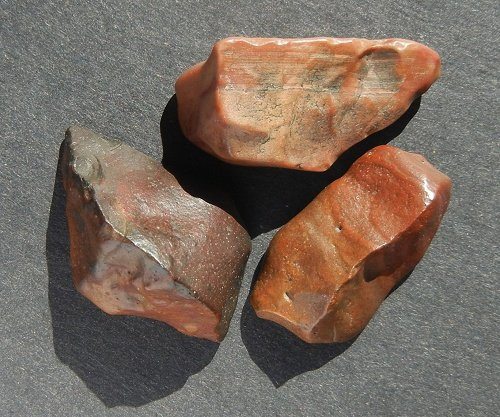
Which has the greatest effect on tides?
The Sun because it has a greater mass.
The Sun because it is 93 million miles away.
The moon because it is less than 250,000 miles away.
The moon because it is smaller.
The Coriolis Effect is caused by
Earth rotating around the sun
Earth rotating on its axis
The tides
Gravity

Due to the Coriolis Effect, water in the northern hemisphere moves
clockwise
counter clockwise
both
neither
Pollution is
materials that make the air and water dirty
unwanted things from animals
people who protect the Earth

What type of landform is shown below?
canyon
valley
volcano
plain
Which of the following is the best description of a volcano?
The u-shaped space in between mountains.
An opening in the Earth's crust where lava flows out.
A flat region of low land that occurs at the bottom of valleys.
A tall, steep rocky slope.
Once magma reaches the surface, it is called
silica
lava
rock
An explosive eruption occurs if magma is
low in viscosity
high in silica
very thin
When a volcano erupts quietly, what kind of mountain
forms?
shield volcano
cinder cone
composite cone
A huge hole left behind when a volcano collapses is a(an)
volcano
viscosity
pipe
extinct
caldera

What kind of plate boundary is shown in the diagram?
divergent boundary
convergent boundary
transform boundary
What is meant by “Ring of Fire”?
An active erupting volcano
The land once known as Pangaea
The volcanoes surrounding the Pacific Ocean.
The spreading that takes place on the ocean floor.

A volcano that is primarily made up of cinders, ash, and bombs is a ________________ volcano. (Hint: has violent eruptions)


Tall, cone-shaped mountains made of both cooled lava layers and layers of ash are called
shield volcanoes
composite volcanoes
lava plateaus
cinder cone volcanoes
Volcanoes with steep sides made of layers of ash is called......
Cinder Cone
Shield Volcano
Composite Volcano
fastest wave
focus
P-wave
S-wave
L-wave


What is this scale? (hint: talks about the intensity of damage from earthquake)


What should you do during an earthquake?
Hide under a sturdy table or desk and grab onto it
Go outside into an open field and stay there with your hands over your heads
Call 911 immediately
Run to the nearest table and go on top of it
What are the common factors of soil erosion?
wind and water movements
plate tectonics
earthquakes
Mass movement of rocks down the hills could be a sign of:
Landslides
Floods
Deforestation
Weathering
Hot liquid rock under the Earth’s surface is known as
lava
solar
magma
ash
________________ are streams that flow together to make a river.
source
tributaries
mouth
drainage basin

How do we call a curve in a river
source
mouth
meander
tributary
In which form does water rise into the atmosphere when it evaporates?
water vapor
water droplets
snow
ice

What happens when land that is usually dry gets submerged under water?
snow
flood
wind
rainbow
Precipitation means...
water vapor cooling to form clouds
water running downhill
water falling from the sky
water heating up and rising as gas
A wave that is triggered by an earthquake is called a __________.
aftershock
landslide
liquefaction
tsunami
People can prepare for disasters in Earthquake zones by ___________________
Playing a game
building earthquake safe buildings
going to the very top of a building
watching a movie
What is the best way to protect yourself in an earthquake?
stand under a tree!
hug your mom!
go to a basement!
drop, cover your head, and hold on!

What is a loess?
A shoe lace
A pond of water in the desert
A wind formed deposition made of fine particles of clay and slit.
Which image shows a sea cave?


None of the above
Which image shows a beach?
None of the above

sea cave
headland
sea arch
sea stack
beach

sea cave
headland
sea arch
sea stack
beach

sea cave
headland
sea arch
sea stack
beach

The lowermost layer of the atmosphere
Stratosphere
Mesosphere
Troposphere
Exosphere
The two most common gas in the atmosphere are
carbon-dioxide and oxygen
oxygen and nitrogen
nitrogen and carbon-dioxide
methane and oxygen

What is the biosphere?
all the air and gases on the planet
made up of living things
the non-living soil, rocks, and minerals of the Earth
the rivers, lakes, and oceans of the Earth

What is the geosphere?
all the air and gases on the planet
all the frozen water on the Earth
the non-living soil, rocks, and minerals of the Earth
the rivers, lakes, and oceans of the Earth

What is the hydrosphere?
all the air and gases on the planet
made up of living things
the non-living soil, rocks, and minerals of the Earth
the rivers, lakes, and oceans of the Earth

What is the atmosphere?
all the air and gases on the planet
made up of living things
the non-living soil, rocks, and minerals of the Earth
the rivers, lakes, and oceans of the Earth
What are plants that convert energy from the sun called?
decomposer
primary consumer
secondary consumer
producer

What is the greenhouse effect?
It is a phenomenon where the sun’s rays are absorbed by clouds.
It is a phenomenon that occurs when heat escapes into space.
It is when heat is trapped by gases, then sent back to earth’s surface.
It describes the atmosphere’s composition.
The wind-driven movement of cold, usually nutrient-rich water from ocean depths to the surface is
upwelling
Seasonal thermocline
gyre

Lobsters, starfish, warms and snails are examples of
zooplankton
benthos
nekton
Whales, eels, dolphin and squid are examples of
benthos
nekton
zooplankton
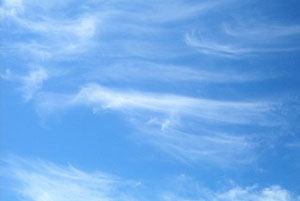
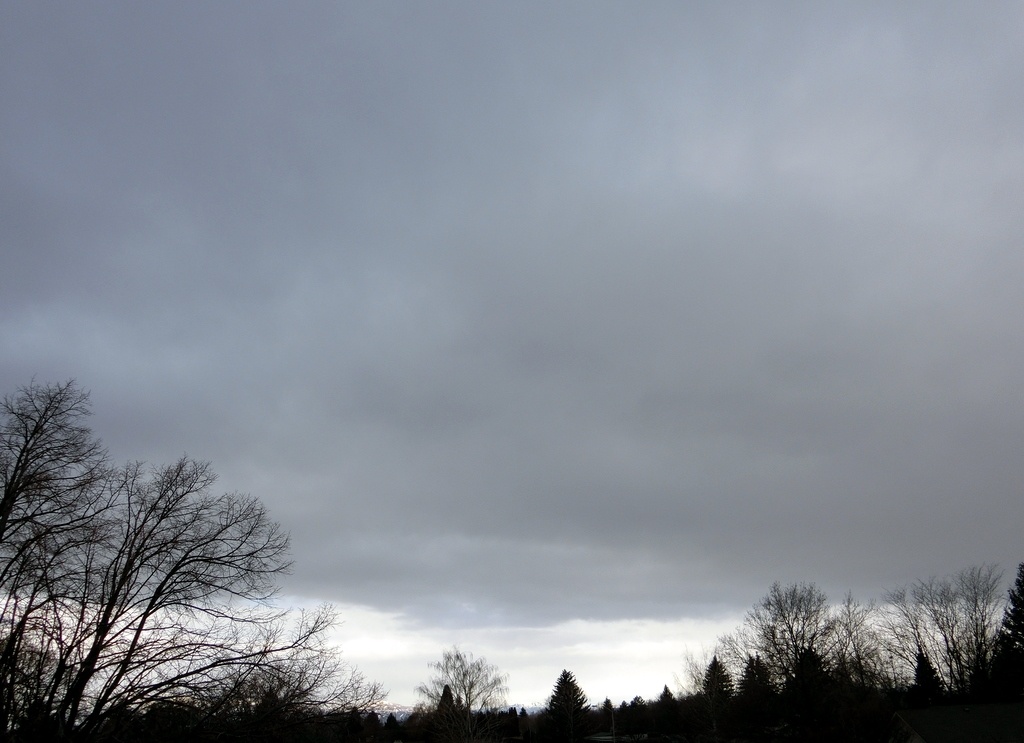

Which type of cloud is white and puffy?
cumulus
cirrus
stratus
cumulonimbus

Clouds that form very near the ground are called _______________.
smog
haze
fog
dust

Neither air mass really takes over the other.
Cold Front
Warm Front
Stationary Front
Occluded Front


How do you define severe weather?
a series of waves in a water body caused by the displacement of a large volume of water, generally in an ocean
a prolonged period of abnormally low rainfall, leading to a shortage of water
dangerous weather conditions that can cause damage and/or a loss of human life
very high temperatures that lead to a drought

The sound created by the rapid expansion of air due to lightning is called..
Thunder
Airplanes
Raindrops forming
a storm surge happening
A Group of stars, and or star systems, star clusters, dust and gas held together by gravity is known as:
Universe
Galaxy
Solar System
Planet
What Galaxy is Earth located?
Andromeda
Milky Way
Sagittarius
Snickers

Energy that comes from the sun
Wind
Solar
Renewable energy
Efficient
crack with movement
focus
joint
fault
epicenter
where quake begins below surface
elastic rebounding
focus
epicenter
fault
What scale determines the amount of damage an earthquake causes?
Richter scale
Mercalli scale
Moment magnitude scale
seismographic scale


What is the deepest zone of the ocean called?
Sunlight
Twilight
Abyss
Trench
Where do nektons live in the ocean?
Bottom
Top
in the neritic zone
Neither
Which layer of the atmosphere has weather?
troposphere
stratosphere
mesosphere
thermosphere
Which gas makes up the largest portion of air?
oxygen
nitrogen
carbon dioxide
methane

What is the process in which a solid changes directly into a gas?
Evaporation
Sublimation
Condensation
Precipitation
What is the process in which a gas turns into a liquid?
Evaporation
Sublimation
Condensation
Precipitation
Point at which rate of condensation equals rate of evaporation
Dew point
Absolute humidity
Relative humidity
Precipitation

