
 Worksheets
Climate and Ecosystem Dynamics
Total questions: 144
Worksheet time: 4hrs 23mins
Which of the following is an example of a biotic factor?
Sunlight
Rocks
Plants
Air
What are autotrophs?
Organisms that consume other organisms for energy
Organisms that make their own food through photosynthesis
Organisms that decompose dead matter
Organisms that only live in water
What is a detritivore?
A type of autotroph
A type of heterotroph that feeds on dead plant material
A producer that makes its own food
A nutrient found in soil
What is the primary composition of air in the atmosphere?
78% nitrogen, 21% oxygen.
50% oxygen, 50% nitrogen.
60% nitrogen, 30% oxygen.
70% oxygen, 20% nitrogen.
Which layer of the Earth is described as a thick mantle composed mostly of rock?
Atmosphere
Hydrosphere
Geosphere
Biosphere
Which sphere consists of parts of the atmosphere, hydrosphere, and geosphere where life is found?
Atmosphere
Hydrosphere
Geosphere
Biosphere
What causes the uneven heating of the Earth's surface?
Ocean currents
Angle of Sun's rays hitting Earth
Wind patterns
Cloud cover
What is the difference between weather and climate?
Weather is the long-term average of atmospheric conditions; climate is the short-term state of the atmosphere.
Weather is the short-term state of the atmosphere; climate is the long-term average of atmospheric conditions.
Weather and climate are the same and can be used interchangeably.
Weather is the study of stars; climate is the study of planets.
Explain why air doesn’t travel in a straight line from the equator towards the poles.
Because of the Earth's magnetic field.
Due to the Coriolis effect.
Because of the gravitational pull of the moon.
Due to the Earth's axial tilt.
What is a biome?
A small community of plants and animals
A large community of vegetation and wildlife adapted to a specific climate
A single species living in an area
A type of ecosystem
What factors cause similar biomes to be found across the world?
Similar latitude and elevation
Similar population density
Similar soil types
Similar water sources
Which abiotic factors are most influential in determining what type of biome occurs in a particular region?
Temperature and precipitation
Soil type and humidity
Wind speed and altitude
Sunlight and air pressure
What process do organisms use to break down food molecules to get chemical energy?
Photosynthesis
Cellular respiration
Fermentation
Digestion
Which of the following best describes a food chain?
A diagram showing the habitat of organisms
A sequence illustrating who eats whom in an ecosystem
A chart of the population size of species
A map of migration patterns
What trophic level do producers occupy in a food chain?
Second
Third
First
Fourth
What is a food web?
A simple feeding relationship
A series of interconnecting food chains
A single predator-prey interaction
A type of ecological pyramid
Why are complex food webs considered more stable than simple food webs?
They have fewer species
They have more interactions, reducing vulnerability
They are easier to understand
They do not involve energy transfer
What does an energy pyramid illustrate?
The number of species in an ecosystem
Energy loss and transfer between trophic levels
The stability of a food web
The complexity of ecological interactions
How do plants obtain their chemical energy?
By consuming other organisms
Through photosynthesis
By decomposing organic matter
Through cellular respiration
What energy-rich substance is produced by green plants during photosynthesis?
Oxygen
Carbon dioxide
Glucose
Water
Explain the differences between food chains and food webs.
Food chains show multiple paths of energy flow; food webs show a single path
Food chains show a single path of energy flow; food webs show multiple paths
Food chains and food webs are the same
Food chains show energy flow in plants only; food webs show energy flow in animals only
What is each step in a food chain called?
Level
Stage
Trophic level
Phase
What is the significance of biogeochemical cycles in the environment?
They create new matter.
They transform matter from one form to another.
They destroy nutrients.
They prevent water from evaporating.
Which process in the water cycle involves water vapor turning into liquid water?
Evaporation
Transpiration
Condensation
Percolation
What is the term for water moving across the surface of the land into bodies of water?
Transpiration
Surface Runoff
Percolation
Precipitation
Which of the following is NOT a part of the water cycle?
Evaporation
Photosynthesis
Precipitation
Transpiration
What is the impact of human activities on the carbon cycle?
They have no impact.
They decrease carbon in the atmosphere.
They release significant quantities of carbon into the atmosphere.
They help maintain the carbon balance.
What is one consequence of increased carbon dioxide levels in the atmosphere?
Decreased ocean acidity
Increased average temperature
Increased tree growth
Reduced carbonic acid formation
Why is ocean acidification harmful to ocean life?
It increases oxygen levels
It damages shells of organisms
It promotes coral growth
It reduces water temperature
How do plants primarily take up phosphorus?
Through their leaves
Through their roots
Through their stems
Through their flowers
Why is the carbon cycle important?
It helps in the formation of clouds.
It is essential for the production of oxygen.
It regulates the Earth's temperature and supports life.
It is responsible for the water cycle.
Biotic components include
soil
bacteria
nutrients
water
What is the word equation for photosynthesis
water + oxygen = carbon dioxide + glucose
carbon dioxide + oxygen = water + glucose
oxygen + water = hydrogen
water + carbon dioxide = oxygen + glucose
Why can't we live without the process of photosynthesis?
we can live without photosynthesis
it uses sugar to convert energy into usable forms for living things
it converts solar energy into usable energy for living things
its main purpose it to create oxygen for us to breathe

Name two abiotic factors that would support this food web.
frog and oxygen
water and sunlight
lavender and eagle
shelter and butterfly

State a food chain that is part of this food web
butterfly, dragonfly, wolf, python
lavender, rat, eagle
corn, grasshopper, frog, python
flower plant, corn, rat, python, eagle

A group of different species in the same location is known as a ___________.
Temperature is a _________factor
Biotic
Abiotic
living
cool


An organism that eats only plants
omnivore
carnivore
herbivore
detriovore

A consumer that eats both plants and animals
herbivore
carnivore
omnivore

Which animal occupies the fourth trophic level?
hawk
lizard
snake
grass

Organisms that break down dead or decaying organisms.
Decomposers
Producers
Consumers

What is this called?
Food Web
Food Chain
Trophic Level

A symbiotic relationship in which both organisms benefit.
Mutualism
Commensalism
Parasitism
Predation
A symbiotic relationship in which one organism is helped and the other is neither helped or harmed.
Parasitism
Commensalism
Mutualism
Individualism

Energy enters an ecosystem as...
chemicals
food
minerals
sunlight
How much energy moves from trophic level to trophic level?
100%
50%
1%
10%

Aphids are tiny insects that live on and eat the leaves of plants, removing vital nutrients from the plants.
Predation
Parasitism
Commensalism
Mutualism

Herbivores are referred to as ________ consumer.
Secondary
Primary
Tertiary
A carnivore is referred to as a ________ consumer.
Producer
Primary
Secondary

Organisms that get their energy and nutrition from other organisms (consumers).
Heterotroph
Autotroph
Decomposer
Detritivore

The main human activity that releases greenhouse gases is
using public transportation and there by reduce the affects of greenhouse gases.
burning fossil fuels
texting on cellphones
eating meat
What natural factors can influence our climate?
earth's tilt
orbit around the sun
changing ocean currents
all of the choices listed
What is ocean acidification and how is it related to the carbon cycle?
It is the process of oceans becoming more basic due to decreased carbon dioxide levels
It is the process of oceans becoming more acidic due to increased carbon dioxide levels
It is the decrease in ocean temperatures due to reduced carbon dioxide in the atmosphere
It is the increase in ocean temperatures due to increased carbon dioxide in the atmosphere
How does deforestation affect the carbon cycle?
It increases the amount of carbon dioxide absorbed from the atmosphere
It decreases the amount of carbon dioxide released into the atmosphere
It decreases the amount of carbon dioxide absorbed from the atmosphere
It has no significant effect on the carbon cycle

Identify the cycle illustrated in the diagram.
Nitrogen Cycle
Water Cycle
Phosphorus Cycle
Carbon Cycle
All of the carbon in existence is continually recycled in the carbon cycle.
How do animals get carbon?
By eating plants and or other animals.
They absorb it from the atmosphere.
From the ground
They do not get carbon from anywhere.
Which of the following is correct?
There is as much carbon on earth as when it was formed
Carbon is being created whenever it is recycled
Carbon is lost every time it is recycled
Carbon changes to different forms and is never recovered

How do animals get the nitrogen they need?
From the air they breathe
From the water they drink
From the food they eat
From the sun

What is the process where plants use nitrates to grow?
Nitrogen Fixation
Ammonification
Assimilation
Nitrification

What is the process where bacteria turns Nitrogen gas from the atmospheres into usable compounds?
nitrogen composition
nitrogen fixation
ammonia
denitrification

Plants and animals can use nitrogen directly from the air.

What happens when too much Nitrogen finds its way to the ocean?
Algae Bloom
Acid Precipitation
Nitrogen Fixation
Decomposition

What is the main reservoir of nitrogen?
Water bodies
Plants
Atmosphere
Soil

The process that convert nitrates (NO3-) back to nitrogen gas (N2) there by replenishing N2 in the atmosphere is called
Nitrogen fixation
Deamination
Denitrification
Nitrification
A correct path that nitrogen could take would be
air -> animals -> plants -> bacteria
animals -> air -> bacteria -> plants
bacteria -> air -> plants -> animals
air -> bacteria -> plants -> animals
Why does a farmer use nitrogen fertilizer on his crops?
To speed up the decomposition process of dead plants
To promote bacterial growth in the soil
To aid in the making of proteins in the plants and animals
To convert the crops into fossil fuels
The process of making nitrites and nitrates is...
denitrification
nitrogen fixation
nitrification
ammonification
_____ brings phosphorous into our waterways. .
Precipitation
Runoff
Transpiration
Condensation
This is released by the weathering of rocks.
Carbonate
Phosphate
Phosphorus
Nitrogen
Too much phosphorus in waterways (rivers, lakes) can lead to___________.
eutrophication
nothing
decreased pH levels
diseases
Phosphorus is primarily found in
sedimentary rock
atmospheric gases
seawater
plants


Identify the producer in the food web
Grass
Grasshopper
Bird
Mouse

Identify a primary consumer from the food web
Grasshopper
Owl
Fox
Grains

Identify all the secondary consumers from the food web (You can select multiple answers)
Birds
Owls
Mice
Foxes

Identify the Carnivore from the food web
Mice
Grasshopper
Rabbit
Owl

Identify the Herbivore from the food web
Owl
Fox
Rabbit
Bird

Identify the Omnivore from the food web
Mouse
Grasshopper
Bird
Carrot

How many trophic levels are there usually?
Only 1
2 or 3
4 or 5
Infinite amount

In this food web, what trophic level is the mouse?
Secondary and Tertiary Consumer
Primary Consumer
Secondary Consumer
Primary and Secondary Consumer
In this food web, what trophic level is the owl?
Producer
Primary Consumer
Secondary Consumer
Tertiary Consumer
In this food web, what trophic level is the snake?
Secondary and Tertiary Consumer
Primary Consumer
Secondary Consumer
Primary and Secondary Consumer
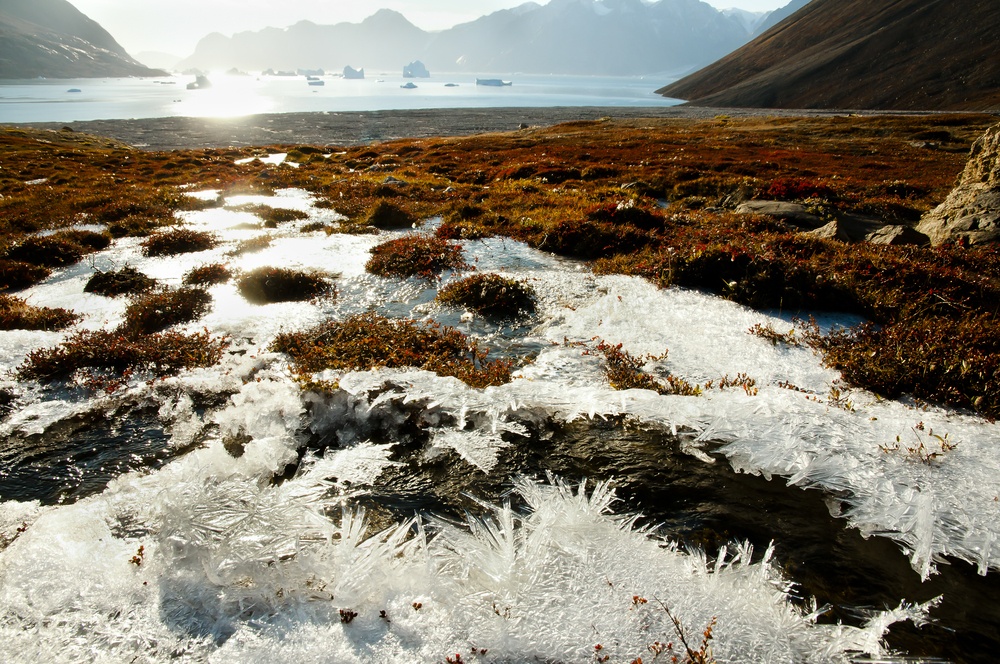
Boreal Forest
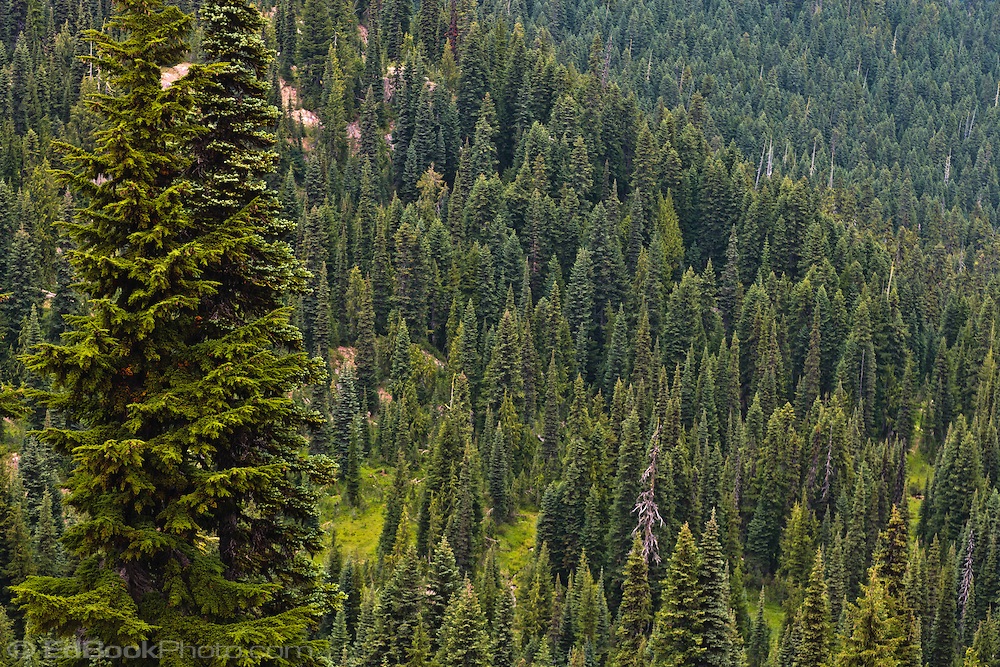
Boreal Forest
Boreal Forest
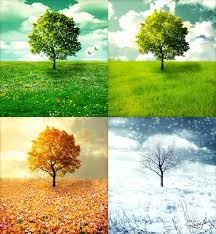
Which biome has 4 distinct seasons?
Boreal Forest
Tundra
Grasslands
Temperate Forest
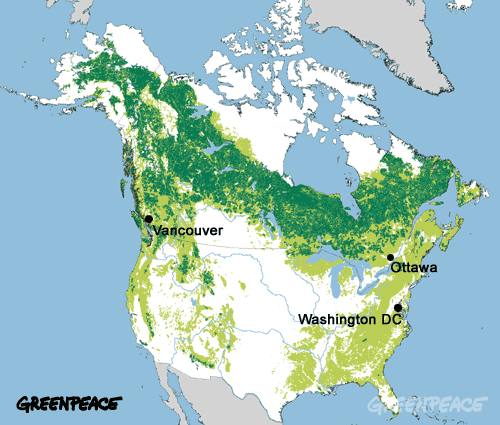
Which biome is the majority of Canada in?
Tundra
Boreal Forest
Temperate Forest
Desert
If the number of births in a population is the same as the number of deaths in a population, what will happen to the population size?
What phrase describes the largest number of individuals of a population that the environment can support?
exponential growth

What word describes the type of growth of this rabbit population?
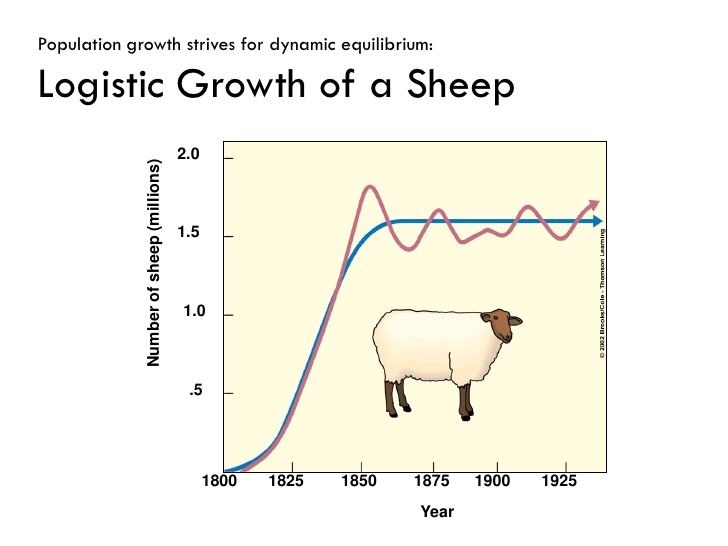
What type of population growth is depicted in this graph?
exponential growth
logistic growth
performance growth
nagative growth
Immigration means ...
Members of a population moving out of a community.
Living in the same habitat in different seasons.
Members of a population moving into a community.
Living in different habitats in different seasons.
Emigration means ...
Members of a population moving out of a community.
Season movement from place to place.
Members of a population moving into a community.
Communities swapping habitats every winter.
If the amount of food or resources available increases, the carrying capacity for an animal:
Stays the same
Increases
Decreases
Fluctuates
The primary cause of the introduction of invasive species introduction is ---
too much food.
human action.
weather events.
asteroids.

What are the main greenhouse gases?
carbon dioxide, oxygen, water vapor, nitrous oxide, methane
carbon dioxide, methane, nitrous oxide, water vapor, sulfur dioxide
methane, water vapor, carbon dioxide, oxygen
methane, water vapor, carbon dioxide, nitrous oxide
An accurate definition of Sustainability is
meeting population needs
meeting the needs of the present without compromising the ability of future generations to survive
meeting the needs of the future without worrying about todays
meeting the food needs of animals
Which one of the following human activities is causing the most damage to our planet?
Overfishing
Increased use of airplanes
Burning fossil fuels
Pollution
Which answer is true regarding biodiversity?
As long as there are enough producers, an ecosystem is considered to have a good amount of biodiversity.
The rain forest has an unhealthy ecosystem because its biodiversity is too great.
An ecosystem is healthier when the biodiversity is great.
Biodiversity is positively affected when non-native species are introduced into an environment

What is a limiting factor?
any factor that helps a living thing grow
the opposite of multiplication
any factor that limits population growth
any factor that makes a population grow
Give some examples of limiting factors
a balance in the ecosystem
food, water, predators, space, disease, etc.
desert, wetland, alpine, forest
plants, animals, fungus


Which species would benefit from the grasshopper dying off?
Butterfly and Berries
Snake
Plantain, Butterfly, and Berries
Ladybird and Rabbit
Which species would be harmed or die off from the mouse dying?
Snake and Buzzard
fox and buzzard
Plaintain
Rabbit, Fox, Buzzard, and Snake
Which of the following have been changed or altered due to climate change ?
droughts
flooding
melting of polar ice caps
all of the above
How does climate change affect precipitation patterns?
A. It creates uniform rainfall worldwide
B. It causes only droughts
C. It leads to more floods only
D. It causes both intense rainfall and droughts in different regions
Our climate didn't begin to deviate from its usual fluctuations until the 1990s. Why was that?
The oceans had been absorbing the excess heat.
Levels of carbon in the atmosphere were safe before the 1970s.
The hole in the ozone layer caused some Antarctic ice to melt.
Feedback loops were triggered in the 1980s.
Attenborough claims that science predicts that by the 2030s, the Arctic will be completely free of ice in summers. Which of the following will occur as a consequence of this?
Half a million species will be wiped out.
Global warming will decelerate.
Global warming will accelerate.
Polar bears will migrate to Antarctica and live on penguins.

