
 Worksheets
UNIT 4 CSI EOUE
Total questions: 140
Worksheet time: 3hrs 21mins

What is the function of the cell membrane?
To control what comes in and out of the cell
To break down food inside the cell
to serve as a barrier
to eat the cells food

Which organelle produces the energy a cell needs to carry out its function
Mitochondria
Golgi Bodies
Cytoplasm
Nucleus

What is a fun way to remember what lysosomes do?
I clean things up!
Make something sweet
The control center
Tin of information

What is the function of the Vacuoles
Store food, water and waste
Receive proteins
Assembles amino acids
Found inside the nucleus

Which organelle receives proteins and materials from the ER, packages them and distributes them
Vacuoles
Golgi Bodies
Nucleus
Chromatin

What is a fun way to remember what the Endoplasmic Reticulum does?
transportER
I am a mighty powerhouse
Im the control center

what is the function of ribosomes
to assemble amino acids to create proteins
to pack proteins
to clean proteins

The control center of cell is
the nucleus
ribosomes
chromatin

What is the function of the organelle depicted in the photo?
To dispose of waste in the cell.
To capture sunlight and convert it into glucose for the cell.
To release energy into the cell.
To control what leaves and enters the cell.
Which photo shows the mitochondrion of the cell?


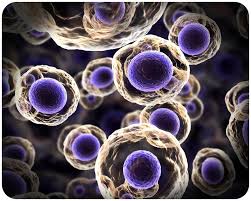
The purple organelle in photo depicts which organelle?
Nucleus
Endoplasmic Reticulum
Lysosome
Ribosome

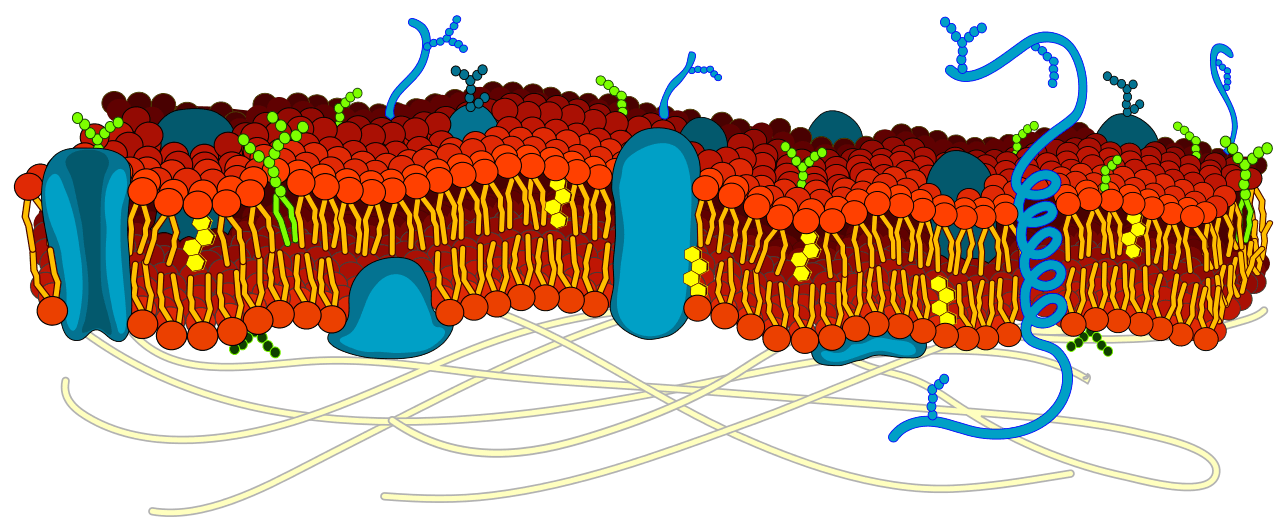
Identify the structure that is indicated by the arrow in the image.
cell wall
central vacuole
chloroplast
cell membrane

Identify the structure that is labeled "H" in the image.
cell wall
chloroplast
mitochondria
nucleus
cell membrane
Which of these organelles is not found in a animal cell?
Cell Membrane
Nucleus
Mitochondria
Cell Wall
This organelle is responsible for disposing of waste in the cell.
Mitochondria
Nucleus
Cell Wall
Lysosome
Which organelle serves as an internal transport system, and can be either "rough" or "smooth"?
Nucleus
Mitochondria
Cell Wall
Endoplasmic Reticulum
Which organelle makes proteins?
Mitochondria
Chloroplast
Ribosome
Lysosome
Terry and James are partners in a mystery lab. The boys have a compound light microscope and several unlabeled slides. Their task is to find out everything they can about the samples on the slides. Terry puts a slide on the microscope stage and focuses the lenses on the sample. He can see that the sample is made up of tiny cells.
Terry wishes he could magnify the cells even more so he could see more details. He suggests, “If we had an electron microscope, we could see all of the cells inside these cells, and even the cells inside those smaller cells!” James disagrees with Terry's thinking. What is wrong with Terry’s suggestion?
It is not possible to see anything smaller than a cell with a microscope.
Electron microscopes are not as powerful as compound light microscopes.
Cells are the basic unit of life and they do not have more cells inside them.
Terry could see the cells inside these cells if he focused the microscope's lenses properly.
During child birth a woman's body over produces a hormone called oxytocin until the baby is born. What kind of feedback loop would this be?
Negative Feedback Loop
Positive Feedback Loop
Neutral Feedback Loop
Linear Feedback Loop
When you are hot, your body sweats to cool you down. This means your temperature went above normal and your body sweats to counteract that change to bring you back to normal. What kind of feedback loop would this be?
Negative Feedback Loop
Positive Feedback Loop
Neutral Feedback Loop
Linear Feedback Loop
The 4 parts of the communication pathway to maintain homeostasis listed in order are:
target, sensors, control center, communication system
communication system, sensors, target, control center
sensors, control center, communication system, target
target, control center, sensors, communication system
These detect changes in the environment
Control Center
Sensors
Communication System
Target
This takes the messages from the sensors and is known as the control center
Brain
Kidney
Liver
Heart
Messages from the brain are sent to either the nervous system (muscles) or the endocrine system (hormones), what are they referred to as?
sensors
target
Communication System
Control Center
This responds to messages from the communication system and changes its level of activity to help you maintain homeostasis?
sensors
target organ or muscle
communication system
brain
Thermoregulation means?
Maintain temperature
Maintain water levels
Maintain heart rate
Maintain breathing
Positive Feedback loops are...
Counteract changes that move above or below set values.
more common
regulate body temp
Purposeful pushes above normal set values.
Negative Feedback loops are...
Purposeful pushes above normal set values.
Counteract a change to bring it back to normal set values
Are rare
Help with childbirth

Why does a nerve cell look different from a circular red blood cell?
There is no connection between shape and function
Cells all look exactly the same
Cells are shaped differently according to their function. A nerve cell needs long arms for communication.
All cells have the same exact job
Maintaining internal stable conditions is the definition of...
Hypertonic
Hypotonic
Homeostasis
Heterotroph
What is NOT true about a Negative Feedback Loop?
moves a system further away from the target of equilibrium
a reaction that causes a decrease in function
causes the output of a system to be lessened
tends to stabilize the system
What is an example of Negative Feedback?
Childbirth
Fruit Ripening
Blood Glucose Regulation
What is TRUE about Positive Feedback?:
causes a decrease in function
moves a system further away from the target of equilibrium
causes the output of a system to be lessened
What is an example of Positive Feedback?
Temperature Regulation
Blood Glucose Regulation
Fruit Ripening
What are the two feedback loops that maintain homeostasis called?
Positive and Negative
Warm and Cold
Reactive and Proactive
Plus and Minus
What is the role of a sensor (sometimes called a receptor) in helping an organism maintain homeostasis?
Receives messages sent by the control center
carries out a response to restore internal conditions
detects stimuli and sends information to the control center
compares current conditions with ideal values for those conditions
Which of these does homeostasis most directly relate?
Stability
Evolution
Scale and Structure
Interacting systems
Which of these is an example of a positive feedback loop?
plants closing their stomata in response to water loss
the removal of salt from a saltwater fish during osmoregulation
the release of glucose by the liver in response to low blood sugar
platelets stimulating the activation of more platelets during clotting
On a hot day, which of these is an outward sign that thermoregulation is taking place?
Sunburn
Sweating
Dry Mouth
Slow Breathing
The body’s internal environment must stay __________.
exactly the same at all times
the same as its external environment
within narrow ranges that support human life
away from sudden outside temperature changes
What are the holes that are underneath a plants leaves?
Holes
Atamots
Stomata
Guard Cells
Why is maintaining glucose concentrations important?
Helps build stomach acid
Supplies energy needed for cells to survive and grow
Needed to regulate insulin
Gives oxygen to muscle cells
The long-term effects of a disruption of homeostasis include __________.
the immune system’s taking control
regulation of the internal environment
establishment of feedback mechanisms
destruction of organ systems


Which of the following is an example of positive feedback?
Thermoregulation
Blood Pressure
Childbirth
Blood Sugar Levels
Your body temperature rises as you walk around outside in Bangladesh on a hot afternoon. The sensors in your skin detect the rise in your surface temperature so you start to sweat.
Positive Feedback
Negative Feedback
Organelle . . .
specialized structure within a cell that performs specific cellular functions.
basic unit of life
group of same cells.
structure consisting of several different tissues to perform a specific function
population
a group of organs working together to perform a vital body function.
a living thing
same species interacting with each other
all living things in a particular area.
An experiment is done to test the effect on heart rate while running with different weights. In this experiment, heart rate is...
Control group
Experimental group
Controlled variables
Independent variable
Dependent variable
Your heart is a _____________.
tube
muscle
vein
What do red blood cells do?
carry glucose from your lungs to the cells in your body
carry starch from your lungs to the cells in your body
carry oxygen from your lungs to the cells in your body
carry amino acids from your lungs to the cells in your body
more red blood cells can deliver more _____ to all cells.
glucose
amino acids
fiber
oxygen
How does high altitude training work?
less oxygen available producing more red blood cells
more oxygen available producing more red blood cells
more oxygen available producing less red blood cells
less oxygen available producing less red blood cells
In a positive feedback loop, each action creates a consequence that _____________________ the other action.
decreases
has no effect on
amplifies
In a negative feedback loop, each action creates a consequence that _____________________ the other action.
decreases
has no effect on
amplifies

Osmosis is the movement of _____ across a membrane.
food
oxygen
energy
water
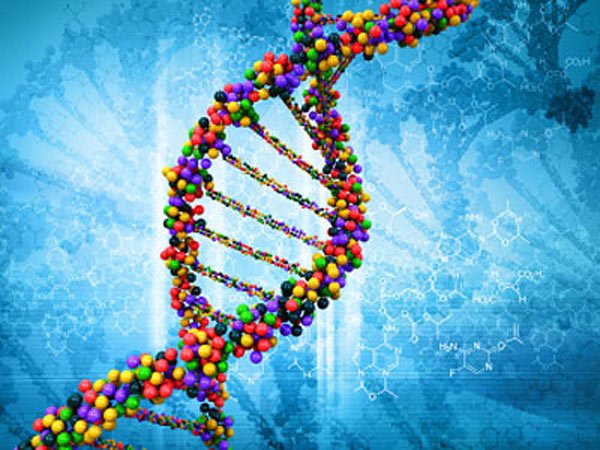
Which organelle contains its own DNA?
Mitochondria
Ribosomes
Lysosomes
Golgi Apparatus
Which organelle sorts out mixtures of substances and sends them to their proper destinations?
Mitochondria
Ribosomes
Lysosomes
Golgi Apparatus
A cell has the following molecules and structures: enzymes, DNA, ribosomes, plasma membrane, and mitochondria. It could be a cell from
A bacterium
An animal, but not a plant
A plant, but not an animal
A plant or an animal
The ability of phospholipids to form membranes
Depends on their secondary nature
Depends on their amino acids
Because they are awesome sauce
Is related to their polar and nonpolar properties
Which of the following would describe a positive feedback model?
The response increases the stimulus
It is a corrective measure
The response decreases the stimulus
The response will return the body to normal conditions

Which of the following systems is most closely involved in the direct function of the muscular system?
excretory
nervous
digestive
immune

What is the effect of vasoconstriction (decreases the diameter of blood vessels) on thermoregulation?
decreases blood sugar levels decreasing body temperature
decreases blood flow to the skin helping to conserve heat (increases temp)
increases blood sugar levels increasing body temperature
increases blood flow to the skin increasing heat loss (lowers temp)

This diagram represents which of the following?
Negative feedback loop
Positive feedback loop
Enhancement feedback loop
Extreme feedback loop

Diffusion is
movement of molecules from area of low concentration to high concentration.
movement of molecules from areas of low concentration to high concentration using ATP
movement of molecules using protein pumps
movement of molecules from an area of high concentration to low concentration.

Eukaryotic cell membranes are composed primarily of
proteins
silicone
deoxyribonucleic acid
phospholipids

What is an effector in the mechanism of thermoregulation? (Select all that apply)
the brain
the hypothalamus
the sweat glands
muscles shivering

Prior to childbirth the baby's head presses on the cervix sending a signal to the brain which stimulates the pituitary gland to release oxytocin. The oxytocin increases contraction of the uterus with causes the baby's head to press even harder on the cervix causing the release of more oxytocin. Which feedback loop does this illustrate?
Positive feedback
Negative feedback
Neither
Both

which type of feedback is illustrated by this graph?
Negative feedback loop
Positive feedback loop
Enhancement feedback loop
None of these.

Which organ system defends the body from invading microorganisms and viruses?
muscular system
nervous system
immune system
endocrine system


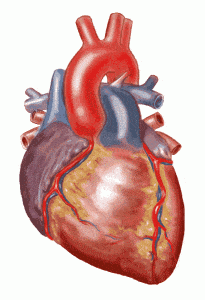
Of the four chambers, which one carries deoxygenated blood?
F and J
F and A
A and G
J and G
Prevention of backflow is the function of the
pulmonary arteries
valves
septums
vena cava

Which of the following body systems work together for support, protection, and movement?
respiratory and cardiovascular
skeletal and muscular
skeletal and integumentary
digestive and respiratory
These carry blood away from the heart.
arteries
nerves
veins
capillaries
This artery is the only artery in the body to carry deoxygenated blood:
Aorta
Pulmonary Artery
Coronary Arteries
Hepatic Arteries
Oxygenated blood from the lungs re-enters this chamber:
Right atrium
Right ventricle
Left atrium
Left ventricle
The only veins in the body that carry oxygenated blood are the:
Vena Cava
Pulmonary Veins
Pulmonary Arteries
Venules

Number 1 is:
an artery
a vein
capillaries


How many chambers does the mammalian heart have?
2
1
4
3
Which blood vessels are small and thin enough to allow for the diffusion of gases and nutrients into and out of circulation?
Capillaries
Venules
Arterioles
Veins

Choose the correct sequence of blood flow
L. Atrium, Pulmonary Vein, R. Atrium, Aorta
R. Atrium, Pulmonary Vein, Aorta, Vena Cava
R. Ventricle, R. Atrium, Pulmonary Artery, Aorta
L. Ventricle, Vena Cava, L. Atrium, Aorta

__________ Must be strong and elastic in order to withstand higher blood pressure leaving the heart's ventricles.
Arteries
Capillaries
Veins
Venules
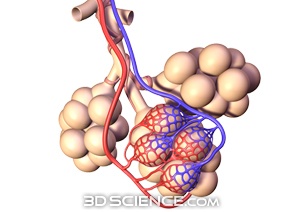
Which respiratory structure comes in direct contact with the circulatory system as Carbon Dioxide gas diffuses out of the body and Oxygen diffuses in?
diaphragm
bronchioles
Alveoli
bronchi
Blood vessels that return blood to the heart
Arterioles
Arteries
Venules
Veins
Capillaries
Oxygen and carbon dioxide are transported between the blood and alveoli by way of
exocytosis and endocytosis by endothelial cells
diffusion from areas of higher concentration to lower concentration
pinocytosis using fluid-filled vesicles
active transport (using ATP) by protein carriers of endothelial cells
I have a large lumen, I have thin muscular walls.
Artery
Vein
Capillary
Arteriole
I have a small lumen, I have thick muscular walls.
Artery
Vein
Capillary
Arteriole
Which of the following levels of organization is inclusive of all others?
Chemical
Organ System
Organ
Cellular
A group of cells that come together to perform a specific function is a
cell
tissue
organism
organ
A group of tissues that come together to perform a specific function are a/an
cell
tissue
organ system
organ
Which of the following is an example of an organ?
Brain
Tissue
Human
Dog

The image could best be described as
tissue
organ
organ system
organism

The image could best be described as
tissue
organ
organ system
organism

The image could best be described as
tissue
organ
organ system
organism

A group of organs that come together to perform a specific function is a/an
organ
organ system
organism
tissue
A group of organ systems that come together to create a multi-cellular being is a/an
organ
organ system
organism
tissue
Which of the following correctly lists the levels of biological organization from MOST complex to LEAST complex?
cell, tissue, organ, organ system, organism
cell organism organ system organ tissue
organ system organism organ tissue cell
organism organ system organ tissue cell
Which of the following correctly lists the levels of biological organization from LEAST complex to MOST complex?
cell, tissue, organ, organ system, organism
cell organism organ system organ tissue
organ system organism organ tissue cell
organism organ system organ tissue cell
Atom
smallest unit of matter
smallest unit of life
group of 2 or more atoms joined by a covalent bonds.
composed of only 1 type of atom
Molecule . . .
smallest unit of matter
smallest unit of life
group of 2 or more atoms joined by a covalent bonds.
composed of only 1 type of atom
Organelle . . .
specialized structure within a cell that performs specific cellular functions.
basic unit of life
group of same cells.
structure consisting of several different tissues to perform a specific function
organism
a group of organs working together to perform a vital body function.
a living thing
same species interacting with each other
all living things in a particular area.
What is the smallest level of organization that is still uniquely identifiable?
species
organism
cell
atom
Organisms are USUALLY made up of what?
Multiple cells working together
Multiple organs working together
Multiple tissues working together
Multiple body systems working together

A state of balance in the body.
tissue
organism
cell
homeostasis

A collection of tissues that carry out a specialized function of the body.
organ
cell
tissue
multicellular

A body tissue that carries an electrical message back and forth between the brain and other parts of the body.
epithelial tissue
nervous tissue
connective tissue
muscle tissue

In our hierarchy of life, what comes first. It's the SMALLEST UNIT OF MATTER.
Atom
Electron
Nucleus
Biosphere

This is when a lot of organisms of the same species come together.
Biosphere
Ecosystem
Organs
Population

