
 Worksheets
Astronomy Final Exam Review
Total questions: 136
Worksheet time: 1hrs 9mins

What type of galaxy is shown in the image?
Classic Spiral
Barred Spiral
Lenticular Spiral
Elliptical
Irregular

What type of galaxy is shown in the image?
Classic Spiral
Barred Spiral
Lenticular Spiral
Elliptical
Irregular
The method of exoplanet discovery that involves measuring the movement of a host star as the exoplanet's gravity causes the star to wobble.
Transit Method
Radial Velocity
Direct Imaging
Gravitational Microlensing
The method of exoplanet discovery that involves measuring the changing amount of light from a star as an exoplanet passes in front of it.
Transit Method
Radial Velocity
Direct Imaging
Gravitational Microlensing
The Fundamental Force that allows for the radioactive decay of atomic nuclei over time
Gravitational Force
Electromagnetic Force
Strong Nuclear Force
Weak Nuclear Force
The Fundamental Force holds protons together within the nuclei of atoms
Gravitational Force
Electromagnetic Force
Strong Nuclear Force
Weak Nuclear Force
The Fundamental Force that attracts or repels particles based on their relative positive and negative charges
Gravitational Force
Electromagnetic Force
Strong Nuclear Force
Weak Nuclear Force
The weakest Fundamental Force that attracts all matter in the universe together
Gravitational Force
Electromagnetic Force
Strong Nuclear Force
Weak Nuclear Force
The weakest Fundamental Force that attracts matter together to form protostars and planetesimals
Gravitational Force
Electromagnetic Force
Strong Nuclear Force
Weak Nuclear Force

Which Galaxy appears the most redshifted?
Top
Middle
Bottom
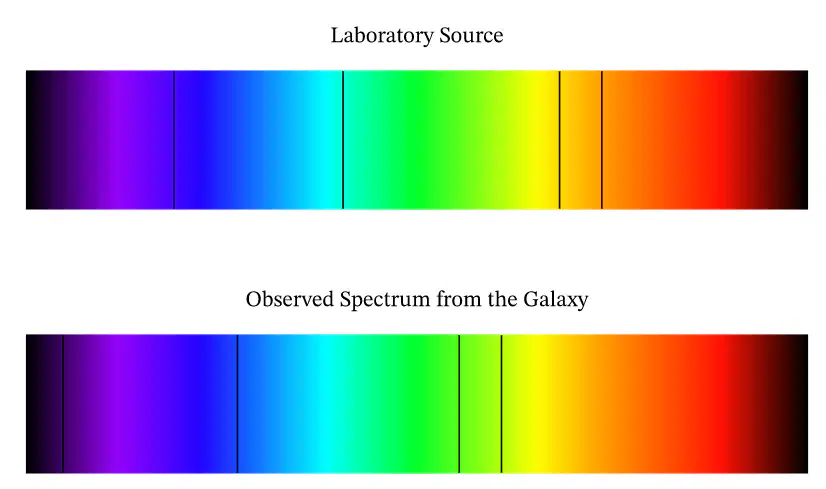
The lines in the absorption spectra from the distant galaxy show that it is...
moving away from us
moving towards us
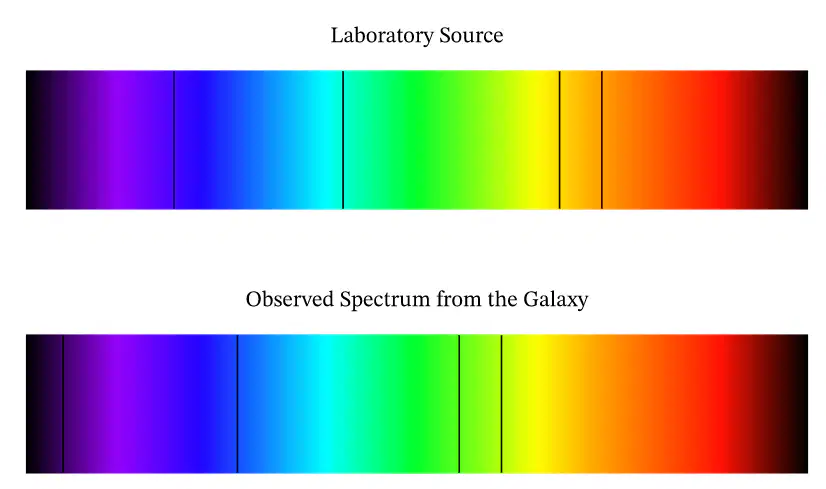
The lines in the absorption spectra are...
redshifted
blueshifted
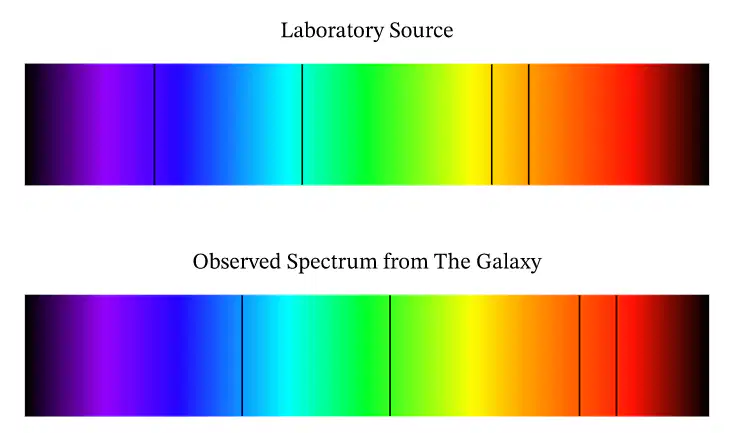
The lines in the absorption spectra from the distant galaxy show that it is...
moving away from us
moving towards us
The lines in the absorption spectra are...
redshifted
blueshifted
Which is the smallest in Size?
Our Solar System
Milky Way Galaxy
Virgo Supercluster
Observable Universe
Galactic Filament
Which is the biggest in Size?
Our Solar System
Milky Way Galaxy
Virgo Supercluster
Galactic Filament
Which is the biggest in Size?
Our Solar System
Milky Way Galaxy
Virgo Supercluster
Observable Universe
Galactic Filament

Which letter represents the Orion Arm in the Milky Way?
A
B
C
D

The diameter of the Milky Way Galaxy
100,000 LY
100 Milion LY
25,000 LY
2.5 Million LY
The distance the Milky Way to the Andromeda Galaxy
100,000 LY
100 Milion LY
25,000 LY
2.5 Million LY
The diameter of the Virgo Supercluster
100,000 LY
100 Milion LY
25,000 LY
2.5 Million LY
Which letter represents the Solar System in the Milky Way?
A
B
C
D
A star ends its main sequence life stage when it...
runs out of hydrogen and begins to fuse larger elements
runs out of hydrogen and becomes a brown dwarf
increases in mass and expands
stops doing nuclear fusion
The life stage of a low mass star when a Red Giant puffs off its outermost gasses.
planetary nebula
supernova
neutron star
black hole
stellar nebula
The final known life stage of a low mass star less than 8 M☉
white dwarf
supernova
neutron star
black hole
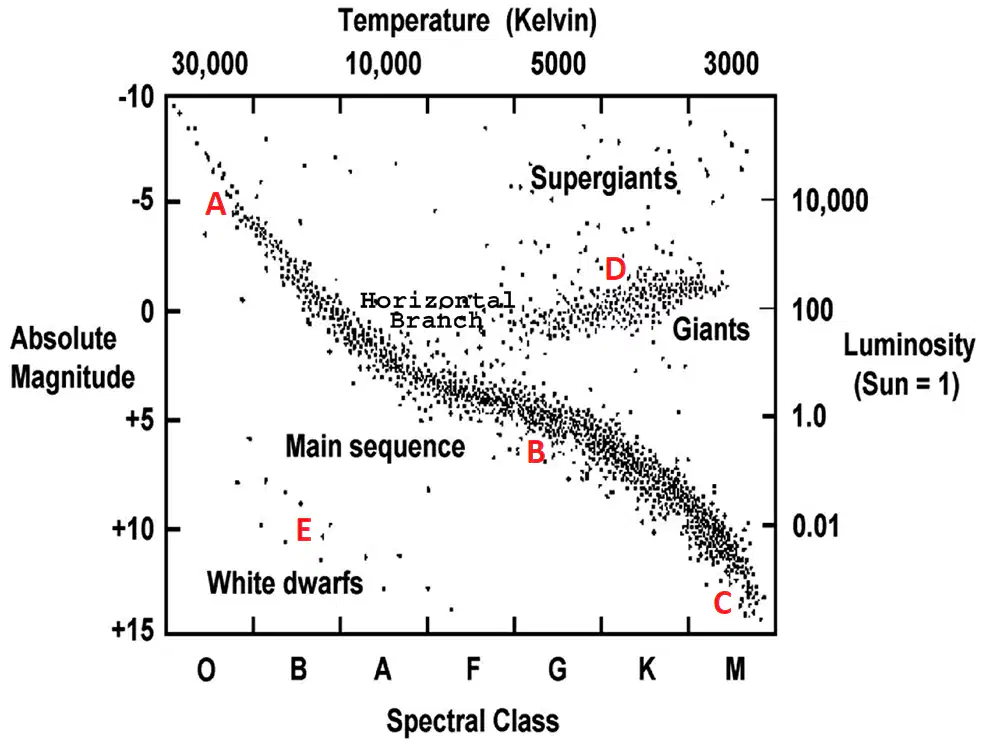
Which letter on the HR Diagram represent a White Dwarf?
A
B
C
D
E
Which letter on the HR Diagram represent a Red Dwarf?
A
B
C
D
E
Which letter on the HR Diagram represent an M Class Main Sequence star?
A
B
C
D
E
Which letter on the HR Diagram represent a G Class Main Sequence star?
A
B
C
D
E
Which letter on the HR Diagram represent a Red Giant?
A
B
C
D
E
Which letter on the HR Diagram represent an O Class Main Sequence star?
A
B
C
D
E
Which letter on the HR Diagram represent our Sun?
A
B
C
D
E
black dwarf
protostar
red giant
supergiant
A celestial object formed from a nebula that has not begun nuclear fusion yet
white dwarf
red giant
main sequence
protostar
A star that has just begun nuclear fusion of hydrogen into helium
white dwarf
brown dwarf
main sequence
protostar

Which star is in its main sequence life stage?
A white dwarf will eventually cool down forming this hypothetical object.
Black Dwarf
Black Hole
Red Dwarf
Brown Dwarf
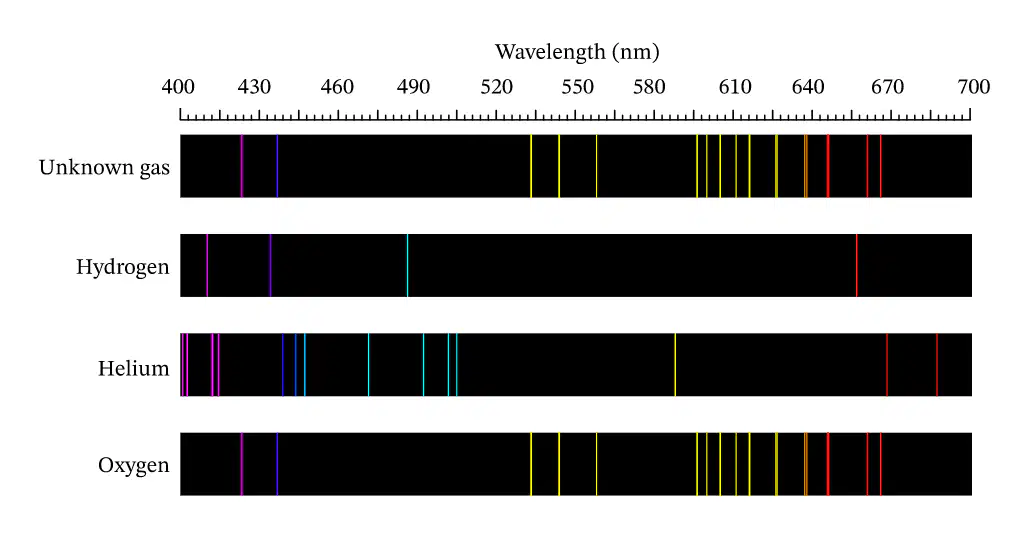
What element is in the unknown gas?
Oxygen
Helium
Hydrogen
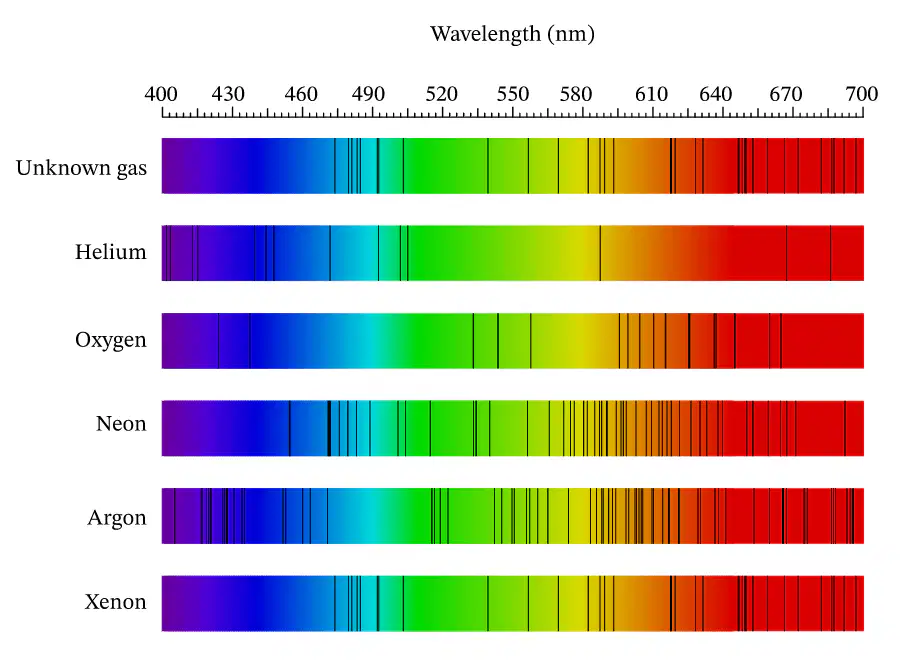
What element is in the unknown gas?
Oxygen
Helium
Argon
Xenon
Neon
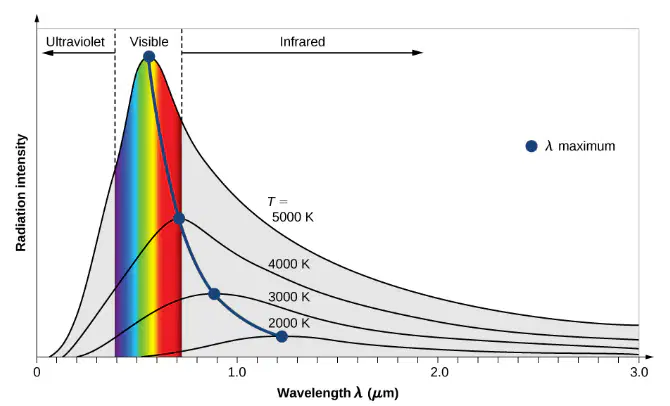
The 3000K temperature star in mostly emitting....
infrared
red visible light
blue visible light
ultraviolet
The 5000K temperature star in mostly emitting....
infrared
microwaves
green visible light
ultraviolet
The 4000K temperature star would appear what color?
blue
white
green
red
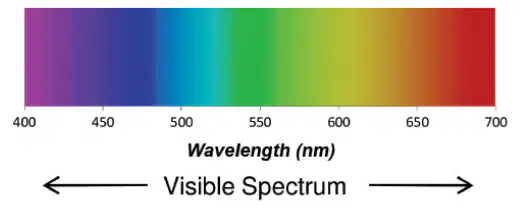
The color of 700 nm visible light
violet
blue
green
yellow
red
The color of 550 nm visible light
violet
blue
green
yellow
red
The color of 400 nm visible light
violet
blue
green
yellow
red
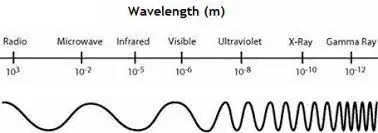
Electromagnetic radiation with the highest frequency
Radio Waves
Microwaves
Visible Light
Gamma Rays
X-Rays
Electromagnetic radiation with the highest energy
Radio Waves
Microwaves
Visible Light
Gamma Rays
X-Rays
Electromagnetic radiation with the shortest wavelength
Radio Waves
Microwaves
Visible Light
Gamma Rays
X-Rays
Electromagnetic radiation with the longest wavelength
Radio Waves
Microwaves
Visible Light
Gamma Rays
X-Rays
Electromagnetic radiation with the lowest energy
Radio Waves
Microwaves
Visible Light
Gamma Rays
X-Rays
Electromagnetic radiation with the lowest frequency
Radio Waves
Microwaves
Visible Light
Gamma Rays
X-Rays
Which ellipse has the lowest eccentricity?



Which ellipse has the highest eccentricity?
The farther away the planet is from the sun, the more time the planet takes to complete its revolution.
kepler's 1st law
kepler's 2nd law
kepler's 3rd law
For equal time spent orbiting the sun, the planet will sweep an equal amount of area around the sun.
kepler's 1st law
kepler's 2nd law
kepler's 3rd law
All planets orbit the sun in an non-circular pathway known as an ellipse.
kepler's 1st law
kepler's 2nd law
kepler's 3rd law
Comets are found where?
in the asteroid belt
in the kuiper belt
in the kuiper belt and oort cloud
in the oort cloud
The birthplace of stars
stellar nebulae
black holes
supernovae
red giants
located in the kuiper belt
pluto
uranus
ceres
callisto
On a trip from Earth to Jupiter, you would fly past...
the asteroid belt
the kuiper belt
the oort cloud
uranus
the order of the terrestrial planets from the sun outwards.
mercury - venus - earth - mars
mars - earth - venus - mercury
mars - venus - earth - mercury
mercury - venus - mars - earth
Where is Ceres?
between mars and jupiter
beyond neptune
between jupiter and saturn
between venus and earth
Venus is the ____ planet from the sun
1st
2nd
3rd
4th
Mars is the ____ planet from the sun
1st
2nd
3rd
4th
Uranus is the ____ planet from the sun
6th
9th
8th
7th
Beyond Neptune between 30-50 AU from the Sun is a region of our solar system known as...
the asteroid belt
the kuiper belt
the oort cloud
andromeda
The largest terrestrial planet
Earth
Mars
Venus
Mercury
The smallest planet
Ceres
Mars
Venus
Mercury
The 2nd smallest planet
Ceres
Mars
Venus
Mercury
The largest object in the asteroid belt
Ceres
Mars
Venus
Mercury
The largest planet
Jupiter
Saturn
Uranus
Neptune
The 2nd largest planet
Jupiter
Saturn
Uranus
Neptune
smaller in size
terrestrial planets
gas giants
The position in the planet's orbit that is closest to the sun.
perihelion
aphelion
The position in the planet's orbit that is farthest from the sun.
perihelion
aphelion
Nuclear fusion is...
2 hydrogen nuclei combine to form 1 helium nucleus
2 helium nuclei combine to form 1 hydrogen nucleus
1 helium nucleus splits into 2 hydrogen nuclei
1 hydrogen nucleus splits into 2 helium nuclei
Nuclear fusion generates energy in the Sun's...
core
radiative zone
photosphere
corona
The outermost layer of the Sun
corona
core
photosphere
convective zone
The layer of the Sun where visible light escapes out into space
corona
core
photosphere
convective zone
Caused planetesimals to clump together and form the planets
gravity
electromagnetism
strong nuclear force
weak nuclear force
the closest other planet to Earth
Venus
Mercury
Mars
Jupiter

Which event is taking place in the Northern Hemisphere in Position 3?
Winter Solstice
Vernal Equinox
Summer Solstice
Autumnal Equinox
Which event is taking place in the Northern Hemisphere in Position 1?
Winter Solstice
Vernal Equinox
Summer Solstice
Autumnal Equinox
The gravitational force between two objects is 9N.
What would be the gravitational force if the mass of one object was doubled?
6N
3N
12N
9N
18N
The gravitational force between two objects is 44N.
What would be the gravitational force if the distance was doubled?
176N
88N
22N
11N
The gravitational force between two objects is 100N.
What would be the gravitational force if the distance was halved?
50N
200N
25N
400N


In the diagram, which number would represent the moon's position during a full moon phase?
1
2
3
4
In the diagram, which numbers would represent the moon's position during a spring tide?
2 and 4
1 and 3
1 and 2
3 and 4
In the diagram, which numbers would represent the moon's position during a neap tide?
2 and 4
1 and 3
1 and 2
3 and 4

The image below shows the Earth and Moon illuminated during a typical lunar cycle. What type of eclipse would occur only when the Moon is in position A?
Solar Eclipse
Lunar Eclipse
Terrestrial Eclipse
Autumnal Eclipse
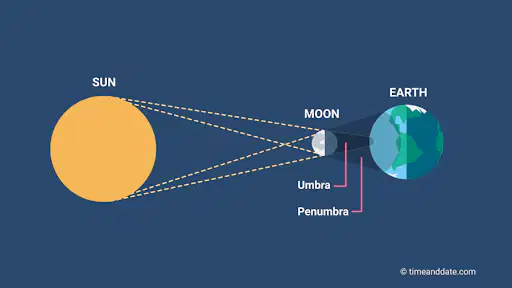
The diagram shows a...
solar eclipse
lunar eclipse
full moon
spring tide
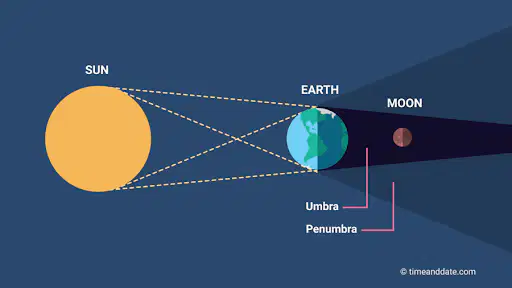
The diagram shows a...
solar eclipse
lunar eclipse
new moon
neap tide
What are the reasons for the seasons?
Earth's tilted axis and rotation.
Earth's rotation and revolution around the sun.
Earth's tilted axis and revolution around the sun.

Which model has greater gravitational attraction?
Model A
Model B
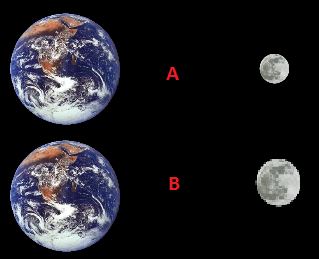
System A
System B

What layer of the sun in visible?
radiative zone
corona
photosphere
core
What eclipse is shown?
annular solar
total solar
total lunar
partial solar
partial lunar

What eclipse is shown?
annular solar
total solar
total lunar
partial solar
partial lunar
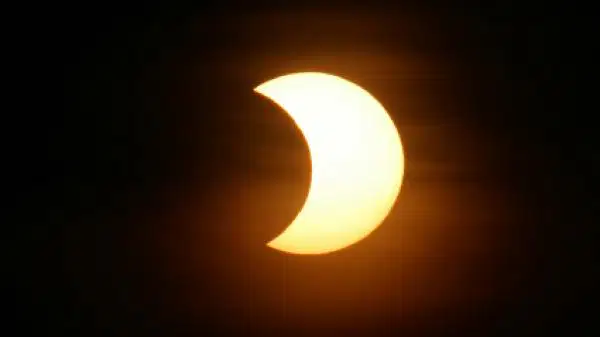
What eclipse is shown?
annular solar
total solar
total lunar
partial solar
partial lunar
How long does it take for light from the Sun to reach Earth?
8 minutes
8 seconds
8 days
8 years
How long does it take for light from the Sun to reach the next closest star outside our solar system?
4.25 years
4.25 days
4.25 hours
4.25 minutes
Used to measure distances between celestial bodies INSIDE the solar system.
Astronomical Units
Light Years
Kilometers
Parsecs
Used to measure distances between celestial bodies OUTSIDE the solar system.
Astronomical Units
Light Years
Kilometers
Miles
Which distance would best be measured using Astronomical Units?
distance between the Sun and Mars
distance between Richmond and Chicago
distance between the Milky Way and Andromeda
distance between the Sun and the star Vega
Which distance would best be measured using Light Years?
distance between the Sun and Neptune
distance between Richmond and Chicago
distance between the Milky Way Galaxy and the Pinwheel Galaxy
distance between the Sun and the star Betelgeuse
How bright a star looks from Earth.
apparent magnitude
absolute magnitude
How bright a star is from a standard distance.
apparent magnitude
absolute magnitude
Developed the 3 laws of planetary motion
Kepler
Newton
Galilei
Copernicus
Developed his law of universal gravitation
Kepler
Newton
Galilei
Copernicus
How high above your horizon a star is.
altitude
azimuth
declination
right ascension
The direction of a star in your horizon coordinates.
altitude
azimuth
declination
right ascension
How north or south a star is in the celestial sphere.
altitude
azimuth
declination
right ascension
How eastward a star is in the celestial sphere.
altitude
azimuth
declination
right ascension
Zenith is where in your horizon coordinates?
+90° altitude
-90° altitude
0° altitude
+90° azimuth
Polaris is ALWAYS where in your horizon coordinates?
+90° altitude
+270° azimuth
+0° azimuth
+90° azimuth
Discovered previously unknown stars with a telescope
Kepler
Newton
Galilei
Copernicus
Theorized a heliocentric model of the Universe AND helped begin an age of scientific revolution
Kepler
Newton
Aristarchus of Samos
Copernicus
First measured the circumference of the Earth
Anaximander
Pythagoras
Aristarchus of Samos
Eratosthenes
First theorized that Earth and all celestial bodies were perfect circles
Anaximander
Pythagoras
Aristarchus of Samos
Hipparchus
First Classical astronomer who theorized heliocentrism
Ptolemy
Pythagoras
Aristarchus of Samos
Hipparchus
First Classical astronomer who theorized axial precession
Ptolemy
Pythagoras
Aristarchus of Samos
Hipparchus
Explained that retrograde planetary motion was the result of planets moving in circular motions called epicycles
Ptolemy
Copernicus
Aristarchus of Samos
Hipparchus
Discovered that Venus had phases similar to moon phases. This was evidence that the planets orbit the Sun.
Kepler
Newton
Galilei
Copernicus
Discovered four of Jupiter's moons
Kepler
Newton
Galilei
Tycho

Which star appears the least bright from Earth?
B
A
C
D

Which star is the least bright?
B
A
C
D
Which of the following magnitude values would belong to the dimmest star?
-15
-5
0
25
Which star appears the most bright from Earth?
B
A
C
D
Which star is the most bright?
B
A
C
D
Which of the following magnitude values would belong to the brightest star?
-15
-5
0
25

