
 Worksheets
Soil, Ag, and Land Review
Total questions: 137
Worksheet time: 3hrs 34mins
Which type of soil has the lowest rate of permeability?
sand
silt
clay
loam

Soil is made of ---
weathered rocks and minerals.
dead plants and animals.
air and water.
all of the above

Which layer of soil is on the bottom of a soil profile?
topsoil
subsoil
bedrock
humus

Which of the following is NOT one of the three layers of soil?
topsoil
undersoil
subsoil
bedrock


Horizontal layers of soil are called ---
Soil profiles
Soil horizons
The texture of soil depends mainly on ---
the types of plants that grow in the soil.
the size of the particles in the soil.
the color of the soil.
the number of worms in the soil.

What is the layer of soil that contains humus, leaf litter, and other organic matter called?
O - Organic
A - Topsoil
B - Subsoil
R - Bedrock
Where does most of the water go when it rains?
In the ocean
In the rivers
In the gutters
It absorbs into the soil.
What is the common name for Horizon A?
bedrock
topsoil
subsoil
Why is soil an important natural resource?
soil is used to make buildings
soil can grow crops
soil comes from bedrock
soil is full of microbes

Permeability is...
when soil gets carried away
when soil is broken down by wind, water, or ice
how fast water travels through the soil
how much water the soil holds
Which of the following is NOT a property of soil that can be observed?
Composition
Texture
Particle Size
O2 given off
Soil Profile
What are soil layers called?
Rock
Horizons
Layers
Profile
What are the 3 main soil horizons for a mature profile?
topsoil, subsoil, parent material
humus, topsoil, subsoil
subsoil, parent material, bedrock
humus, topsoil, bedrock
In which horizon do most animals such as bugs live?
Humus
Topsoil
Subsoil
Parent Material
Bedrock
What is decayed organic material in soil?
topsoil
humus
subsoil
bedrock
What is the origin of clay, silt, and sand?
humus
bedrock
subsoil
topsoil
What does the size of the soil particles determine?
pH
mineral composition
texture
horizon posiition
What are loam, clay loam, silt loam, and clay?
Soil particle sizes
Soil Textures
Soil pH
Soil composition
What is permeability?
how freely water passes through soil
how much acid is in soil
the size of the soil particles
the composition of soil
What is the best pH for plants to grow?
4-6
7 only
5-7
6-8

Which layer is the parent material?
Horizon O
Horizon A
Horizon B
Horizon C
Horizon R

Which layer is the subsoil?
Horizon O
Horizon A
Horizon B
Horizon C
Horizon R


Which of the following is not a method to reduce soil erosion?
Conservation plowing
Crop rotation
Contour plowing
Clearing vegetation

Urbanization has a negative impact on:
Biodiversity, pollution, and ecosystems
Biodiversity, ecosystems, and education
Ecosystems, education, and economy
Economy, pollution, and biodiversity
This type of land use allows pesticides to get into our soil, which often end up in our water supply.
Forestry
Mining
Agriculture
Urbanization
Is it ALWAYS possible to reclaim land after it is used?
Yes
No
Agriculture uses this part of the lithosphere.
The rockbed
The subsoil
The magma
The topsoil
_______ is an important nutrient for plants to grow.
calcium
nitrogen
beryllium
carbon
No-till farming
decreases soil erosion
increases soil erosion
is not sustainable
is a rare practice in agriculture
Rotating crops
conserves nutrients
increases soil erosion
is a cause for deforestation
is the same thing as cover crops
Natural gas and oil are obtained through
digging
mining
harvesting
drilling
Uranium, plutonium, and coal are obtained through
digging
mining
harvesting
drilling
What is a con of oil?
Non-renewable
It is cheap
It is reliable
It encourages economic growth
What is a con of nuclear energy?
Nuclear power emits low levels of CO2
Provides stable, large-scale energy
Cost for operation are low
Waste storage requires the use of facilities for long periods of time.
What is a pro of natural gas?
Non-renewable
Emits CO2 when burned
Cleanest of all fossil fuels
Explosive, potentially dangerous
What is a possible consequence of agriculture?
Water pollution caused by soil erosion & the use of chemicals (fertilizer, pesticides etc)
Decrease in animal's natural habitats
Increase of flooding due to less areas for water infiltration
Provides jobs for many people
Which area probably faces the greatest problem with erosion?
a flatland with forest
a heavily farmed area
all areas face an equal erosion problem
a mountain with a lot of forest

What term best describes how our land use has changed over the past 100 years?
Deforestation
Urbanization
Elimination
Ruralization
What is a negative impact of mining?
Material left after ore is extracted can release toxic chemicals into the groundwater
Mining can improve the air quality where miners work
Quarries attract new species to the area
Mining can decrease soil erosion
Which of the following is NOT one of the three primary nutrients needed by plants?
Manganese
Nitrogen
Phosphorus
Potassium
A large-scale farming operation that practices monoculture is which of the following?
Community farming
Traditional farming
Organic farming
Industrial farming
This type of agriculture relies on human and animal labor.
Industrial agriculture
Traditional agriculture
Organic agriculture
Community agriculture
This type of agriculture produces 80% of the worlds food supply.
Industrial agriculture
Traditional agriculture
Organic agriculture
Community agriculture
Which of the following is not a benefit of GMOs
Increases pest resistance
Decreases biodiversity
Increases drought resistance
Reduces cost of manufacturing
Industrial/modern commercial agriculture refers to
large scale agriculture using machines to produce large amounts of crops for sale
large scale agriculture using machines to produce small crops for individual families
small scale, intensive agriculture
small scale, extensive agriculture
A positive impact of industrial/commercial agriculture is
a decrease in amount of crops produced
an increase in amount of crops produced
increased water and air pollution
decrease in the amount of machinery used
A negative impact of industrial/commercial agriculture is
a decrease in amount of crops produced
an increase in amount of crops produced
increased water and air pollution
decrease in the amount of machinery used
Are farmers allowed to to keep seeds produced from patented crops (seed cleaning) that they purchased from Monsanto?
Yes
No
Who has a staff of 75 people devoted to suing and prosecuting farmers?
Kirkland
Mansanto
Johnson & Johnson
Quicksilver
Desertification includes natural processes and humans.
True
False
All of the following are physical factors that influence agriculture EXCEPT:
Labour
Soil
Climate
Water Supply
The content of the soil, its depth and texture significantly influence agricultural activity
TRUE
FALSE
What name is given to the soil conservation technique used on steep slopes?
Terrain Cultivation
Crop Rotation/ Shifting
Terracing
Soil Creep

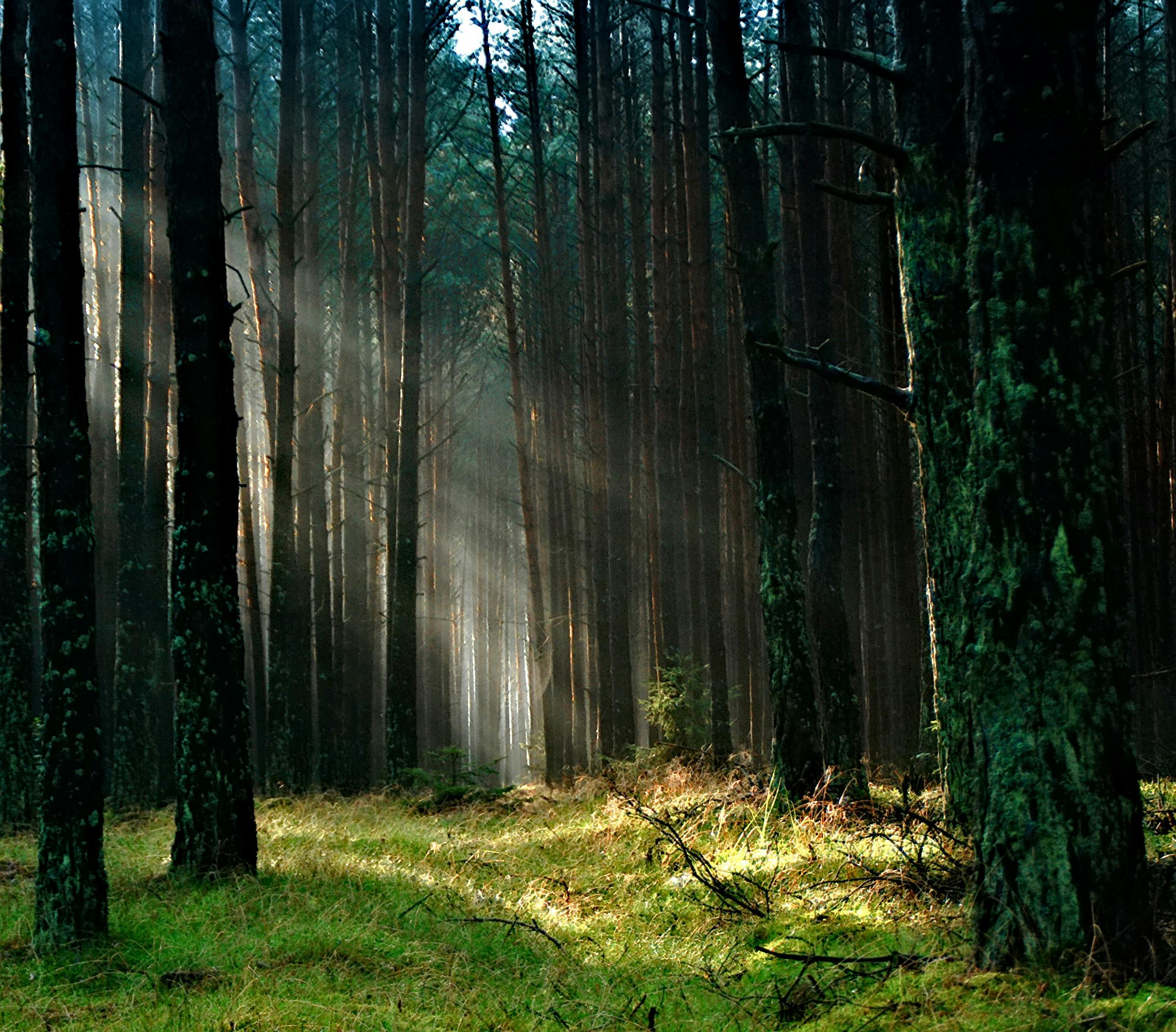
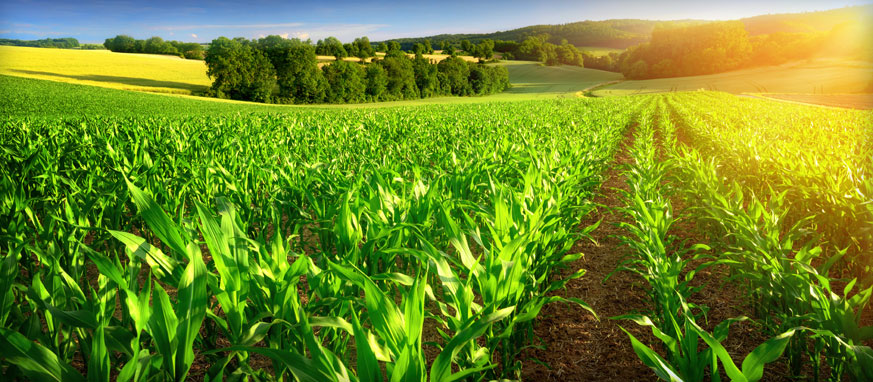


This image is an example of what type of land use
Residential
Commercial
Agricultural
Recreational
Choose the following that describes why land is important to humans . (Choose all that apply)
fossil fuels for energy
nutrients for plants to grow
space for buildings
materials for construction
What are the main sources of water pollution?
Plastic, Paper, and Metal
Snails in water
Help, there is a boot with a snake inside of it that somehow in the nearby lake.
Agriculture, Industry, and Community
Nutrient depletion occurs when farmers do which of the following?
rotate the crops they plant each year
plant the same crop every year
plant a mix of crops in the same area
land used for recreation, scenic, enjoyment, and for preserving native animal and plant communities and ecosystems
rangeland
parks and preserves
wetlands
farmland
Choose 3 methods that people are using to prevent problems relating to land use.
Zoning regulations
Permits for construction
Conservation easements
Elimination of public transportation (buses, trains, etc.)
Increased city taxes
Which is NOT a principle of organic farming?
avoiding synthetic fertilizers
keeping as much organic matter as possible on the farm
increasing soil mass and biological activity
avoiding the use of fossil fuels

How did the Industrial Revolution change rural life and contribute to the development of cities?
Rural life and urban life both increased
Rural and urban life both decreased
rural life increased while urban life decreased
urban life increased while rural life decreased

How did science and technology change society?
it caused people to move to farms
it worsened medicine
it caused religion to disappear
it caused factory work to increase
38% of the earth's surface is used for...
Cities
Parks and recreation
Agriculture and farming
Parking lots


a naturally occurring solid material from which a metal or valuable mineral can be profitably extracted.
Minerals
Ore
Oil
Water
Mining that is done above ground is called...
surface mining.
subsurface mining.
Mining that is done below ground is called...
surface mining.
subsurface mining.
This type of mining involves moving HUGE amounts of Earth to access ore.
surface mining
subsurface mining
When ore is extracted from near the surface by digging deep into the ground.
Strip Mining
Contour Mining
Mountaintop Removal
Open Pit Mining
When ore is removed in layers by removing the soil that is on top.
Open Pit Mining
Oil Derricks
Strip Mining
Fracking
Whether or not something is mined is determined by its monetary value.
True
False
This form of mining uses tunnels and shafts to bring ore to the surface.
surface mining
subsurface mining
Removing ore along a seam in a hillside.
Open Pit Mining
Fracking
Mountaintop Removal
Contour Mining
A natural resource that can only be replaced only through geological, physical, and chemical processes that take millions of years.
Renewable Resource
Nonrenewable Resource
Removing a mountaintop to reach the ore that lays underneath.
Open Pit Mining
Fracking
Mountaintop Removal
Contour Mining
A natural resource that can be replaced by nature in a short period of time.
Renewable Resource
Nonrenewable Resource
This type of mining does less damage to the environment.
surface mining
subsurface mining.
The controversial method for getting natural gas in rock deep underground is called...
fracking.
rigging.
contouring.
derricks.
This type of mining is cheaper and safer for miners.
surface mining
subsurface mining.
What do you call the process of drilling and injecting fluid into a ground at a high pressure in order to break or fracture the shale rocks to release natural gas inside?
Drilling
Fracking
Perforation
Sedimentation
Which of the following is not a disadvantage of fracking?
Causes water pollution
Millions of gallons are wasted during drilling
Unhealthy for workers
Creates job opportunities
What is the most abundant fossil fuel?
coal
oil
natural gas
nuclear power
What are some advantages of using natural gas?
burns cleaner than other fossil fuels
easy and safe to transport
abundant in the US
can be used in a variety of applications (cooking, heating, electricity, etc.)
Where does the highest production of oil occur?
Russia
Middle East
US
Canada
Which energy resources are mined using fracking?
coal
natural gas
oil
nuclear
What percentage of the world's energy do fossil fuels provide?
40%
50%
70%
80%
What energy source is most oil used for in the US?
coal
gasoline
electricity
heating

