
 Worksheets
APES Unit 9 Review
Total questions: 132
Worksheet time: 6hrs 44mins

When is the Antarctic ozone "hole" largest?
early spring in southern hemisphere
late summer in southern hemisphere
mid summer in southern hemisphere
late fall in southern hemisphere
early winter in southern hemisphere

The formation of ozone begins when an O2 molecule is split by
UV-A radiation
UV-B radiation
UV-C radiation
UV-A or UV-B radiation
UV-B or UV-C radiation

How many O3 atoms can a single chlorine atom break down?
5,000
10,000
50,000
100,000
500,000

Which is NOT a result in the reduction of stratospheric ozone?
reduced photosynthetic activity
increased skin cancer
increased eye problems
increased birth defects
suppressed immune systems

Which was signed by 24 nations to reduce CFC production by 50% by the year 2000
Kyoto Protocol
Bourne Protocol
Montreal Protocol
Toronto Protocol
CITES Treaty

The form of radiation with the least amount of energy is
UV-A
UV-B
UV-C
UV-B and UV-C
UV-A and UV-C

The most common use of CFCs was as
hair spray
insecticide
refrigerants
fire resistant insulation
computer boards

HCFCs are compounds containing
strictly chlorine
any type of halogene
benzene and hydrogen
carbon, hydrogen, chlorine and fluorine
hydrogen, chlorine, phosphorus, and cobalt

What can be used to break apart HCFC's?
water
carbon monoxide
methane
propane
BODs

A class of compounds as acceptable temporary alternatives to chlorofluorocarbons
dihydrogen monoxide
hydrochlorofluorocarbons
carbon dioxide
helium
fluoride bromide nitrides
The "good" ozone (90% of ALL O3) on Earth is located in the
Troposphere
Stratosphere
Asthenosphere
Mesosphere
Thermosphere
Which type of radiation does ozone block 100% of from the sun?
Visible light
UV-A
UV-B
UV-C
X-rays

The Greenhouse gas with the highest greenhouse warming potential is
carbon dioxide
methane
water vapor
chlorofluorocarbon
nitrous oxide

Methane is naturally produced by
decomposition
volcanic eruptions
denitrification
evapotranspiration
forest fires

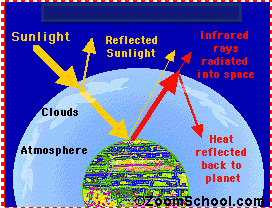
The greenhouse effect is due to
the absorption and reradiation of infrared radiation by the atmosphere
the reflection of ultraviolet radiation by the atmosphere
the absorption of ultraviolet radiation by the atmosphere
the reflection of infrared radiation from Earth's surface
the absorption of ultraviolet radiation by Earth

Most nitrous oxide emissions are from
fossil fuel combustion
agricultural practices
refrigerants
deforestation
industrial processes

Particulate matter can increase global warming by
reacting with chlorofluorocarbons
reducing surface absorption of ultraviolet radiation
producing additional nitrous oxides
reflecting radiation
lowering surface albedo

What is the evidence that solar radiation is less important to global warming than the increase in greenhouse gases?
temperatures have increased more in the summer than in winter
temperatures have increased more in the winter than in summer
temperature increases have been uneven across the globe
there is a historic correlation of CO2 and temperature
There is a lack of temperature change in some areas

How much has the average global temperature increased in the last 120 years?
0.6°F
1.0°F
1.4°F
2.7°F
3.2°F

Which data are used to estimate historic temperatures and carbon dioxide concentrations?
I. Marine organism fossils
II. air trapped in ice
III. glacier depth
I only
I and II only
I and III only
II and III only
I, II and III

Which is an example of a negative feedback?
higher air temperatures cause increased ocean evaporation
higher air temperatures cause increased decomposition in soils
lower concentrations of CO2 cause increased absorption of oceanic CO2
low albedo causes decreased reflection of sunlight
higher CO2 concentrations cause increased photosynthesis

Global warming might limit the availability of fresh water in many areas because of
melting glaciers
increased sea level
thawing permafrost
more frequent heat waves
changes in storm intensity

Effects of climate change on organisms include all of the following except
increased growing seasons
disruption of animal life cycles
coral bleaching
decreased species ranges in temperate areas
increased dispersal of plants and animals

What is NOT a potential negative effect of climate change on agriculture?
increased range of pests
increased risk of droughts
increased damage from severe weather events
increased rates of photosynthesis
decreased growing season in western Europe

How might climate change increase the range of pests?
higher intensity weather events
changing precipitation patterns
increasing number of heatwaves
disruption of oceanic currents
decreased duration of cold spells

In 1997 the U.S. did not ratify the Kyoto Protocol because
it required the same emission reduction from all signatories
it did not limit the emissions of developing nations
the prediction regarding the severity of climate change were too uncertain
current technology was unable to meet the required goals
the target emission reductions were seen as impossible to achieve
All of the following greenhouse gases come from natural sources EXCEPT...
H2O
CO2
CH4
O3
CCl2F2
Which human generated greenhouse gas is found in the greatest abundance within the atmosphere?
H2O
CO2
CH4
O3
CCl2F2
Which of the following are greenhouse gases?
Mark ALL that are correct!
H2O
CO2
CH4
O3
CCl2F2
While water vapor is a greenhouse gas, why does it not contribute significantly to global climate change?
It is natural and natural gases do not have negative environmental effects
It has a short residence time in the atmosphere
Water vapor cannot reflect energy back towards Earth's surface
Water vapor is only found in the troposphere
What makes gases like methane, HFCs, and CFCs so concerning in the atmosphere?
They exist in the atmosphere indefinitely
All three do not exist naturally in nature
They are very efficient at absorbing the Sun's energy
All three contain carbon atoms
Which of the following causes both ozone depletion and global warming?
H2O
CO2
CH4
CCl2F2
The majority of greenhouse gases exist in the...
Troposphere
Stratosphere
Mesosphere
Thermosphere
Which of the following has the greatest global warming potential (GWP)?
NOx
CO2
CH4
O3
CFCs
Increases in greenhouse gases leads to which of the following?
Mark ALL that are correct!
The melting of land and sea ice
Spreading of disease vectors
Thermal expansion of the ocean
An overall decrease in global temperatures
Where are most disease vectors located?
Tropical regions
Polar regions
Desert regions
Temperate regions
How does decreased ice and snow result in warming of the planet?
Ice and snow reflect energy from Earth's surface into space
It creates a negative feedback loop
More solar radiation enters into Earth's atmosphere
The albedo of snow and ice is low


Earth's average temperature has increased 1°C in the past century. Which reason best explains this increase in temperature?
lower levels of ozone in the atmosphere
lower levels of nitrogen in the atmosphere
higher levels of carbon dioxide in the atmosphere
higher levels of oxygen in the atmosphere
Which of the following gases is NOT a greenhouse gas?
carbon dioxide
nitrogen
water vapor
methane
Which of the following are evidence of climate change?
extreme weather events
increase in the average global temperature
melting of polar ice caps
all of the above
The main human activity that releases carbon dioxide (CO2) into the atmosphere is...
using bottled water
burning fossil fuels
texting on cellphones
eating meat
Which of the following is contributing to an increase in carbon dioxide (CO2) in the atmosphere?
deforestation
burning fossil fuels
burning down trees
all of the above
Which of the following is produced by cows?
Carbon Dioxide
Water Vapor
Argon
Methane
an area's climate changes and it gets LESS rainfall. what can happen?
more hurricanes
more forest fires
floods
more diseases
human activities lead to climate change and global warming because
there are LESS greenhouse gases in the atmosphere and the temperature decreases
there is the SAME amount of greenhouse gases in the atmosphere and the temperature stays the same
there are MORE greenhouse gases in the atmosphere and the temperature is increasing
Warming seas will...
Increase the number of storms
Decrease the number of storms
The number if storms will stay the same
Climate Change will cause...
More intense tropical storms
Less intense tropical storms
no more storms
The role of the Intergovernmental Panel on Climate Change is to
implement carbon taxes on companies that burn excessive fossil fuels
collect and analyze scientific climate data like that from ice cores
review scientific climate data to assess the current state of climate change
introduce policies to help with mitigation and adaptation strategies
An example of a climate change mitigation strategy is
mandating more fuel efficient vehicles
building structures to protect from rising sea levels
species migration
using drought resistant crops
One possible positive consequence of an increase in CO2 in the atmosphere?
Plants may grow faster and produce more sugars
Pests like pine beetles will die
Forest fires will be extinguished by the lack of oxygen
Corals will grow faster
What is Arctic (or polar) amplification?
the phenomenon that temperature near the poles is increasing at a higher rate than at lower latitudes
the intensification of the polar jet stream due to melting ice caps
the increased productivity of Arctic ecosystem due to increased upwelling
the migration of the polar front due to stronger pressure contrasts


The ocean becomes this with the absorption of excess CO2
alkaline
acidic
neutral
shallower
none of these

According to this slide
CO2 is causing marine life to die by "poisoning' the water
CO2 is destroying sea shells
CO2 is formed from the combustion of Octane

This image demonstrates that
There is a direct correlation with the atmospheric CO2 and the CO2 in seawater
That pH of the ocean increases as the atmospheric CO2 increases
That there is no correlation between pH of the ocean and atmospheric CO2
What do some marine creatures do with the carbonate ion?
use it as a food source
use it as a defense mechanism
use it to build shells and exoskeletons
use it to cool body temperatures
Which is carbonate?
HCO-
H2CO3
CO3-
CO2
CO2 + H20 -->
H2CO3
CO3
CO2
H3O+
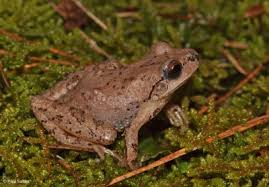


What factors may lead a nonnative species to become invasive? Select all that apply.
they lack predators
they can eat a variety of foods
they are generalists
they mature and reproduce quickly

Which of the following leads to a decrease in biodiversity?
introduction of invasive species
prevention of erosion
ecological land use planning
pollution control
Illegal hunting for profit is called
sport hunting.
poaching.
commercial hunting.
subsistence hunting.
Law of the 70's that protects endangered species in the U.S.
Endangered Species Act
CITES
Lacey Act
One Act Plays

Fragmented habitat can be reconnected most directly by
wildlife corridors
captive breeding programs
debt for nature swaps
prescribed burns
Presently, the biggest threat to biodiversity is;
Asteriod strikes, such as what happened 65 million years ago and resulted in the extinction of the dinosaurs.
Human population growth, because as population increases, so does the number of plants and animals it consumes, resulting in a decrease of those organisms.
Habitat destruction, such as cutting down portions of tropical rain forest, which destroys the niches occupied by tropical organisms.
The proliferation of zoos and botanical gardens, causing causing people to care less about preserving species in the wild because they are being cared for those in sanctuaries.
Which of the following international treaties bans the hunting, capture, and sale of threatened or endangered species in 181 countries? CITES
Endangered Species Act (ESA)
The National Marine Fisheries Act
The Convention on International Trade in Endangered Species (CITIES)
National Enviornmental Policy Act (NEPA)
The Marine Mammal Protection Act

Areas that have been set aside for the protection of threatened or endangered species and their habitats are known as;
National parks.
National zoos
National wildlife refuges.
National recreation areas.
National forest reserves.
Choose the option that expresses the definition the best.
"Logging, mining, building of roads, and urban development."
Habitat destruction,degradation, and fragmentation.
Invasive (nonnative species).
Population and resource use growth.
Greenhouse effect.
Overexplotation.
Which is the newest part of HIPPCO?
Climate change
Population & Pollution
Invasive Species
Habitat Loss
Overharvesting
Which of the following is NOT an endangered species of Florida?
West Indian Manatee.
Gopher Tortoise
Roseate Spoonbill
Hawksbill Sea Turtle.
Burmese Python
Why do endangered species matter?
Because they are cute
Biodiversity
Because if they die we cannot have them as pets
Because they cannot be in the zoo
In the 1970s, the United States introduced the _________________________ which calls for a recovery plan to be created for each endangered species.
National Environmental Policy Act
Resource Conservation and Recovery Act
Clean Water Act
Endangered Species Act

Which of the following is not linked to Endangered species?
K-Strategist
Specialized niche
rare
commercially valuable
R-Strategist

Responsible for the determination of endangered species status and monitoring the level of endangerment.
US. Fish and Wild Life Services
Park Rangers
DEA
Coast Guard
Biodiversity is greatest near the _________
North Pole
Equator
Switzerland
None of these
Biodiversity refers to.........
differences in plants
differences in animals
the variety of all life on earth
animals located near the artic
Which of these is a consequence of deforestation?
increased oxygen in the atmosphere
decreased biodiversity and soil erosion
decreased availability of sunlight and vitamin D
increased annual precipitation and acid rain
Walking or digging on the dunes make them vulnerable to erosion. What other human activity would also contribute to the erosion of the sand dunes?
destroying the beach grass on the dunes
restricting construction near the dunes
building new dunes where none exist
adding sand from the ocean to the dunes
Which of the following best explains why urban areas have more air pollution than rural areas do?
There are fewer green areas and more paved areas in urban areas.
There are more cars and buses in urban areas.
Drivers travel shorter distances between destinations in urban areas.
Houses are closer together and larger.
Enacted in 1976, is the principal federal law in the United States governing the disposal of solid waste and hazardous waste
Montreal Protocol
The Kyoto Meeting
Resource Conservation and Recovery Act
The Price Anderson Act
Known also as Superfund. It was passed in 1980 in response to some alarming and decidely unacceptable hazardous waste practices and management going on in the 1970s.
CERCLA
Resource Conservation Recovery Act
The Montreal Protocol
Atomic Energy Act
An international treaty designed to protect the ozone layer by phasing out the production of numerous substances that are responsible for ozone depletion. Cut CFCs in half.
The Paris Accord
The Montreal Protocol
The Kyoto Meeting
Resource Recovery Act
An international treaty which extends the 1992 United Nations Framework Convention on Climate Change (UNFCCC) that commits State Parties to reduce greenhouse gas emissions, based on the scientific consensusthat (a) global warming is occurring and (b) it is extremely likely that human-made CO2 emissions have predominantly caused it.
The Montreal Protocol
Global Warming Protocol
The Paris Accord
The Kyoto Meeting
Label the following parts of the ocean acidification formulas.
Carbonate
Carbonic acid
Bicarbonate
Identify the parts of the equation that would cause the ocean to become more acidic. SELECT ALL.
Put the following greenhouse gases in order from lowest GWP to highest.
CO2
CH4
N2O
CFCs/HCFCs/HFCs

