
 Worksheets
Matter
Total questions: 130
Worksheet time: 7hrs 30mins

Anything that has mass and takes up space.
atom
molecule
matter
element

What is this state of matter?
solid
liquid
gas

What is this state of matter?
solid
liquid
gas

What is this state of matter?
solid
liquid
gas
Which state of matter has NO definite shape and NO definite volume?
gas
solid
liquid
Particles are closest together in a...
liquid
gas
solid

The particles in this state of matter are showing what phase?
solid
liquid
gas
In this phase of matter, particles do NOT stop moving. Instead they vibrate in place
Plasma
Solid
Liquid
Gas
What phase change takes place when a liquid turns into a solid?
melting
deposition
freezing
condensation
What phase change takes place when a liquid turns into a gas?
melting
condensation
sublimation
Vaporization
When you see drops of liquid water on your cold soda can caused by cooling of the water vapor in the air, ______________ has occurred.
freezing
sublimation
condensation
melting
When you boil water and it turns to water vapor, you are seeing an example of ________________ occur.
vaporization
condensation
melting
sublimation
Which of the following phase changes is a result of removing heat?
melting
freezing
vaporization
sublimation
What is potential energy?
stored energy
energy being used
The energy associated with motion is called
kinetic energy
potential energy
sound energy
nuclear energy
The faster an object moves the greater its ____________ energy.
Kinetic
Potential
Electrical
Solar


What type of energy is the player using as he hits the ball?
potential
kinetic
energy

A boy standing on top of a slide has ______ energy
potential
kinetic

At what point does the roller coaster have the most Potential energy?
A
B
C
D
At what point does the roller coaster have the most Kinetic energy?
A
B
C
D

Where would this baseball have the least amount of kinetic energy?
W
X
Y
Z
Where would this baseball have the greatest amount of kinetic energy?
W
X
Y
Z
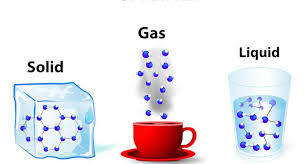
Which of the physical states of water contains particles with the lowest kinetic energy?
Water
Ice
water vapor
Melting ice
The measure of the average Kinetic energy of the particles in a material
potential energy
contract
expand
temperature
Of these three states of matter, which one has the most potential energy?
Solid
Liquid
Gas
(a) energy is the sum of kinetic energy and potential energy of particles in matter.
All matter is made of _________.
Matter with a composition that is always the same.
Element
Substance
Temperature
Compound
A substance made of only one type of atom.
Compound
Element
Matter
Molecule
A substance made of more than one type of atom.
Compound
Element
Matter
Molecule

Atoms are made up of ________________
energy
electrons
subatomic particles
gasses

The subatomic particles that make up an atom.
solid, liquid, gas
electrons, protons, nucleus
energy, protons, nucleus
electrons, protons, neutrons


__________ are negatively charged particles that are in the cloud around the nucleus.
protons
nucleus
neutrons
electrons

A proton has a ___________ charge.
positive
negative
neutral
massive.
An electron has a _________ charge
positive
neutral
negative
massive
A neutron has _________ charge or is ________.
negative ... neutral
positive .... neutral
no .... negative
no ... neutral
_____ have a mass that is approximately 0 amu.
isotopes
electrons
protons
neutrons

If a neutral atom has 3 electrons, how many protons does it have?
1
2
4
3
Identifies the number of protons in an atoms nucleus.
Electron Cloud
Atomic Theory
Atomic Number
Mass Number
The total number of protons and neutrons in the nucleus of an atom
Atomic Number
Mass Number
Atomic Theory
Electron Cloud

What is the atomic mass of this Oxygen atom?
8 amu
16 amu
0 amu

What does the atomic number tell you?
The number of neutrons
The number of protons
The number of protons + neutrons
Cobalt has 27 protons, 32 neutrons, and 27 electrons. What is the atomic number?
32
59
27
5
What is the correct formula for calculating how many neutrons are in an atom?
Protons + Electrons= Neutrons
Atomic mass - Atomic number= Neutrons
Atomic mass + Atomic number = Neutrons
Atomic mass - Protons = Neutrons
Which TWO of the following subatomic particles are inside the nucleus?
protons
electrons
neutrons
There are no subatomic particles in the nucleus of an atom.

How many neutrons does nitrogen have?
7
14
0
6
What mass would the following atom have?
9 protons, 10 electrons, and 11 neutrons
30 amu
19 amu
20 amu
21 amu
The area of space surrounding the nucleus.
proton
isotope
electron cloud
neutron
Which subatomic particle does not have an electrical charge and is found inside of the nucleus?
electrons
protons
neutrons
isotopes
If the number of protons equals the number of electrons in the atom the electrical charge of the atom is-
negative
neutral
positive
If there are more protons than electrons, the
atom is ______ charged.
positively
negatively
neutral
If there are more electrons than protons, the atom is _______ charged.
positively
negatively
neutral
IN AN ION THE NUMBER OF PROTONS_________ THE NUMBER OF ELECTRONS.
>
<
=
≠
When an atom gains electrons, it becomes a(n) _____________ ion.
positive
negative
neutral
When an atom loses electrons, it becomes a(n) _____________ ion.
positive
negative
neutral

What is the charge of this ion
11
-1
+1
1
12

Cations have what charge?
+
-

What type of atom is this?
Neutral atom
Cation
Anion
Isotope

_______ are atoms with the same number of protons but varying numbers of neutrons.
ions
elements
allotropes
isotopes

This isotope have how many neutrons?
26
12
14
16

Which Chlorine isotope is heavier?
Cl-37
Cl-35
For Cl-37, what does the 37 represent?
Number of Protons
Number of Neutrons
Number of Electrons
Mass Number

Mass numbers
Electron Number
Atomic Numbers
Neutron Number
Proton Number
Two atoms that are different isotopes of the same element have
the same number of protons and same number of neutrons
the same number of protons but a different number of neutrons
a different number of protons but the same number of neutrons
a different number of protons and a different number of neutrons
Each element is defined by the number of
Atoms
Isotopes
Neutrons
Protons
Nuclei.
An element has two naturally occurring isotopes. One has a mass of 10.013 amu and is 19.9% abundant. The other has a mass of 11.01 amu and is 80.1% abundant. What is the relative atomic mass?
9.012
12.011
6.941
10.812
Nitrogen has two isotopes. One isotope has a mass of 14.003 amu and a relative abundance of 99.63%, while the other has a mass of 15.000 amu and a relative abundance of 0.37%. What is the relative atomic mass for nitrogen?
14.993 amu
14.456 amu
14.778 amu
14.007 amu
Calculate the relative atomic mass of silicon. The three silicon isotopes have atomic masses and relative abundances of 27.9 amu (92.2%), 28.9 amu (4.7%) and 29.9 amu (3.1%).
(a)
Calculate the average atomic mass of the following element:
25Y (11%), 32Y (39%), 29Y (22%), 30Y (28%)
32.0
30.0
29.0
The relative atomic mass of an element is the ___.
average of the mass number and the atomic number for the element
weighted average of the masses of the isotopes of the element
total mass of the isotopes of the element
total number of subatomic particles in the nucleus

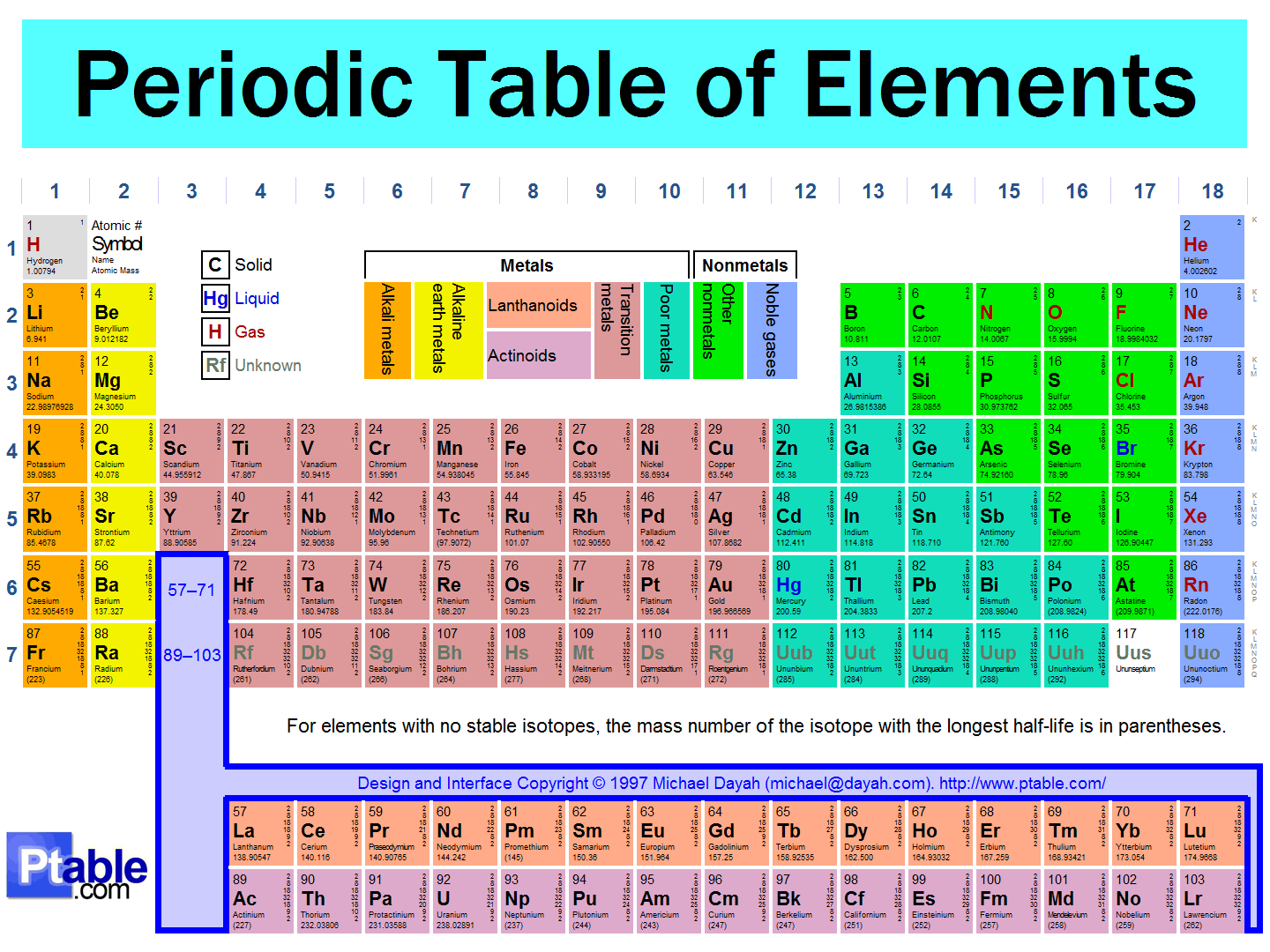

Which element is located at period 4 group 6? [click the picture to zoom in]
Cr
Sg
Hf
Ta
What is the best definition of valence electrons?
The outermost electrons NOT involved in chemical reactions
The innermost electrons involved in chemical reactions
The outermost electrons involved in chemical reactions.
The innermost electrons NOT involved in chemical reactions


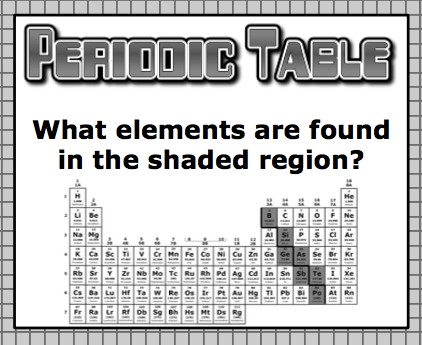
Which of the following are located along a dividing line that looks like a staircase?
metals
metalloids
non-metals
alkali metals
Which of the following is a property of non-metals?
malleable
brittle
ductile
Which of the following is not a property of metalloids?
poor conductors of electricity
have properties of metals & non-metals
solids at room temperature
Which of the following is not a property of metals?
conduct electricity
brittle
shiny
Which of the following statements is TRUE?
elements within a period have similar properties
there are 7 periods on the periodic table
different elements can have the same atomic number
Which pair of properties describes the elements in Group 1?
They are chemically stable
They have 8 valence electrons
They are the most reactive metals
They are the most reactive non metals
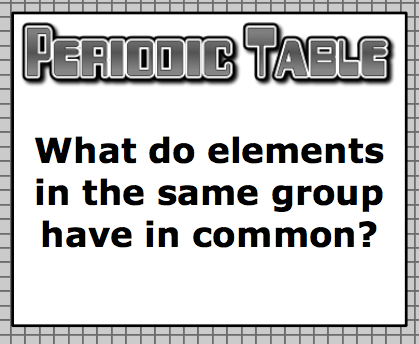

Element Chlorine at group #17 have how many valence electrons?
6
7
17
5
Elements in the same group have : (2 correct answers)
Similar chemical properties
Similar names
Same number of outer (valence) electrons
The same number of protons
What do the vertical columns on the periodic table tell us?
The number of orbitals
The number of valence electrons (electrons on the outer most shell)

What group and period does this element belong in?
period 1 and group 3
period 3 and group 1
period 2 and group 3
period 3 and group 2

How many valence electrons does the element have?
1
2
3
4

How many protons and electrons does nickel have?
28
58.69

Potassium is a
Metal
Nonmetal
Metalloid

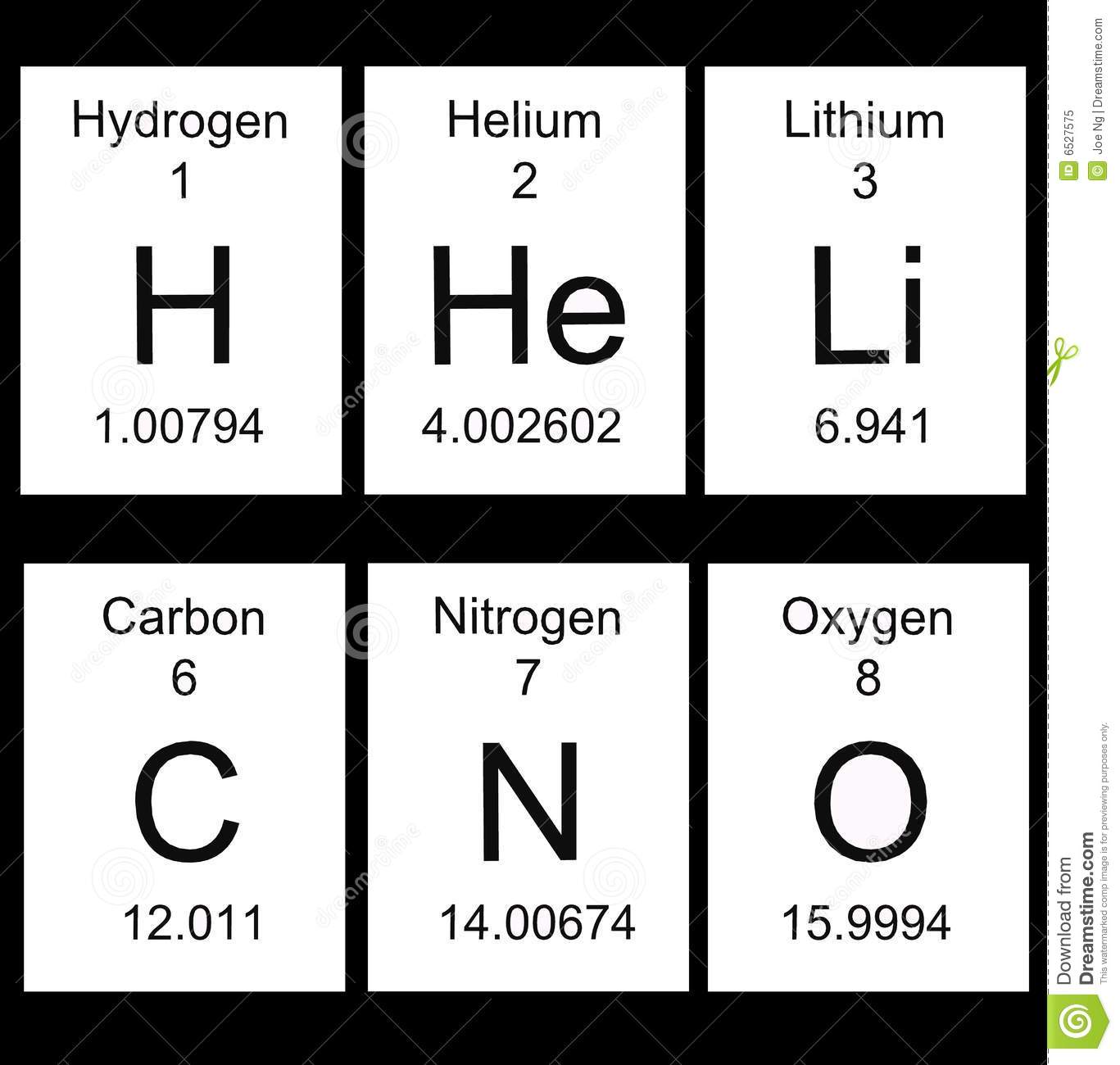
How are symbols for elements written?
numbers
pictures
letters
How many groups and periods does a Periodic Table have?
There are 17 groups and 7 periods.
There are 18 groups and 7 periods.
There are 7 groups and 18 periods.
There are 18 groups and 6 periods
All of the elements in a period have the same number of _____.
energy levels
valence electrons
protons
electrons
All of the elements in a group have the same number of _____.
energy levels
valence electrons
protons
electrons
How many electrons can the first energy level hold?
1
2
8
Unlimited
How many electrons can the second and third (for our intents and purposes) energy levels hold?
1
2
8
Unlimited
An atom has a full first energy level and 7 electrons in its second level. How many electrons does this atom have?
2
7
9
Need more information

An atom has a full first and second energy levels and 6 electrons in its third level. How many electrons does this atom have?
6
8
16
Need more information
According to the Octet Rule, atoms of elements react with each other in order to attain ____ electrons in their outermost energy level or shell.
2
4
6
8
10

Which group already satisfies the Octet Rule and therefore does not bond with other atoms?
Group 1
Group 2
Group 13
Group 18
What is the rule that elements want to have 8 valence electrons?
Octet rule
Octopus rule
Valence electrons rule
Ion rule
What advantage does an element have when it has a full valence energy level of 8 electrons?
Greater mass
having more electrons is like having more money
to over power the effect of the protons
stability
How many valence electrons do atoms want to be stable?
2
8
10
18

Noble gases are...
Happy and stable because they have full valence electrons
Happy BUT UNSTABLE because they are gases
Not happy because they don't want to be noble
Not happy but stable because they are group number 18
Which 2 atoms are EXCEPTIONS to the Octet Rule and only need 2 valence electrons to be stable?
H, Na
H, He
He, Ne
There are no exceptions to the Octet Rule
How do atoms satisfy the octet rule?
They lose or gain protons
They lose or gain neutrons
They lose or gain electrons in the outer most level
They lose of gain electrons from the inner most level

What does Neon need to do fulfill the Octet Rule?
Gain 2 electrons
Lose 2 electrons
Nothing - it already fulfills the Octet Rule.
What part of the atom is involved in chemical reactions?
protons
Neutrons
Outer electrons (valence)
Inner eletrons

