
 Worksheets
Anatomy Biology Practice
Total questions: 140
Worksheet time: 8hrs 40mins
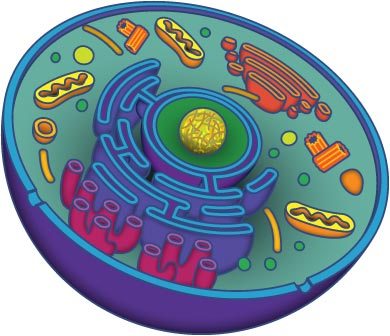
What is the basic structural and functional unit of all living things?
atom
cell
bacteria
animalcules


The 3 parts of the Cell Theory are...?
All living things are composed of cells
Cells are the basic units of structure and function in living things
All cells are produced from other cells
All living things are composed of cells
Cells are the basic units of dance and vibes in living things
All cells are destroyed from other aliens
All living things are composed of Jell-O
Cells are the basic units of structure and function in living things
All cells are produced from factories in Canada
All living things are composed of cells
Cells do karate and practice eating whole pies in their free time
All cells are produced from other cells
What does it mean to say that a cell membrane is semipermeable?
it allows some materials to pass through
it allows nothing to enter the cell, only to leave
It only allows things into the cell and not out
it allows all materials to pass through
What is the function of an organelle?
to take up space
to carry out a specific function in the cell
to carry out all the functions of a cell
to create new cells
What organelle do many ribosomes connect themselves to?
lysosome
mitochondria
endoplasmic reticulum
golgi apparatus
Which organelle uses enzymes to break down waste in a cell?
Lysosome
Ribosome
Chloroplast
Golgi Apparatus
What is the function of the mitochondria?
to capture energy from the sun and turn it to sugar
to release usable energy for the cell
to store energy for when the cell needs it
to remove waste from the cell
What organelle allows plants to create their glucose?
Mitochondira
Lysosome
Ribosome
Chloroplast
Which of the following is not one of the 5 things all cells have?
cell membrane
cytoplasm
DNA
nucleus
What is the difference the key difference between prokaryotic and eukaryotic cells?
Prokaryotes have a nucleus, Eukaryotes do not
Eukaryotes have a nucleus, Prokaryotes do not
Prokaryotes have a cell membrane, Eukaryotes do not
Eukaryotes have ribosomes, Prokaryotes do not
Which of the following organelles do plants have that animals to not? (Select all that apply)
Cell wall
Golgi Apparatus
Endoplasmic Reticulum
Chloroplasts
Ribosomes
Which organelle provides structure and protection to plant cells?
cell membrane
ribosome
golgi apparatus
cell wall
What is the name of the "packages" the golgi body creates?
Vacuoles
Lysosomes
Vesicles
Ribosomes
Which of the following is not part of the nucleus?
Chromatin
Centrioles
Nuclear Envelope
Nuclear Pores
Nucleolus

What type of cell is this?
Plant
Animal
Prokaryote

What type of cell is this?
Plant
Animal
Prokaryote

What type of cell is this?
Plant
Animal
Prokaryote

What is one way in which all living things on Earth are alike?
All living things have hair.
All living things are made of cells.
The cells of all living things have chloroplast.
All living things can move.
The _____________ holds the DNA, and controls the functions of eukaryotic cells.
Nucleus
Nuclear Membrane
Mitochondria
Chloroplast
What is the main difference between prokaryotic and eukaryotic cells?
Prokaryotic cells are found only in multicellular organisms
Eukaryotic cells are found only in unicellular organisms
Eukaryotic cells have a nucleus and prokaryotic cells do not
Prokaryotic cells have DNA and eukaryotic cells do not
Which are componets of Cell Theory?
All organisms are composed of one or more cells
The cell is the basic unit of life
All cells come from preexisting cells
Alll of the above
Chloroplasts are the site of photosynthesis and are found only in _____.
the ocean
in green plants
animals
rocks
A cell wall is an inflexible for support and structure and can only be found in ____.
plants
animals
birds
humans
Centrioles are found only in animal cells. They ____.
Help with cell division
make the ribosomes
carry out chemical reactions and transports materials
are used for locamotion
Which phrase best describes the function of mitochondria?
Located in the cytoplasm
Bacteria-sized organelle
Converts energy for cell use
Contains a folded inner membrane
A school’s cafeteria kitchen has a large, walk-in refrigerator where food is stored for lunch later in the week. Which cell organelle has a function that is similar to the refrigerator?
Vacuole
Nucleus
Chloroplast
Mitochondrion
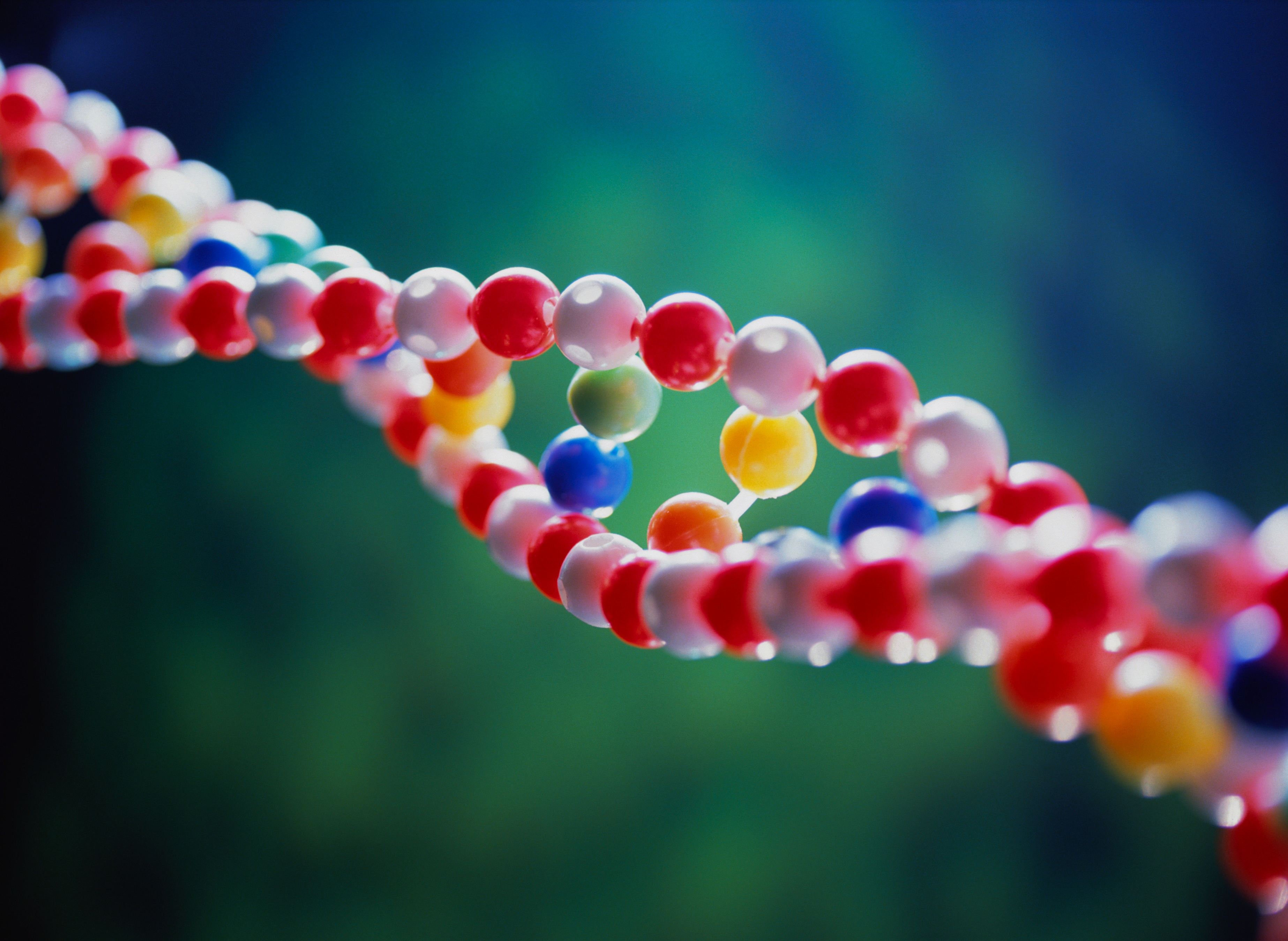
In eukaryotes, which organelle is DNA usually found in?
cell membrane
vacuole
chloroplast
nucleus

Cystosine is always paired with ______________.
Adenine
Thymine
Guanine
It doesn't match with anything
Adenine is always paired with _______________________.
Thymine
Cytosine
Guanine
It doesn't match with anything
The sides of DNA contain
Sugar and phosphate
Sugar and base pairs
Phosphate and base pairs
DNA does not have any sides
The shape of DNA looks like a twisted ladder, known as
helicase
a double helix
a triple helix
DNA is made of ______ strands.
1
2
3
4
DNA coils up into threadlike structures called______.
traits
chromatin
chromosomes
cells
Which of the following is NOT a nitrogen base in DNA?
Adenine
Glucose
Cytosine
Thymine
What scientists used models to find the correct structure of DNA?
Franklin and Hooke
Crick and Einstein
Watson and Crick
Watson and Sherlock
This structure contains the code for life
guanine
uracil
DNA
biomolecules

Guanine, cytosine, adenine, and thymine are
sides of the ladder in DNA
phosphate molecules
nitrogen bases
Chromosomes are found in what part of a cell?
mitochondria
nucleus
cytoplasm
The sides of the DNA molecule (the ladder) are made up of nucleotides. These nucleotides are ____ & ____.
deoxyribose sugar and phosphates
Splenda and phosphates
phosphates and glucose
ATG TGA CAG

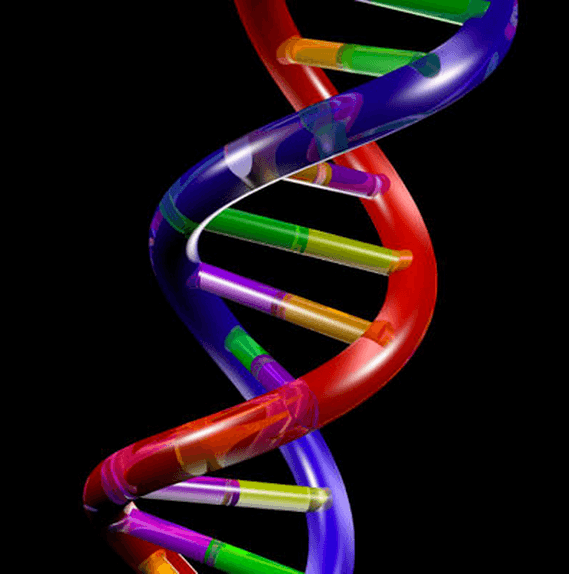

In eukaryotes, which organelle is DNA usually found in?
cell membrane
vacuole
chloroplast
nucleus

What is the purpose of Mitosis?
Growth of an organism and Repair of damaged tissue
To help the body get rid of extra cells
To increase the amount of classwork you have to do
To get rid of the nucleus

What phase is shown here?
G1
S
Prophase
Anaphase
In which stage of the cell cycle does the cell grow in size?
G1
S
G2
Mitosis
Select all stages of interphase?
G1
S
G2
Mitosis
How do you feel about this lecture today? Explain in 2 sentences the steps of the Cell Cycle.
Cells of organisms must go through cell division for?
growth
repair of damaged cells
replacement of dying cells.
All of these
DNA is replicated during ______ of the cell cycle.
Gap 1
Synthesis (S phase)
Gap 2
Gap 0
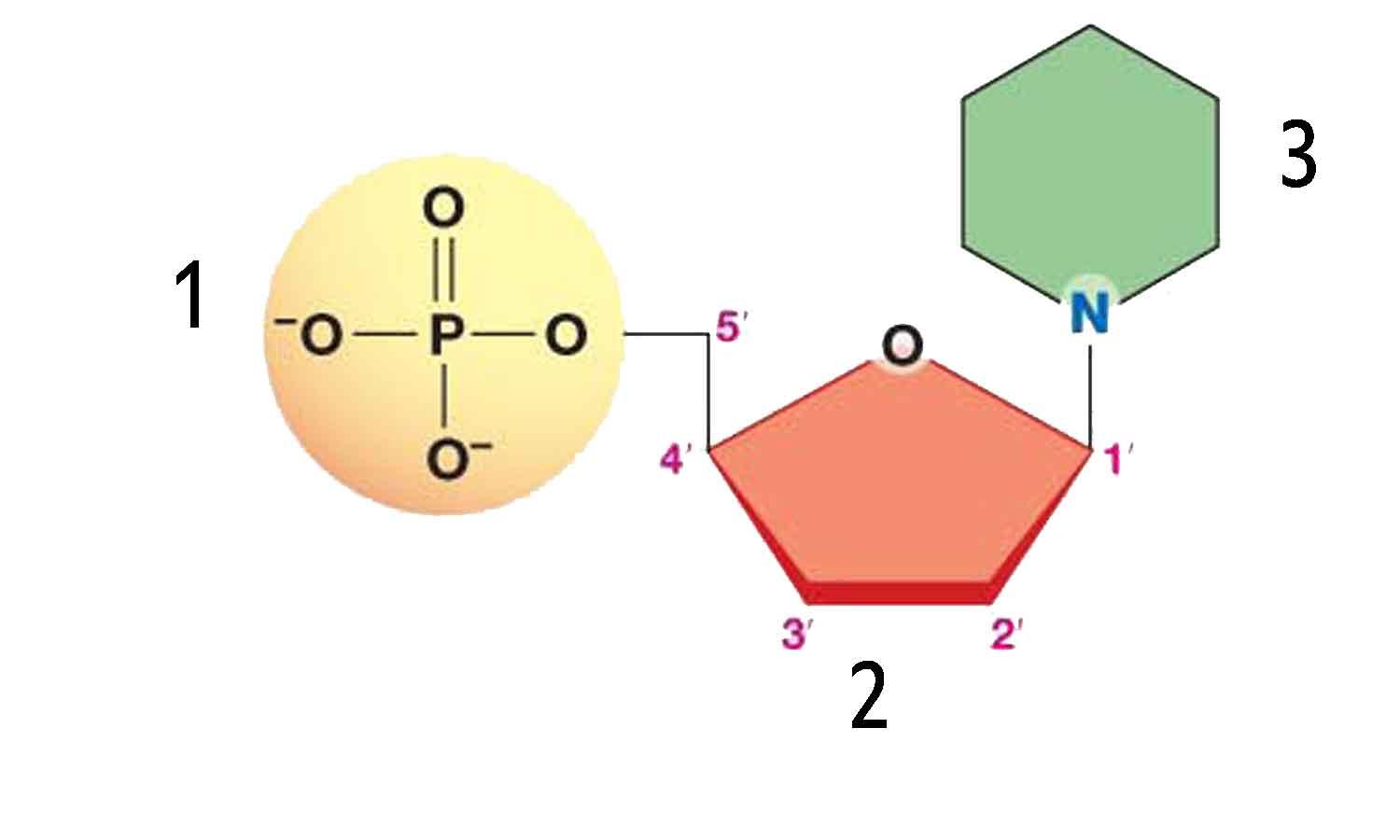
3) Nitrogen Base
2) Phosphate
3) Nitrogen Base
2) Ribose Sugar
3) Nitrogen Base
2) Deoxyribose Sugar
3) Nitrogen Base
Normal cells grow and divide continuously.
During most of interphase, DNA is found in a relaxed form called
chromosome
centromere
centriole
chromatin
During mitosis, DNA is found in the condensed form called a
chromosome
centromere
centriole
chromatin
In prophase of mitosis, chromosomes
form and the nuclear envelope disappears.
are pulled toward opposite ends of the cell.
chromosomes line up along the equator of the cell
chromosomes begin to decondense and the two new nuclei begin to form.
In metaphase of mitosis, chromosomes
form and the nuclear envelope disappears.
are pulled toward opposite ends of the cell.
chromosomes line up along the equator of the cell
chromosomes begin to decondense and the two new nuclei begin to form.
In anaphase of mitosis, chromosomes
form and the nuclear envelope disappears.
are pulled toward opposite ends of the cell.
chromosomes line up along the equator of the cell
chromosomes begin to decondense and the two new nuclei begin to form.
In telophase of mitosis, chromosomes
form and the nuclear envelope disappears.
are pulled toward opposite ends of the cell.
chromosomes line up along the equator of the cell
chromosomes begin to decondense and the two new nuclei begin to form.
After mitosis, the cytoplasm and organelles are divided between the two new forming cells in a process called
centriole
chromatin
cytokinesis
centromere
This process is the programmed death of a cell
stem cell
regulation
apoptosis
cytocide
These undifferentiated cells can become specialized cells after receiving a chemical signal.
stem cells
generic cells
blank cells
empty cells
The cell cycle is regulated by this
cyclins
stem cells
cyclin-dependent kinases
both cyclins and cyclin-dependent kinases
When cells go through mitosis repeatedly without entering interphase, this results
arthritis
cancer
mutation
diabetes
During which phase of meiosis does crossing over occur?
Prophase II
Anaphase I
Telophase II
Prophase I
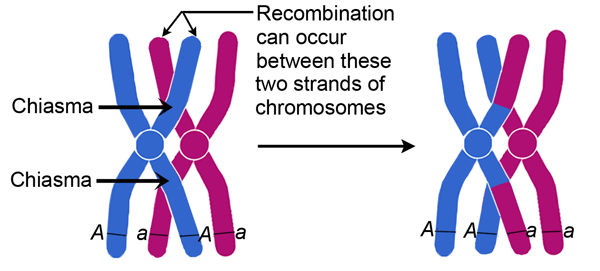

Metaphase 1
Telophase 1
Anaphase 1
Prophase 1

Metaphase 1
Telophase 1
Anaphase 1
Prophase 1

Metaphase 1
Telophase 1
Anaphase 1
Prophase 1

Metaphase 1
Telophase 1
Anaphase 1
Prophase 1
Individual chromatids are being pulled to the poles of two separate cells in:
Telophase I
Metaphase I
Prophase II
Anaphase II
Chromosomes are lined up at the equator, they are arranged in pairs, and attached to the poles by spindle fibres.
Metaphase I
Metaphase II
Anaphase I
Anaphase II
Chromosomes are in pairs and crossing over of chromosomes is occuring. Chromosomes are visible and the nuclear membrane is disappearing.
Metaphase II
Prophase II
Anaphase I
Prophase I
Four daughter cells have been produced, each cell contains individual chromatids.
Telophase II
Anaphase I
Prophase II
Metaphase I


spindle fibers move homologous chromosomes to opposite sides
prophase 1
anaphase 1
telophase 2
metaphase 2
homologous chromosomes pair up and form tetrad
prophase 1
anaphase 1
telophase 2
metaphase 2
nuclear membrane reforms, cytoplasm divides, 4 daughter cells are formed
prophase 1
anaphase 1
telophase 2
metaphase 2
chromosomes line up along the equator, not in homologous pairs
prophase 1
anaphase 1
telophase 2
metaphase 2
crossing-over occurs
prophase 1
anaphase 2
metaphase 1
telophase 1
chromatids separate
prophase 1
anaphase 2
metaphase 1
telophase 1
homologs line up along the equator
prophase 1
anaphase 2
metaphase 1
telophase 1
cytoplasm divides, 2 daughter cells are formed
prophase 1
anaphase 2
metaphase 1
telophase 1

