wayground logo

Free Printable Worksheets

Font size

S
M
L
XL
Worksheets

APES Semester 1 Review

Total questions: 145

Worksheet time: 3hrs 49mins

Name
Class
Date
1.
Which section would see exponential population growth?
a)
1
b)
2
c)
3
d)
4
2.
If a country were doubling its population every 35 years, what would its growth rate be?
a)
1%
b)
2%
c)
4%
d)
8%
3.
The population of the United States is closest to
a)
3.2 x 10⁶ people
b)
3.2 x 10⁷ people
c)
3.2 x 10⁸ people
d)
3.2 x 10⁹ people
4.
The intrinsic growth rate of a population:
a)
directly affects environmental resistance.
b)
causes changes in birth rates without affecting death rates
c)
causes changes in death rates without affecting birth rates.
d)
is the maximum rate at which a population may increase.
5.
If the growth rate r of a population is positive and remains constant, the number of people added to the population
a)
fluctuates randomly.
b)
decreases each year.
c)
reaches carrying capacity.
d)
increases each year.
6.
The most critical factor in controlling human population growth is
a)
controlling reproductive lifespan.
b)
decreasing the age of first birth.
c)
decreasing the average number of births per woman.
d)
decreasing infant death.
7.
The human population is currently following roughly a j-shaped curve.  This means that the population is growing
a)
arithmetically.
b)
sigmoidally.
c)
at a decreasing rate.
d)
exponentially.
8.
Population size can be estimated using the formula
a)
(CBR + Immigration) + (CDR + Emigration)
b)
(CBR + Immigration) - (CDR + Emigration)
c)
(CBR - Immigration) + (CDR - Emigration)
d)
(CBR - Immigration) - (CDR - Emigration)
9.
Even if a country reduces its birth rate and maintains replacement-level fertility, its population will still continue to grow for several decades because of
a)
lower death rates.
b)
increased income.
c)
population momentum.
d)
better health care.
10.
An ecosystem's carrying capacity for a population is determined by all of the following factors EXCEPT
a)
energy.
b)
water.
c)
food.
d)
climatic events, such as tornadoes.
11.
A laboratory experiment followed the growth of a flour beetle population over time.  At first the population increased dramatically but later growth slowed and the population size leveled off.  While food was abundant, it was noticed that flour beetles resorted to eating their own eggs when densities got high.  What can we conclude about cannibalism in this species?
a)
It has no effect on the growth of the population, as food scarcity is clearly the limiting factor here.
b)
It is clearly maladaptive as populations always do best when their densities rise as high as possible.
c)
It serves as a density-dependent means of population control.
d)
It serves as a density-independent means of population control.
12.
A species that plays a major role in determining the structure of its ecological community is
a)
a predator.
b)
a dominator species.
c)
the most abundant species in the community.
d)
a keystone species.
13.
Which of the following characteristics are typical of r-selected species?
I. They produce many offspring in a short period of time.
II. They have very low survivorship early in life.
III. They take a long time to reach reproductive maturity.
a)
I only
b)
II only
c)
III only
d)
I and II
14.
A high intrinsic growth rate would most likely be characteristic of
a)
a K-selected species such as elephants.
b)
an r-selected species such as the American bullfrog.
c)
a K-selected species that lives near its carrying capacity.
d)
a species near extinction.
15.
Worldwide there were 20 births and 8 deaths per 1000 people in 2017. Calculate the growth rate of the world.
a)
1.1%
b)
2.8%
c)
1.2%
d)
1.6%
16.
North Fremont’s population growth rate is 5%.  What is the doubling time for North Fremont?
a)
1.4 years
b)
14 years
c)
140 years
d)
35 years
17.
Why would the government of France want to know the population doubling time?
a)
I. France is is an industrialized country and has an aging population. It would need to provide more healthcare to the elderly.
b)
II. Paris is one of the most densely populated cities in the world. An increasing population would need the infrastructure (roads, schools, hospitals, etc.) to support it.
c)
III. An increasing population would mean increasing energy demand. France will need to come up with long lasting energy solutions (nuclear and alternative energy sources).
d)
I, II and III
18.
The total fertility rate (TFR) is an estimate of:
a)
the number of children that will survive to adulthood
b)
the number of years a typical infant will live
c)
the number of children each woman in a population will have
d)
the number of births per 1000 people per year
19.
A population growing at 10% would double in:
a)
7 years
b)
10 years
c)
15 years
d)
17 years
20.
Use Figure 7-1.  Population A is most likely:
a)
rapidly growing
b)
rapidly declining
c)
stable or close to stable
d)
going to decline in a few decades
21.
Use Figure 7-1.  Population A would most likely be in which stage of demographic transition?
a)
Pre-Industrial
b)
Transitional
c)
Industrial
d)
Post-Industrial
22.
Represents the maximum number of individuals that can be supported by a particular ecosystem on a long-term basis
a)
A
b)
B
c)
D
d)
E
23.
Represents the biotic potential of the species
a)
A
b)
B
c)
D
d)
E
24.
Represents the biotic potential of the species
a)
A
b)
C
c)
D
d)
E
25.
A country with an age distribution like that shown in the figure above, is most likely a country that
a)
Is expecting rapid growth
b)
Is experiencing slow or no population growth
c)
Is experiencing a high death rate
d)
Is a less-developed country
26.
Which of the following is a true statement about replacement-level fertility?
a)
It equals the average number of children a woman will give birth to during her child-bearing years
b)
It equals the annual number of live births per 1,000 people in a population
c)
It equals the natural increase of a population in one year
d)
It is greater in countries with high infant-mortality rates than in countries with low infant-mortality rates
27.
Predation is similar to _______________ in that both types of relationship benefit one of the interacting species while the other is harmed.
a)
commensalism
b)
competition
c)
mutualism
d)
parasitism
28.
If you were studying the niche of a species of bird, you might study 
a)
the food it eats
b)
its predators
c)
the temperature it needs to survive
d)
all of the above
29.
An age structure diagram with roughly similar numbers of individuals in each group is representative of which country?
a)
India
b)
Mexico
c)
Sweden
d)
Venezuela
30.
According to the theory of demographic transition, countries move through growth phases in which order?
a)
stable growth, rapid growth, slow growth, declining growth
b)
rapid growth, slow growth, stable growth, declining growth
c)
slow growth, declining growth, rapid growth, stable growth
d)
slow growth, rapid growth, stable growth, declining growth
31.
Which of the following have contributed to increased family planning worldwide?
  I. women's education
 II. increased income
III. advertising campaigns
a)
I, II, and III
b)
I and II only
c)
I and III only
d)
II and III only
32.
The IPAT equation was developed to estimate
a)
the affluence of a country's population
b)
the rate of demographic transition
c)
the impact of human lifestyles on Earth
d)
the gross domestic product o a country
33.
Which country has the highest infant mortality rate?
a)
Italy
b)
USA
c)
Mexico
d)
Kenya
34.
Which country is the most densely populated?
a)
Pakistan
b)
Brazil
c)
USA
d)
Russia
35.
Which is not a density independent factor?
a)
Climate change
b)
Hurricanes
c)
Clear cutting forests
d)
Parasitism
36.
Which is not a density dependent factor?
a)
Competition
b)
Predation
c)
Volcanic Eruption
d)
Disease
37.
A ____________ is a factor that causes population growth to decrease.
a)
Limiting Factor
b)
Death
c)
Births
d)
Disease
38.
Which organism would represent an R-strategist species?
a)
Oak Tree
b)
Elephant
c)
Trump
d)
Clinton
39.
Which organism would best represent a K-Strategist species?
a)
Ducks
b)
Sea Turtles
c)
Roaches
d)
Wolves
40.
Which organism would best represent a type ll species?
a)
Duck
b)
Human
c)
Roach
d)
Bear
41.
The graph on the right best represents which country?
a)
USA
b)
Mexico
c)
Nigeria
d)
India
42.
Population distribution is
a)
often clumped in response to predation
b)
used by wildlife managers when regulating hunting and fishing
c)
measured relative to other species
d)
uniform in most tree species
43.
An r-selected species characteristically has
a)
a type I survivorship curve
b)
few offspring
c)
a population near carrying capacity
d)
a fast population growth rate
44.
Which is true of a population overshoot?
a)
it occurs when reproduction quickly responds to changes in food supply
b)
it is followed by a die-off
c)
it is most likely to be experienced by K-selected species 
d)
it rarely occurs in species with type III survivorship curves
45.
Resource partitioning 
a)
occurs in mutualism
b)
can occur through morphological differences between competing species
c)
can cause the extinction of a competing species
d)
does not occur among competing predators
46.
Which biogeochemical cycle does not contain an atmospheric stage?
a)
Sulfur
b)
Carbon
c)
Nitrogen
d)
Phosphorus
47.
What is a secondary succession? 
a)
a regular pattern of changes over time in the types of species in a community
b)
succession that occurs on a surface where an ecosystem has previously existed 
48.
How does the hydrosphere interact with the carbon cycle?
a)
carbon dissolves in water and evaporates into air
b)
nitrogen dissolves in water and evaporates into air
49.
Where does some water from the water cycle collect underground?
a)
Oceans
b)
Ponds
c)
Aquifers
d)
The Sun
50.
Autotrophs are considers ?
a)
Consumers
b)
Producers
c)
decomposers
d)
scavangers 
51.
Decomposers 
a)
Release Oxyen
b)
Recycle Nutrients 
c)
Don't break down waste
d)
Scavange 
52.
What is the term for each step in the transfer of energy and matter within a biological community?
a)
energy path
b)
food web
c)
trophic level
d)
food pyramid
53.
If a disease were to infect frogs and kill them off what would be the likely impact of this system?
a)
Decrease the amount of flies
b)
Increase the amount of frogs
c)
Decrease the amount of algae
d)
Increase the amount of algae
54.
If only 10% of the energy transfers to the next level where does the 90% go??
a)
Chemical energy
b)
Kinetic energy
c)
Thermal (heat) energy
d)
Mechanical energy
55.
The full potential range of the physical, chemical, and biological factors a species can use if there is no competition from other species
a)
Fundamental niche
b)
Reliazed Niche
56.
This occurs on a surface where an ecosystem previously existed
a)
Secondary succession
b)
Primary succession
c)
Ecological succession
d)
Parallel evolution
57.
Have large effects on ecological community
a)
Foundations Species
b)
Indicator Species
c)
Keystone Species
58.
What are lichens?
a)
One of the first pioneers to colonize in Secondary Succession
b)
The first organisms to colonize any newly available area(s) in Primary and Secondary Succession
c)
One of the first pioneers to colonize in Primary Succession
d)
Tiny animals that grow on rocks
59.
how are humans altering the carbon cycle? 
a)
i don't know
b)
burning a lot of fossil fuels which increase carbon dioxide  
c)
by farting
60.
Human activities alter the water cycle by... 
a)
Withdrawing large amounts of freshwater
b)
Clearing vegetation and eroding soils
c)
Polluting surface and underground water
d)
All of the choices 
61.
The graph above represents the population growth of an herbivore population over several generations.  Which of the following is most likely a reason for the continuous rising and falling (line C) experienced by the population?
a)
Weather related events that start forest fires
b)
Hunting by humans during particular seasons
c)
Density of population causes vegetation to become limited
d)
A change in the climate of the forest ecosystem
62.
Of the following, which occupies the lowest trophic level?
a)
Spider
b)
Bat
c)
Rabbit
d)
Tiger
63.
Birds live and eat in different areas of the same tree and avoid having the same niche.  This is known as
a)
resource partitioning
b)
competitive exclusion
c)
Intraspecific competition
d)
Interspecific competition
64.
No two species can occupy the same niche without one being driven to extinction
a)
competitive exclusion
b)
resource partitioning
c)
Intraspecific competition
d)
allelopathy
65.
The first organisms that appear in an ecological community
a)
ecological succession 
b)
primary succession 
c)
secondary succession
d)
pioneer speciles
66.
The final stable community of plants and animals is called:
a)
pioneer community
b)
farmland
c)
climax community
d)
old field
67.
What type of succession is shown going from figure A to figure B?
a)
primary succession
b)
eutrophication
c)
secondary succession
d)
intermediate
68.
A drought has hit this grassland biome. How will this effect the rabbit population?
a)
The rabbits will increase in number.
b)
The rabbit population will stay the same.
c)
The rabbit population will decrease.
d)
The rabbit population will become extinct immediately.
69.
Select the key processes involved in the carbon cycle
a)
neutralization, leaching and breathing.
b)
photosynthesis, respiration and combustion.
c)
volcanic eruptions, hydrogen burning, and death.
d)
protein production, and precipitation.
70.
Regions of Earth that are defined by their climate and the unique plants & animals that live there
a)
biome
b)
ecosystem
c)
environment
d)
niche
71.
The role an organism plays in its ecosystem
a)
niche
b)
behavior
c)
structure
d)
function
72.
The rate at which photosynthetic primary producers incorporate energy from the sun is called
a)
Gross Primary Production
b)
Photosynthetic Primary Production
c)
Net Primary Production
d)
Primary Production
73.
Which is true about Allopatric and/or Sympatric Speciation?
a)
In allopatric sp., members of the pop live in the same land
b)
In sympatric sp., members of the pop live in the same land
c)
Speciation takes longer in allopatric situations
d)
There are very few examples of sympatric speciation
74.
Why are advantageous traits more likely to be passed onto offspring?
a)
Because they are more likely to survive and reproduce.
b)
Because they come from dominant alleles.
c)
Because they come from recessive alleles.
d)
Because the trait is an acquired phenotype.
75.
The creation of a new species is known as what?
a)
speciation
b)
natural selection
c)
survival of the fittest
d)
inherited traits
76.
New species develop naturally through the process of what?
a)
natural selection
b)
artificial selection
c)
dominant alleles
d)
phenotypes
77.
Metamorphic rocks are formed through 
a)
Cementation and compaction 
b)
Volcanic eruption 
c)
Weathering and erosion 
d)
Heat and pressure 
78.
This rock was formed by lots of fossils that settled on top of each other over time. What type of rock is this?
a)
Sedimentary
b)
Igneous
c)
Metamorphic
79.
This rock cooled on the outside of a volcano and contained air bubbles when it was forming. What type of rock is this?
a)
Sedimentary
b)
Igneous
c)
Metamorphic
80.

The Mid-Ocean Ridge is associated with - _________ plate movement

a)

divergent

b)

convergent

c)

transform

d)

subduction

81.

The Hawaii Islands are associated with what two geographic terms.

a)

hot spot

b)

island arc

c)

divergent boundary

d)

transform boundary

82.

The crust is also known as the -

a)

lithosphere

b)

athenosphere

c)

troposphere

d)

stratosphere

83.

The three main elements in the Earth's crust (lithosphere) are-

a)

oxygen

b)

aluminum

c)

silicon

d)

iron

84.

The Cascade mountains and Andes mountains are created at a _______________ zone. The oceanic plate slides beneath the continental plate.

a)

subduction

b)

divergent

c)

transform

85.

Created by convergent continental plates.

a)

Himalayas

b)

Andes

c)

Rocky Mountains

d)

Cascade Mountains

86.

The "Ring of Fire" is located in this ocean basin.

a)

Pacific

b)

Pacifier

c)

Atlantic

d)

Indian

87.

Responsible for the movement of the plates.

a)

convection currents

b)

open ocean currents

c)

convergent currents

88.

Volcano that erupted in Washington State in May of 1980.

a)

Mt. St. Helens

b)

Mt.Rushmore

c)

Mt. Mauna loa

d)

Mt. Cinpinula

89.

Plate boundary associated with the Fukashima disaster in Japan.

a)

subduction

b)

divergent

c)

transform

90.

The following picture represents

a)

divergence

b)

convergence

c)

subduction

d)

transform

91.

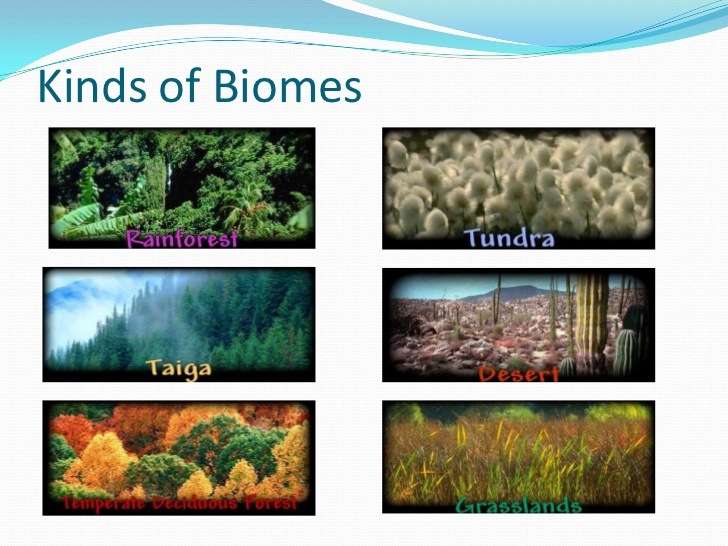
What is the main factor that separates (determines) the biomes?

a)

Land

b)

Water

c)

Climate

d)

Longitude

92.
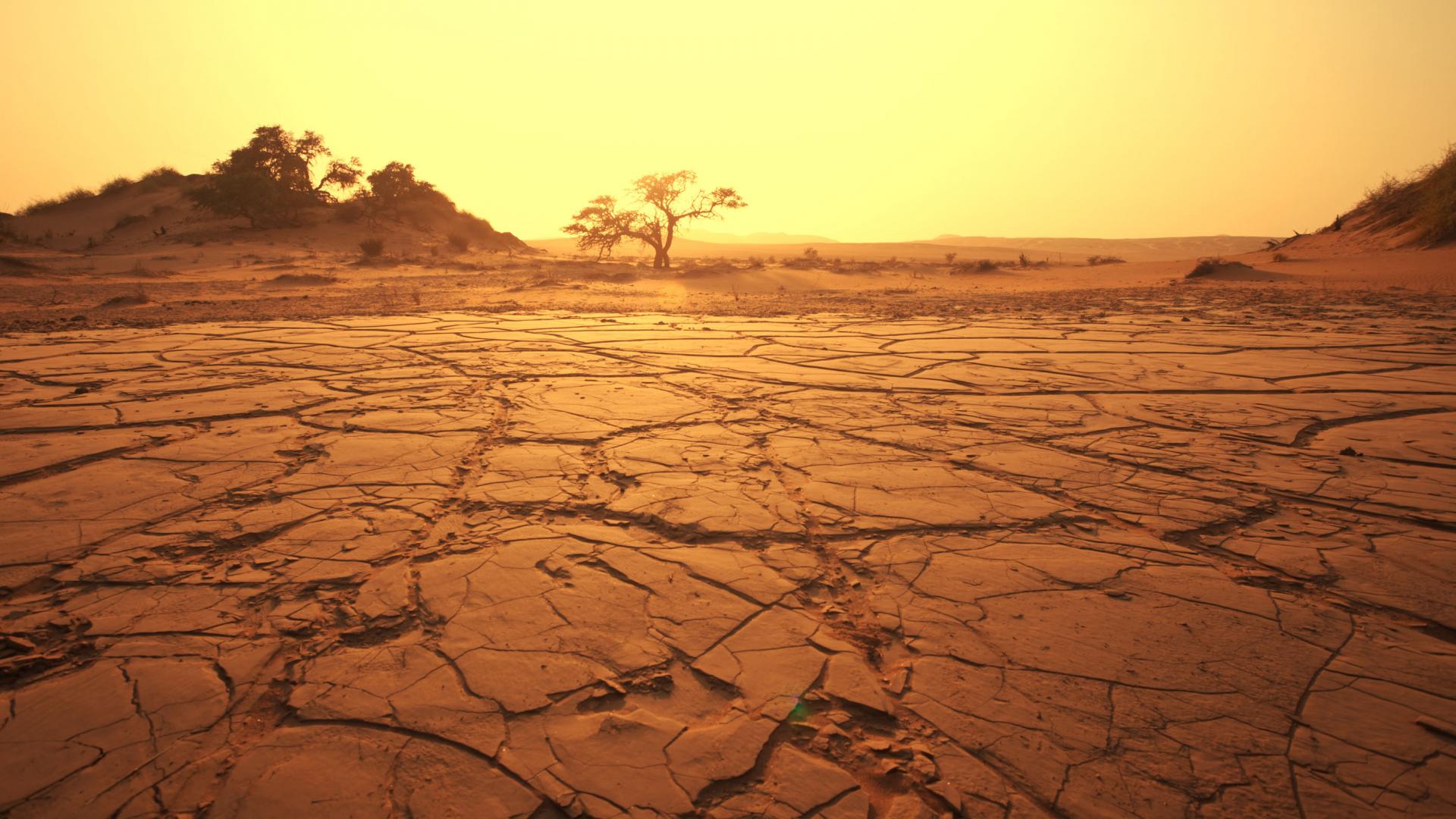
Which biome is the driest?
a)
Desert
b)
Tundra
c)
Taiga
d)
Rainforest
93.
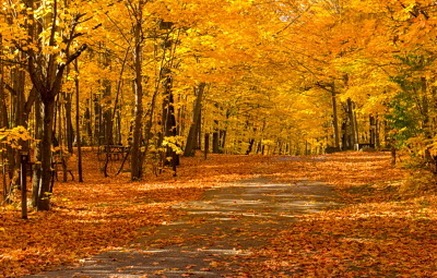
Which biome has deciduous trees (which lose their leaves)?
a)
Temperate Forest
b)
Rainforest
c)
Grasslands
d)
Taiga
94.
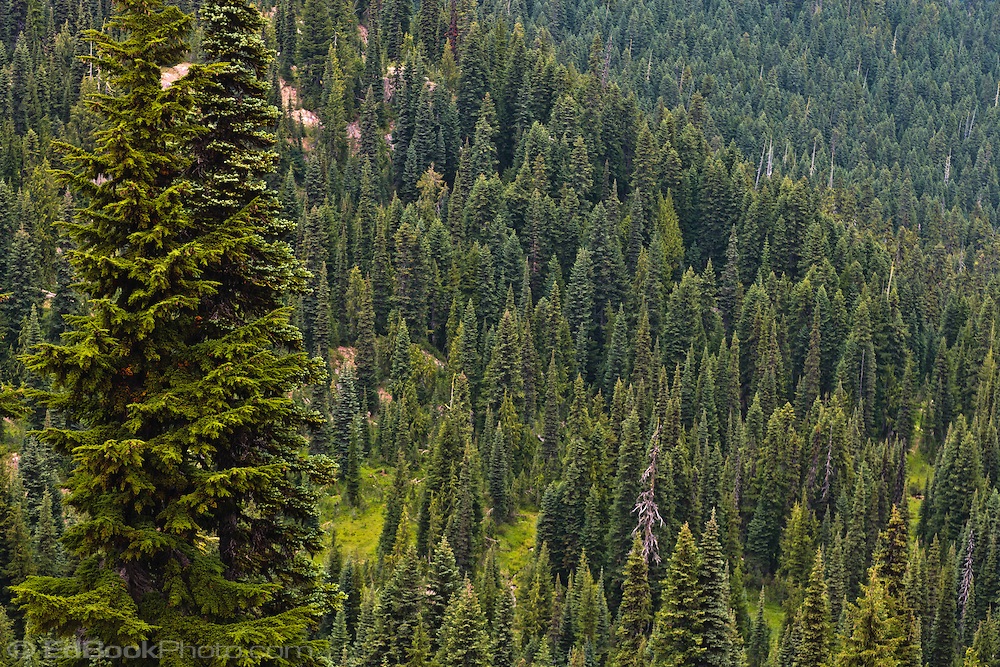
Which biome has coniferous trees (which don't lose their leaves)?
a)
Taiga
b)
Temperate Forest
c)
Tundra
d)
Grasslands
95.
Which biome has wide-open fields of grass?
a)
Taiga
b)
Grasslands
c)
Temperate Forest
d)
Rainforest
96.
Which biome has the most variety of plants and animals?
a)
Temperate Forest
b)
Rainforest
c)
Tundra
d)
Grasslands
97.
Which biome has 4 seasons?
a)
Taiga
b)
Tundra
c)
Grasslands
d)
Temperate Forest
98.
In which 2 biomes can only plants/animals with adaptations survive?
a)
Taiga/Temperate Forest
b)
Grasslands/Desert
c)
Tundra/Desert
d)
Rainforest/Tundra
99.
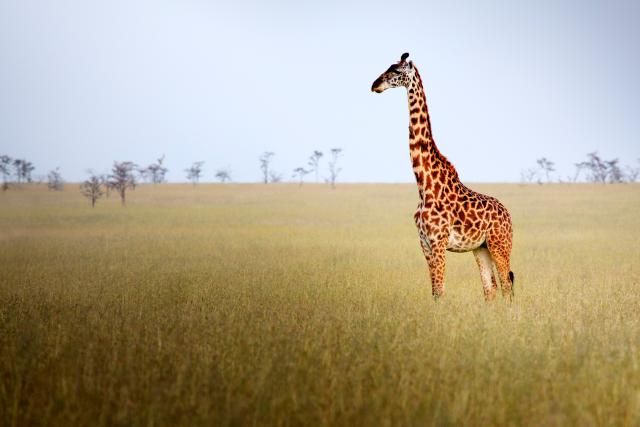
Which biome is home to lions, zebras, wildebeests, giraffes, and elephants?
a)
Grasslands
b)
Tundra
c)
Rainforest
d)
Temperate Forest
100.
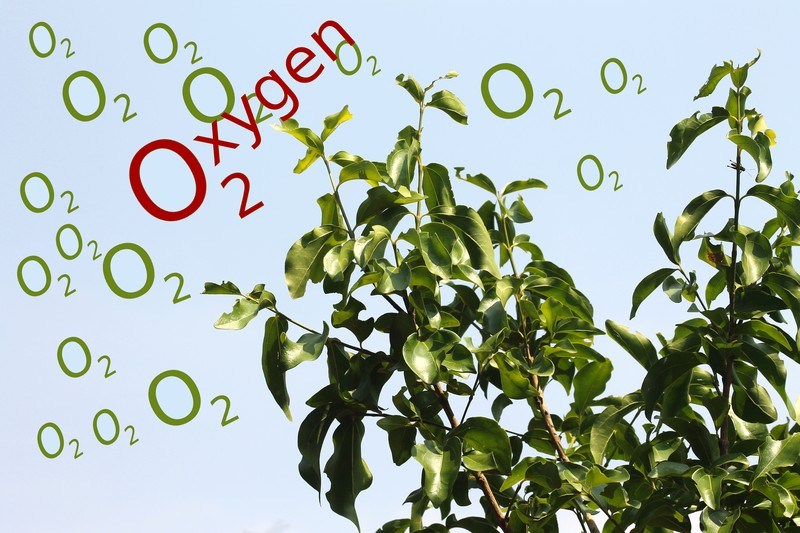
Which biome produces over 50% of the world's oxygen?
a)
Rainforest
b)
Temperate Forest
c)
Grasslands
d)
Taiga
101.
Which biome receives between 0 to 25 centimeters of rain per year, has a temperature range of 0 to 50 degrees Celsius, has poor soil, and is home to lizards, scorpions, and snakes?
a)
desert
b)
mountain
c)
taiga
d)
tundra
102.
Which biome receives between 0 and 25 centimeters of precipitation each year, has a temperature range from -27 to 5 degrees Celsius, has frozen soil, and is home to hares, caribou, and wolves?
a)
desert
b)
mountain
c)
savannah
d)
tundra
103.
The most important abiotic factors when studying biomes are...
a)
Food and Water
b)
Water and Sunlight
c)
Temperature and Oxygen
d)
Water and Temperature 
104.
Lake area near shore; shallow, with rooted plants
a)
littoral
b)
profundal
c)
limnetic
d)
benthic
105.
Natural sponges that absorb, store water from storms; provide a variety of wildlife habitats
a)
wetlands
b)
prairie
c)
forests
d)
steppe
106.
The single-celled algae found in aquatic ecosystems are known as
a)
phytoplankton.
b)
zooplankton.
c)
seaweed.
d)
kelp.
107.
Threats to forest ecosystems include
a)
Unsustainable cutting/ burning of forests
b)
Disease & insects
c)
Climate change
d)
All of these
108.
Forests that have trees that appear to be in uniform rows are most likely
a)
second-growth forests
b)
primary forests
c)
tree farms or commercial forests
d)
the result of forest fire
109.
Forests provide all of these ecosystem services except
a)
increase CO2 in the carbon cycle
b)
influence climate
c)
store atmospheric carbon
d)
provide health benefits
110.
The removal of mature trees in an area, either individually or in small groups is
a)
strip cutting
b)
selective cutting
c)
clear-cutting
d)
tree harvesting
111.
Clear-cutting can result in 
a)
increased water turbidity of streams & rivers nearby
b)
a reduction in forest biodiversity
c)
increased flooding
d)
All of these
112.
What is the concentration of a particular wild aquatic species suitable for commercial harvesting 
a)
aquaculture
b)
fishery
c)
hydroponics
d)
commercial fishing
113.
Protecting and preventing the overuse/degradation of forests, grasslands, & nature reserves on land
a)
terrestrial ecosystem management
b)
sustainable agriculture
c)
aquatic ecosystem management
d)
natural parks
114.
The current percentage of Earth's land designated as nature reserves
a)
1%
b)
13%
c)
20%
d)
30%
115.
A stand of trees resulting from secondary ecological succession
a)
Second-growth forest
b)
Primary forest or old-growth forest
116.
An uncut or regenerated forest that has not been seriously disturbed by human activities or natural disasters for several hundred years or more
a)
Primary forest or old-growth forest
b)
Second-growth forest
117.
Removal of which of the following will result in the greatest change(s) in an ecosystem?
a)
indicator species
b)
keystone species
c)
foundation species
d)
threatened species
118.
A species of lizard has gone extinct. This could be due to any reason EXCEPT:
a)
increased genetic diveristy within the species
b)
inbreeding
c)
climate change
d)
habitat destruction
119.
Select the statement that is NOT a reason why protecting marine biodiversity is difficult. 
a)
human eco footprint is expanding
b)
much of the damage is not visible to most people
c)
much of the global ocean area lies outside the boundaries of any country
d)
there is no scientific understanding of what needs to be done
120.
Which method has the most destructive effects on the seafloor?
a)
dredging
b)
gill nets
c)
purse seines
d)
traps & pots
121.
Pangolins are illegally hunted, decreasing the population. Their scarcity makes them more valuable, so hunting increases. This is a(n):
a)
negative feedback loop
b)
mutualistic relationship
c)
positive feedback loop
d)
commensalistic relationship
122.
CITES is a(n):
a)
regulation controlling the introduction of exotic species
b)
pact that supports critical habitats that support wildlife
c)
treaty controlling the international trade in endangered species
d)
international organization to preserve endangered species
123.
When it appears that it is no longer profitable to continue fishing as a result of overfishing, the fish populations are said to be
a)
functionally extinct
b)
biologically extinct
c)
ecologically extinct
d)
commercially extinct
124.
HIPPCO is an acronym that aids in remembering
a)
threats to the world's biodiversity
b)
African animals that are threatened with extinction
c)
the organizations working to save threatened species
d)
the names of endangered species
125.
Which is NOT a strategy to reduce fire-related harm to forests and people?
a)
set small, contained surface fires in high-risk forest areas
b)
encourage growth of young trees and underbrush
c)
thin a zone of 60 meters around homes in fire prone areas
d)
allow fires on public lands to burn as long as they don't threaten lives
126.
Unfenced grasslands that supply forage for grazing animals are called:
a)
pastures
b)
rangelands
127.
Which is NOT a method of grassland restoration?
a)
use of portable fences to confine cattle to certain areas
b)
suppressing growth of invasive plants by using narrow-spectrum herbicides
c)
removal of native grasses to reduce growth
d)
rotation of watering holes and feeding areas
128.
Salmon farming threatens the health of wild salmon stocks because:
a)
farmed salmon compete with wild salmon for spawning sites
b)
farmed salmon can spread parasites and disease to wild salmon
c)
salmon farming prevents commercial fishing fleets from overharvesting wild salmon
d)
farmed salmon contain chemicals derived from food additives that may be harmful to human consumers
129.
The time it takes to use a certain fraction, usually 80%, of the known or estimated supply of a nonrenewable resource
a)
country time
b)
depletion time
c)
reduction time
d)
exclusion time
130.
Type of surface mining that uses explosives, massive shovels, and even larger machinery called drag lines to expose seams of coal underneath
a)
mountaintop removal
b)
area strip mining
c)
contour strip mining
d)
open-pit mining
131.
Part of a metal-yielding material that can be economically and legally extracted at a given time
a)
geology
b)
mineral
c)
lithosphere
d)
ore
132.
Layer of soil and rock overlying a mineral deposit
a)
underburden
b)
overburden
c)
lithosphere
d)
asthenosphere
133.
Process in which a desired metal is separated from the other elements
a)
high-grade ore
b)
spoils
c)
ore
d)
smelting
134.
Extraction of a metal ore or fuel resource such as coal from a deep underground deposit
a)
open-pit mining
b)
contour strip mining
c)
surface mining
d)
subsurface mining
135.
Tailings are
a)
minerals found in metamorphic rock
b)
magma ore resulting from seafloor spreading
c)
the remaining supply of metals on Earth
d)
the waste material from mining
136.
Reclamation is.....
a)
not required in the US.
b)
a process that causes significant environmental damage.
c)
returning the land back to its original condition after mining
d)
required for every country and every type of mine in the world.
137.
Acid mine drainage causes
a)
air pollution
b)
water pollution 
c)
subsidence
d)
erosion
138.
The _____ sets standards to minimize the surface effects of coal mining on the environment.
a)
Clean Water Act
b)
Comprehensive Response Compensation and Liability Act (1980)
c)
Surface Mining Control and Reclamation Act of 1977
d)
Safe Drinking Water Act
139.
Acid mine drainage is cause by which element?
a)
carbon
b)
sulfur
c)
nitrogen
d)
boron
140.
 Which type of mining is associated with disturbing more land?
a)
Surface mining 
b)
Sub-surface mining
c)
Mining in the oceans
141.
What is one goal of the Surface Mining Control and Reclamation Act?
a)
To require companies to replace the resources they have removed from the Earth.
b)
Require companies to have money upfront before they can begin mining.
c)
Eliminate acid drainage
142.
When machines dig very deep large holes with machines is the definition of: 
a)
Open Pit Mining 
b)
Strip Mining 
c)
Surface Mining 
d)
Subsurface Mining
143.
Which regulation allowed miners to claim any land, even government owned and mine it
a)
General Mining Act of 1872
b)
Mineral Leasing Act of 1920
c)
Surface Mining Control and Reclamation Act
144.
Which regulation requires miners to clean up after themselves and attempt to restore land to the way it was before mining?
a)
General Mining Act of 1872
b)
Mineral Leasing Act of 1920
c)
Surface Mining Control and Reclamation Act
145.
Smelting is when the mineral being mined is 
a)
isolated
b)
heated or reacted with chemicals
c)
reclaimed
d)
left in tailings