
 Worksheets
Coasts and Mineral Cycles
Total questions: 148
Worksheet time: 5hrs 56mins


The erosional landform above is a
alluvial fan
talus hill
mesa
cinder cone
What type of changes does erosion cause?
Physical changes
Chemical changes
Electrical changes
Magnetic changes
Erosion occurs when natural forces alter the landscape. What does it mean to alter a landscape?
To blow dust around
To change what land looks like
To deposit silt at the mouth of a river
To create a floodplain
Which rock is known to dissolve in water?
Sulfur
Granite
Limestone
Run- off is when rain soaks into the ground
True
False
Deposits at the end of a river form a ________________
mouth
source
delta

A landform made of sediment that is deposited where a river flows into an ocean or lake is called a...
sea cave
mountain
delta
What is erosion?
a process that wears away surface material
wind currents in the upper atmosphere
ocean currents near the surface
a process of mountain building
Which force causes erosion to occur?
nuclear
electrical
gravity
magnetic
Sand on a streambed is an example of ___________.
weathering
slumping
rock formation
deposition
Slumps, creeps, rockfalls, rock slides, and mudflows are examples of __________.
erosion from wind
deposition
mass movement
soil formation
What is the main difference between a creep and a slump?
the direction along a slope that the movement occurs
the type of material that is moved
the speed at which the movement occurs
the distance over which the material is moved
What effect does vegetation have on erosion?
it speeds erosion up
it increases the possibility of mass movement
it resists erosion
it has no effect whatsoever
All glaciers __________.
are found near the north pole
move quickly
melted at the end of the last ice age
move under their own weight
What is plucking?
when rocks, gravel, and sand are moved by a glacier
when wind erosion moves large objects
when water in a stream causes rocks to move downhill
when a glacier pulls a tree from its roots
What is till?
large pieces of glacier sediment
a mixture of different-sized glacier sediment
small pieces of glacier sediment
grooves left in the land from a glacier
In an outwash deposit, which types of sediment drops first?
smallest
medium-sized
all are dropped at the same time
largest
Which is not a glacial deposit?
esker
delta
moraine
outwash
What type of glacier is Antarctica covered with?
valley
flat
smooth
continental
What type of valleys are made by valley glaciers?
V-shaped
flat
streambed
U-shaped
How is wind different from other erosional forces?
wind only moves sediment over small areas
wind does not shape the land
wind does not move heavy objects
wind is not strong
How does wind abrasion work?
sediment is blown off a surface from wind
wind-blown sediment strikes a surface
wind blows large chunks of rock off a surface
sediment falls off of a surface on its own
Which type of windstorm requires the weakest wind?
sandstorm
gravel storm
dust storm
tornado
Which type of land suffers the least from wind erosion?
desert
forest
beach
plowed fields
How do roots stop erosion?
they lock wind from the soil
the loosen soil
the lift up sediment
the hold sediment into place
Which sediment has the smallest grain?
dust
gravel
sand
loess
Which causes dunes to form?
glacial deposits
mountain building
wind
deposits from streams
____________ happens when wave energy is low.
Erosion
Transportation
Deposition
Deposition is...
... the wearing away of the land.
... the movement of sediment from one location to another.
... the accumulation (build up) of sediment.
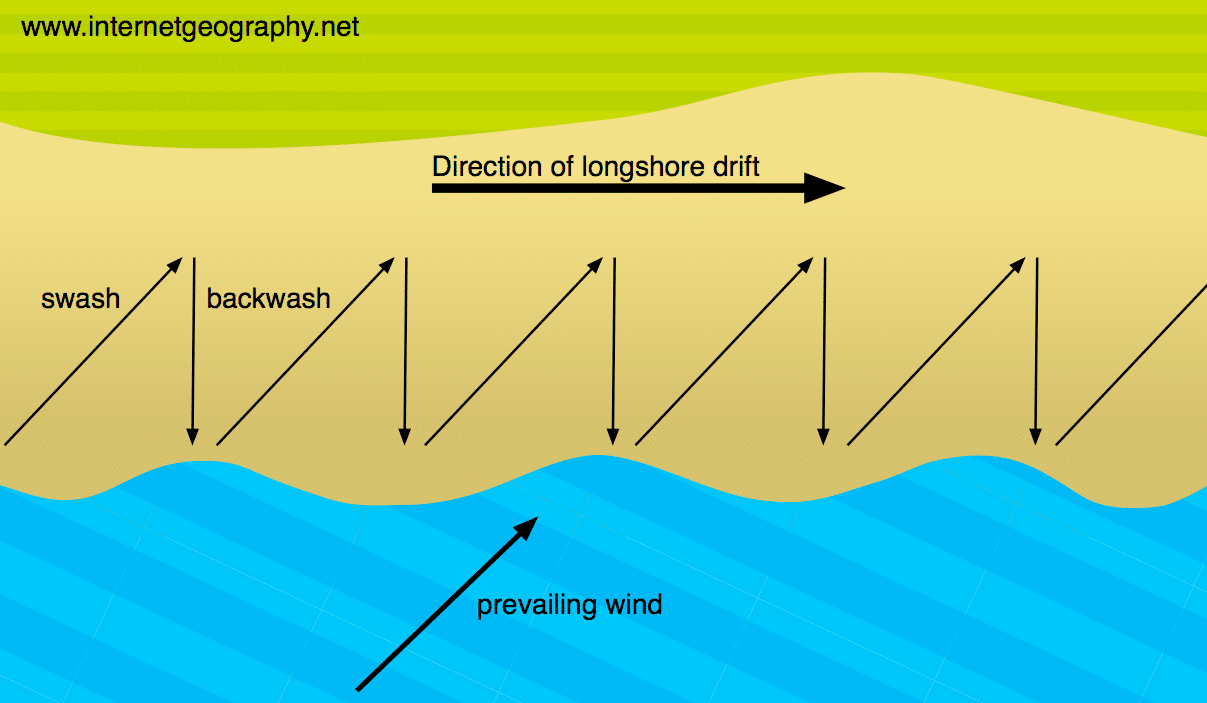
The diagram shows the process of longshore drift. Why do the wave swashes approach the beach at an angle?
Gravity
Wind direction
The moon
The diagram shows the process of longshore drift. Why does backwash run down the beach at an 90°?
Gravity
Wind direction
The moon
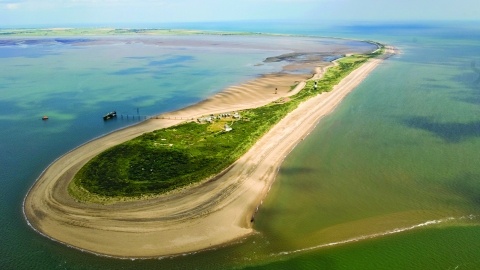
This is an example of a (a) .
This example is (a) Point in North East England.
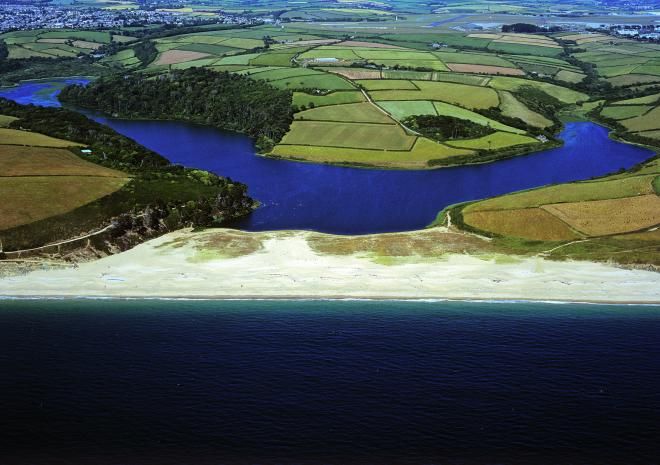
A good example of a bar is (a) Bar near Porthleven in Cornwall.
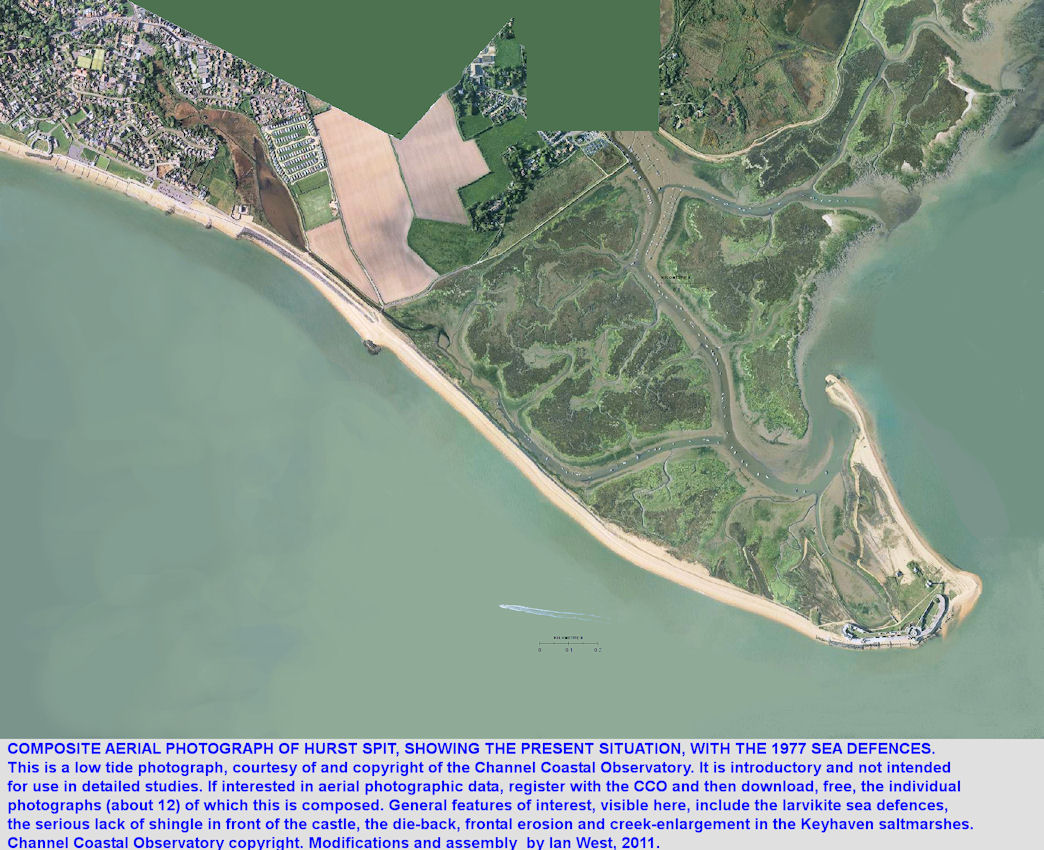
What type of habitat forms behind a spit?
Pond
Lagoon
Salt Marsh
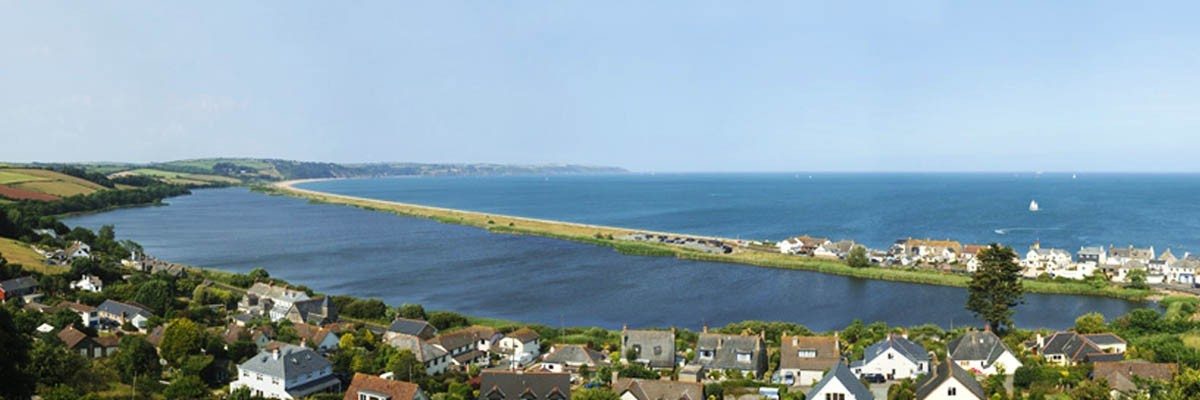
The body of water trapped by a bar is called what?
Pond
Lagoon
Salt Marsh
Spits, bars and tombolos are formed when the coastline changes _____________, but longshore drift continues.
direction
height
rock type
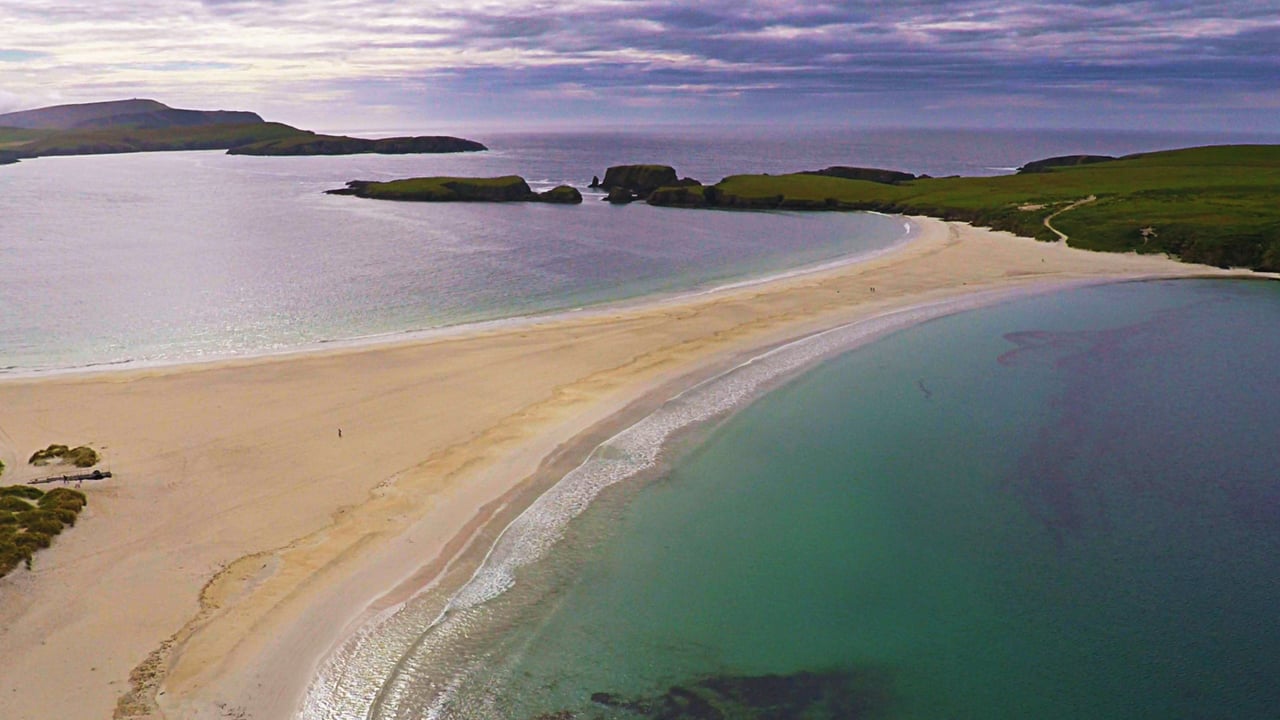
A tombolo, such as at St Ninian's in the Shetland Isles, is a beach the joins the mainland to an (a) .
Mushroom rocks are found in.
(a)
Ox bow lakes are found in river
(a)
------- are “rivers” of ice.
(a)
The highest waterfall is----- Falls of Venezuela in--------- America.
(a)
Sudden movements in the earth interior are cause due to ----------
(a)
The molten magma inside the earth moves in a circular manner.
true
false
Beach is an erosional feature of sea waves.
true
false
Moraine is a depositional feature of a glacier.
true
false
Volcano is caused by the sudden movements of the earth.
true
false
The strength of the earthquake increases away from the centre.
true
false
Moraine is the depositional feature of a glacier.
true
false
What are the major agents of erosion?
Water
wind
ice
Define loess?
When sand is deposited in large areas, it is called loess.
When sand is deposited in small areas, it is called loess.
What is vent?
The arrow opening of a volcano is called vent.
The narrow opening of a volcano is called vent.
What is a seismograph?
An earthquake is measured with a machine called a seismograph.
An volcano is measured with a machine called a seismograph.
What is the name of the scale used to measure earthquakes?
The magnitude of the earthquake is measured on the Richter scale.
The magnitude of the earthquake is measured on the set squar
Write some examples of coastal landforms?
sea caves
sea cliff.
stacks
sea arches
Write names of a few rivers of the world that form a delta.
Ganga-brahmaputra
Zaire
Murray-Darling
Amazon
Murray-Darling
What are distributaries?
coastal landforms are sea caves, sea arches, stacks and sea cliff.
Plates move because of the movement of the molten magma inside the earth.
The river begins to break up into a number of streams called distributaries.
Why do the plates move?
the movement of the molten magma inside the earth.
The river begins to break up into a number of streams
How are beaches formed?
when the sea waves deposit sediments along the shores.
when the ocean waves deposit sediments along the shores.
What is erosion?
Erosion is the wearing away of the landscape by different agents like water, wind and ice.
Erosion is the wearing away of the landscape by different agents like water ocean sea
What are meanders?
broken into a number of plates
As the river enters the plain it twists and turns forming large bends known as meanders.
when the sea waves deposit sediments along the shores.
What are Lithospheric plates?
The lithosphere is broken into a number of platues known as the Lithospheric plates.
The lithosphere is broken into a number of plates known as the Lithospheric plates.
How much do lithospheric plates move in a year?
move around very slowly – just a few millimetres each year.
move around very fast – just a few metres each year.

Is this a spit, bar or tombolo?
Spit
Bar
Tombolo

Is this a spit, bar or tombolo?
Spit
Bar
Tombolo

Is this a spit, bar or tombolo?
Spit
Bar
Tombolo

Is this a spit, bar or tombolo?
Spit
Bar
Tombolo

Is this a spit, bar or tombolo?
Spit
Bar
Tombolo

Is this a spit, bar or tombolo?
Spit
Bar
Tombolo

Is this a spit, bar or tombolo?
Spit
Bar
Tombolo

Is this a spit, bar or tombolo?
(There are two shown in this map)
Spit
Bar
Tombolo
When water is heated in the ocean by the sun and turns into water vapor
Condensation
Evaporation
Transpiration
When plants give off drops of water it is called
Transpiration
Evaporation
Condensation
Forms of precipitation are
only sleet and snow
rain, sleet, snow, and hail
only dew, mists, and rain
When water flows back into the ocean it is called
run-off
transpiration
precipitation
After condensation, the droplets of water in the clouds fall to Earth in different forms...
precipitation
condensation
evaporation
Most evaporation in the water cycle happens in oceans because
they are the largest bodies of water
they contain salt
they have ice in them
The sun's energy
changes daily
heats the ocean before evaporation
directly causes evaporation
The ________________ is the driving force of the Earth's weather
moon
stars
sun
When drops of water fall down from the sky...
evaporation
condensation
precipitation
Precipitation occurs because
the droplets evaporate in the air
the droplets are too light for the air to hold
the droplets are too heavy for the air to hold
When water vapor is cooled and forms droplets...
condensation
evaporation
transpiration
The water cycle has not start or end
true
false
Clouds contain water vapor
true
false
When tiny droplets of water form in the air it is called
precipitation
evaporation
condensation
The sun drives the water cycle by
heating the ocean
rotating on its axis
giving light to plants
When water turns into a gas...
condensation
evaporation
precipitation
This part of the carbon cycle occurs in the photic zone:
Respiration only
Photosynthesis, respiration, & decomposition
Photosynthesis & respiration
Decomposition
This part of the carbon cycle occurs in the aphotic zone:
Respiration only
Photosynthesis, respiration, & decomposition
Photosynthesis & respiration
Decomposition & respiration
Carbon in the ocean ultimately comes from:
Carbon in the sediments diffusing into the water
CO2 in the atmosphere diffusing into the ocean
CO2 in the water
Respiration
Inorganic molecules are molecules living things:
can use
cannot use
Organic molecules are molecules living things:
can use
cannot use
This process changes carbon from an inorganic form into an organic form life can use:
respiration
fixation
photosynthesis
consumers and decomposers share this in common:
both are multi-cellular
respiration
both are at the top of the food chain
The correct order of ocean zones in the aphotic zone:
bathyal, hadal, abyssal
hadal abyssal bathyal
bathyal, abyssal, hadal
photic, aphotic
The first zone of the aphotic zone is:
mesopelagic zone
abyssal
bathyal
hadal
The seond zone of the aphotic zone is:
mesopelagic zone
abyssal
bathyal
hadal
The third zone of the aphotic zone is:
mesopelagic zone
abyssal
bathyal
hadal
This ocean zone will only be the depths of the deepest ocean trenches
hadal
abyssal
bathyal
epipelagic
The next logical step of the carbon cycle in the ocean after photosynthesis is:
Decomposition
Respiration of consumers
Photosynthesis
Another word for phytoplankton
eutrophic
autotrophic
endotrophic
heterotrophic
Another word for zooplankton
eutrophic
autotrophic
endotrophic
heterotrophic
The aphotic zone will not have:
Heterotrophs and marine snow
Autotrophs and energy
Heterotrophs and energy
Autotrophs and light
Detritivores are part of the carbon cycle since they:
transform carbon-based wastes in detritus to energy
create detritus, which is carbon-based
sift carbon-containing sediments enabling their dissolution in water.
Marine snow comes from
Dead creatures only in the photic zone
Once living, or currently living, creatures in the photic zone
Only from living creatures in the upper ocean waters
Fecal pellets, tests, and molts of organisms.
Marine snow links:
The pelagic zone and the abyssal zone
The bathyal zone and hadal zone
The euphotic zone and the trophic zone
The photic zone and aphotic zone
Excess CO2 in the ocean water creates:
slightly acidic water
slightly basic water
more productive water with less upwelling
less productive water with more upwelling

