
 Worksheets
CH 3 Test 1 Review
Total questions: 81
Worksheet time: 51mins
According to the slide, who first used the word "cell" in late 1665 after observing thin slices of cork under a light microscope?
Robert Hooke
Anton van Leeuwenhoek
Matthias Schleiden
Rudolph Virchow
The word "cell" was first used in late 1665, which material did Robert Hooke examine to introduce this term?
Thin slices of cork
Drops of pond water
Animal tissues
Mineral crystals
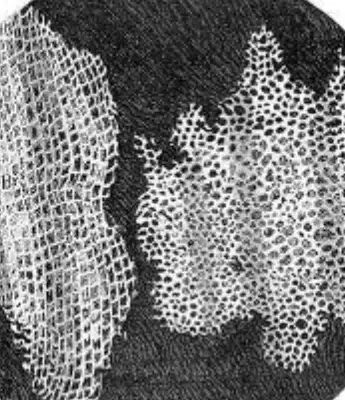
Cork seemed to be made of thousands of tiny, empty chambers. What name did Hooke give these chambers because they reminded him of the tiny rooms in a monastery?
Cells
Vacuoles
Rooms
Nuclei
Around 1674, Anton van Leeuwenhoek made better simple microscopes to observe nature. What was he the first to do?
See and describe microorganisms under the microscope
Discover plant cells in cork
Prove that cells come from preexisting cells
Name cells after monastery rooms
Leeuwenhoek discovered microorganisms in a drop of water. What nickname did he use for them?
"Little beasties" or "animalcules"
"Micro-cells"
"Tiny rooms"
"Protistules"
Which group are Leeuwenhoek’s "animalcules" now known as, according to the slide?
Protists
Fungi
Bacteria only
Viruses
Match each scientist to the statement on the slide.
Matthias Schleiden (1838)
All plants are composed of cells.
Theodore Schwann (1839)
All animals are composed of cells.
Rudolph Virchow (1855)
Cells arise from preexisting cells.
which scientist said that all plants are composed (made) of cells?
Matthias Schleiden
Theodore Schwann
Robert Hooke
Anton van Leeuwenhoek
who stated in 1855 that cells could only arise from preexisting cells?
Rudolph Virchow
Robert Hooke
Anton van Leeuwenhoek
Theodore Schwann
Which statement identifies what living things are made of at the most fundamental level?
All living things are composed of cells.
Only animals are composed of tissues, not cells.
Living things are made of molecules rather than cells.
Plants are composed of cells, but animals are not.
What are the basic units of structure and function in living things?
Cells
Organs
Tissues
Atoms
what are heterotrophs?
producers
consumers
decomposers
autotrophs
which groups are heterotrophs?
All animals and fungi
All green plants
Some protists
Some bacteria
What statement best describes how heterotrophs obtain energy?
They make their own food.
They must get their energy from outside sources.
They store energy in chloroplasts.
They absorb energy directly from sunlight.
What are autotrophs identified as in the slide titled “Autotrophs”?
consumers
producers
decomposers
parasites
Which list names groups that include autotrophs?
All animals and fungi
All green plants, some protists, and some bacteria
Only flowering plants
All protists and all bacteria
what does homeostasis mean?
Maintain balance
Increase energy
Reduce growth
Eliminate waste
Which statement defines ingestion?
Breaking down food into small molecules
The taking in of food and water
The removal of liquid waste
The movement of materials inside a cell
Which statement defines digestion?
The taking in of food and water
Burning food for energy
Breaking down food into small molecules that can be used by the cell
Using energy for growth and repair
Match each life process with its description.
Cyclosis
The movement of materials inside a cell.
Respiration
Burning food for energy; the release of energy from food.
Biosynthesis
Using the energy from food for growth and repair.
Excretion
The removal of liquid waste from the cell.
Which statement defines egestion?
The removal of liquid waste from the cell
The removal of solid waste from the cell
The movement of materials inside a cell
The taking in of food and water
which type of reproduction uses sex cells, also called gametes?
Sexual reproduction
Asexual reproduction
Binary fission
According to the slide, irritability is defined as what?
Responding to a stimulus
Releasing a substance such as a hormone
Moving to find food
Breaking down nutrients
What does secretion mean?
A substance made and used in the same place
A substance made in one place but used in another
A response to a stimulus
Movement from one location to another
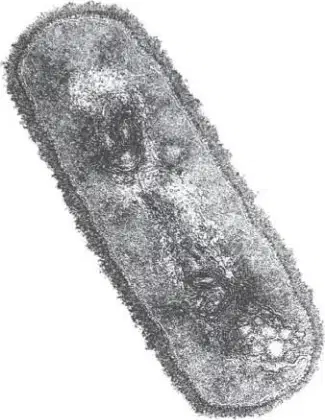
which key structure do prokaryotic cells lack compared to eukaryotic cells?
A nucleus
A cell membrane
Ribosomes
DNA
how are prokaryotic cells different from eukaryotic cells?
Larger and more complex
Smaller and simpler
Identical in size and complexity
Larger but simpler
According to the slide, what is the prokaryotic cell wall made of?
Peptidoglycan
Cellulose
Chitin
Lignin
Which structures do prokaryotic cells have?
Cell membranes
Ribosomes
Membrane-bound organelles
A true nucleus
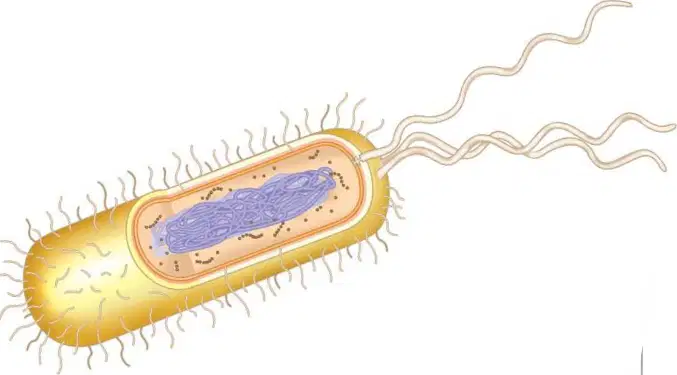
Match each prokaryotic structure with its function, as described on the slide titled Prokaryotes: Bacteria.
DNA
Genetic information, not enclosed (nucleoid)
Ribosomes
Produce protein; not membrane bound
Pili
Hairlike structures that allow sticking to surfaces
Flagella
Protein structures used for movement
Cell membrane
Regulates what goes in and out of the cell
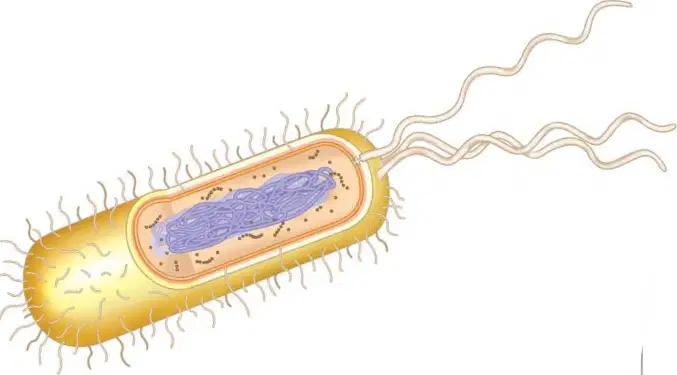
Which structure allows prokaryotes to stick to surfaces, according to the slide?
Flagella
Pili
Ribosomes
Cell wall
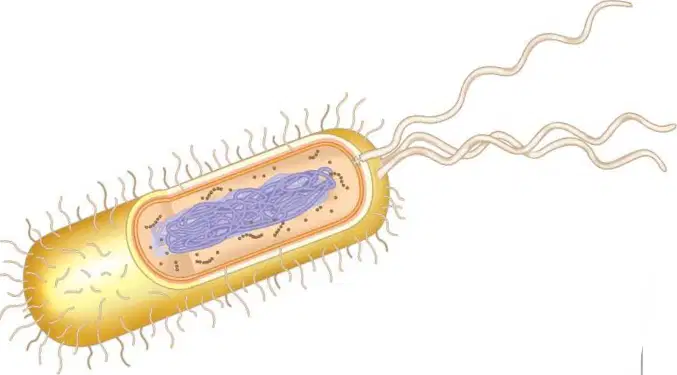
According to the slide, which component of prokaryotes is not membrane bound and produces protein?
Nucleus
Ribosomes
Cell membrane
Mitochondria
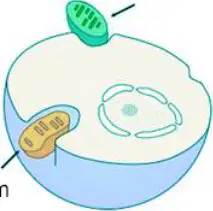
What does the Endosymbiotic Theory suggest happened to mitochondria and chloroplasts?
They formed spontaneously inside a nucleus
They were once simple prokaryotes engulfed by larger cells and survived
They originated from cell walls breaking apart
They were created only by aerobic bacteria after eukaryotes evolved
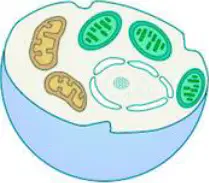
Which organelles contain their own DNA, as stated on the slide?
Mitochondria
Chloroplasts
Ribosomes
Nucleus
What do eukaryotic cells have that prokaryotic cells lack?
A cell wall of peptidoglycan
A true nucleus and membrane-bound organelles
Pili and flagella
DNA that is not enclosed
What separates the eukaryotic nucleus from the rest of the cell?
No separation; DNA floats freely
A membrane keeps the nucleus separate
A cell wall encloses the nucleus
Ribosomes form a barrier
Prokaryotic and Eukaryotic Cells, which characteristics are common to all cells? Select all that apply.
They are surrounded by a cell membrane
They contain DNA
They have a nucleus
They have a cell wall
Functions of the nucleus:
Controls the reproduction of the cell
Controls all of the activities of the cell
Directs protein synthesis by sending messages out to the ribosomes
Carries the cell’s genetic information where genes are found
Stores glucose for the cell
According to the poster, what does the nucleus carry because this is where the genes are found?
Genetic information
Digestive enzymes
Oxygen
Chlorophyll
Where can ribosomes be found in a cell? Select all that apply.
Free floating in the cytoplasm
Attached to the endoplasmic reticulum
Embedded in the nuclear envelope
Inside the central vacuole
Which organelle is described as the most numerous of the cell’s organelles?
Mitochondria
Ribosomes
Nucleus
Golgi apparatus
Ribosomes are the site of which cellular process?
Protein synthesis
Photosynthesis
DNA replication
Lipid digestion
The internal membrane system of a cell is known as what?
Endoplasmic reticulum
Cytoskeleton
Cell wall
Lysosome
What structures does the endoplasmic reticulum connect?
The nuclear membrane to the cell membrane
Mitochondria to chloroplasts
Ribosomes to vacuoles
Golgi apparatus to the nucleus
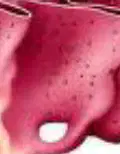
Which type of endoplasmic reticulum has ribosomes attached to it?
Smooth endoplasmic reticulum
Rough endoplasmic reticulum
Golgi apparatus
Lysosome
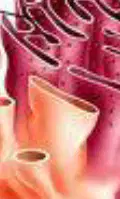
What is the function of the smooth endoplasmic reticulum?
To make lipids for the cell membrane
To make ribosomes
To make DNA molecules
To make glucose for energy
After proteins leave the ribosome, where are they modified and shaped into functioning proteins?
Spaces of the endoplasmic reticulum
Nucleus
Cell membrane
Central vacuole
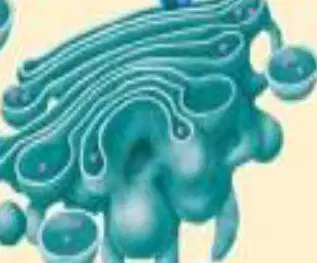
What are functions of the Golgi apparatus for proteins that arrive from the endoplasmic reticulum? Select all that apply.
Modify them
Sort them
Package them
Perform cellular respiration
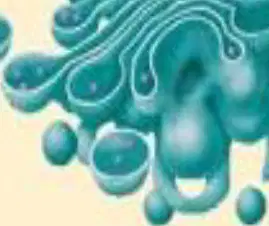
After processing in the Golgi apparatus, proteins will be what?
Stored inside the cell or secreted to the outside
Digested within lysosomes only
Inserted into DNA
Transported back to the nucleus exclusively
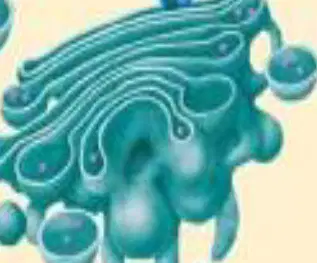
How does the Golgi apparatus appear?
A stack of loosely connected membranes
A circular vacuole
A long rigid tube
A dense solid sphere
what are vesicles?
Small spherical sacs surrounded by a single membrane
Large flat structures with two membranes
Protein fibers that make up the cytoskeleton
Channels that cross the plasma membrane
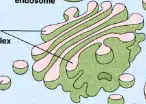
Which of the following are types of vesicles? Select all that apply.
Lysosomes
Peroxisomes
Glyoxysomes
Endosomes
Mitochondria

Match the organelle to its description.
Proteins are made on these small structures.
Ribosomes
Controls all activity in the cell (the brain) and stores DNA
Nucleus
The fluid that fills the cell and
keeps the organelles in place
Cytoplasm
Power plant of the cell. They
create energy called ATP.
Mitochondrian
Outer lining the cells.
Controls what goes
in and out.
Cell Membrane

Match the following biological terms with their definitions.
Cell
The basic unit of all forms of life
Nucleus
The control center of a cell
Prokaryote
A unicellular organism without a nucleus
Eukaryote
An organism whose cells contain a nucleus

Match the following
Stores water, salts, proteins, and carbohydrates.
Vacuole
Produces sugar
Chloroplast
Converts glucose/sugar into usable energy
Mitochondria
Regulates passage into and out of the cell
Cell membrane
Stores genetic material
Nucleus

Plants cells have one large one, whereas an animal cell will have several smaller ones. These store substances such as water.
Vacuole
Endoplasmic Reticulum
Golgi apparatus
Vesicle

Do all cells include the structure labeled as 1?
Yes, chloroplasts are found in all cells
No, This structure is found in all cells
Yes, all cells contain a mitochondria
No, Not all cells contain a Nucleus
the two types of fibers found in the cytoskeleton are
microfilaments
fibers
microtubules
microskeleton
which structures are NEVER found in plant cells
lysosomes
centrioles
flagella
mitochondria
which of the following is not a plastid foundin plant cells
chloroplast
chromoplasts
leukoplasts
vacuoleplasts
When filled with water the central vacuole give the plant cell __________ which gives strength and support to the cell.
turgor pressure
pushing force
pressure force
turgor force
inside the chloroplasts are large stacks of other membranes called (a) .
tylakoids contain green pigment called (a) which is required for photosynthesis.
chromoplasts give plants
colorful pigments that attract pollinators
which structures are NEVER found in animal cells
plastids
central vacule
cell wall
lysosome

Label the parts of a plant cell.
cell wall
vacuole
mitochondria
nucleus
A watery solution containing dissolved substances, enzymes, and the cell organelles and structures.
Cytoplasm
These small structures manufacture proteins. They may be free in the cytoplasm or associated with the surface of the endoplasmic reticulum.
Ribosomes
this organelle contains the majority of the DNA in a cell
Nucleus
a double layered structure surrounding the nucleus
Nuclear membrane

Supports the shape of the cell, anchors organelles and serves as a "track" for organelles to move on.
Cytoskeleton
Nuclear Membrane
Cell Wall
Gogli Apparatus


The cytoskeleton is a network of protein filaments and tubes.
Which of the following best describes its function?
It helps in the process of photosynthesis
Label the 5 organelles.
mitochondria
nucleus
cytoplasm
cell membrane
Match the following
Makes ATP (energy).
mitochondria
control center of the cell, contains DNA
nucleus
makes proteins
ribosomes
protects the cell and lets stuff in and out of cell, maintains homeostasis
cell membrane
converts sunlight into glucose (sugar) for the plant cell
chloroplast
Match the following
Cleans up the cell
Lysosome
Storage tanks of the cell
Vacuole
Control center of the cell
Nucleus
Energy production of the cell
Mitochondria
Outer layer of the cell
Cell membrane
Label the plant cell to the right:
which is used to make ribososmes in the nucleolus
DNA
mRNA
tRNA
rRNA
proteins made using free floating ribosomes are
Proteins that function in the cytosol or organelles (they stay inside the cell)
proteins made using a ribosome attached to the rough endoplasmic reticulum ...
DNA is transcribed into mRNA in the
the rough endoplasmic reticulum has _______ and ______ attached to it.
lipids and proteins
what is the function of the smooth endoplasmic reticulum
The smooth endoplasmic reticulum functions in lipid synthesis that will be used in the cell membrane
Phagocytosis is when a cell engulfs and digests large particles. which organelle performs this function

