
 Worksheets
UE/LE review
Total questions: 54
Worksheet time: 27mins
What is the bone referred to as the 'shoulder blade' in the Shoulder Complex?
Scapula
Clavicle
Humerus
Sternum
What is the bone referred to as the 'collar bone' in the Shoulder Complex?
Clavicle
Scapula
Humerus
Sternum
What is the bone in the upper arm called in the Shoulder Complex?
Humerus
Femur
Radius
Scapula
Fill in the blank: The ________ in the Shoulder Complex are responsible for connecting muscles to bones.
Tendons
Ligaments
Cartilage
Bursae
Fill in the blank: The ________ in the Shoulder Complex help connect bones to other bones.
Ligaments
Muscles
Tendons
Nerves
What bones make up the shoulder girdle?
Right and left scapula and right and left clavicle
Right and left femur and right and left tibia
Right and left humerus and right and left radius
Right and left ulna and right and left fibula
The shoulder girdle is made up of a right and left _______ and a right and left _______.
scapula, clavicle
femur, tibia
humerus, radius
ulna, fibula
The only joint holding the scapula (shoulder blade) to the rest of the skeleton is at the points of connection with the clavicle (collar bone).
True
False
The shoulder joint, where the shoulder girdle and the humerus meet, is called a ________ joint.
ball and socket
hinge
pivot
saddle
The shoulder joint is able to perform which movement?
Flexion/Extension
Abduction/Adduction
External/Internal Rotation
Circumduction
Fill in the blank: The movement where the arm moves away from the body is called ________.
Abduction
Adduction
Flexion
Extension
Fill in the blank: The movement where the arm moves towards the body is called ________.
Adduction
Abduction
Flexion
Extension
Fill in the blank: The movement where the arm rotates outward is called ________.
External Rotation
Internal Rotation
Flexion
Adduction
Fill in the blank: The movement where the arm rotates inward is called ________.
Internal Rotation
External Rotation
Abduction
Extension
Fill in the blank: A ______ is a closed, fluid-filled sac that works as a cushion and gliding surface to reduce friction between tissues of the body.
bursa
ligament
meniscus
fascia
What is the function of synovial membranes? Fill in the blank: Synovial membranes make fluid that lubricates moving parts and reduces _______.
friction
temperature
pressure
swelling
Which of the following does the synovial membrane line?
Cavities of joints
Tendon sheaths
Bursae
All of the above
True or False: Synovial membranes are only found in the shoulder girdle.
True
False
Name one of the three bones that comprise the elbow joint. The elbow joint is comprised of 3 bones: _______.
Humerus
Femur
Scapula
Clavicle
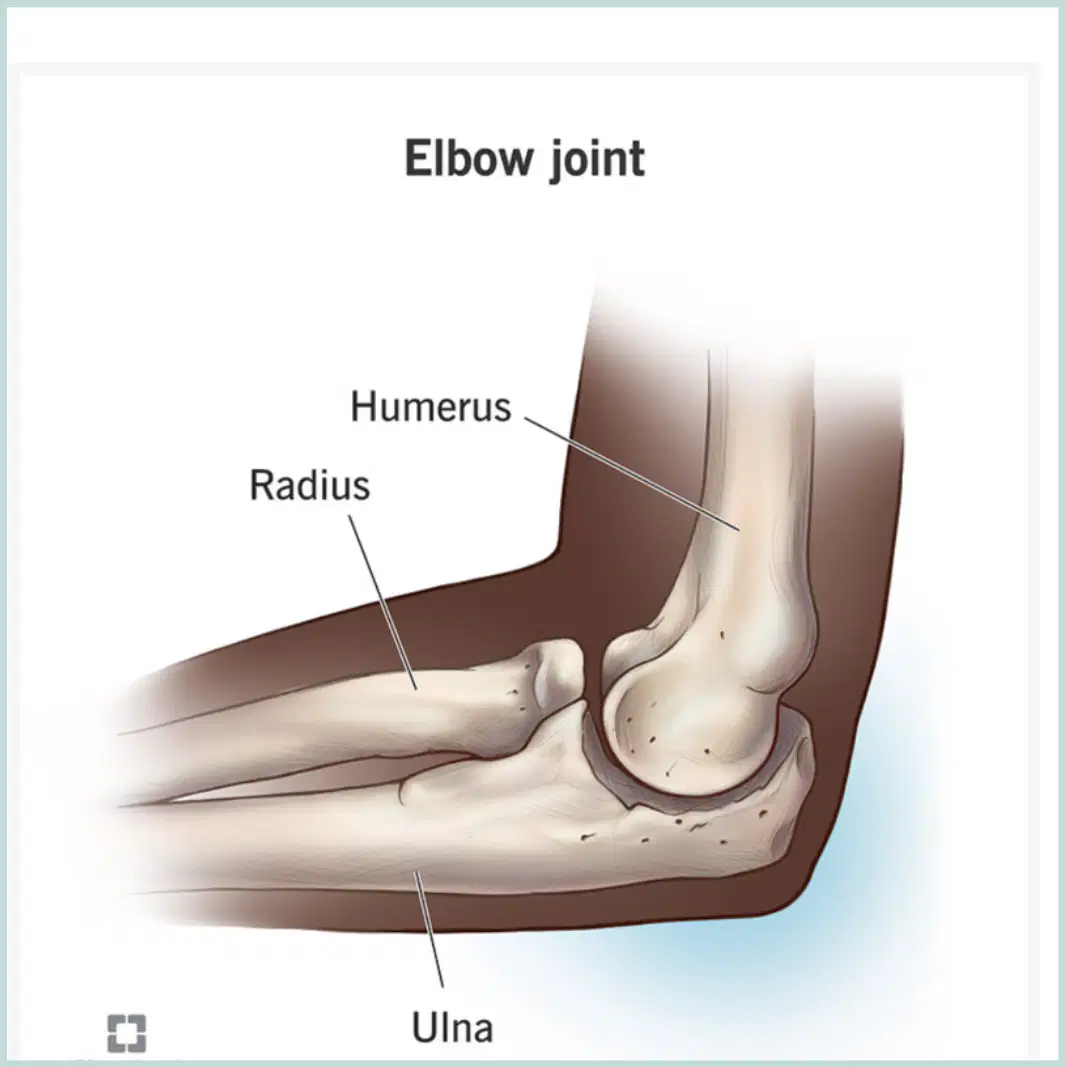
Name one of the three bones that comprise the elbow joint.
Radius
Femur
Scapula
Clavicle

Name one of the three bones that comprise the elbow joint.
Ulna
Femur
Scapula
Tibia

Which of the following bones is NOT part of the elbow joint?
Humerus
Radius
Ulna
Femur
What type of joint is the elbow?
Ball and socket joint
Hinge joint
Pivot joint
Saddle joint
The elbow is able to perform ______ and extension.
flexion
rotation
abduction
circumduction
Part of the elbow complex allows for supination and _______.
pronation
flexion
extension
rotation
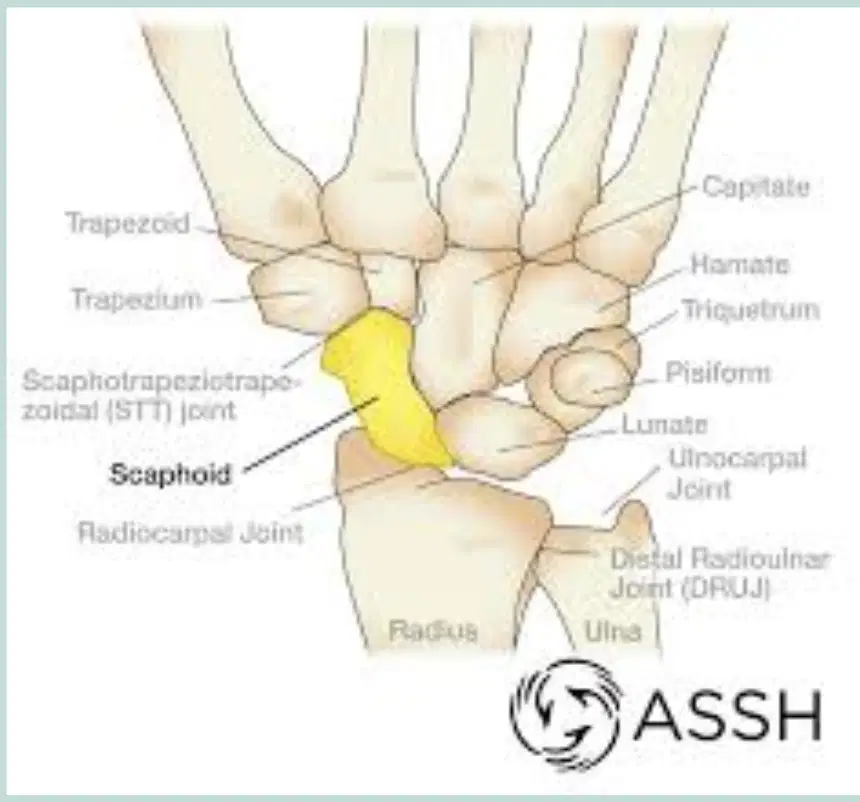
The wrist is very complex. How many wrist bones are there?
8
5
10
12

What does each of the wrist joints allow the wrist to do?
Each of those joints allow the wrist to move in certain directions.
Each of those joints allow the wrist to produce sound.
Each of those joints allow the wrist to generate heat.
Each of those joints allow the wrist to store energy.
Where does the lower extremity anatomy begin?
At the shoulder girdle
At the pelvic girdle
At the skull
At the rib cage
What type of joint is the hip joint?
Hinge joint
Ball and socket joint
Pivot joint
Saddle joint
Which bones make up the hip joint? Fill in the blanks: The ______ and ______ (in the pelvis) make up the joint.
femur, acetabulum
tibia, ilium
fibula, ischium
radius, pubis
Since the hip is a ball and socket joint, like the shoulder it can perform: Which of the following is one type of movement the hip joint can perform?
Flexion/Extension
Inversion/Eversion
Protraction/Retraction
Opposition/Reposition
Since the hip is a ball and socket joint, like the shoulder it can perform: Which of the following is a type of movement the hip joint can perform?
Abduction/Adduction
Flexion/Extension
Rotation only
Gliding only
Since the hip is a ball and socket joint, like the shoulder it can perform: Fill in the blank for one type of movement the hip joint can perform: ________
External/Internal Rotation
Flexion/Extension
Abduction/Adduction
Circumduction
What do you call the area made up of the femur and the soft tissue?
Shin
Thigh
Arm
Foot
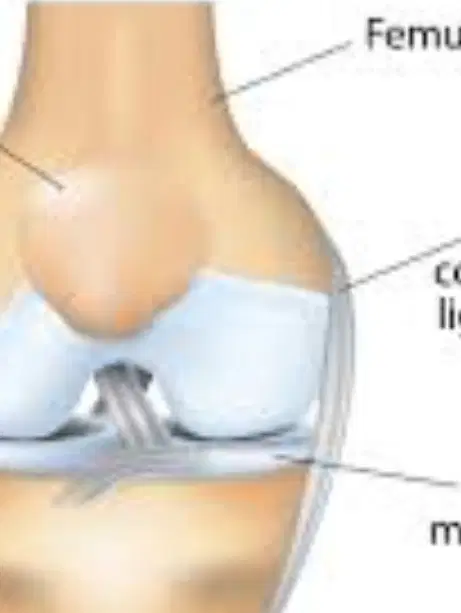
Where do your femur and tibia (shin bone) meet?
Knee joint
Elbow joint
Hip joint
Ankle joint
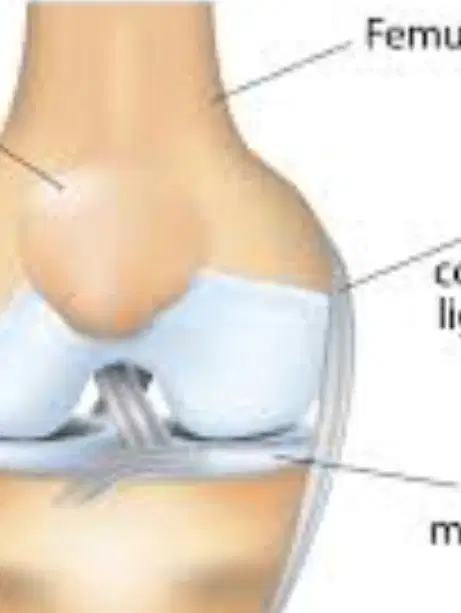
The knee joint is a ______ joint like the elbow joint.
hinge
ball and socket
pivot
gliding

The knee joint is able to perform flexion and extension.
True
False

Which bones make up the lower leg?
A) Tibia and fibula
B) Tibia and talus
C) Fibula and talus
D) Femur and tibia

The ankle joint is made up of which three bones?
Tibia, fibula, talus
Tibia, femur, talus
Fibula, femur, talus
Tibia, fibula, femur
Fill in the blank: The motions in the ankle are plantar flexion, dorsiflexion, _______ and inversion.
eversion
rotation
abduction
extension
The ankle joint is responsible for plantar flexion, dorsiflexion, eversion, and inversion.
True
False
What is the definition of Dislocations?
Dislocations are injuries where the ends of your bones are forced out of their normal positions.
Dislocations are minor bruises that heal quickly without treatment.
Dislocations are a type of muscle cramp caused by dehydration.
Dislocations are infections that affect the skin around the joints.
What is the definition of Subluxations?
Subluxations are partial dislocations where the joint surfaces remain in partial contact.
Subluxations are complete dislocations where the joint surfaces lose all contact.
Subluxations are fractures of the bone near a joint.
Subluxations are inflammations of the joint capsule.
What is the definition of Contusions?
Contusions are bruises caused by a direct blow, resulting in damage to small blood vessels and discoloration.
Contusions are open wounds caused by sharp objects, leading to excessive bleeding.
Contusions are infections of the skin caused by bacteria, resulting in pus formation.
Contusions are bone fractures caused by twisting injuries, leading to severe pain.
What is the definition of Tendonitis?
Tendonitis is inflammation of a tendon, usually caused by overuse or injury.
Tendonitis is a genetic disorder affecting bone growth.
Tendonitis is a viral infection that affects the muscles.
Tendonitis is a condition where the skin becomes excessively dry.
What is the definition of Strains?
Strains are injuries to muscles or tendons caused by overstretching or tearing.
Strains are fractures in bones caused by direct impact.
Strains are infections of the skin caused by bacteria.
Strains are dislocations of joints caused by sudden movement.
What is the definition of Sprains?
Sprains are injuries to ligaments caused by being stretched or torn.
Sprains are injuries to muscles caused by overuse.
Sprains are fractures in the bones due to impact.
Sprains are infections in the joints caused by bacteria.
What is Impingement?
Impingement is a condition where soft tissues are pinched or compressed, often in a joint, causing pain and restricted movement.
Impingement is a type of bone fracture that occurs due to direct trauma.
Impingement refers to the inflammation of the skin caused by allergic reactions.
Impingement is a genetic disorder affecting the production of red blood cells.
What is Synovitis?
Synovitis is the inflammation of the synovial membrane, which lines joints and produces synovial fluid.
Synovitis is a type of bone fracture.
Synovitis is the degeneration of cartilage in joints.
Synovitis is the accumulation of fluid in the lungs.
What is Bursitis?
Bursitis is the inflammation of a bursa, a small fluid-filled sac that acts as a cushion between bones, tendons, and muscles.
Bursitis is a genetic disorder affecting the red blood cells.
Bursitis is a viral infection of the respiratory tract.
Bursitis is a type of bone fracture.
Fill in the blank: Impingement is the pinching of soft tissue, such as a _______, tendon or nerve between the ends of two or more bones.
bursa
ligament
cartilage
muscle
What is synovitis?
An inflammation of the synovial membrane, a layer of connective tissue that lines the cavities of joints, tendon sheaths, and bursae. Makes fluid that lubricates moving parts and reduces friction.
A degeneration of bone tissue in the joints causing stiffness and pain.
A viral infection that affects the cartilage in joints.
A genetic disorder leading to abnormal growth of joint tissues.
The synovial membrane makes fluid that ______ moving parts and reduces friction.
lubricates
heats
dries
freezes
Fill in the blank: _______ is an inflammation of a bursa, a closed fluid-filled sac that works as a cushion and gliding surface to reduce friction between tissues of the body.
Bursitis
Arthritis
Tendinitis
Osteomyelitis

