
 Worksheets
U6 Summative ASSESSMENT
Total questions: 33
Worksheet time: 25mins
Which pharmacokinetic stage is MOST associated with predictable medication side effects?
Absorption
Distribution
Metabolism
Excretion
Side effects occur mainly because:
The body metabolizes all drugs too quickly
Drugs bind to non-target receptors
All medications are toxic at normal doses
The patient takes the medication incorrectly
Which best describes a predictable side effect?
Sudden anaphylaxis
Dry mouth from antihistamines
Opposite effect from expected
Reaction due to genetics
A local side effect occurs:
Everywhere in the body
At the site of administration
Only with oral drugs
Only with IV medications
Which is a systemic side effect?
Throat irritation from inhaler
Itching at injection site
Hyperglycemia from oral steroids
Tongue numbness from lozenges
Which drug/receptor pairing is correct for an antagonist?
Albuterol activating receptors
Morphine stimulating opioid receptors
Naloxone blocking opioid receptors
Serotonin increasing receptor activity
A medication that mimics a natural substance is called a:
Blocker
Agonist
Enzyme
Channel inhibitor
Which statement describes an ADR?
Always expected and mild
Harmful, unintended, occurs at normal doses
Only caused by allergies
Only caused by overdoses
Which is an example of an idiosyncratic reaction?
Rash after penicillin
Drowsiness from diphenhydramine
Genetic inability to metabolize a drug leading to toxicity
Nausea from antibiotics
A paradoxical reaction is when the patient:
Doesn’t respond at all
Has the opposite effect of what’s expected
Breaks out in hives
Experiences sedation
A child becomes hyper after taking diphenhydramine, which tends to have a sedative effect. This is a:
Side effect
Allergic reaction
Paradoxical reaction
Drug-food interaction
Which condition indicates anaphylaxis?
Mild rash
Sneezing and watery eyes
Swelling of tongue and difficulty breathing
Nausea
What is the FIRST response in a healthcare setting for anaphylaxis?
Give oxygen
Document the event
Stop the medication immediately
Provide fluids
Which is a characteristic of a mild allergic reaction?
Rash or hives
Wheezing
Low blood pressure
Loss of consciousness
A patient becomes confused, sweaty, and tachycardic while taking sertraline + tramadol. This is most likely an example of:
Drug-Food Interaction
Drug-Drug Interaction
Drug-Disease Interaction
Adverse Drug Reaction
A drug interaction occurs when:
Two drugs taste bad together
One substance changes the effect of another medication
A drug is expired
A drug is taken without food
Warfarin + NSAIDs both have indications that patients could have increased bleeding risk. This is an example of:
Drug-Food Interaction
Drug-Drug Interaction
Drug-Disease Interaction
Adverse Drug Reaction
Which is an example of antagonism?
Alcohol + sleep aids → increased sedation
Two antihistamines → double sedation
SMZ + TMP → greater effect together
Albuterol (B2 agonist) blocked by propranolol (B-antagonist)
Grapefruit juice affects certain drugs because it:
Blocks absorption
Neutralizes stomach acid
Inhibits metabolism → increases drug levels
Speeds up excretion
A patient taking propranolol cannot respond well to albuterol (B2-agonist) because:
Albuterol is expired
Propranolol blocks beta-receptors needed for albuterol to work
Calcium blocked the absorption
Both drugs are antihistamines
Probenecid increases penicillin levels in the blood and causes severe side effects. This is a:
Drug-Food Interaction
Drug-Drug Interaction
Drug-Disease Interaction
Adverse Drug Reaction
Which is a drug-disease interaction?
Penicillin + probenecid
Pseudoephedrine worsening hypertension
Calcium + antibiotics
Naloxone reversing opioids
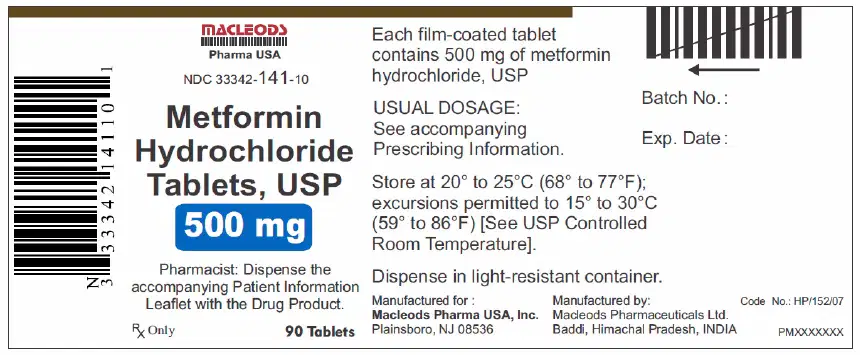
Metformin is contraindicated in patients with Chronic Kidney Disease. This is an example of:
Drug-Food Interaction
Drug-Drug Interaction
Drug-Disease Interaction
Adverse Drug Reaction
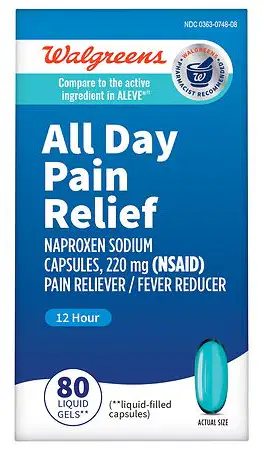
NSAIDs are often contraindicated in patients with gastrointestinal ulcers. This is an example of:
Drug-Food Interaction
Drug-Drug Interaction
Drug-Disease Interaction
Adverse Drug Reaction
Which of the following best describes drug tolerance?
The drug causes an immediate allergic reaction
The drug's effectiveness decreases with repeated use
The drug is always toxic to the body
The patient experiences overdose symptoms
Which of the following drugs is most likely to lead to the development of tolerance with repeated use?
Ibuprofen
Metformin
Benzodiazepines
Levothyroxine
A patient who has been taking morphine for several weeks finds that the usual dose no longer provides adequate pain relief. This is an example of:
Dependence
Tolerance
Idiosyncrasy
Synergism
Which of the following best describes cross tolerance?
Two drugs produce the same effect
Resistance to one drug increases sensitivity to another
Tolerance to one drug leads to reduced response to another similar drug
Allergic reaction to unrelated drugs
Which class of drugs may exhibit cross-tolerance with chronic alcohol use?
Opioids
Benzodiazepines
Beta blockers
Antidepressants
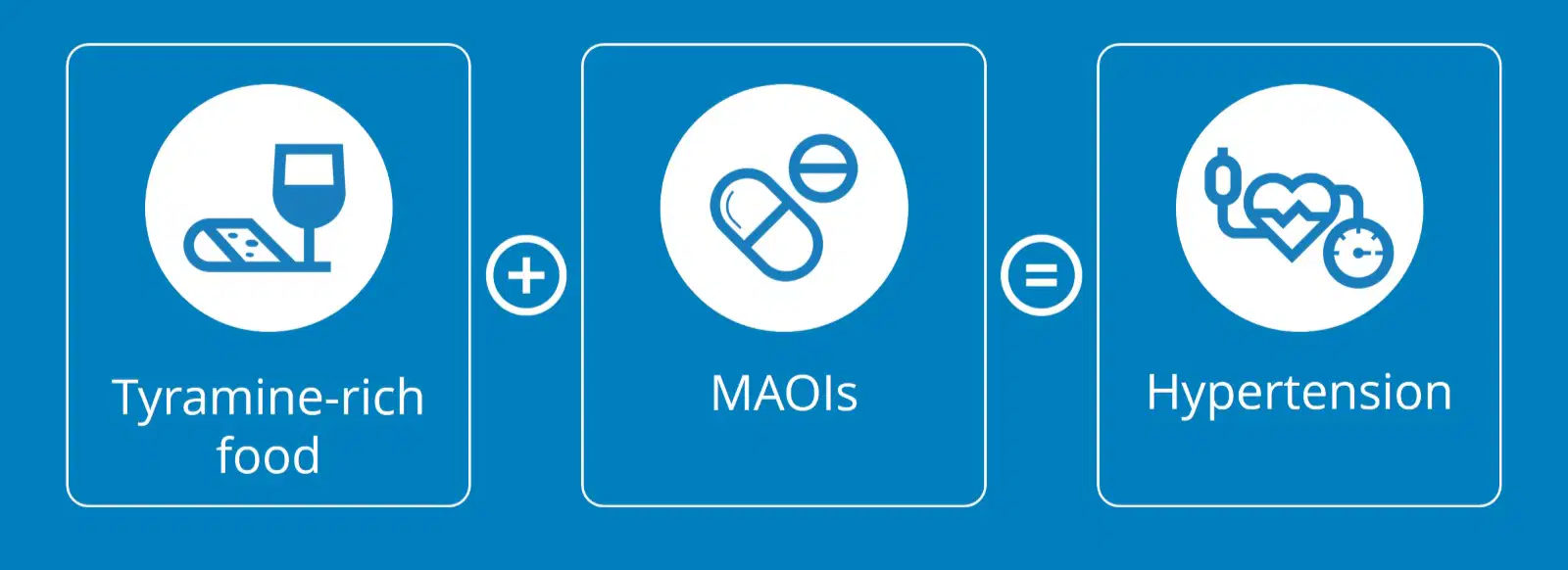
A patient is prescribed MAOIs for severe depression. They go out to dinner with their family and have a charcuterie board appetizer that includes primarily aged cheeses and meats. When they arrive home, they have a raging headache that sends them to the emergency room. Their blood pressure is 212/110 (hypertensive crisis). This is an example of:
Drug-Food Interaction
Drug-Drug Interaction
Drug-Disease Interaction
Adverse Drug Reaction
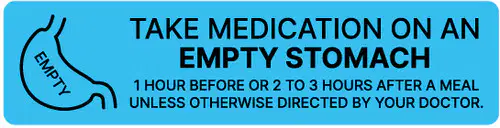
Mr. Young has been prescribed levothyroxine for his recently diagnosed hypothyroidism. He hates taking medicine on an empty stomach, so drinks a very large glass of milk. After an hour, he still feels extremely fatigued. This is an example of:
Drug-Food Interaction
Drug-Drug Interaction
Drug-Disease Interaction
Adverse Drug Reaction

During a regeneration, the Doctor detects signs of heart failure in a UNIT commander. Another physician prescribed diltiazem for tachycardia.
Using the clues provided, answer the questions:
Diltiazem
Class: Non-DHP calcium channel blocker
Indication: arrhythmias, hypertension
Common Side Effects: swelling, dizziness
ADRs: bradycardia, heart block
CI: pts with heart failure
BBWs: none
What is the class of the drug diltiazem?
Non-DHP calcium channel blocker
Beta blocker
ACE inhibitor
Diuretic
Why is diltiazem contraindicated in patients with heart failure?
It can cause bradycardia and heart block
It has a black box warning for heart failure
It increases blood pressure
It causes severe dizziness
Which of the following is a common side effect of diltiazem?
Swelling
Heart block
Bradycardia
Hypertension
This is an example of a drug- (a) interaction.

On a rescue mission in a mining colony, a worker with anemia (taking iron supplements) is given ciprofloxacin for an infection. Days later, they’re still feverish. The Doctor investigates. Using the clues below, answer the questions.
Ciprofloxacin
Class: fluoroquinolone antibiotic
Indication: UTI, skin infections
Common Side Effects: GI upset
ADRs: tendon rupture, neuropathy
BBWs: tendon rupture, CNS effects, neuropathy
Ferrous Sulfate
Class: iron nutrition supplement
Indication: anemia
Common Side Effects: constipation
Warning: may cause decreased absorption of -floxacin antibiotics
ADRs: iron overload (rare)
What is the class of ciprofloxacin?
Fluoroquinolone antibiotic
Iron supplement
Antiviral
Antifungal
Which of the following is a black box warning (BBW) for ciprofloxacin?
Tendon rupture
Constipation
Iron overload
GI upset
What is a warning associated with ferrous sulfate?
May cause decreased absorption of -floxacin antibiotics
May cause tendon rupture
May cause neuropathy
May cause CNS effects
Which of the following is a common side effect of ferrous sulfate?
Constipation
GI upset
Tendon rupture
Neuropathy
This is an example of a drug- (a) . (be so careful)

