
 Worksheets
Visual Acuity Disorders: Pathophysiology
Total questions: 115
Worksheet time: 59mins
Which refractive error results when the eye focuses parallel light rays anterior to the retina due to a relatively long eyeball or excessive corneal curvature?
Hyperopia with short axial length
Myopia with elongated axial length
Astigmatism with irregular meridians
Presbyopia from lens stiffness
Fill in the blank: Age-related loss of accommodation caused by decreased lens elasticity is called (a) .
A patient reports blurred vision at distance but clear near vision. Which nursing action best aligns with the likely pathophysiology?
Suggest convex lenses to shift focus posteriorly
Suggest concave lenses to shift focus posteriorly
Recommend cylindrical lenses to align multiple foci
Recommend reading glasses to increase accommodation
In astigmatism, light rays do not converge to a single focal point. Which optical correction principle addresses this?
Spherical lens to uniformly bend rays
Cylindrical lens to correct specific meridians
Prismatic lens to displace image laterally
Convex lens to increase lens power globally
A 48-year-old nurse notices difficulty focusing on near tasks at the end of shifts. Using evidence from refractive physiology, which plan most appropriately addresses this change?
Concave lenses for reduced near power
Convex add for near accommodation support
Cylindrical lenses to equalize corneal curves
No correction because symptoms are transient
Which option is a non-surgical method to maximize sight in visual acuity disorders?
Corrective lenses used daily
Radial keratectomy incisions
LASIK corneal reshaping
Conductive keratoplasty
Orthokeratology primarily involves wearing specially designed rigid lenses overnight to temporarily reshape the cornea. Identify its management category.
Medical management approach
Surgical management approach
Pharmacologic management approach
Rehabilitative management approach
Which procedure uses a laser to create a corneal flap and reshape stromal tissue for refractive correction?
Laser-assisted in situ keratomileusis
Radial keratectomy incisions
Laser thermal keratoplasty
Conductive keratoplasty
Name the procedure that places radial incisions in the cornea to alter its curvature.
(a)
A patient prefers noninvasive correction without surgery and without overnight lens wear. Which option fits best?
Corrective lenses spectacles
Orthokeratology overnight
LASIK surgical reshaping
Conductive keratoplasty
Which two listed options are classified under surgical management rather than medical management?
LASIK and keratoplasty
Orthokeratology and LASIK
Corrective lenses and LASIK
Orthokeratology and keratoplasty
Conductive keratoplasty modifies corneal curvature using radiofrequency energy rather than excimer laser. Which similar-sounding laser-based option is different in energy type?
Laser thermal keratoplasty
Radial keratectomy method
Orthokeratology technique
Corrective lenses method

Which nursing action most directly supports safe use of corrective lenses for a patient with decreased visual acuity?
Confirm correct lens fit and hygiene
Schedule annual dilated eye exams
Encourage breaks during near work
Assess for color vision deficiencies
A patient with myopia asks how to reduce eyestrain at home. What practical environmental adjustment should you recommend?
Use adequate, evenly distributed lighting
Increase screen refresh rate only
Wear sunglasses indoors routinely
Close one eye to improve focus
Fill in the blank: Patients who perform high‑risk tasks should be taught the importance of wearing (a) lenses to prevent ocular injury.
Which patient report requires prompt follow‑up because it may indicate changes in visual acuity?
New visual changes or chronic headaches
Occasional tearing after wind exposure
Mild dryness relieved with blinking
Temporary blurriness after waking
After cataract surgery, which teaching point is most appropriate to reduce complications?
Avoid eye rubbing and follow drop regimen
Use cosmetic lenses for appearance
Resume contact sports immediately
Sleep exclusively on operative side
Which outcome best reflects effective nursing management for visual acuity disorders?
Maintained optimal functional vision
Stable intraocular pressure only
Absence of conjunctival redness
Reduced need for reading glasses
A patient frequently forgets to wear safety glasses at work. What strategy could help improve adherence?
Link eyewear to task start routines
Increase prescription strength
Switch exclusively to contact lenses
Recommend blue‑light filtering only
You are planning care for a client with new corrective lenses. Which combination of interventions aligns with best practice?
Verify proper lens wear and ensure adequate lighting
Encourage eye patching and dim room lighting
Limit reading and avoid outdoor activities
Teach to ignore mild headaches at first
Which statement best defines the pathophysiology of a corneal abrasion?
Inflammation of retina by autoimmune attack
Disruption of corneal epithelium from trauma
Bacterial ulceration of the scleral tissue
Detachment of lens due to aging changes
Select the most common etiologic categories causing corneal abrasion.
Metabolic deficiency and viral load
Physical trauma and chemical trauma
Autoimmune vasculitis and glaucoma
Nutritional deficit and dehydration
Which clinical sign is most characteristic of corneal abrasion-related photophobia?
Bright light improves visual acuity
Light exposure triggers eye discomfort
Dark rooms provoke ocular itching
Colored lights enhance tear production
A patient with corneal abrasion reports tearing, squinting, and blurred vision. These symptoms most likely result from what mechanism?
Iris dilation causing dry eye surface
Corneal nerve irritation leading spasm
Retinal swelling reducing acuity
Lacrimal gland obstruction by mucus
Fill in the blank: Patients with corneal abrasion often describe a sensation of (a) in the eye.
You are triaging a worker exposed to cleaning chemicals who now has eye pain and photophobia. Which initial concern aligns with corneal abrasion pathophysiology?
Chemical trauma disrupting corneal surface
Neural pathway injury in the optic tract
Retinal detachment after pressure changes
Lens opacity from protein aggregation
Which intervention is a common medical management step for a simple corneal abrasion to reduce infection risk and discomfort?
Lubricating eye drops with antibiotic
Continuous warm compress application
Daily systemic corticosteroid tablets
Oral antihistamines for pruritus
Identify the purpose of eye patching in corneal abrasion care.
Reduce corneal movement and promote healing
Prevent systemic spread of infection
Dilate the pupil for better examination
Increase tear production through stimulation
Fill in the blank: For traumatic corneal abrasions, nurses should verify the patient’s (a) status as part of initial management.
Which discharge instruction best minimizes further corneal irritation during recovery?
Avoid rubbing or touching the affected eye
Use contact lenses to protect the cornea
Limit blinking to reduce ocular strain
Apply makeup to conceal redness
A patient has persistent pain and suspected deeper injury after a corneal abrasion. Which step is most appropriate next?
Surgical exploration of the ocular surface
Increase frequency of artificial tears
Begin over-the-counter oral antibiotics
Discontinue eye patching immediately
During repair of a corneal laceration, what is the role of suture placement?
Approximate corneal tissue for healing
Enhance aqueous humor production
Prevent pupil constriction during light
Stabilize eyelid to reduce blinking
Plan the sequence for managing an uncomplicated corneal abrasion presenting to urgent care. Choose the best initial set of actions.
Assess, apply eye drops, consider patching, review tetanus, give discharge instructions
Schedule elective surgery, start oral steroids, remove eyelashes, apply cold packs
Immediate suturing, restrict fluids, start anticoagulants, advise bed rest
Order MRI, initiate chemotherapy, place nasal cannula, encourage coughing
Which nursing action directly addresses symptom relief for a corneal abrasion?
Applying comfort measures such as cool compresses
Scheduling elective vision screening next month
Teaching contact lens insertion techniques
Encouraging increased screen time for distraction
Fill in the blank: Coordinating services with ophthalmology and pharmacy for a corneal abrasion is an example of (a) .
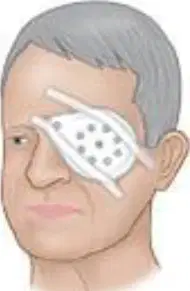
A patient with a corneal abrasion asks why an eye shield is recommended instead of an eye patch. Which rationale best supports using an eye shield?
Protects the eye from external trauma while allowing observation
Applies pressure to reduce corneal edema and pain
Improves vision by refracting incoming light evenly
Prevents blinking to speed epithelial cell turnover
You are planning care for a patient with a corneal abrasion. Which combination best aligns with evidence-based nursing interventions?
Topical pharmacological therapy, comfort measures, and collaborative care
Systemic steroids, strict bedrest, and dark room isolation
Frequent eye irrigation with tap water every hour
Warm compresses only without medications or referrals
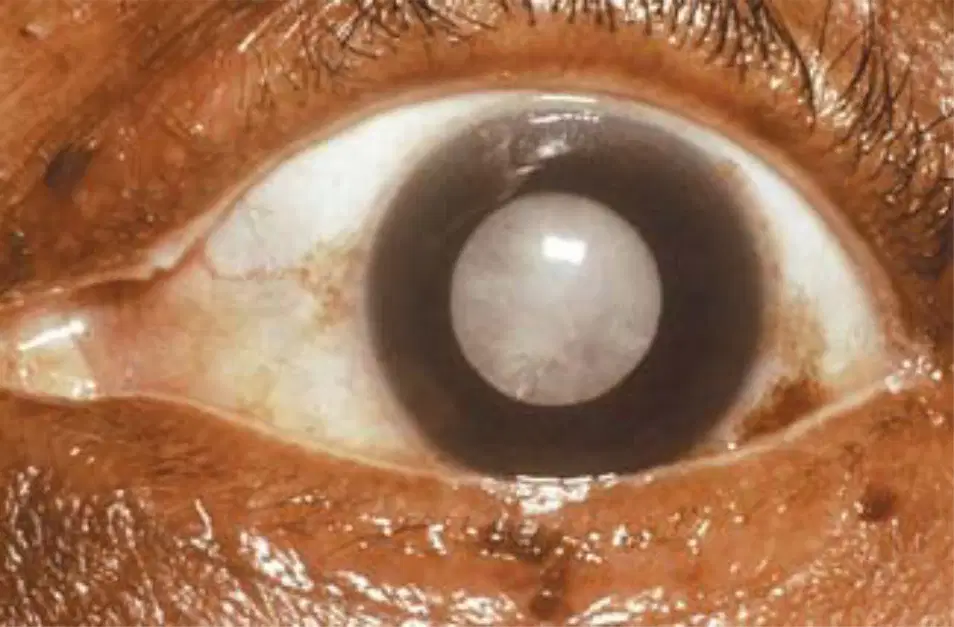
Which factor most directly contributes to cataract formation by increasing lens proteins?
UV light exposure over many years
Advanced age causing protein changes
Family history with genetic variants
Environmental toxins affecting the eye
Select the single best nursing counseling point to reduce modifiable cataract risk in an outdoor worker.
Wear UV-blocking sunglasses consistently
Increase alcohol intake on cold days
Avoid all aerobic exercise weekly
Stop eating foods rich in proteins
Which combination describes two nonmodifiable cataract risk factors?
Advanced age and family history
Smoking and elevated blood pressure
Obesity and environmental exposure
Alcohol use and chronic conditions
A patient with obesity and poorly controlled hypertension asks about cataracts. What is the most accurate nurse response?
Both conditions increase cataract risk
Neither condition affects cataract risk
Only obesity increases cataract risk
Only hypertension increases cataract risk
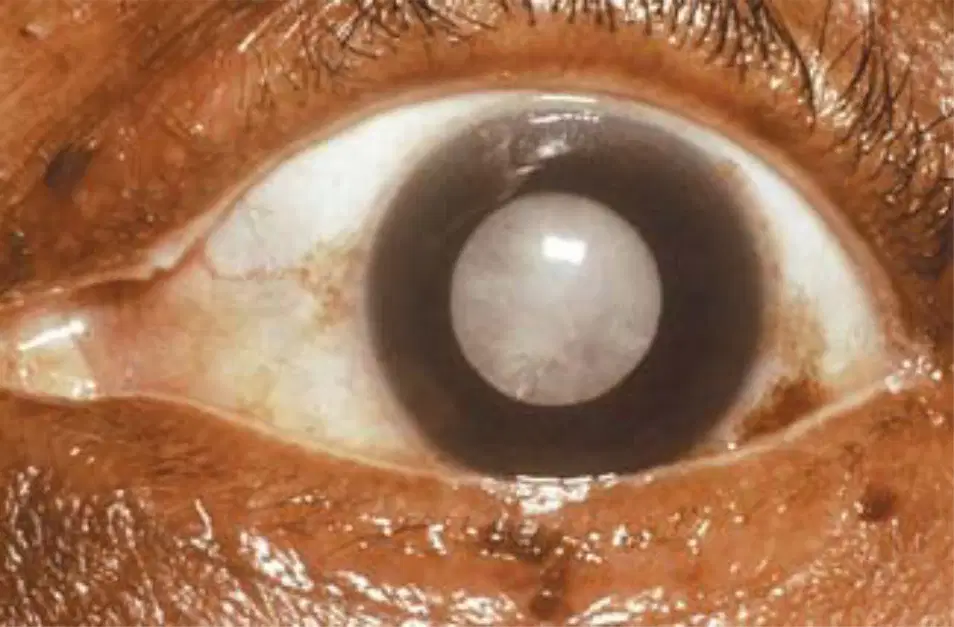
Which pathophysiologic change defines a cataract at the lens level?
Increase in lens proteins causing clouding
Decreased aqueous humor production
Retinal detachment with photoreceptor loss
Corneal ulceration and stromal thinning
A patient smokes daily and drinks heavily on weekends. What is the priority prevention advice related to cataract risk?
Reduce tobacco and alcohol use
Add high-protein supplements
Limit screen time at night
Use artificial tears frequently
Which scenario best reflects an environmental cataract risk?
Long-term work near industrial pollutants
Occasional indoor reading with dim lights
Short vacation at a shaded beach
One-time exposure to loud machinery
Which symptom most specifically suggests cataracts in a patient complaining of problems with lights at night?
Seeing halos around light sources while driving
Complete loss of peripheral visual fields at dusk
Sudden flashes of light without pain at bedtime
Intermittent black curtain over vision in sunlight
A patient reports colors looking less vibrant over months. Which cataract manifestation does this describe?
Fading or yellowing of colors over time
Acute color inversion with headaches
Selective loss of blue color discrimination
Color changes only when wearing sunglasses
Name the bedside assessment used to quantify clarity of central vision when evaluating for cataracts.
(a)
During an eye exam, which instrument allows direct viewing of a clouded lens characteristic of cataracts?
Direct ophthalmoscope used at close distance
Tonometer measuring intraocular pressure
Automated perimetry field analyzer
Fluorescein angiography camera
Which cluster of symptoms best fits a typical early presentation of cataracts?
Clouded vision with glare sensitivity and halos
Sudden eye pain with nausea and redness
Itchy eyes with watery discharge and sneeze
Central scotoma with color vision completely lost
You are triaging a patient who reports double vision in one eye and difficulty driving at night. What is the most appropriate initial nursing action?
Arrange a prompt visual acuity assessment today
Advise rest and reassess vision next month
Provide lubricating drops for suspected dryness
Recommend immediate emergency stroke evaluation
A person with cataracts often struggles most with which real‑world task under bright conditions?
Driving due to glare sensitivity and halos
Reading because letters appear to jump
Tracking moving balls due to nystagmus
Color matching because colors reverse
Which finding on examination most directly supports the diagnosis of a cataract rather than a retinal disorder?
Visible clouding of the crystalline lens on exam
Defects in peripheral visual fields bilaterally
Normal lens with hemorrhages near macula
Painful eye with elevated intraocular pressure
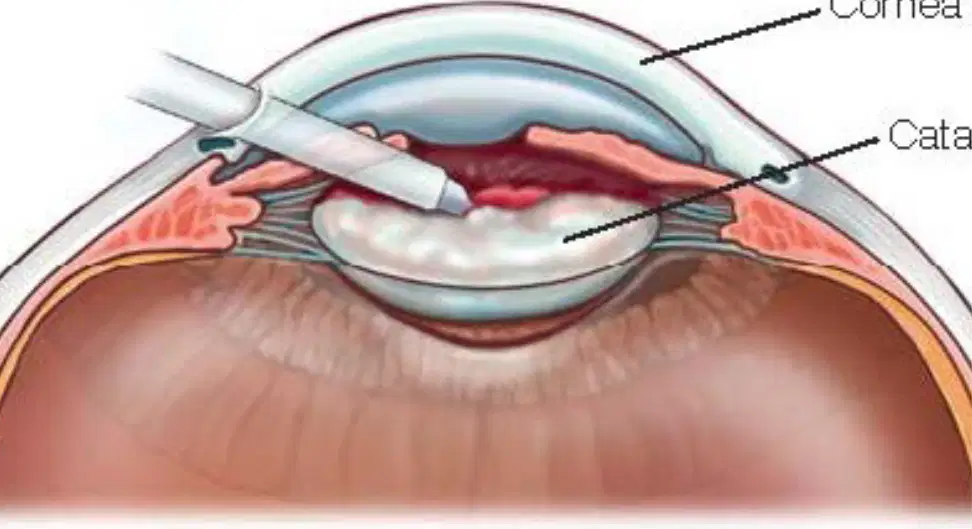
Which intervention most directly removes the cause of vision opacity in cataracts?
Topical antibiotic eye drops
Surgical removal of opaque lens
Elevating the head of bed
Applying an eye patch
After cataract surgery, why is the head of bed elevated?
To reduce intraocular pressure
To improve corneal oxygenation
To prevent lens displacement
To enhance medication absorption
Which nursing action primarily prevents accidental injury for a patient with temporary postoperative visual changes?
Administer prescribed eye drops
Implement safety measures
Maintain the eye patch
Provide stool softeners
Select the most appropriate non-surgical correction for residual refractive error after cataract removal.
Warm compress therapy
Corrective lenses
Oral anti-inflammatory drugs
Daily eye patching
A patient strains during bowel movements after cataract surgery. Which ordered measure addresses this risk?
Increase fluid restriction
Administer stool softeners
Apply bilateral eye patches
Discontinue all eye drops
Fill in the blank: Postoperative care for cataract removal commonly includes maintaining an (a) to protect the operative eye.
You are planning the first 24 hours of postoperative care for a patient after cataract extraction. Which combination of actions best supports recovery?
Flat bed positioning, frequent ambulation, no eye drops
Elevate HOB, administer eye drops, maintain eye patch
Apply cold compresses, encourage coughing, low HOB
Discontinue safety measures, remove patch, high activity
Which patient profile represents a major modifiable risk factor for glaucoma progression that nurses should monitor closely?
Long-term corticosteroid therapy for asthma
Family history in a first-degree relative
Age older than sixty years
Congenital myopia since childhood
Fill in the blank: Elevated (a) can lead to optic nerve damage in glaucoma.
A client has normal intraocular pressure but progressive optic nerve damage. Which glaucoma type best fits this presentation?
Primary open-angle glaucoma
Angle-closure glaucoma
Normal-tension glaucoma
Secondary traumatic glaucoma
Which condition increases glaucoma risk and is commonly comorbid with other endocrine disorders?
Diabetes mellitus
Rheumatoid arthritis
Hyperlipidemia
Peptic ulcer disease
During patient education, which statement correctly describes the pathophysiology of glaucoma?
Retinal detachment reduces macular perfusion
Optic nerve damage from pressure impairs vision
Corneal abrasion increases aqueous humor outflow
Lens opacification obstructs the drainage canal
Which scenario requires urgent action due to the possibility of rapidly rising intraocular pressure?
Primary open-angle glaucoma symptoms slowly worsen
Angle-closure glaucoma suspected with acute pain
Normal-tension glaucoma found on routine exam
Pediatric glaucoma monitored over several months
A patient with eye injury later develops glaucoma. Which type is most consistent with this history?
Secondary glaucoma
Pediatric glaucoma
Normal-tension glaucoma
Primary open-angle glaucoma
Select the most complete list of established glaucoma risk factors for an older adult.
Age over sixty, diabetes, myopia
Family history, hypothyroidism, peptic ulcer
Rheumatoid arthritis, hyperlipidemia, astigmatism
Age under forty, cataract, seasonal allergies
Which visual change is most characteristic of progressive glaucoma?
Sudden central vision loss with halos
Gradual peripheral vision loss over time
Intermittent double vision during reading
Acute total blindness after eye strain
A patient describes tunnel vision developing slowly. Which nursing action is the best initial priority?
Teach eye patching for symptom relief
Encourage rest and warm compresses
Assess for glaucoma and refer promptly
Advise increased screen time breaks
Which medication class directly lowers aqueous humor production to reduce intraocular pressure?
Topical antihistamine drops for allergies
Carbonic anhydrase inhibitors for glaucoma
Lubricating artificial tears for dryness
Oral antibiotics for ocular infections
Complete the statement: In glaucoma, patients often experience gradual loss of (a) vision.
You are reviewing a regimen aimed at reducing fluid and pressure in the eye. Which outcome best indicates the therapy’s mechanism?
Increased aqueous humor formation daily
Reduced aqueous humor volume and pressure
Enhanced retinal blood flow during exercise
Improved corneal thickness after treatment
A client with advanced glaucoma asks what ‘tunnel vision’ means. Choose the best explanation.
Seeing only central objects while edges darken
Seeing bright halos around lights at night
Seeing fluctuating blurriness with eye movement
Seeing double images that overlap centrally
Which surgical option aims to enhance aqueous humor outflow by applying laser energy to the trabecular meshwork?
Laser trabeculoplasty of the meshwork
Filtering surgery creating a scleral flap
Drainage implant with a tube shunt
Cyclodestructive ciliary body ablation
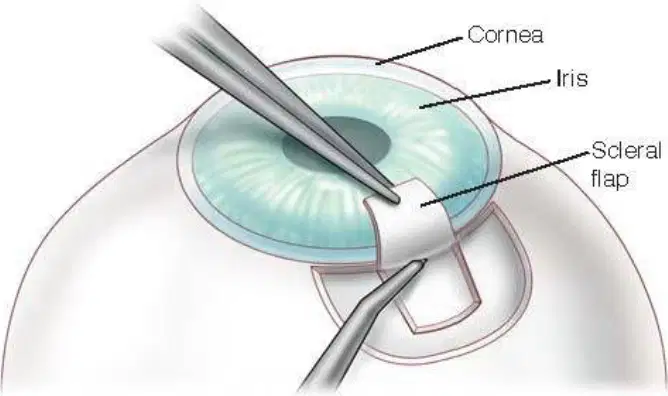
Name the procedure that creates a new pathway under a scleral flap to lower intraocular pressure.
(a)
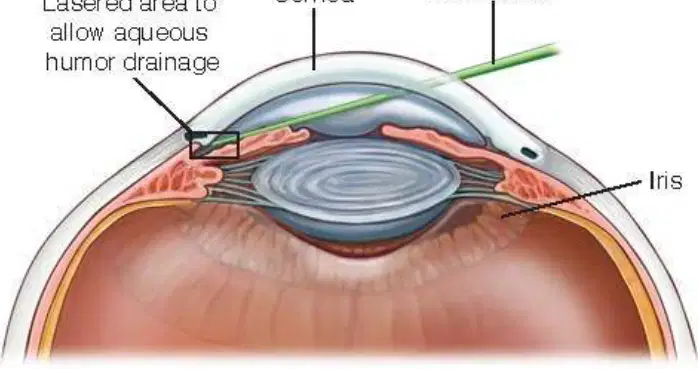
A patient has refractory glaucoma despite medications. Choose the most appropriate next-step intervention from the surgical options listed.
Laser trabeculoplasty to improve outflow
Punctal occlusion to retain eye drops
Orbital decompression to reduce pressure
Retinal photocoagulation for ischemia
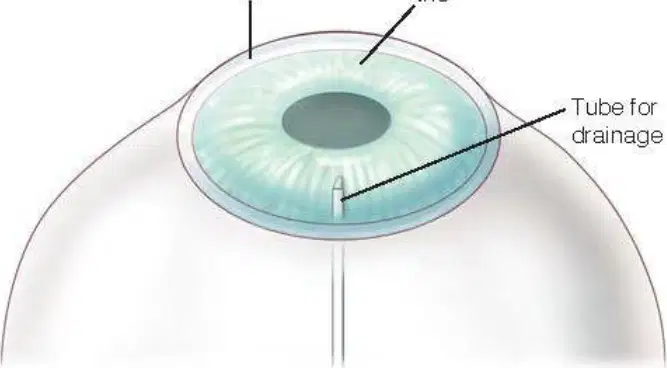
In a case of angle scarring where filtration surgery has failed, which device-based approach can provide an alternate outflow route?
Drainage implants with tube shunt
Corneal transplant for clarity
Iridectomy to widen the pupil
Vitrectomy to remove vitreous
Which item is a modifiable risk factor for macular degeneration that nurses should target in counseling?
Advancing age over sixty years
Being female compared to male
Elevated blood pressure levels
Caucasian racial background
Select the nonmodifiable risk factor most strongly associated with macular degeneration incidence.
High LDL cholesterol levels
Current cigarette smoking status
Patient age over sixty years
Obesity with high body mass index
A patient asks what lifestyle change could reduce macular degeneration risk. Which recommendation is most appropriate?
Change genetic family history
Lower high blood pressure
Alter female sex hormones
Switch racial identification
Fill in the blank: Decreased (a) blood levels are listed among modifiable risk factors for macular degeneration.
Which combination best represents two nonmodifiable risk factors for macular degeneration?
Smoking and high cholesterol
Age and family history
Obesity and hypertension
Zinc deficiency and smoking
A 58-year-old obese smoker with high cholesterol seeks prevention advice. Which risk factor in this case is NOT modifiable?
Cigarette smoking habit
Elevated cholesterol level
Obesity with excess adiposity
Chronological age at fifty-eight
A community program aims to lower macular degeneration risk. Which priority target will yield preventable impact across participants?
Reduce population smoking rates
Adjust racial demographic balance
Decrease proportion of women
Alter familial genetic patterns
Which process best characterizes dry macular degeneration?
Breakdown of light-sensitive macular cells
Rapid retinal detachment from choroid
Inflammatory edema of the optic disc
Occlusion of central retinal artery
In wet macular degeneration, what abnormal change occurs?
Fragile vessels grow beneath the macula
Corneal neovascularization obscures vision
Iris hemorrhage blocks the pupil
Lens opacities scatter incoming light
Which symptom most directly reflects central vision disruption from macular degeneration?
Straight lines appear wavy or distorted
Peripheral field loss without central blur
Photophobia without acuity change
Night blindness with normal daytime
Complete the statement: The macula primarily supports (a) vision.
A patient reports new dark, blurry spots in the center of vision and colors seem less vivid. Which condition is most consistent?
Macular degeneration affecting central vision
Open-angle glaucoma affecting peripheral vision
Cataract causing uniform hazy vision
Diabetic retinopathy sparing color perception
Which finding would most suggest progression from dry to wet macular degeneration?
Onset of subretinal neovascular growth
Gradual drusen accumulation only
Stable acuity with mild metamorphopsia
Improved color discrimination over time
You are screening with an Amsler grid. Which patient comment requires urgent referral for wet AMD evaluation?
The central squares look missing today
The outer edges seem slightly dimmer
The lines look crisp and unchanged
The grid appears brighter than usual
Which nursing explanation correctly contrasts dry and wet macular degeneration?
Dry involves photoreceptor breakdown; wet involves subretinal neovascularization
Dry is acute hemorrhagic; wet is slow degenerative drusen
Dry affects peripheral fields; wet spares central acuity
Dry changes color first; wet never alters color
Which medical intervention targets abnormal macular vessels using light-activated dye?
Thermal laser coagulation therapy
Photodynamic therapy with photosensitizer
Intravitreal corticosteroid injection
Vitrectomy with membrane peeling
Name one common medical treatment used to manage wet macular degeneration.
(a)
A patient asks if treatments can completely cure macular degeneration. Choose the best nursing response.
Yes, cure is expected after laser
No, there is no complete cure
Only injections provide full cure
Cure occurs after two therapies
Which outcome best indicates effective nursing management for macular degeneration over time?
Rapid reversal of central vision loss
Stable or slower symptom progression
Elimination of drusen deposits
Permanent restoration of macular tissue
You are planning care for a client receiving intravitreal therapy. What is the primary aim of this treatment plan?
Prevent all future visual disorders
Slow progression of macular changes
Strengthen extraocular muscles
Improve peripheral visual fields
Select the intervention that directly delivers medication into the eye to manage neovascularization.
Topical antibiotic drops
Systemic antivascular tablets
Intravitreal injections
Transscleral cryotherapy
Which factor most increases risk for retinal detachment in adults?
Extreme myopic refraction disturbances
Long-term contact lens hygiene
Seasonal allergic conjunctivitis
Occasional computer eye strain

Identify the anatomical event that defines retinal detachment.
Separation of inner retinal layers from retinal pigment epithelium
Inflammation of the optic nerve fibers and sheath
Obstruction of central retinal artery blood flow
Degeneration of macular photoreceptors over time
Fill in the blank: A prior (a) in one eye increases risk of detachment later.
A patient post–cataract surgery presents with flashes and floaters. Which reasoning best supports urgent evaluation for detachment?
Cataract surgery is a known detachment risk factor
Floaters always indicate harmless vitreous aging
Flashes are typical of corneal surface irritation
Detachment risk is reduced after lens replacement

Which mechanism most plausibly initiates the separation of retinal layers in rhegmatogenous detachment?
Vitreous flowing behind retina through a retinal tear
Aqueous humor accumulating within anterior chamber
Lens capsule fibrosis drawing the macula forward
Iris sphincter spasm pulling ciliary body posteriorly
You are triaging two patients for detachment risk. Who warrants the earliest dilated exam?
High myope with family history of detachment
Emmetropic teen with mild seasonal allergies
Presbyopic adult with stable dry eye symptoms
Astigmatic patient with normal fundus exams

Which part is #1?
sclera
cornea
retina
lens

Diagram 1 shows the cross section of a human eye.
Name the parts X
Pupil
Cornea
Iris
Optic nerve

What is the best synonym for "photoreceptive?"
Tissue-covered
Camera-like
Color-detecting
Light-sensitive

She is pointing to this structure which will be cut and then what happened?
pointing to the cornea, aqueous humor comes spilling out of the eye and deflates the eye
pointing to the lens, cuts the eye in half and sets it on the table
pointing to the fat/muscles of the eye, she sat the eye in her palm
The defect of vision in which the person is able to see distant object distinctly but cannot see nearby objects clearly is called --------------
Long-sightedness
Far-sightedness
Hypermetropia
All above
_______ cell sense colours in retina
Rods
Cones
Both a and b
Optic nerve
This eye disease is marked an increased pressure within the eye.
glaucoma
cataracts
color blindness
astigmatism

What condition is the person experiencing based on the image below?
Farsightedness
Nearsightedness
Blindness
Blurry at all distances.
Nearsightedness
Farsightedness
Astigmatism
Optical Illusion

