wayground logo

Free Printable Worksheets

NEW

Font size

S
M
L
XL
Worksheets

Genetics Review

Total questions: 60

Worksheet time: 2hrs 23mins

Name
Class
Date
1.
Straight hair is dominant to curly hair.
Which parents will give a 25% chance of having offspring with curly hair?
a)
2 heterozygous straight hair (Tt)
b)
2 homozygous straight hair (TT)
c)
1 homzygous curly (tt) and 1 homzygous straight (TT)
d)
1 heterozygous straight (Tt) and 1 homozgyous curly (tt) 
2.
In a heterozygous genotype, the ___________ allele takes over in the phenotype.
a)
recessive
b)
dominant
c)
lower case letter
d)
both 
3.
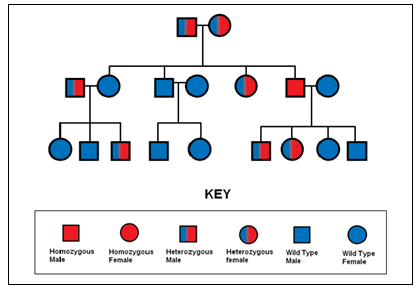
Which of the following is NOT a genotype?
a)
heterozygous
b)
a trait
c)
Bb
d)
homozygous recessive
4.
Which of the following alleles is homozygous (purebred) recessive?
a)
Tt
b)
tt
c)
TT
d)
t
5.
Two brown eyed parents (Bb) have a baby. What is the chance the baby is blue eyed?
a)
0 %
b)
25%
c)
50%
d)
75%
6.
Heterozygous is when...
a)
the alleles are the same
b)
the alleles are different
c)
the alleles are absent
d)
the alleles are present
7.
In a pedigree, what shape represents a male?
a)
circle
b)
square
c)
triangle
d)
diamond
8.
What you see, or the physical appearance.
a)
Genotype
b)
Phenotype
c)
Homozygous
d)
Heterozygous
9.
What characteristic would a child NOT inherit from parents?
a)
freckles
b)
eye color
c)
hair style
d)
dimples
10.
Dominant alleles are represented by a:
a)
Male gene
b)
lowercase letter
c)
recessive trait
d)
capital letter
11.
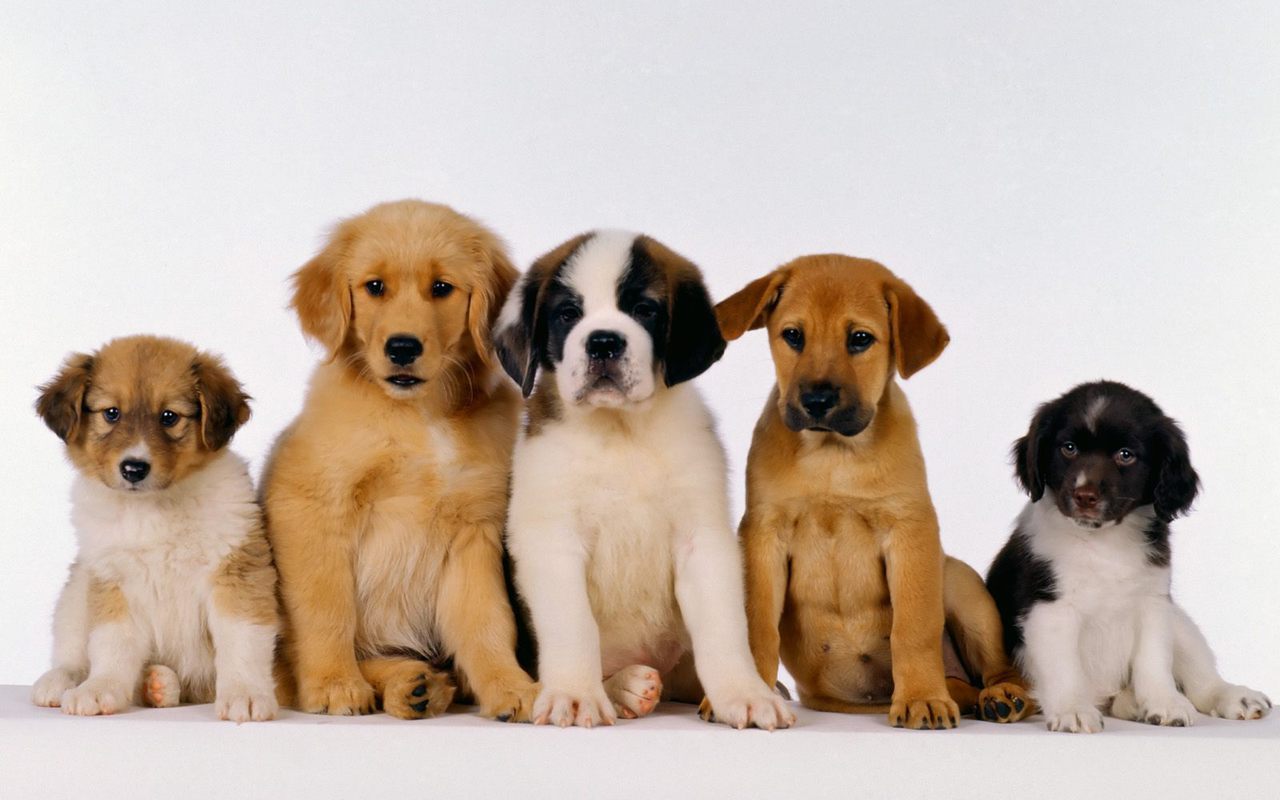
A dog gives birth to 5 puppies. What percentage of the chromosomes does each puppy share with the mother?
a)
25%
b)
50%
c)
75%
d)
100%
12.
G = green, g = yellow
The genotype for a yellow plant is...
a)
GG
b)
Gg
c)
gg
d)
all of the choices result in yellow
13.
If B represents brown eyes and b represents blue eyes, what will be the phenotype of someone who has a genotype of Bb? 
a)
Blue Eyes
b)
Brown Eyes
c)
Green Eyes
d)
Hazel Eyes
14.
What is the passing of traits from one generation to another?
a)
DNA
b)
Chromosomes
c)
Genetics
d)
Heredity
15.
What is a segment of DNA (spiral ladder or double helix molecule)  found on a chromosome that determines the inheritance of a  certain trait?
a)
Genes
b)
Chromosomes
c)
Nucleus
d)
Allele
16.
How many genes exist for a specific trait such as eye color? 
a)
one
b)
two
c)
three
d)
four
17.
What is one gene called? 
a)
DNA
b)
Allele
c)
Chromosome
d)
Genotype
18.
What is the set of genes carried by the organism's  genetic makeup or code or blueprint; represented with letters?
a)
Phenotype
b)
Chromosome
c)
Alleles
d)
Genotype
19.
What is  the physical expression of the genes; the physical and behavioral characteristics that you can see? 
a)
Phenotype
b)
Genotype
c)
Heterozygous
d)
Homozygous
20.
This trait will always be expressed in the phenotype (able to see it). Alleles are shown as capital letters.
a)
Recessive
b)
Dominant
21.
This trait will only be expressed in the phenotype if 2 lower cased alleles are present?
a)
Dominant
b)
Recessive
22.
This trait Will NOT be expressed when a dominant trait is also present (Tt)?
a)
Dominant
b)
Recessive
23.
What type of gene is BB? 
a)
Homozygous
b)
Heterozygous
24.
What type of gene is Bb? 
a)
Homozygous
b)
Heterozygous
25.
What type of gene is bb? 
a)
Homozygous
b)
Heterozygous
26.
T - tall and t = short
In the punnett square below, what belongs in the missing square
a)
tt
b)
Tt
c)
Bb
d)
TT
27.
B = brown fur  b = white fur
In the punnett square, what is the probability for white fur? 
a)
0%
b)
25%
c)
50%
d)
75%
28.
In plants, tall (T) is dominant to short (t). Perform the following cross: Tt x Tt. What is the probability of producing a short plant?
a)
0%
b)
25%
c)
50%
d)
75%
29.
What is the probability of heterozygous offspring?
a)
25%
b)
50%
c)
0%
d)
100%
30.
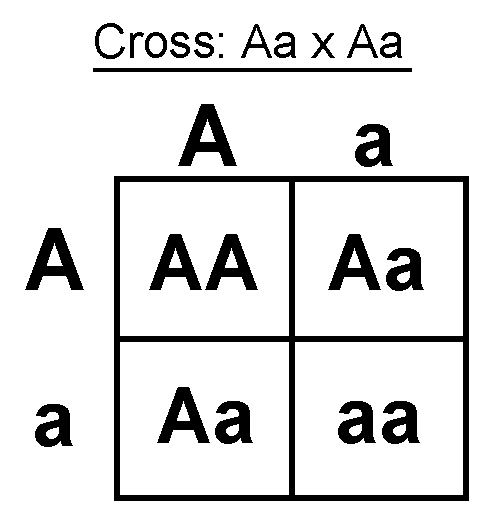
What allele combination should go in the missing box?
a)
AA
b)
Aa
c)
aa
d)
none of these
31.
In a flowering plant species, red flower color (R) is dominant over white flower color (r). What is the genotype of any red-flowering plant resulting from this species?
a)
rr
b)
R
c)
RR
d)
RR or Rr
32.
What is the phenotype of the offspring? (A-Brown hair; a-blond hair) 
a)
50 % Brown Hair and 50% Blond Hair 
b)
25 % Brown Hair and 75% Blond Hair 
c)
75 % Brown Hair and 25% Blond Hair 
d)
0% Brown Hair and 100% Blond Hair 
33.

If a heterozygous parent and a homozygous recessive parent mate, what percentage of their offspring will be dominant?

a)

25%

b)

50%

c)

75%

d)

100%

34.

T - tall and t = short

In the Punnett square, what belongs in the missing square?

a)

tt

b)

Tt

c)

TT

35.

Which of the following alleles is purebred recessive?

a)

Tt

b)

tt

c)

TT

36.

Each one of the boxes on the Punnett square represents what probability of an offspring's genotype?

a)

25%

b)

1%

c)

10%

d)

0%

37.
What does a filled in square represent?
a)
Not affected Female
b)
Not affected Male
c)
Affected Male
d)
Affected Female
38.
How many generations are shown in this pedigree?
a)
1
b)
2
c)
3
d)
4
39.
How many kids did the mother and father from the first generation have?
a)
2
b)
4
c)
5
d)
6
40.
What do half colored symbols represent?
a)
The individual is a carrier (heterozygous).
b)
The individual expresses the trait.
c)
The individual has both recessive alleles.
d)
The individual has both dominant alleles.
41.
What does an open circle represent?
a)
Not Affected Male
b)
Not Affected Female
c)
Affected Male
d)
Affected Female
42.
In the second generation-how many people are carriers of the trait?
a)
2
b)
3
c)
5
d)
6
43.
How many people in this whole pedigree have the trait/disease?
a)
2
b)
3
c)
4
d)
6
44.
How many females are in this pedigree?
a)
3
b)
4
c)
6
d)
7
45.
What is this?
a)
Pedigree
b)
Karyotype
c)
Venn diagram
d)
Punnett Square
46.
Which individual in the first generation is a carrier?
a)
The male
b)
The female
c)
individual 1
d)
None of the above
47.

Objective #13

On a pedigree how do we know if they have the trait?

a)

Not shaded

b)

Shaded

48.

Objective #13

This is a pedigree that follows blue eyes which is a recessive trait. What is the phenotype of the mother (circle) in generation 1?

a)

Brown

b)

Blue

c)

1 blue, 1 brown

49.

How do traits of animals such as ear shape, nose shape, and hair color MOST often get passed to offspring?

a)

sexual reproduction

b)

asexual reproduction

c)

adaptation

d)

instinct

50.

Strawberry plants are capable of reproducing sexually or asexually. When they reproduce sexually, how do the offspring receive their genetic material?

a)

They receive all of their genetic material from a single parent.

b)

They receive the majority of the genetic material from the male plant.

c)

They receive half of their genetic material from each parent.

d)

They receive the majority of the genetic material from the female plant.

51.

Involves two parents and produces offspring different from parents

a)

external fertilization

b)

sexual reproduction

c)

internal fertilization

d)

asexual reproduction

52.

A small growth on an organism that splits and grows into a new organism

a)

regeneration

b)

mitosis

c)

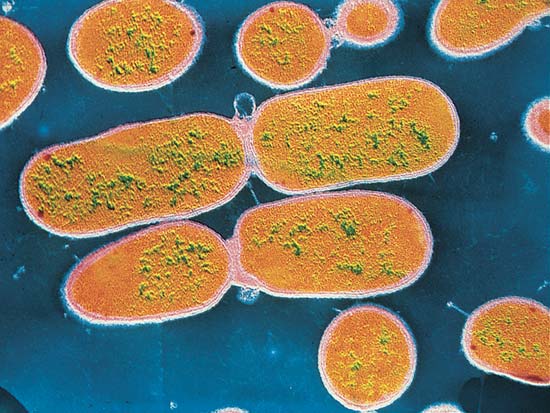
binary fission

d)

budding

53.

When an organism splits into an exact copy

a)

fertilization

b)

binary fission

c)

regeneration

d)

budding

54.

A reproductive process that involves two parents that combine genetic material to produce a new organism, which differs from both parents.

a)

external fertilization

b)

asexual reproduction

c)

sexual reproduction

d)

internal development

55.

Type of reproduction that makes an identical copy of a parent cell

a)

sexual reproduction

b)

asexual reproduction

c)

internal fertilization

d)

external fertilization

56.
The offspring from asexually reproduced organisms are?
a)
Different than their parents
b)
Identical to parents
c)
Like a combination from both parents
d)
A different species
57.
If two organisms reproduce sexually, then their offspring will exhibit a genetic makeup that is -
a)
identical to only one parent
b)
identical to all of its siblings
c)
a unique combination of traits
d)
the recessive traits of each parent
58.
When comparing the offspring of sexually and asexually reproducing organisms, we would expect the genetic material (DNA) of the sexually reproducing organism to -
a)
contain fewer mutations
b)
be lesser in quantity
c)
be simpler overall
d)
show more variation
59.
The genetic material of an offspring of sexually reproducing organisms is best described as–
a)
identical to that of the other offspring
b)
a copy of the genetic material of the mother
c)
a copy of the genetic material of the father
d)
genes from both parents, in unique combinations
60.

What is one advantage of sexual reproduction?

a)

One parent

b)

Greater genetic diversity

c)

Faster