
 Worksheets
N5 Bus Man Understanding Business Quiz
Total questions: 93
Worksheet time: 47mins

Which of the following is considered a basic human need?
Food
Mobile phones
Holidays
Netflix
What is the main difference between a need and a want?
Needs are required for survival, while wants make life more enjoyable.
Needs are always expensive, while wants are cheap.
Needs are things you buy, while wants are things you borrow.
Needs are only for adults, while wants are for children.

Which of the following is an example of a want?
Water
Clothing
Mobile phone
Shelter
Imagine a person living in a developing country who struggles to meet their basic needs. Which of the following items would be least important for their survival?
Shelter
Food
Holidays
Water
If a business wants to help people meet their basic needs, which products should it focus on providing?
Cars and Netflix subscriptions
Food and water
Mobile phones and holidays
Luxury clothing and designer shoes
Which of the following is an example of a durable good?
Mobile phone
Piece of cake
Single journey bus ticket
Haircut
What is the main difference between durable and non-durable goods?
Durable goods can be used more than once, while non-durable goods can only be used once or last for a short period.
Durable goods are always more expensive than non-durable goods.
Non-durable goods are always edible, while durable goods are not.
Durable goods are services, while non-durable goods are products.
Which of the following is considered a service?
Getting your hair done
Buying a television
Purchasing a magazine
Eating a piece of cake
Which of the following is NOT an example of a good?
Internet connection
Clothing
Cars
Washing machines
A plumber fixing a leak in the house is an example of which of the following?
Service
Durable good
Non-durable good
Need
Suppose you buy a pair of shoes that only last for a short period of time. According to the definitions provided, what type of good is this?
Non-durable good
Durable good
Service
Need
If you are going to the doctor for medical advice, what are you receiving?
A service
A durable good
A non-durable good
A want
Which of the following is NOT one of the four factors of production?
Capital
Enterprise
Marketing
Land
What does the factor 'Labour' refer to in the context of production?
The money invested in a business
The employees of a business
The natural resources a business will use
The idea behind a business
Which acronym can be used to remember the four factors of production?
CELL
SELL
CALL
WELL
Which of the following is an example of 'Enterprise' as a factor of production?
The entrepreneur who sets up the business
The tools and equipment used in the business
The land where the business is located
The employees working in the business
If you were starting a new takeaway business, which factor of production would include the building and location?
Capital
Enterprise
Land
Labour
Which of the following items is a service rather than a good?
Box of chocolates
Dog walking
Pair of jeans
Cake
Why is it important not to confuse factors of production with methods of production?
Because factors of production are only used in agriculture
Because methods of production are covered in 'Management of operations'
Because factors of production are not important in business
Because methods of production are the same as factors of production

Apply the four factors of production to a new takeaway business. Which factor would involve hiring cooks and cashiers?
Capital
Enterprise
Land
Labour
Which of the following best defines an entrepreneur?
A person who comes up with the idea for a business and combines the factors of production to start the business.
A person who only invests money in businesses.
A person who works for someone else in a company.
A person who manages government projects.
Which of the following is NOT a common reason someone may decide to start their own business?
To make money
To be their own boss
To avoid working with others
To pursue a hobby or interest

According to the table, which skill is important for an entrepreneur?
Leadership
Laziness
Dishonesty
Indifference
Which quality is listed as important for entrepreneurs in the provided table?
Determined
Unmotivated
Passive
Timid
Why might someone start a business after being made redundant?
They see it as an alternative option for employment.
They want to avoid all work.
They wish to retire early.
They want to travel the world.
Which of the following is an example of spotting a gap in the market?
Noticing demand for a cleaning service in the local area.
Starting a business because everyone else is doing it.
Ignoring customer needs.
Copying an existing business without changes.
Which skill or quality is NOT listed in the table for entrepreneurs?
Organisation
Risk-taking
Innovative
Dishonesty
Entrepreneurs can be found in which of the following places?
Only among famous people
Only in large cities
In the local community
Only in government offices
Which of the following pairs are both skills that an entrepreneur should possess?
Leadership and Communication
Laziness and Dishonesty
Timidity and Indifference
Unmotivated and Passive
Which of the following is a quality that helps entrepreneurs take risks and try new things?
Innovative
Passive
Indifferent
Unmotivated
Which of the following best describes the primary sector of industry?
Extracting raw materials from the environment or growing raw materials
Manufacturing products in factories
Providing services such as gyms and hotels
Selling products in retail stores
What is the main activity of the secondary sector industry?
Providing services to customers
Extracting raw materials
Manufacturing products, such as in factories and house building
Transporting goods
Which sector of industry does a gardening service most likely belong to?
Primary sector
Secondary sector
Tertiary sector
Quaternary sector
A biscuit factory is an example of a business in which sector?
Primary sector
Secondary sector
Tertiary sector
Quaternary sector
Why do most businesses in the UK belong to the tertiary sector?
Because the UK has more raw materials
Because primary and secondary sector businesses have moved abroad for cheaper labour and materials
Because manufacturing is more profitable
Because the government encourages only service businesses
Consider a car showroom. Which sector of industry does it belong to, and why?
Primary sector, because it extracts raw materials
Secondary sector, because it manufactures cars
Tertiary sector, because it provides a service to customers
Quaternary sector, because it deals with information
Can you think of a business that might come under two sectors of industry? Explain your reasoning.
A hotel that also grows its own food (Primary and Tertiary)
A biscuit factory that only manufactures biscuits (Secondary only)
A fishing company that only catches fish (Primary only)
A hairdressing salon that only provides haircuts (Tertiary only)
Needs are things we cannot live without.
True
False
Services are things we can see and touch.
True
False
Non-durable goods are goods that can only be used once or that only last for a short period of time.
True
False
Which of the following are the factors of production?
Capital
Enterprise
Labour
Land
Profit
An entrepreneur is classed as a famous person who has started up a business.
True
False
An entrepreneur will combine the factors of production together to start up the business.
True
False
Businesses in the primary sector extract or grow raw materials.
True
False
A fast food restaurant delivering takeaways would be classified in what sector of business?
Primary
Secondary
Tertiary
Which of the following is a type of private sector organisation?
Sole trader
Local government
Non-profit making organisation
Social enterprise
Which organisation is considered part of the public sector?
Local government
Partnership
Private limited company
Social enterprise
Which of the following is an example of a third sector organisation?
Non-profit making organisation
Private limited company
Sole trader
Local government
What is one of the learning objectives for this topic?
To describe the features, advantages, and disadvantages of different types of business organisations
To calculate business profits
To design marketing campaigns
To create a new product
Which of the following is NOT listed as a type of private sector organisation in the learning objectives?
Social enterprise
Sole trader
Partnership
Private limited company
If you were to compare public sector and third sector organisations, which of the following would be unique to the third sector?
Social enterprises
Local government
Sole traders
Private limited companies
Which of the following is a characteristic of private sector organisations?
Owned by the government
Owned by private individuals
Funded only by taxes
Controlled by public officials
What is a sole trader?
A business owned by multiple partners
A business owned and controlled by one person
A business run by a board of directors
A business funded by the government
Which of the following is NOT a common example of a sole trader?
Window cleaner
Electrician
Hairdresser
Large supermarket chain
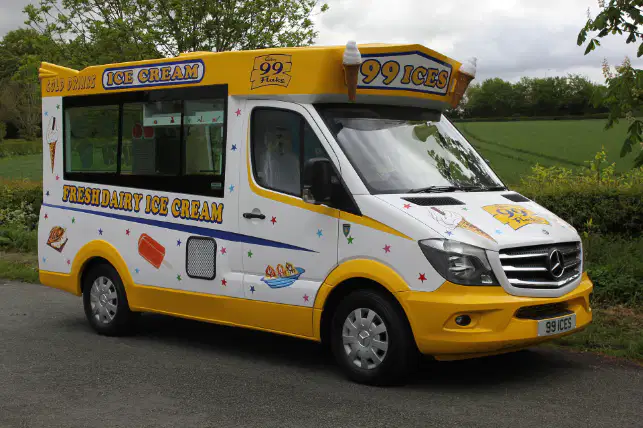
What does the image of the ice cream van illustrate about sole traders?
Sole traders only operate online businesses
Sole traders often run small, local businesses
Sole traders are always large corporations
Sole traders never work in the food industry
What does "unlimited liability" mean for sole traders?
They are not responsible for any debts
Their liability is limited to the amount invested
They are legally responsible for all debts, even using personal savings
They can only lose business assets
Which of the following is an advantage of being a sole trader?
Decisions must be approved by a board
Profits are shared among many owners
The owner gets to keep all profit made to themselves
It requires complicated legal documents to set up
Why can running a sole trader business be stressful?
The owner has no one to consult or share ideas with
The owner must share profits with others
The owner cannot make decisions quickly
The business is always large and complex
Which of the following is a reason why setting up a sole trader business is considered easy?
It requires approval from many people
It involves completing complicated legal documents
It does not involve completing complicated legal documents
It must be registered as a corporation
A sole trader does not have to discuss or compromise on decisions. What is a possible benefit of this?
Decisions can be made quickly
Decisions are always delayed
Decisions require a vote
Decisions must be approved by a board
If a sole trader's business cannot pay its debts, what must the owner do?
Ignore the debts
Use personal savings to pay the debts
Ask the government for help
Sell the business immediately
What is the typical number of owners in a partnership?
Between 2 and 20
Only 1
More than 50
Exactly 100
Which of the following is NOT usually included in a partnership agreement?
The salary for each partner
How profits will be split between partners
The color of the office walls
The key roles and responsibilities of each partner
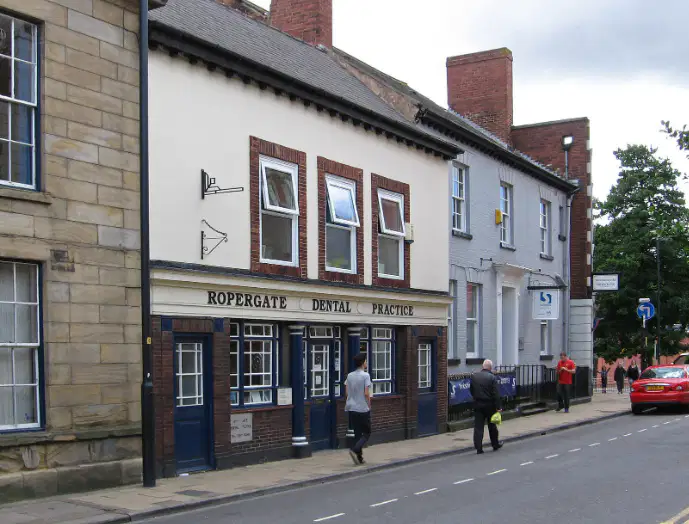
Which type of business is most likely to operate as a partnership?
Dental practice
Supermarket chain
Car manufacturing company
Fast food franchise
What is one advantage of forming a partnership compared to being a sole trader?
Larger amounts of finance can be raised
Only one person makes all decisions
Unlimited liability is avoided
Partners cannot share workload
Why might workload and decision-making be easier in a partnership than for a sole trader?
Because partners can share these responsibilities
Because only one partner works at a time
Because there are no decisions to make
Because partners do not communicate
A sole trader is a business owned by ________, whereas a partnership is a business owned by ________, known as partners.
one person; 2 - 20 people
shareholders; directors
two people; shareholders
board of directors; one person
Sole traders tend to be ________ such as childminders and ________. Partnerships are mostly found in ________ such as GP surgeries and ________.
small businesses; gardeners; professional practices; solicitors
large companies; lawyers; factories; teachers
quick businesses; doctors; schools; nurses
slow businesses; engineers; hospitals; managers
The owner of the sole trader gets to ________ themselves whereas partners have to ________ in a partnership.
keep all profits; split the profits
share profits; keep all profits
split the profits; share losses
keep all profits; share losses
Both sole traders and partnerships have ________ liability.
unlimited
limited
shared
partial
A sole trader makes all decisions by themselves, which tends to be ________, whereas partners must agree and compromise on decisions, which tends to be ________ and may cause fallouts and arguments.
quick; slow
slow; quick
easy; difficult
profitable; risky
What is a share in a private limited company?
A small percentage ownership of the business
A loan given to the company
A type of liability
A business license
Who are the owners of a private limited company?
Shareholders
Directors
Partners
Employees
What does limited liability mean for shareholders in a private limited company?
Shareholders are not legally responsible for the company’s debts
Shareholders must pay all company debts
Shareholders have unlimited liability
Shareholders own all company assets
Who controls a private limited company?
Board of directors
Partners
Employees
Customers
How are profits divided among shareholders in a private limited company?
Through dividends
Through salaries
Through bonuses
Through interest payments
How can you identify a private limited company by its name?
It has the letters LTD at the end
It has the letters PLC at the end
It has the word “Company” at the end
It has the word “Business” at the end
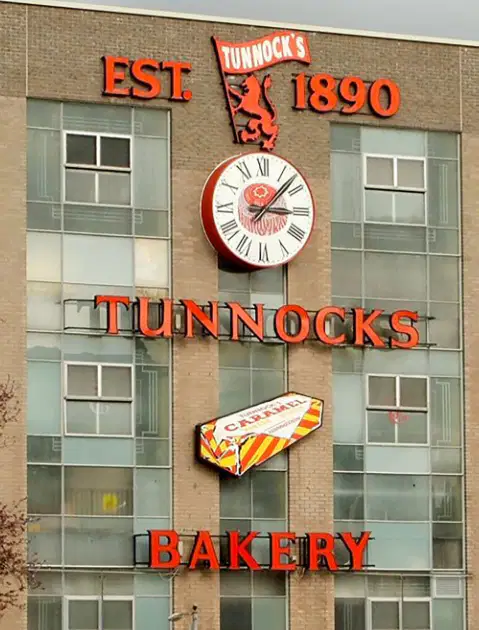
Which of the following is an advantage of a private limited company?
Profits have to be shared between shareholders.
Control of the company cannot be lost to outsiders.
Annual accounts must be produced and shared publicly.
Setting up the company is a lengthy and legally complicated process.
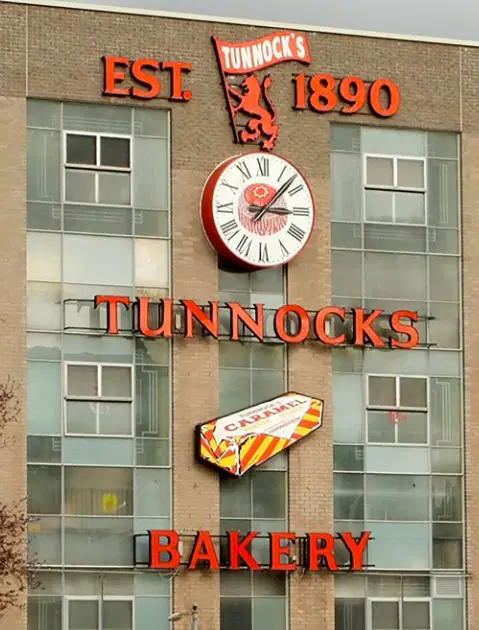
What is a disadvantage of setting up a private limited company?
Shareholders have limited liability.
The business can quickly raise a large amount of capital.
Annual accounts must be produced and shared publicly.
Control of the company cannot be lost to outsiders.
Why can a private limited company quickly raise a large amount of capital?
By selling products to customers.
By taking out bank loans.
By selling shares, known as a share issue.
By reducing expenses.
Explain how limited liability benefits shareholders in a private limited company.
Shareholders are responsible for all company debts.
Shareholders can lose only the money they invested.
Shareholders must share profits with outsiders.
Shareholders have to produce annual accounts.
Compare the process of setting up a private limited company with other types of private sector businesses. What makes it different?
It is quicker and less complicated than other businesses.
It is a much more lengthy and legally complicated process.
It does not require any legal procedures.
It is only available to public sector organizations.
Who owns private limited companies?
Shareholders/share owners
The government
Trustees
Councillors
What type of liability do private limited companies have?
Unlimited liability
Limited liability
Shared liability
No liability
Who can purchase shares in a private limited company?
Anyone
Those invited
Only government officials
Only directors
Which of the following is NOT a characteristic of public sector organisations?
Owned by the government
Controlled by elected officials
Primarily funded through taxation
Owned by private individuals
What is the main source of funding for public sector organisations?
Private investment
Taxation
Share sales
Donations
How often are councillors elected in local authorities in Scotland?
Every two years
Every three years
Every five years
Every ten years
Which services are local councils in Scotland responsible for?
Waste collection, street lighting, and leisure facilities
Banking and insurance
Import and export regulation
Airline management
Why might a private limited company prefer to only allow those invited to purchase shares?
To avoid losing control to outsiders
To increase government funding
To reduce taxation
To expand internationally
Describe the role of local authorities in Scotland in terms of funding and service provision.
They receive money from the Scottish Government and Council Tax to fund vital services for residents
They only collect money from private investors
They do not provide any services
They are responsible for international trade
Which of the following is NOT a characteristic of third sector organisations?
They are not owned by any one particular individual.
They are controlled by a board of trustees.
They are usually funded through donations and fundraising activities.
They are always owned by a single person.
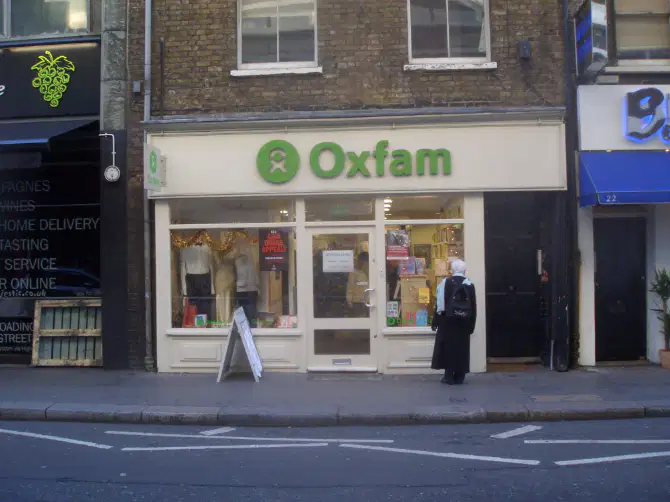
What is the main purpose of a charity?
To make profit for shareholders
To help a particular cause
To sell products for personal gain
To provide loans to businesses

