
NEW
Font size
 Worksheets
DNA Structure, Function and Replication
Total questions: 60
Worksheet time: 30mins
What is the structure of DNA described as?
A single-stranded molecule with ribose sugar
A double helix composed of nucleotides
A circular structure found in the cytoplasm
A protein chain with amino acids
What is the role of telomerase in DNA replication?
It unwinds the DNA strands during replication
It adds repetitive sequences to the ends of chromosomes to prevent degradation
It synthesizes proteins for DNA repair
It removes damaged sections of DNA during replication
Which scientist is associated with research on telomeres and their relationship to aging?
Dr. Watson
Dr. Crick
Dr. Blackburn
Dr. Franklin
What is the relationship between chromosomes and aging?
Chromosomes shorten as cells age, leading to cell death
Chromosomes grow longer with age, causing mutations
Chromosomes remain unchanged throughout the aging process
Chromosomes are replaced entirely during aging
What does DNA stand for?
Deoxyribose Nucleic Acid
Deoxyribonucleic Acid
Deoxyribonucleic Atom
Deoxyribose Nucleic Atom
What is the name of the shape of DNA?
Twisted Ladder
Double Helix
Spiral Chain
Helical Bond
What forms the rungs of the DNA ladder?
Sugar phosphate backbone
Nitrogen-containing base pairs
Chemical bonds
Twisted molecules
What forms the sides of the DNA ladder?
Nitrogen-containing base pairs
Sugar phosphate backbone
Chemical attractions
Twisted molecules
Why does the DNA ladder twist into a double helix?
Due to nitrogen base pairs
Due to sugar phosphate backbone
Due to chemical attractions (bonds) of the molecules
Due to microscopic visibility
What does DNA serve as a code for in the body?
Carbohydrates
Proteins
Lipids
Vitamins
Which of the following statements is true about DNA?
Only animals have DNA.
Only plants have DNA.
Every living thing has DNA.
Only humans have DNA.
What does the presence of DNA in all living things imply?
All living things are identical.
All living things share a common feature.
Only animals and plants are related.
DNA is unique to humans.
What is one of the essential functions of genetic material (DNA)?
To store information that can be passed from one generation to the next
To produce energy for cellular activities
To regulate the body's temperature
To transport oxygen in the blood
Why must DNA be strong and stable?
To prevent harmful mutations from occurring
To allow it to dissolve in water
To make it easier to break down during cell division
To ensure it can produce energy for the cell
Why is it important for DNA to have the ability to undergo minor changes (mutations)?
To produce variations in the population
To eliminate all genetic diversity
To ensure the DNA remains identical in all organisms
To prevent the evolution of species
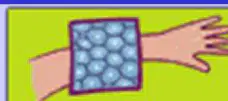
What is every living thing made of?
Atoms
Cells
Molecules
Proteins
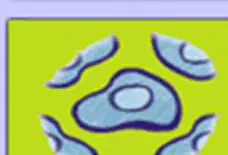
What is the function of the nucleus in most plant and animal cells?
It stores energy for the cell.
It tells the cell what to do.
It helps the cell move.
It produces proteins for the cell.
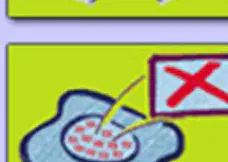
Where are chromosomes located in a cell?
In the cytoplasm
In the cell membrane
Inside the nucleus
In the mitochondria
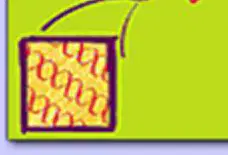
What are chromosomes made of?
Proteins
RNA strands
Long strands of tightly coiled DNA
Lipids
If the DNA from a human cell were stretched out, approximately how long would it be?
Six inches
Six feet
Six meters
Six kilometers
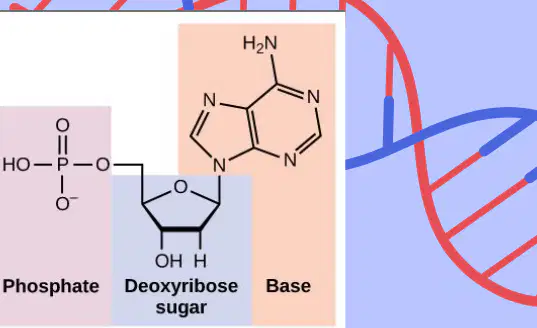
What are the three components of a nucleotide?
Nitrogen-containing base, phosphate, deoxyribose sugar
Nitrogen-containing base, ribose sugar, phosphate
Phosphate, ribose sugar, uracil
Adenine, guanine, cytosine
Approximately how many base pairs are present in the human genome?
3 million
3 billion
1,000
300,000
Which base pairs are chemically bonded in DNA?
Adenine pairs with cytosine, guanine pairs with thymine
Adenine pairs with thymine, guanine pairs with cytosine
Adenine pairs with guanine, thymine pairs with cytosine
Adenine pairs with uracil, guanine pairs with cytosine
What is the approximate number of base pairs in a gene?
1,000
10,000
100
3 billion
Who studied DNA structure at Cambridge in the 1950s?
Linus Pauling
Rosalind Franklin
Watson and Crick
Chargaff
What method did Linus Pauling use to discover protein structures?
X-ray crystallography
DNA sequencing
Microscopy
Gel electrophoresis
Who researched DNA structure in Wilkins' lab?
Watson
Rosalind Franklin
Crick
Chargaff
What did Chargaff's rules demonstrate about DNA molecules?
DNA is a double helix
Nucleotide pairing in DNA molecules
DNA replication process
Protein synthesis
In what year did Watson, Crick, and Wilkins win the Nobel Prize?
1950
1962
1970
1945
Why was Rosalind Franklin not credited for her contributions to DNA research?
She did not publish her findings
She was a woman
Her work was incorrect
She worked in a different field
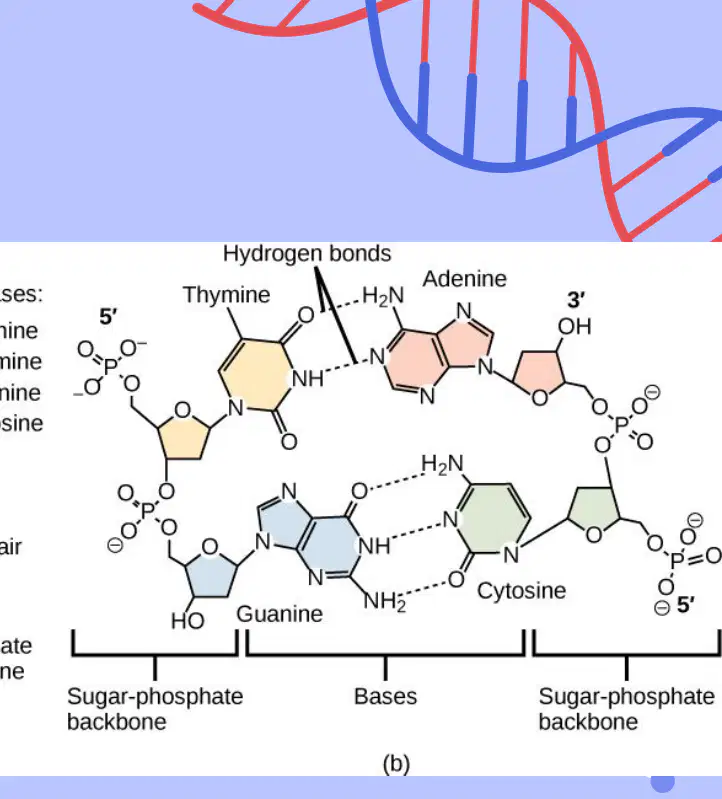
What are the four nitrogenous bases found in DNA?
Adenine, Thymine, Guanine, Cytosine
Adenine, Uracil, Guanine, Cytosine
Thymine, Uracil, Guanine, Cytosine
Adenine, Thymine, Guanine, Uracil
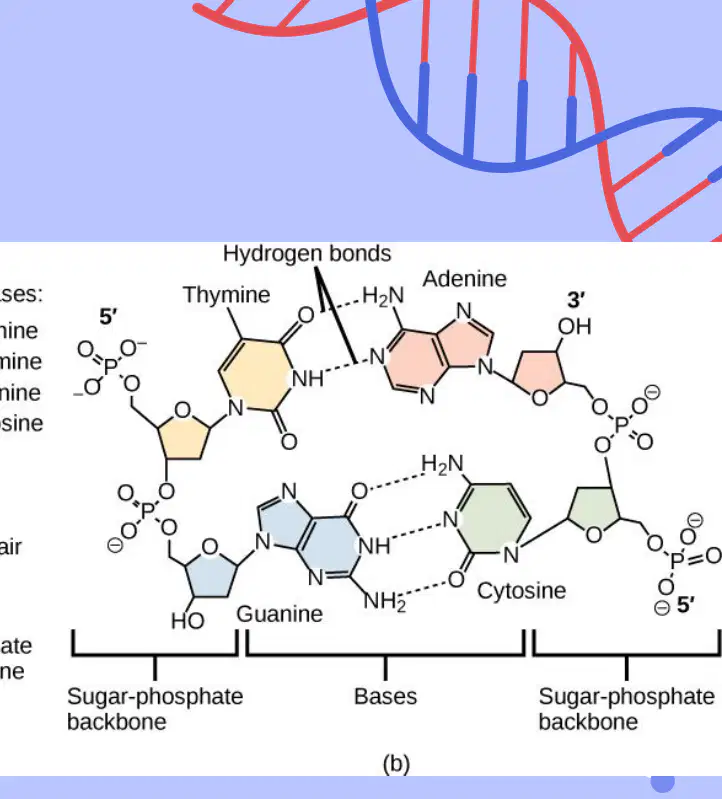
What type of bond holds the nitrogenous bases together in the DNA structure?
Covalent bonds
Ionic bonds
Hydrogen bonds
Metallic bonds
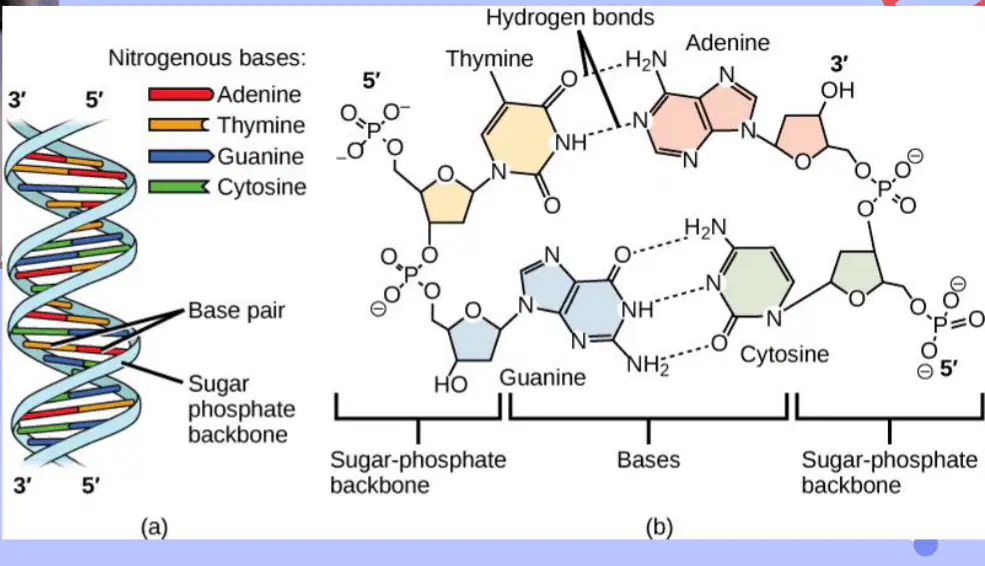
What is the backbone of the DNA structure made of?
Nitrogenous bases and hydrogen bonds
Sugar and phosphate molecules
Proteins and lipids
Amino acids and nucleotides
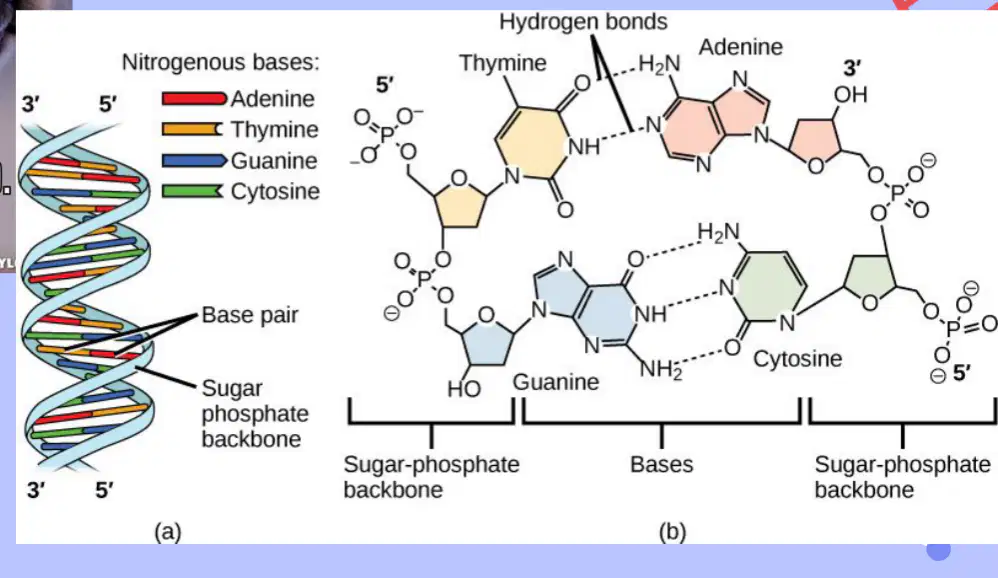
Which nitrogenous base pairs with Thymine in DNA?
Cytosine
Guanine
Adenine
Uracil
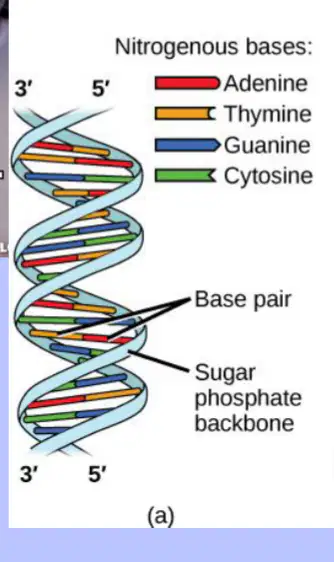
What is the orientation of the two strands in a DNA molecule?
Parallel
Antiparallel
Perpendicular
Random
What phase of the cell cycle does DNA replication occur in?
G1 phase
S phase
G2 phase
M phase
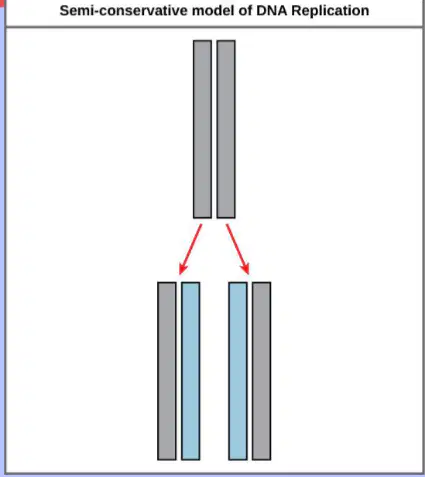
What is the term used to describe the process where DNA uses a template strand to make a copy?
Conservative process
Semiconservative process
Dispersive process
Replicative process

Which enzyme is responsible for unwinding the DNA strand during replication?
DNA polymerase
DNA ligase
DNA helicase
RNA polymerase
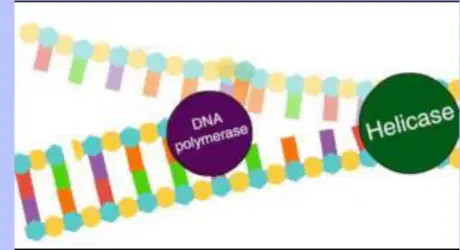
What does the suffix "ase" in enzyme names indicate?
Enzymes are carbohydrates
Enzymes are lipids
Enzymes are proteins important to metabolic processes
Enzymes are nucleic acids
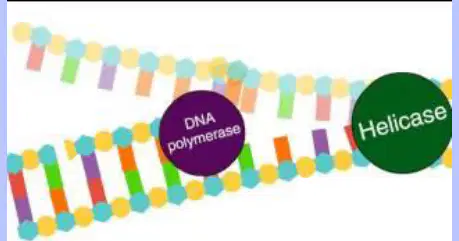
Which of the following is NOT a tool used in DNA replication?
DNA helicase
DNA polymerase
DNA ligase
RNA ligase
What are the three stages of eukaryotic DNA replication?
Initiation, elongation, and termination
Transcription, translation, and replication
Denaturation, annealing, and extension
Unwinding, pairing, and sealing
What is the role of helicase in DNA replication?
It synthesizes the leading strand.
It unwinds DNA, creating Y-shaped replication forks.
It seals gaps between Okazaki fragments.
It forms nucleosomes by binding DNA to histones.
Which strand is synthesized continuously during DNA replication?
Lagging strand
Leading strand
Okazaki strand
RNA primer strand
What is the function of DNA ligase in DNA replication?
It unwinds the DNA strands.
It synthesizes RNA primers.
It seals gaps between Okazaki fragments.
It forms the replication fork.
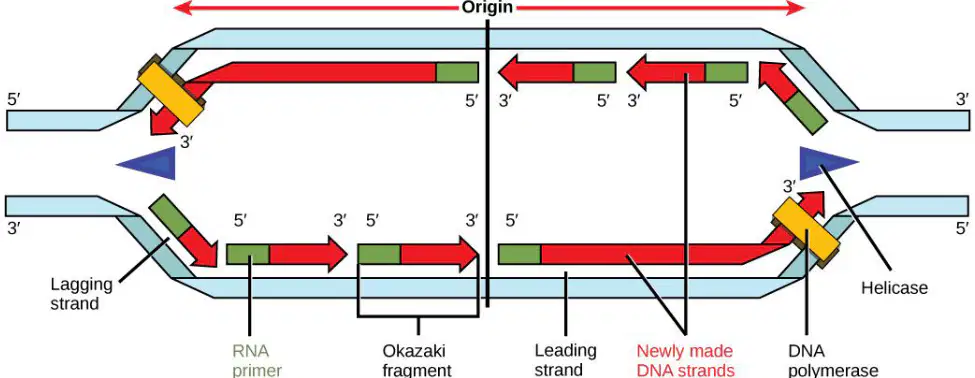
What are Okazaki fragments?
Fragments of DNA synthesized on the leading strand.
Fragments of RNA primers used in replication.
Short DNA fragments synthesized on the lagging strand.
Fragments of histones bound to DNA.
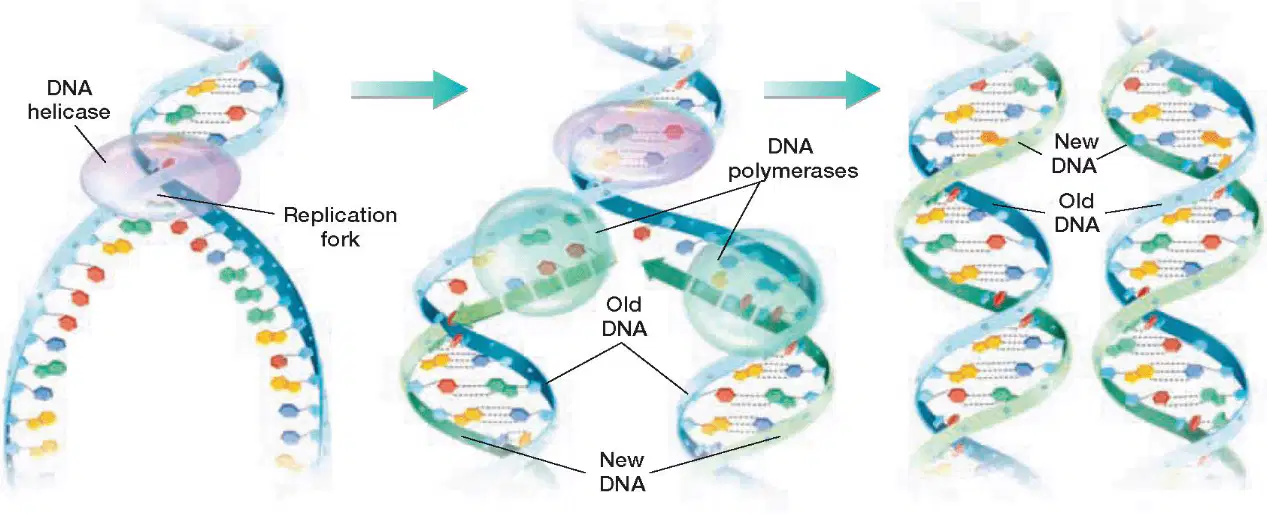
What is the first step in the process of DNA replication?
DNA polymerases add complementary nucleotides to each strand.
Two DNA molecules form that are identical to the original DNA molecule.
The original DNA strands separate.
DNA strands are destroyed and replaced.
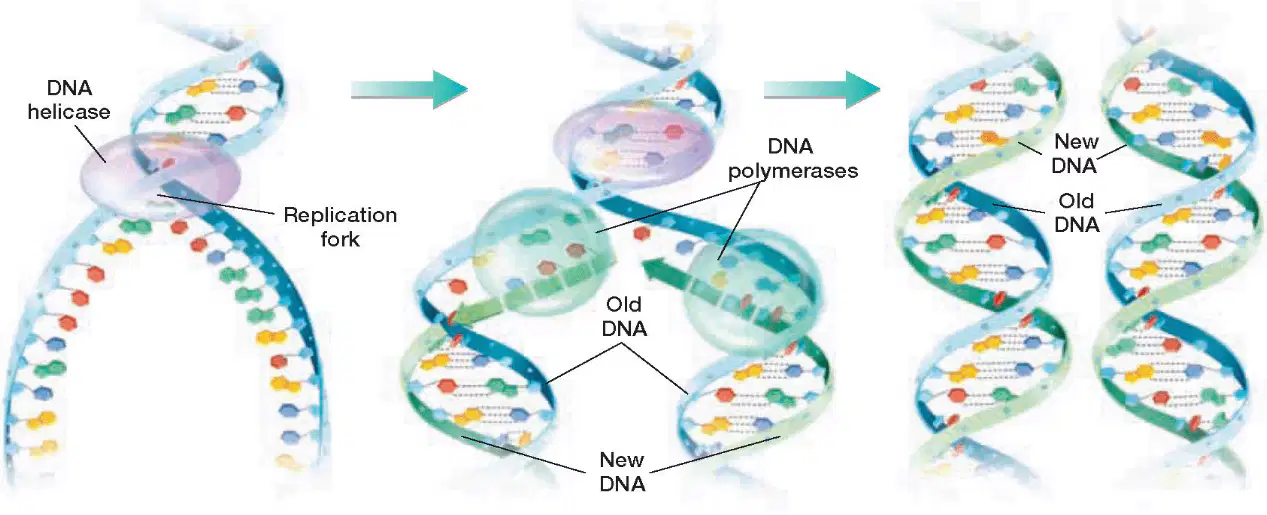
Which enzyme is responsible for separating the original DNA strands during replication?
DNA polymerase
DNA helicase
RNA polymerase
Ligase
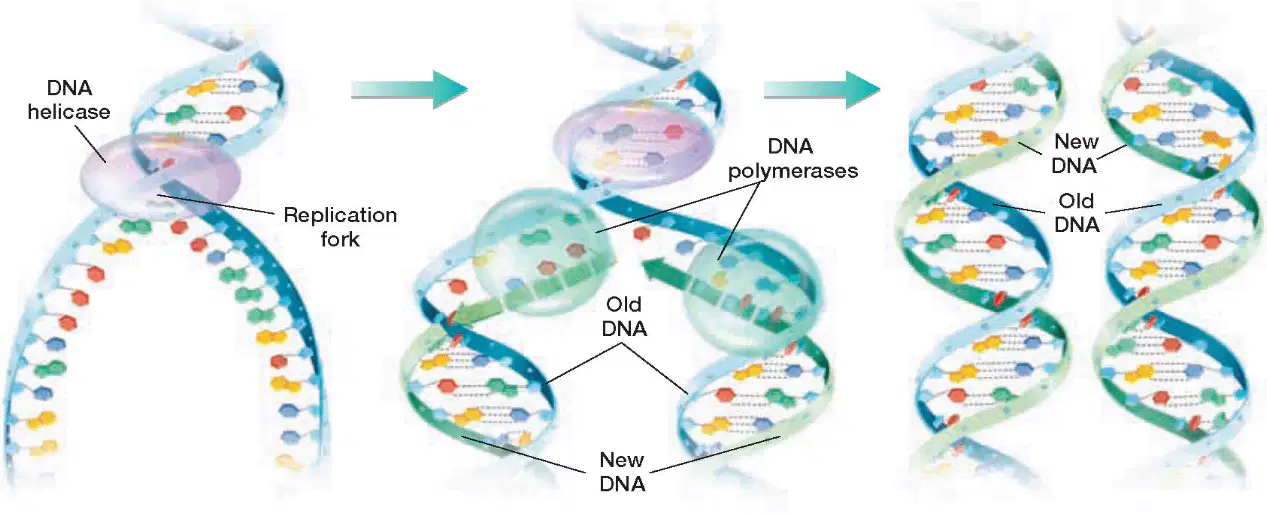
What role do DNA polymerases play in DNA replication?
They separate the DNA strands.
They add complementary nucleotides to each strand.
They form the replication fork.
They destroy the old DNA strands.
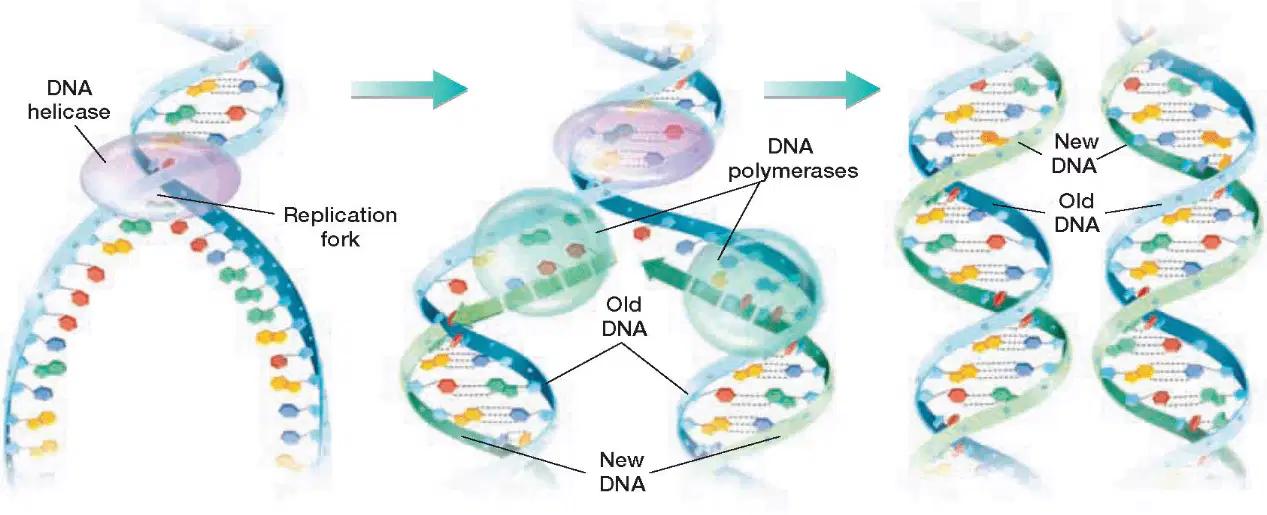
What is the final result of DNA replication?
Two DNA molecules that are identical to the original DNA molecule.
One DNA molecule with a new strand and one with an old strand.
Two DNA molecules that are completely different from the original DNA molecule.
A single DNA molecule with double the number of nucleotides.
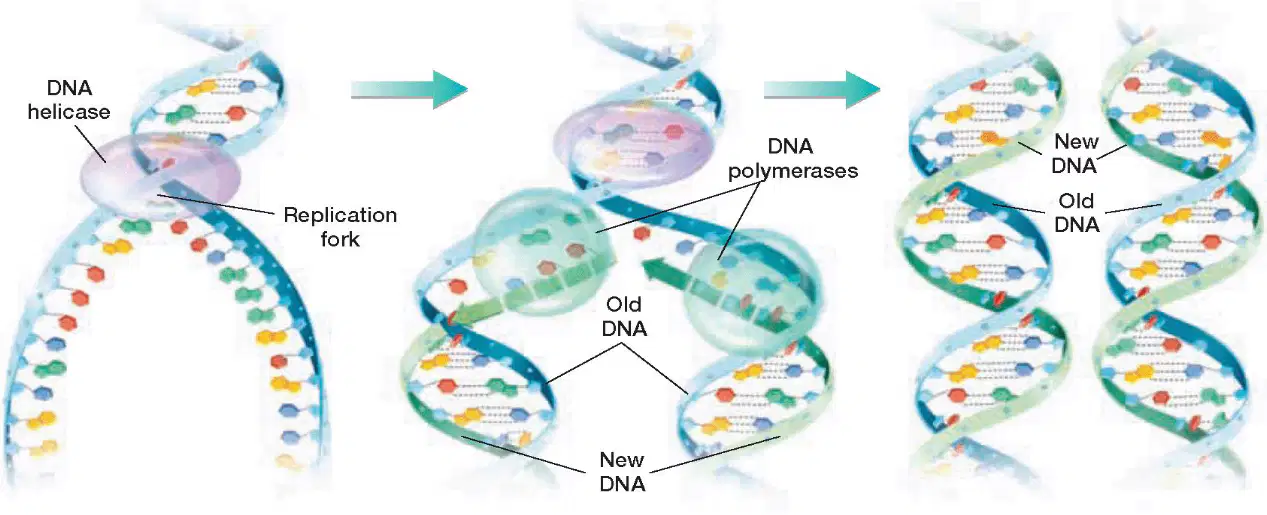
What is the structure called where the DNA strands separate during replication?
Replication fork
DNA polymerase
DNA helicase
Nucleotide junction
What is the primary challenge in DNA replication for eukaryotic chromosomes?
Circular chromosome structure
Linear chromosome structure
Excessive nucleotide addition
Lack of DNA polymerase
What is the role of telomeres in DNA replication?
They initiate DNA replication.
They shorten with each replication to protect genes.
They elongate the chromosome ends.
They prevent DNA polymerase from functioning.
Which enzyme helps maintain chromosome ends by elongating lagging strands?
DNA polymerase
Telomerase
RNA primer
Sliding clamp
In which types of cells is telomerase active?
Germ cells, adult stem cells, and some cancer cells
Skin cells, muscle cells, and nerve cells
Red blood cells, white blood cells, and platelets
Bone cells, cartilage cells, and fat cells
Who won the Nobel Prize in 2009 for the discovery of telomerase?
James Watson
Elizabeth Blackburn
Rosalind Franklin
Francis Crick
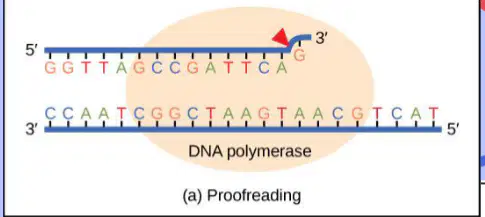
What is the role of DNA polymerase during DNA replication?
It removes incorrect bases and replaces them.
It adds nucleotides but can make errors during replication.
It unwinds DNA to remove thymine dimers.
It ensures sunlight sensitivity and early skin cancer.
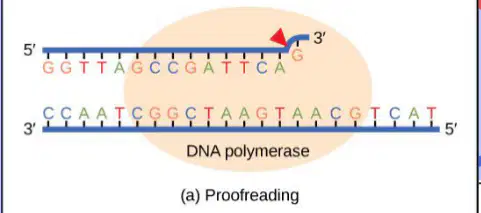
Which mechanism corrects most mistakes during DNA replication by editing newly added bases?
Mismatch repair
Proofreading mechanism
Nucleotide excision repair
DNA polymerase mistakes
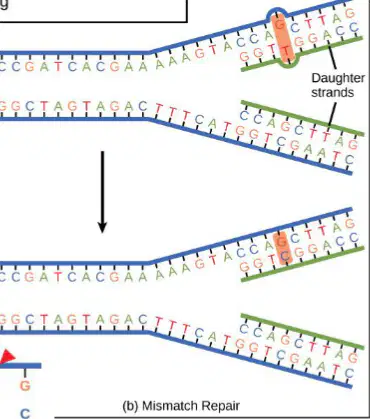
What is the primary function of mismatch repair in DNA replication?
To unwind DNA and remove thymine dimers
To excise incorrect bases and replace them, ensuring DNA accuracy
To add nucleotides during replication
To increase sunlight sensitivity
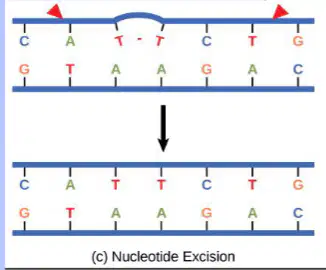
What does nucleotide excision repair primarily address in DNA?
It corrects thymine dimers by unwinding DNA and removing incorrect bases.
It adds nucleotides during replication.
It ensures proofreading of newly added bases.
It excises incorrect bases and replaces them.
What are the potential consequences of uncorrected mutations in DNA?
Increased DNA accuracy
Permanent changes and increased cancer risk
Removal of thymine dimers
Enhanced proofreading mechanism

