
Font size
 Worksheets
Understanding Waste and Its Types
Total questions: 98
Worksheet time: 49mins
What is waste?
Something we need and use every day
Anything we don't need or want anymore
Only old food and crumpled paper
Something that is always a gas
Which of the following is an example of solid waste?
Spilled soda
Used cooking oil
Old toys and food scraps
Methane gas
What is the most common source of liquid waste in our homes?
Spilled soda
Used cooking oil
Water from bathrooms
Methane gas
What type of waste is created when fuels like gas, oil, or coal are burned?
Solid waste
Liquid waste
Gas waste
Recycled waste
What is the name of the gas waste created by burping cows?
Carbon dioxide
Methane
Oxygen
Nitrogen
What happens to plant and animal waste in the natural environment?
It is thrown away and cannot be reused.
It is reused for another important purpose.
It is harmful to the environment.
It is stored in special containers.
What does the term "biodegradable" mean?
Materials that cannot break down naturally.
Materials that are broken down and return to nature.
Materials that are harmful to the soil.
Materials that are made of plastic.
What are decomposers?
Creatures that build soil structures.
Creatures that break down organic material.
Creatures that eat only plants.
Creatures that live in water.
Why are decomposers important for the soil?
They make the soil dry and hard.
They break down organic material to make the soil useful.
They remove nutrients from the soil.
They prevent plants from growing.
What is organic material?
Material that was never alive.
Material that was alive but is now dead.
Material made of plastic and metal.
Material that cannot decompose.
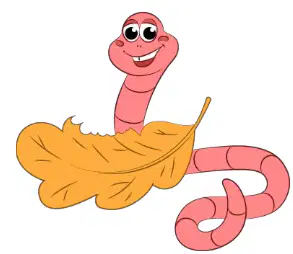
Decomposers are represented by which of the following in the diagram?
Worm
Grass
Rabbit
Sun
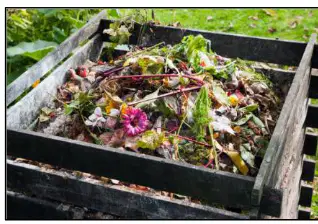
What is compost made of?
Decomposed organic material
Plastic and glass
Cheese and medicines
Rocks and minerals
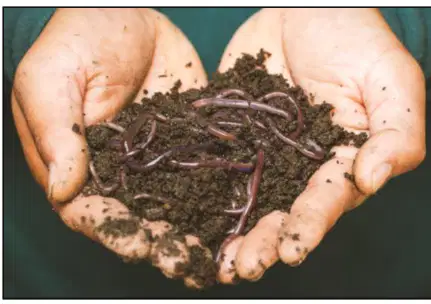
What do decomposers do?
Break down dead plants and animals into soil
Create plastic from waste
Eat living plants and animals
Turn soil into rocks
Which of the following is an example of a decomposer?
Mushroom
Cheese
Glass
Medicines
What should you NOT compost?
Cheese, medicines, and glass
Fruits, vegetables, and eggshells
Paper, coffee, and tea
Dead plants and animals
Why is worm cast valuable for soil?
It is a very valuable fertilizer
It turns soil into rocks
It makes soil dry and hard
It removes nutrients from soil
What happens when decomposers break down dead matter?
Nutrients and mineral salts are released into the soil
The soil becomes dry and hard
The soil turns into rocks
The soil loses all nutrients
What is recyclable waste?
Waste that cannot be reused
Waste that can be turned into something new
Waste that is only made of glass
Waste that is thrown away forever
Which of the following is an example of recyclable waste?
Plastic bags
Soda cans
Food scraps
Broken electronics
What can paper and cardboard be recycled into?
New plastic items
New metal items
New paper or cardboard
New glass items
Why is recycling important?
It increases landfill waste
It saves resources and reduces pollution
It uses more energy than making new items
It creates more waste
What happens to glass bottles and jars during recycling?
They are turned into metal items
They are melted down and made into new glass items
They are thrown away
They are turned into cardboard
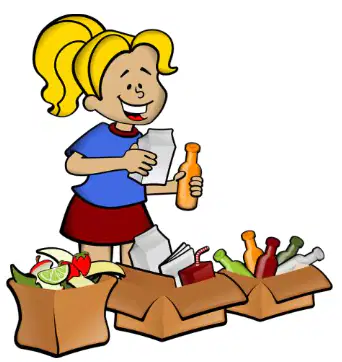
How does recycling reduce pollution?
By creating more waste
By using new materials
By making new items from recycled materials
By increasing landfill waste
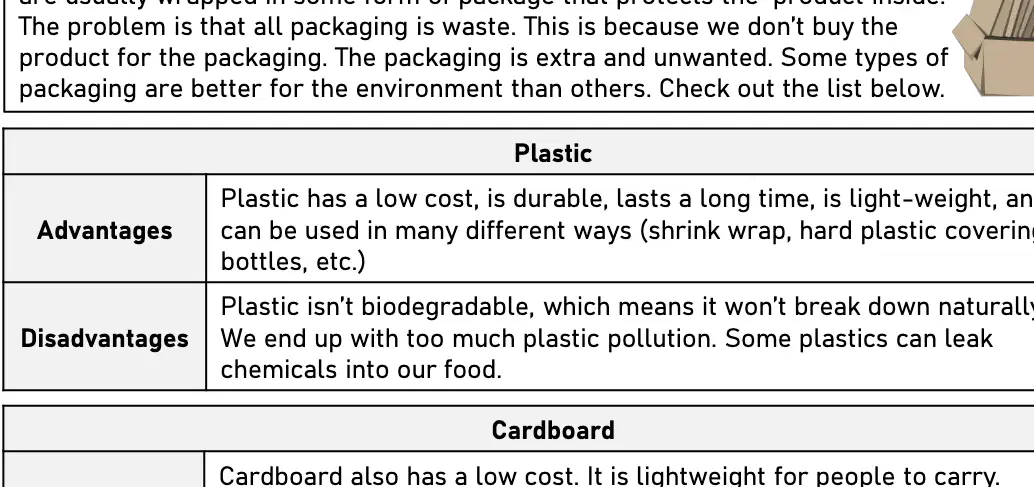
What is one advantage of using plastic as a packaging material?
It is biodegradable.
It is lightweight and durable.
It is expensive to produce.
It decomposes quickly.

Which of the following is a disadvantage of using cardboard as a packaging material?
It is not biodegradable.
It is expensive to produce.
It can be damaged by water and deformed easily.
It cannot be recycled.

What is one advantage of aluminum as a packaging material?
It is biodegradable.
It is 100 percent recyclable and can be repurposed quickly.
It is lightweight but cannot be recycled.
It is inexpensive but non-renewable.

Which of the following is a disadvantage of using glass as a packaging material?
It is not recyclable.
It costs a lot and can break easily.
It decomposes quickly.
It cannot store contents for a long time.
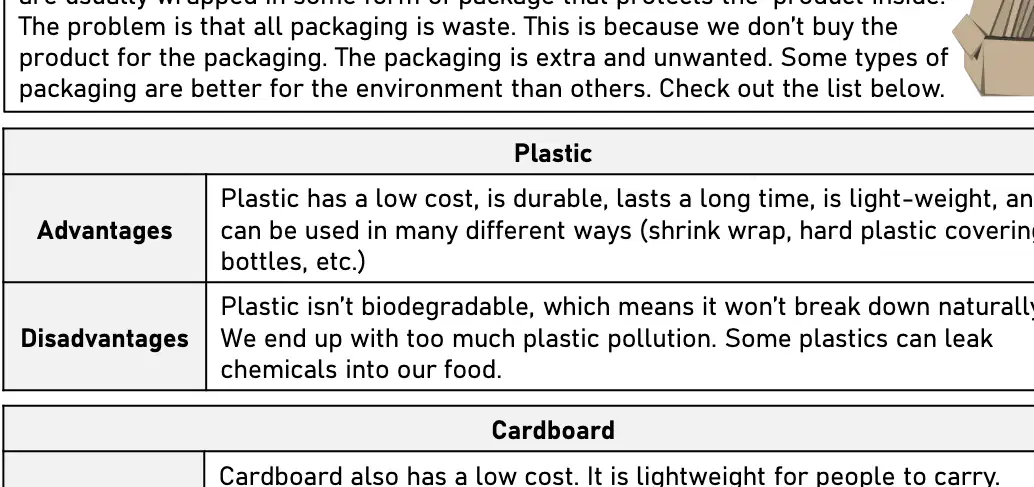
Why is plastic considered harmful for the environment?
It is expensive to produce.
It is biodegradable and decomposes quickly.
It is not biodegradable and can lead to pollution.
It cannot be used in many ways.

What is one reason aluminum is considered a non-renewable resource?
It can be recycled quickly.
Once we run out of aluminum, it is gone forever.
It is inexpensive to produce.
It is biodegradable.

How long can it take for glass to decompose if not recycled?
1 year
10 years
100 years
1 million years
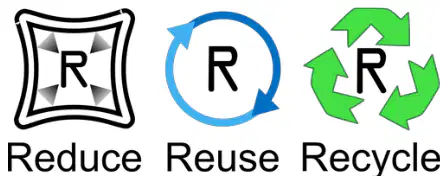
What are the three R's mentioned in the document to help decrease waste?
Reduce, Reuse, Recycle
Reduce, Remove, Recycle
Reuse, Replace, Recycle
Reduce, Reuse, Replace
Why is buying plastic water bottles and throwing them in the garbage bad for the environment?
It increases pollution and harms ecosystems.
It helps reduce waste.
It is biodegradable.
It improves air quality.
What is one way to reduce waste when buying water bottles?
Buy reusable water bottles.
Buy more plastic water bottles.
Throw away water bottles after use.
Avoid drinking water.
What is an example of reusing items to reduce waste?
Writing on the back of a page or using scrap paper.
Throwing old items in the garbage.
Buying new items frequently.
Recycling plastic bottles.
What happens to materials when they are recycled?
They are sent to factories to be sorted and reused for new products.
They are thrown into landfills.
They are burned to reduce waste.
They are buried underground.
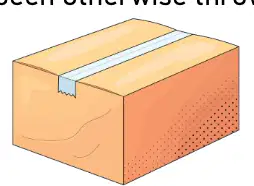
Which materials can be recycled to make new products?
Plastic, cardboard, and metal
Glass, wood, and fabric
Food waste, paper, and rubber
Sand, soil, and rocks
What are the new 7 R's mentioned in the text to help reduce waste?
Refuse, Repair, Regift, Recover, Recycle, Reduce, Reuse
Refuse, Repair, Regift, Recover, Recycle, Replace, Rebuild
Refuse, Repair, Regift, Recover, Recycle, Recreate, Replant
Refuse, Repair, Regift, Recover, Recycle, Reorganize, Rebuild
What does the term "refuse" mean in the context of waste management?
To throw away all waste without sorting
To consider leftover waste that cannot be recycled
To repair old items instead of buying new ones
To compost organic waste
Which of the following is an example of "repair" as mentioned in the text?
Composting food scraps
Posting items online for someone else to use
Putting new soles on old shoes
Throwing away old items
What does "regift" mean according to the text?
To throw away items you no longer need
To give items you don’t like anymore to someone who will appreciate them
To repair old items to make them usable again
To compost organic waste
Why is composting organic waste good for the environment?
It reduces the amount of packaging waste
It creates nutrient-rich soil
It helps repair old items
It prevents items from being regifted
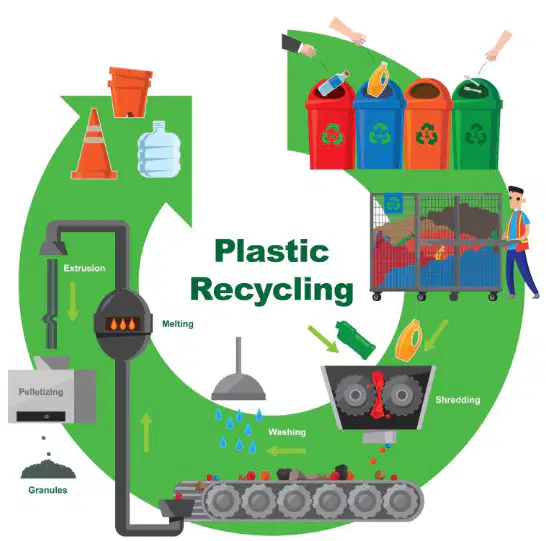
What is the first step in the journey of recycled plastic?
Sorting
Collection
Cleaning
Shredding
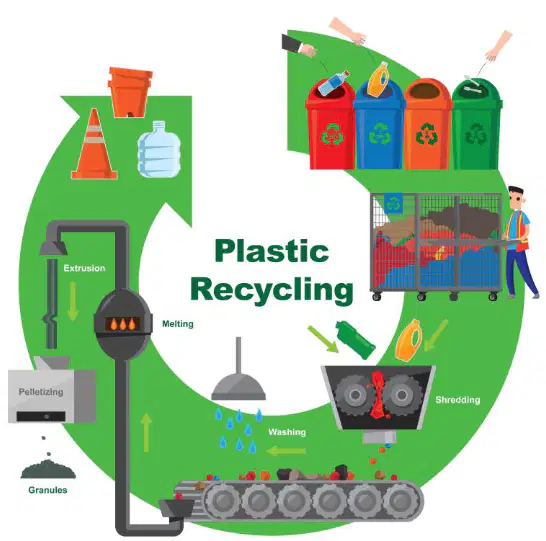
What happens during the sorting step in plastic recycling?
Plastic is melted into pellets.
Plastic waste is cleaned.
Different materials like paper, plastic, glass, and metals are separated.
Plastic is shredded into tiny pieces.
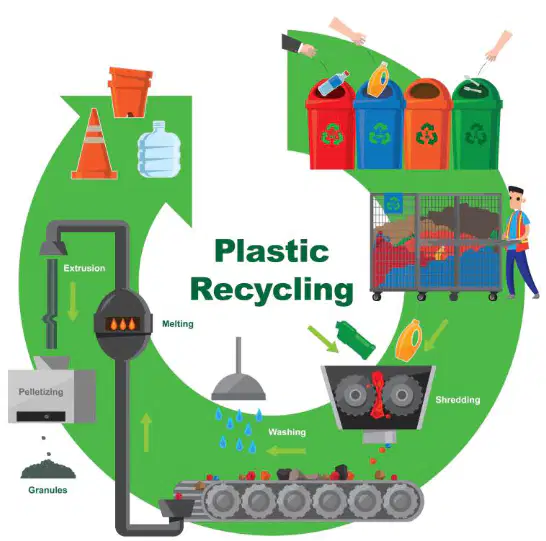
Why is cleaning the plastic waste important in the recycling process?
To make the plastic colorful.
To remove dirt, food, or other stuff for the next step.
To melt the plastic into pellets.
To shred the plastic into tiny pieces.
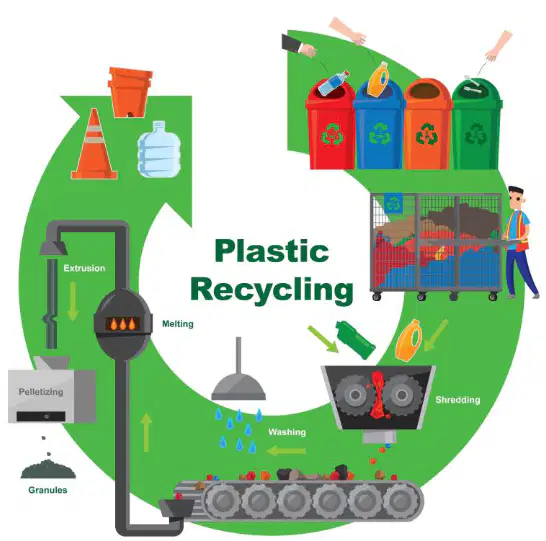
What happens to the plastic during the shredding step?
It is melted into pellets.
It is cleaned to remove dirt.
It is shredded into tiny pieces called flakes.
It is sent to factories to make new products.
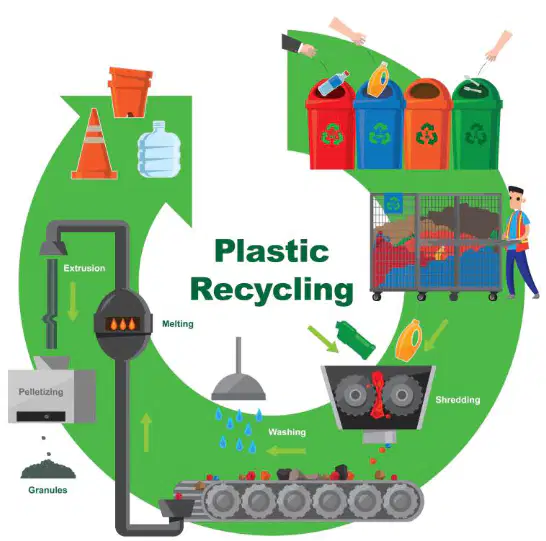
What are the pellets made during the melting and reshaping step used for?
To clean the plastic waste.
To sort different materials.
To make new products like clothing, toys, and bottles.
To shred the plastic into flakes.
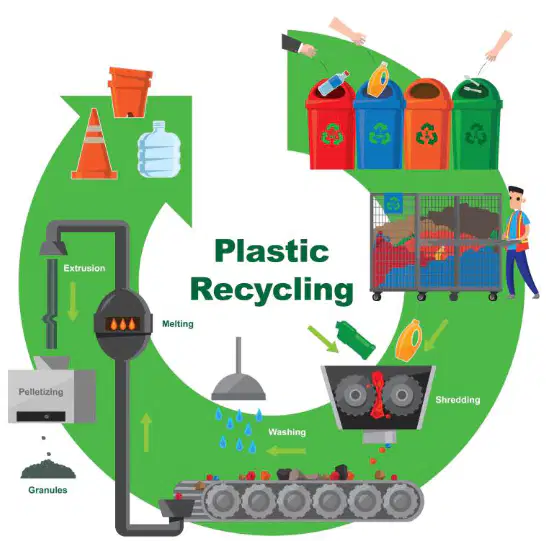
What is the final step in the journey of recycled plastic?
Cleaning the plastic waste.
Sending pellets to factories to make new products.
Sorting different materials.
Shredding the plastic into flakes.
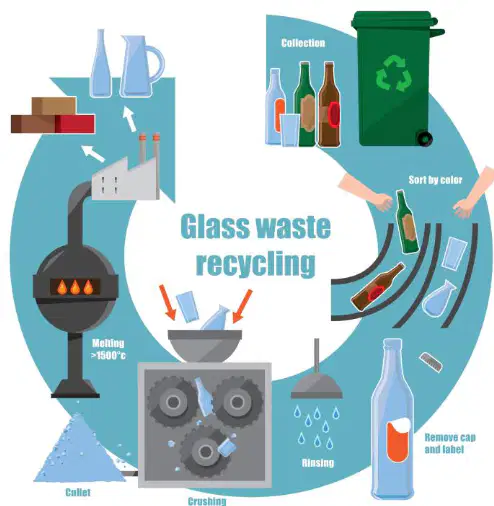
What is the first step in the journey of recycled glass?
Sorting the glass by color
Crushing the glass into cullet
Collecting glass bottles and jars
Melting the glass in a furnace
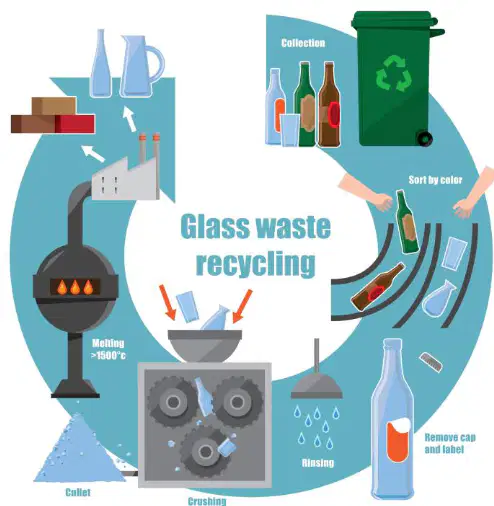
What happens to the glass during the sorting step?
It is melted into liquid glass
It is sorted by color into separate piles
It is shaped into new products
It is crushed into tiny pieces called cullet
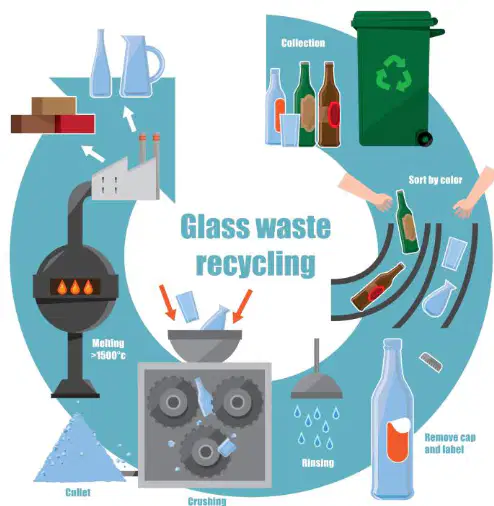
What is the term used for the tiny pieces of crushed glass?
Shards
Fragments
Cullet
Pebbles
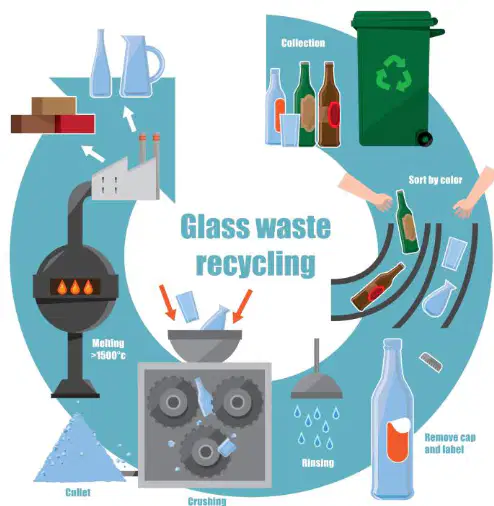
What happens to the cullet in the melting step?
It is shaped into new products
It is sorted by color
It is melted in a furnace to form liquid glass
It is cooled and checked for safety
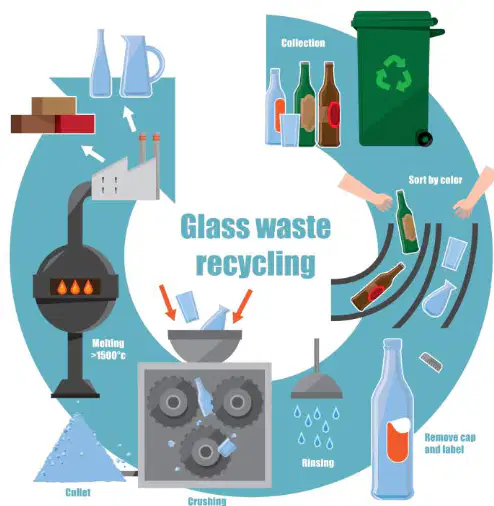
What is the final step in the journey of recycled glass?
Sorting the glass by color
Cooling and checking the shaped glass
Crushing the glass into cullet
Melting the glass in a furnace
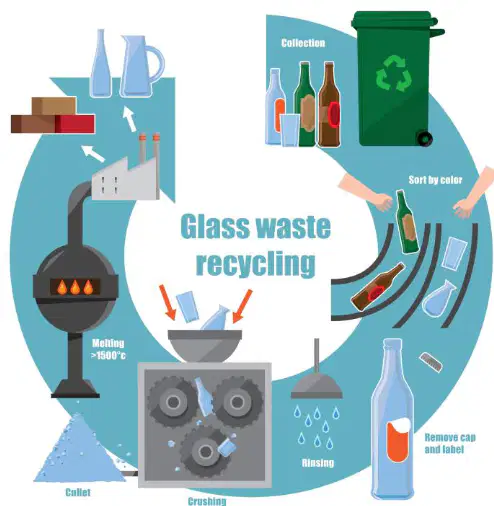
What can recycled glass be shaped into?
Plastic containers
Paper products
New bottles, jars, drinking glasses, and vases
Metal cans
What is the first step in the journey of recycled paper?
Sorting the paper by type.
Shredding the paper into tiny pieces.
Collecting the paper from houses.
Drying the paper on large screens.
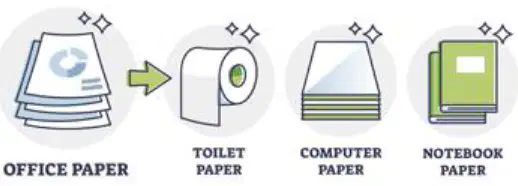
What happens to the paper during the shredding and soaking step?
It is sorted by type.
It is mixed with warm water and turned into pulp.
It is rolled into thin sheets of paper.
It is cleaned and screened to remove unwanted materials.
What is removed from the pulp during the cleaning step?
Water and ink.
Inks, glues, and other unwanted stuff.
Cardboard and newspaper.
Tiny pieces of paper.
What is the final step in the journey of recycled paper?
Sorting the paper by type.
Making new things like notebooks and newspapers.
Drying the pulp on large screens.
Shredding the paper into tiny pieces.
What is pulp described as during the recycling process?
A thin sheet of paper.
A thick soup-like material.
A roll of recycled paper.
A type of cardboard.
What happens to the clean pulp during the drying and rolling step?
It is shredded into tiny pieces.
It is turned into thin sheets of paper and rolled into big rolls.
It is sorted by type.
It is mixed with warm water.
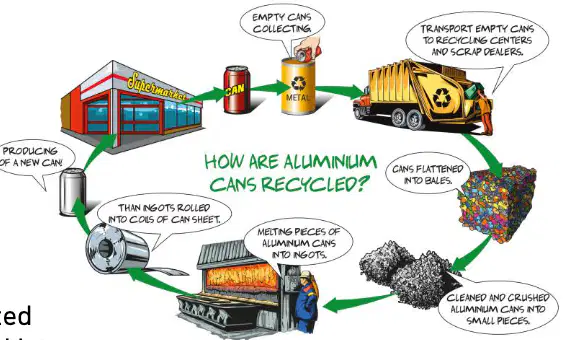
What is the first step in the journey of recycled metal?
Melting
Collection
Purification
Forming
Why is sorting metal important at the recycling center?
To make the metal shiny
To separate different types of metal for proper recycling
To melt the metal faster
To create new designs
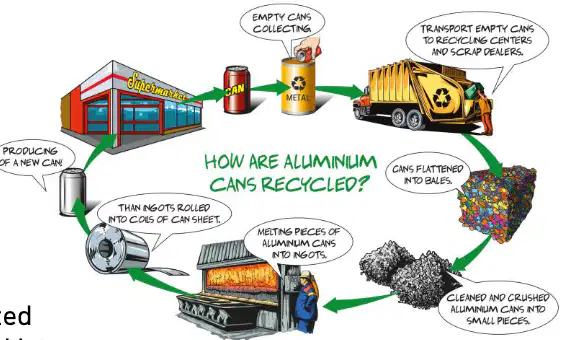
What happens to the metal during the shredding process?
It is melted into liquid
It is purified
It is shredded into smaller pieces
It is turned into new items
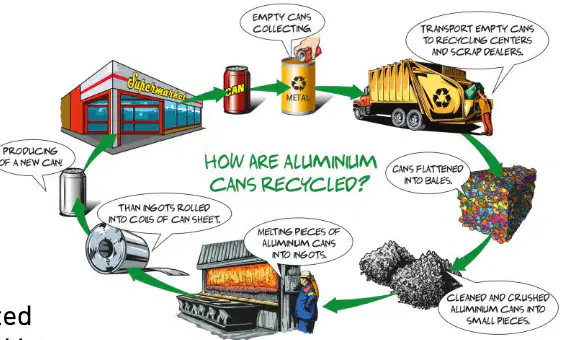
Which metal melts at a lower temperature than steel?
Copper
Aluminum
Iron
Bronze
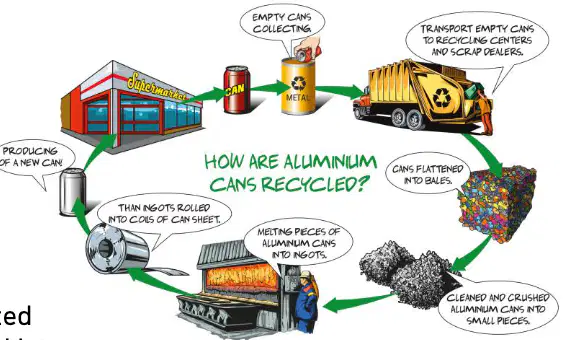
What is the purpose of purification in the recycling process?
To remove impurities from the melted metal
To make the metal colorful
To cool the metal faster
To shape the metal into molds
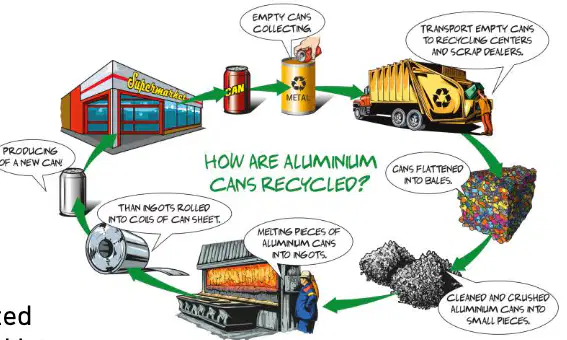
What happens to the clean, melted metal during the forming step?
It is shredded into smaller pieces
It is poured into molds to cool and harden
It is purified to remove impurities
It is sorted into different types
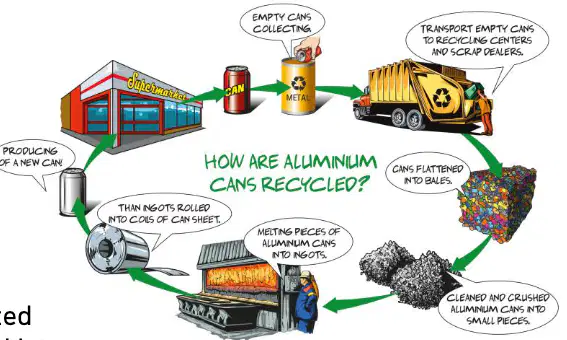
What are some items that can be made from recycled metal?
Soda cans, car parts, and bicycle parts
Plastic bottles and paper
Wooden furniture and glass jars
Rubber tires and fabric
What is consumerism?
The habit of buying lots of goods and services.
Recycling old items to reduce waste.
Throwing away packaging after buying new things.
Managing waste in landfills.
How does consumerism lead to more waste?
By encouraging people to recycle more.
By creating packaging waste and throwing away old items.
By reducing the need for new products.
By using fewer resources.
What is a landfill?
A place where waste is recycled.
A big hole in the ground where waste is put.
A factory that produces packaging.
A store that sells new products.
Why is recycling not a perfect solution for waste management?
It creates more waste than landfills.
It takes energy and not all things can be recycled.
It encourages people to buy more products.
It stops people from managing waste properly.
What can we do to reduce waste caused by consumerism?
Buy more things to fill landfills.
Think about what we buy and whether we really need it.
Throw away old items even if they still work.
Use more packaging for new products.
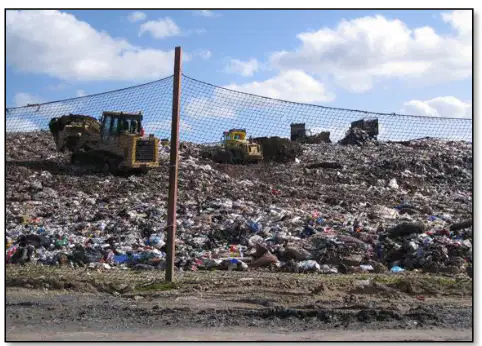
What does waste management refer to?
Methods to handle waste.
Ways to increase waste production.
Techniques to burn garbage.
Methods to create landfill sites.
What does incineration mean in waste disposal?
Burning garbage.
Recycling garbage.
Burying garbage in trenches.
Dumping garbage in piles.
What percentage of waste that goes into incinerators could have been recycled?
50%
25%
75%
10%
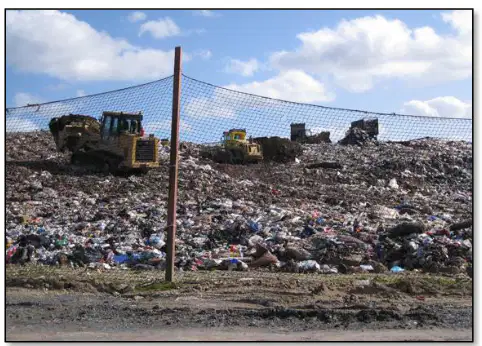
What is a major issue with landfill sites?
They are fire hazards and attract rats.
They are repurposed as golf courses.
They recycle all waste.
They use trenches to bury waste.
What is a sanitary landfill?
A trench filled with layers of waste and soil.
A dump where garbage is piled up.
A place where garbage is burned.
A site for recycling waste.
What can sanitary landfills be repurposed as once they are full?
Golf courses or toboggan hills.
Fire hazard zones.
Incineration sites.
Recycling centers.
Why do we incinerate waste?
To increase the amount of garbage in landfills
To reduce the amount of garbage in landfills and produce energy
To create more ash and gases
To stop recycling waste
What is the first step in the incineration process?
The waste is burned in a furnace
Trucks bring the waste to the incinerator
Ash is collected and sent to a landfill
Gases rise into the atmosphere
What happens to the ash created during incineration?
It is recycled into new products
It is sent to a landfill
It is used to produce electricity
It disappears completely
What is one environmental problem caused by incineration?
It reduces air pollution completely
It creates more waste that needs to go to landfills
It uses renewable energy sources
It stops climate change
What type of energy is often used to heat incinerators?
Solar energy
Wind energy
Fossil fuels
Hydroelectric energy
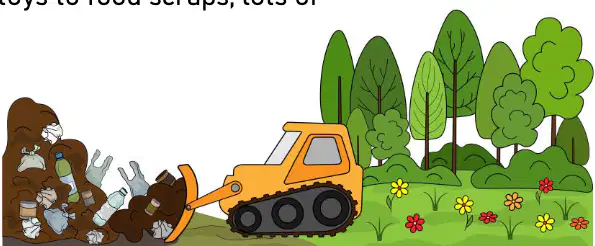
What is a landfill?
A place where animals live
A place where garbage is stored
A type of park for children
A factory for making toys
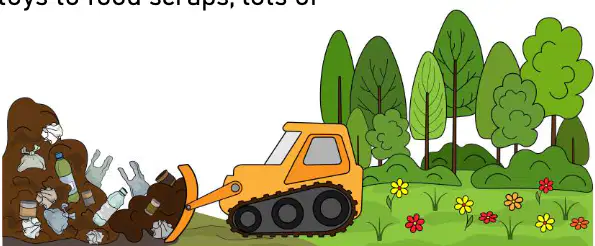
What is one benefit of landfills?
They create parks for children
They help animals find food
They provide space for waste
They make toys from garbage
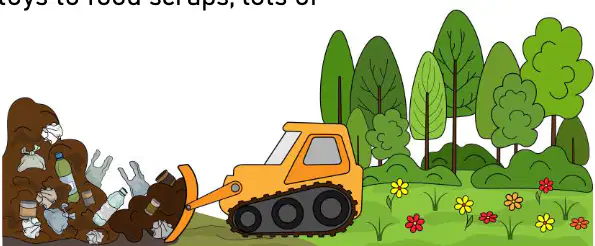
How can landfills produce energy?
By burning garbage directly
By using gas from rotting garbage
By turning garbage into water
By planting trees on garbage
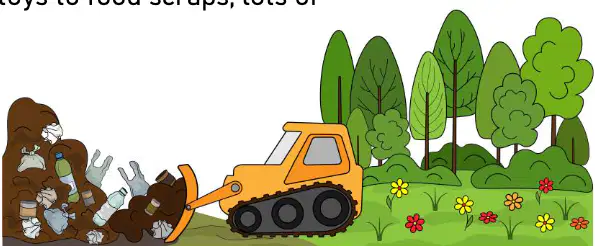
What is one drawback of landfills?
They create more parks
They take up space
They help animals find food
They make the air cleaner
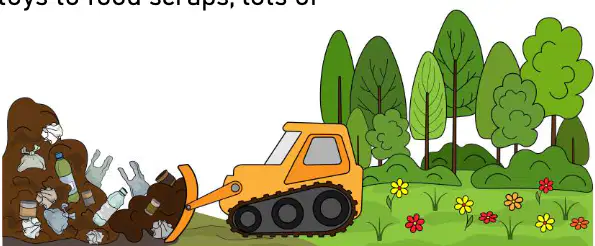
How can landfills harm wildlife?
By providing food for animals
By creating homes for animals
By being dangerous for animals
By making animals stronger
What can we do to reduce the amount of waste we produce?
Throw everything in landfills
Burn all garbage
Reduce, reuse, and recycle
Ignore waste problems
What is toxic waste?
Waste that is harmless to people, plants, or animals
Waste that is harmful to people, plants, or animals
Waste that is only harmful to plants
Waste that is only harmful to animals
Which of the following is an example of flammable toxic waste?
Battery acid
Explosives
Gas, oil, grease
Pressurized cans
What does corrosive toxic waste do?
Explodes easily
Burns, rusts, or breaks down materials
Lights on fire easily
Makes water toxic
Which of the following is an example of reactive toxic waste?
Gasoline
Battery acid
Explosives, pressurized cans
Cleaning supplies
Why should we avoid pouring chemicals down the drain?
It makes the water smell bad
It makes the water toxic for humans and animals
It causes fires in the pipes
It cleans the environment
What happens when living things come into contact with toxic waste?
They become stronger
They get sick by consuming it
They clean the environment
They become immune to it
What should you do with unused prescription medicine?
Throw it in the garbage.
Flush it down the toilet.
Take it to a drug take-back program.
Keep it in your home forever.
What is a possible danger of throwing prescription medicine in the garbage?
It could make the garbage smell bad.
Someone else could find it and take it.
It could dissolve into water and harm drinking water.
Both B and C.
What is one important rule for taking over-the-counter medicine?
Take it every day without stopping.
Take it without food.
Never take it without a trusting adult.
Take as much as you want.

What does WHMIS stand for?
Workplace Hazardous Materials Information System
Workplace Health Management Information System
Workplace Hazardous Materials Identification System
Workplace Hazardous Management Information System

