
Font size
 Worksheets
G6-Sci-T3-Review
Total questions: 76
Worksheet time: 38mins
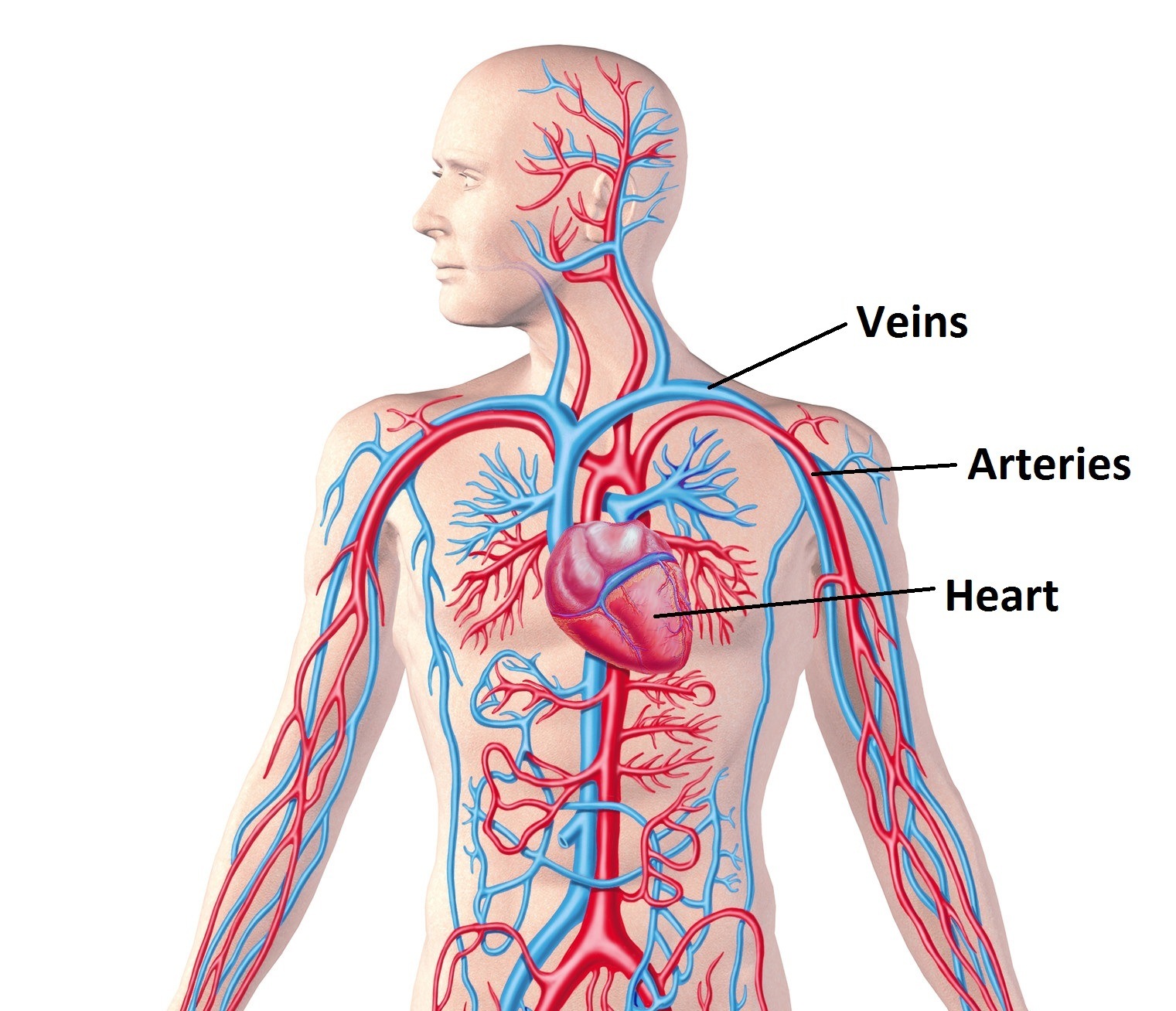
Which system allows blood to circulate throughout the body to transport oxygen and nutrients to all the cells and tissues?
Nervous
Respiratory
Circulatory
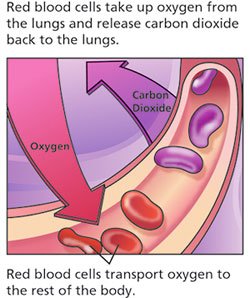
These cells, in the blood, carry oxygen and give the blood its color.
white blood cells
plasma
platelets
red blood cells
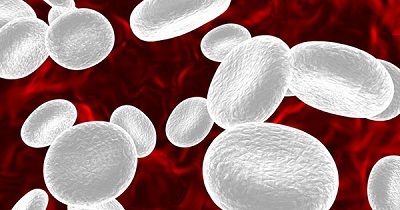
The cells in the blood that help fight germs like bacteria and viruses
red blood cells
platelets
white blood cells
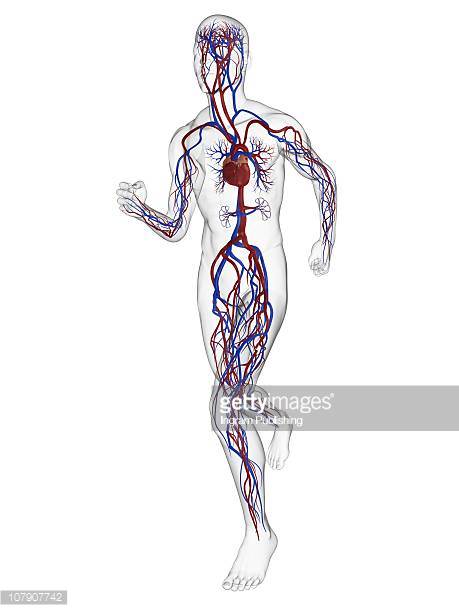
What is the main organ of the circulatory system?
small intestine
bone
lungs
heart
The job of the heart is to . . .
pump blood around the body.
send food to the small intestines.
break down food.
give energy to the body.
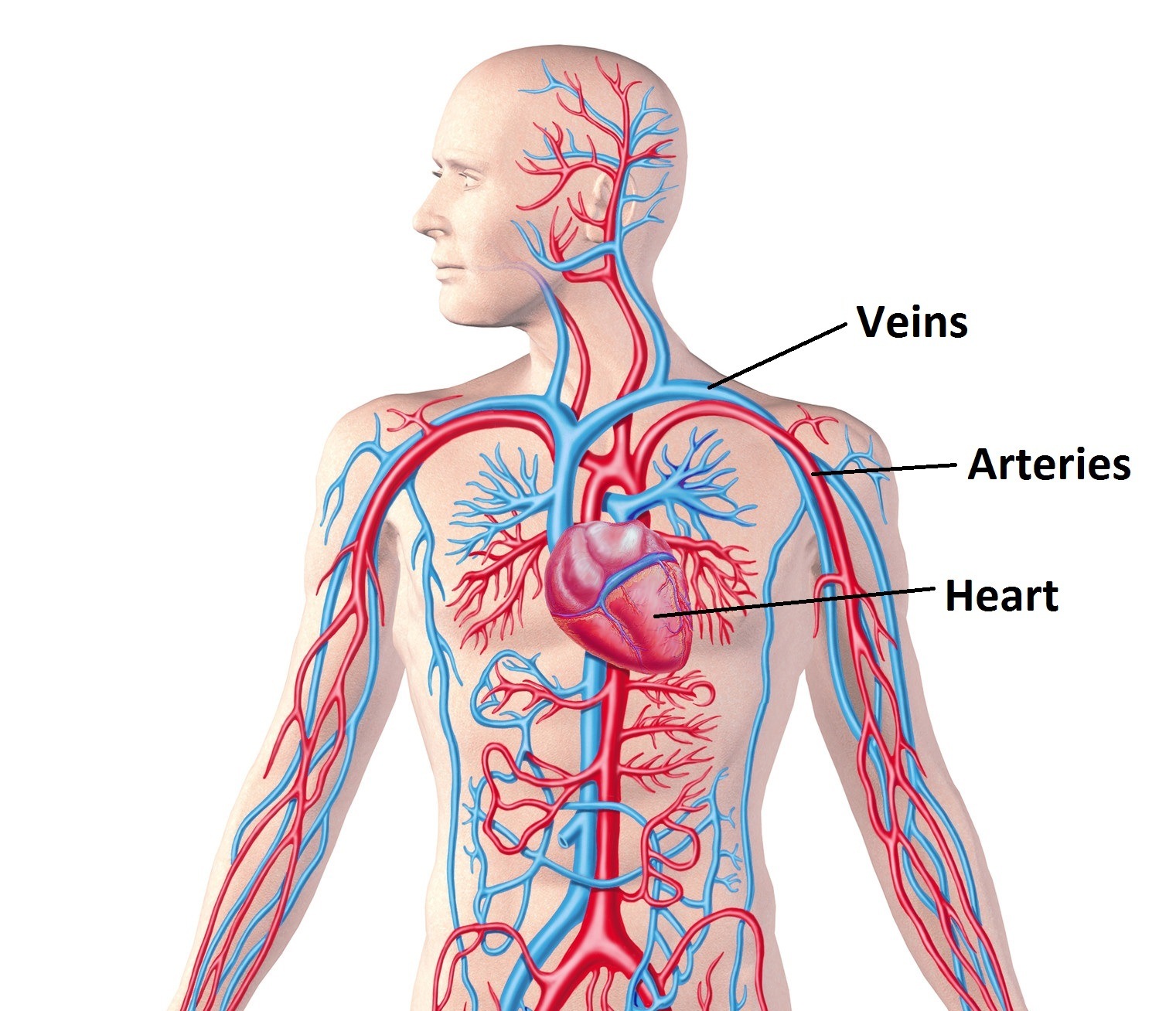
The circulatory system works with the ___________ system to provide our body with oxygen.
respiratory
digestive
muscular
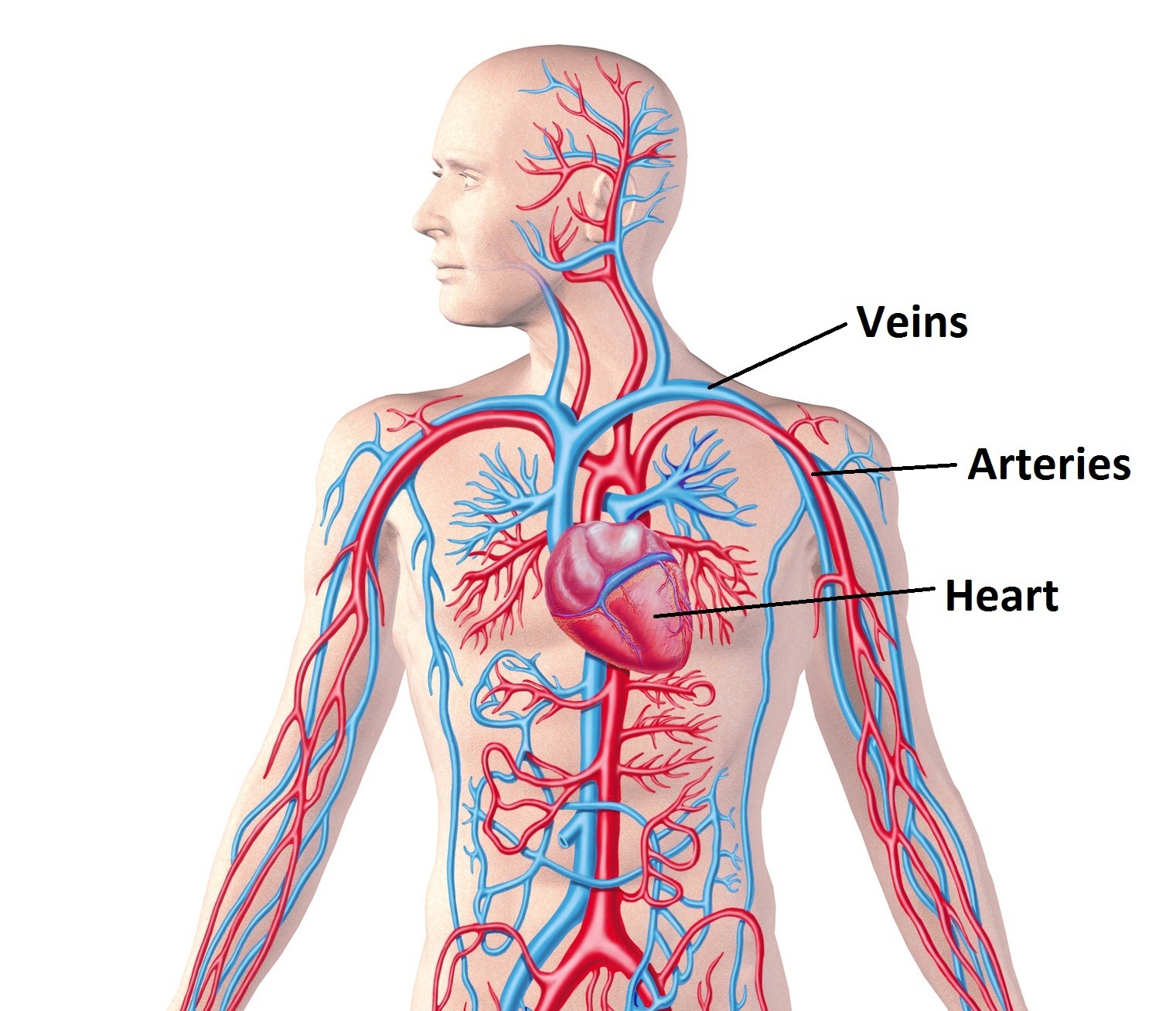
What is the circulatory system made up of?
Lungs, blood, blood vessels
Liver, kidneys, and stomach
Heart, Blood Vessels, and Blood
Arteries carry oxygen rich blood away from the heart.
True
False
Veins carry oxygen poor blood back to the heart.
False
True
The heart is about the size and shape of your . . .
head
fist
hand
foot
How does the heart work?
It pumps blood first to the lungs, back to the heart and then around the rest of the body.
It pumps blood first to the rest of the body, back to the lungs and then to the heart.
It pumps blood around the rest of the body, back to the heart and then to the lungs,
Which of the following is NOT part of the circulatory system?
heart
blood
bones
arteries
Three kinds of blood vessels: arteries, veins, (a) .
three kinds of blood vessels: (a) , veins, capillaries.
Plasma is
A
the clear liquid part of blood.
B
the compound that makes blood red.
C
a type of blood cell that fights infection.
D
a type of blood cell that carries carbon dioxide
What is the function of platelets?
A
They reduce pain and inflammation.
B
They kill bacteria in the blood.
C
They give you energy.
D
They help blood clot.
When you are grown up, your heart will beat about,
70 times a minute
17 times a minute
30 times a minute
You can count your heartbeats by feeling your
Nerves
Pulse
Breathing
Is your pulse rate always the same?
Yes
No
Exercise makes your heartbeat faster.
Yes
No
Which factor makes your pulse rate change?
Gender
Physical activity
Height
Complexion
When you run around, your body needs a lot more food and oxygen.
Yes
No

What is the average pulse rate of the group before the exercise?
(a)
When you are active, the hearts needs more ................. and ............
energy
food
blood
oxygen
Is the contraction of the heart muscle as it pumps blood.
pulse
heartbeat
pressure
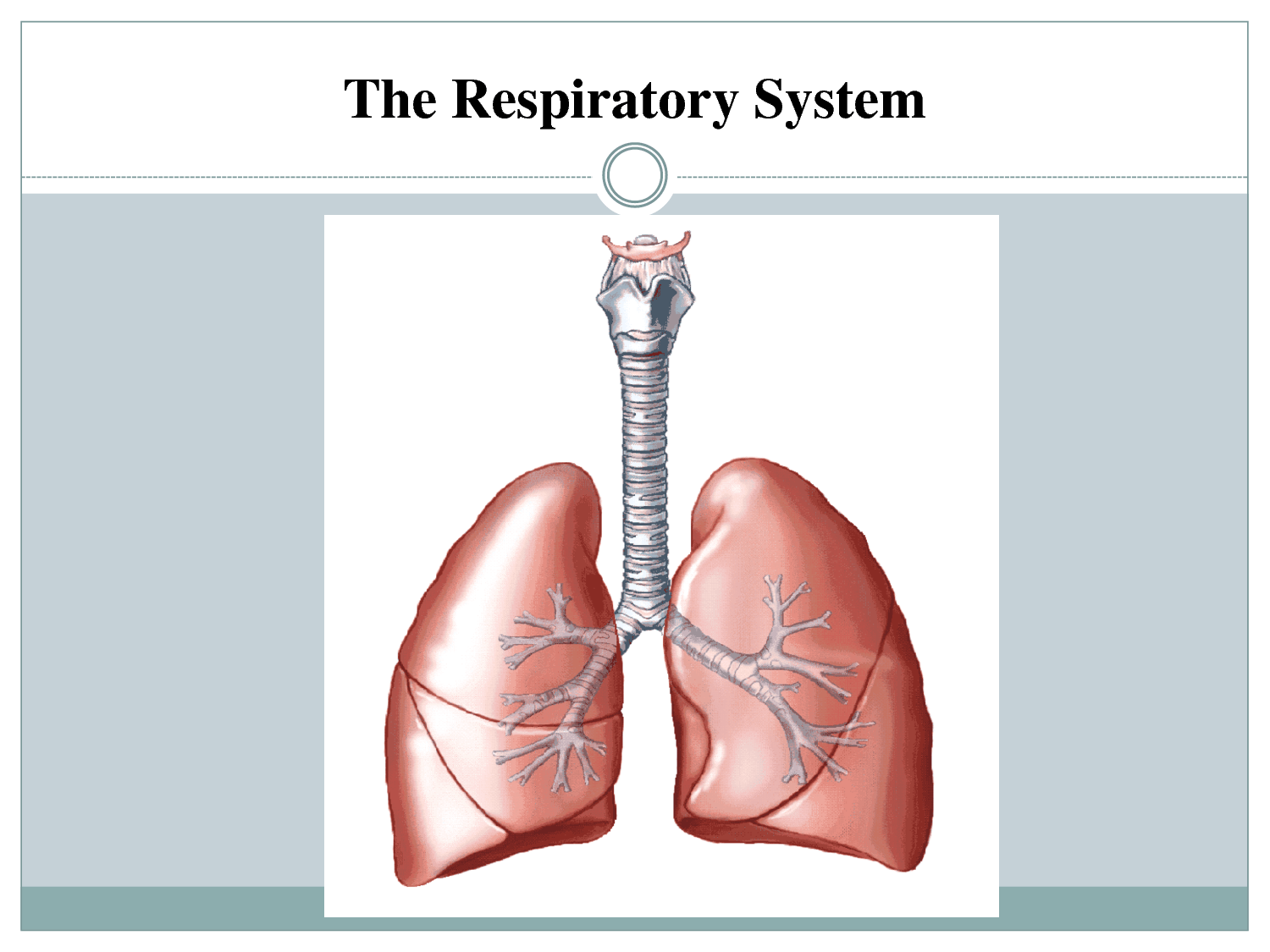
What is the main function of the respiratory system?
to provide oxygen and remove carbon dioxide from the body
o break down food and absorb nutrients
to remove oxygen from the body and deliver carbon dioxide
What are the main organs of the respiratory system that allow us to breathe and for gas exchange to happen?
diapragm
lungs
trachea
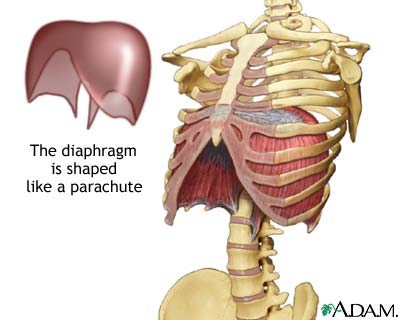
What is function of the dome-shaped diaphragm muscle?
This is where gas exchange happens.
Air passes through the diaphragm on the way to the lungs.
It attaches to the lungs and contracts and relaxes to help in breathing.
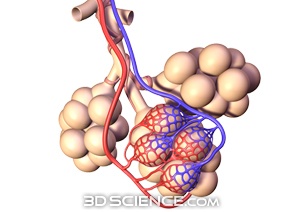

Flap of tissue that covers the opening to the windpipe during swallowing
Pharynx
Trachea
Epiglottis

What type of cells carry oxygen in the blood?
red blood cells
white blood cells
What do we take in when we inhale?
carbon dioxide
oxygen
lungs
What do we let out when we exhale?
oxygen
Carbon dioxide
lungs
What is the muscle called that assists with inhaltion & exhalation?
diaphragm
alveoli
bronchus
Breathing air into lungs
Inhalation
Exhalation
Breathing air out of lungs
Inhalation
Exhalation
Male cells that are used for reproduction:
sperm
eggs
testes
epididymis
The _________ produce(s) sperm.
testes
epididymis
vas deferens
testosterone
Female sex cells, eggs, are produced in the ___________.
Vagina
Uterus
Fallopian Tube
Ovaries
vagina

glans

vagina

urethra
System that allows living things to produce new individuals of the same kind.
Circulatory System
Respiratory System
Reproductive System
Skeletal System
Breasts develop is one example of puberty characteristic of _____.
both of them
male
nor of them
female
When the mature egg cells do not meet the sperm cells, the woman will have _____.
menstruation
sexual disorder
pregnancy
impotence
When the sperm cell meets the mature egg cell is called ______.
fertilization
formulation
fragmentation
pollination


Where woman's eggs are being stored
ovaries
vagina
cervix
urethral opening
Choose the correct physical changes occur for boys during puberty.
Growth of beard and mustache
Increase of weight and height
Hair growth in face, armpits and chest
Hips become firms and broader
Choose the correct physical changes occur for girls during puberty.
Vocal cord enlarges
Breasts grow
Hair appears in pubic region and armpits
Increase in height and weight
Ticks are an example of this way of transmitting (spreading) disease
Air-borne
Vector
Touching a surface
Contaminated food or water
Athlete's foot and ringworm are caused by . . .
viruses
bacteria
fungi
protozoans
Mosquitos are ____ that carry pathogens from one host to another.
fungi
vectors
viruses
protozoans
Shaking hands with a sick person may allow pathogens spread.
True
False
You will definitely catch an infectious disease just by being near someone who has the disease.
True
False
Which type of pathogen is responsible for causing the flu, chicken pox, and yellow fever?
viruses
parasites
fungi
bacteria
Which of the following is NOT considered as Infectious disease?
Flu
Cancer
Tuberculosis
Common colds
Which of the following statement is TRUE?
Diseases are not harmful as long as you know how to cure yourself.
Diseases and Disorders are totally the same.
Infectious Diseases can spread from person to another person.
Non-infectious diseases can spread.
These organisms gets their food from other organisms.
Bacteria
Virus
Fungi
Parasite
These are many celled organisms that cannot make their own food. They are everywhere and most of them are harmless to humans. they cause diseases like athlete's foot and ring worm.
Bateria
Virus
Fungi
Parasite

Bacteria that are harmful to people and cause them to get sick are called _____.
pathogen
lymph nodes
antibody
immunity

Which of the following is the body’s first line of defense against disease?
body immune system
white blood cells
antibodies
skin
Plasmodium is the name of Malarial parasite.
True
False
How is Malaria spread?
rats
mosquitos
air
bodily fluids
Is malaria the only disease mosquitoes can carry?
No
Yes

