
 Worksheets
HST Ch 6: Anatomy & Physiology
Total questions: 27
Worksheet time: 14mins
The difference between anatomy and physiology is:
Anatomy studies the structure of body parts, while physiology studies their function.
Anatomy studies the function of body parts, while physiology studies their structure.
Anatomy and physiology both study only the structure of body parts.
Anatomy and physiology both study only the function of body parts.
Which of the following is NOT a function of body cells?
Reproduce
Use oxygen and nutrients
Produce energy
Photosynthesis
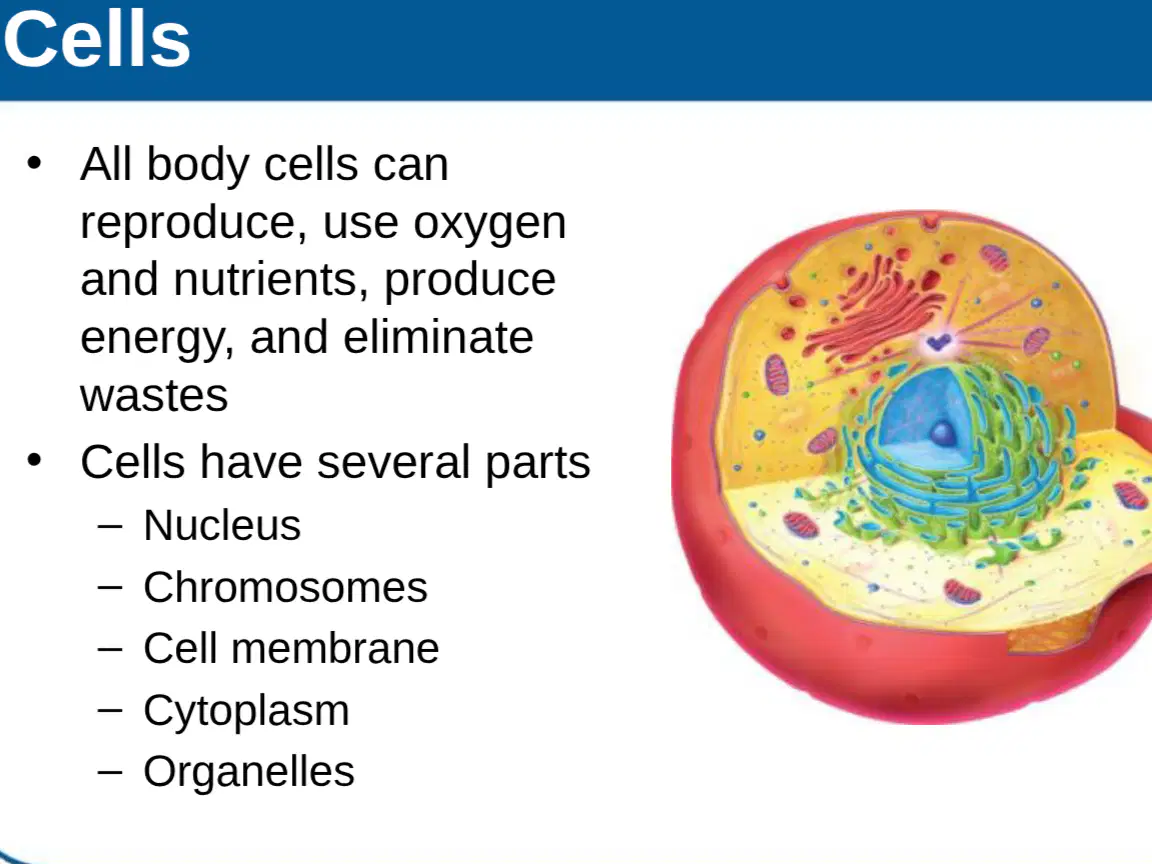
Cells have several parts. Which part contains genetic material?
Nucleus
Cytoplasm
Cell membrane
Organelle
Fill in the blank: The ________ is the part of the cell that surrounds and protects it.
cell membrane
nucleus
mitochondria
ribosome
A group of tissues working together are known as a(n)
organ
cell
tissue
organ system
What are tissues?
Groups of organs that work together
Groups of cells that work together to accomplish a task
Groups of muscles that work together
Groups of nerves that work together
Which of the following is NOT a type of tissue?
Connective tissue
Epithelial tissue
Muscle tissue
Bone tissue
Which of the following best describes vital organs?
A) Organs a person can live without
B) Organs the human body requires for survival
C) Organs that do not perform any function
D) Organs made of only one tissue type
What is the main purpose of the urinary system?
filtering blood, excreting waste, and maintaining proper pH balance
temperature control through sweating and shivering
exchange of carbon dioxide upon respirations
controlling all of the body's metabolic processes through hormone exchange
What is tissue typing? How does tissue typing relate to organ transplants?
Tissue typing examines the antigens found on the surface of cells located in human tissue. A donor’s antigens must match the recipient’s antigens for an organ transplant to be successful.
Tissue typing is a process of matching blood types only, and is not related to organ transplants.
Tissue typing involves checking for genetic disorders in the donor, which is unrelated to organ compatibility.
Tissue typing is the process of measuring organ size to ensure a physical fit for transplantation.
What is homeostasis?
A state of internal balance achieved by adjusting body systems
A type of cardiac efficiency achieved through proper diet and exercise
A form of exercise
A state of being outside the normal range of levels within the body systems
Which of the following are examples of homeostatic processes?
Controlling body temperature
Controlling blood pressure
Both A and B
None of the above
What does the integumentary system do?
Covers and protects the body
Helps with digestion
Controls movement
Produces hormones
Which of the following is NOT included in the integumentary system?
Kidneys
Skin
Sebaceous glands
Fingernails
Sweat glands
Which components make up the musculoskeletal system?
A) Bones, joints, and muscles
B) Bones, skin, and nerves
C) Muscles, blood, and cartilage
D) Joints, nerves, and skin
Match the following types of muscle tissue with their names:
Found in the heart
Cardiac muscle
Attached to bones
Skeletal muscle
Found in internal organs
Smooth muscle
Which system directs body functions through electrical impulses generated by neurons?
Digestive system
Nervous system
Respiratory system
Circulatory system
What are the two main parts of the nervous system?
Central nervous system and Peripheral nervous system
Digestive system and Respiratory system
Skeletal system and Muscular system
Circulatory system and Endocrine system
Match the following neuron parts with their functions:
Collects and responds to stimuli
Dendrite
Transmits electrical impulses
Axon
Contains genetic material
Nucleus
What are the main components of the Central Nervous System (CNS)?
A) Brain and spinal cord
B) Heart and lungs
C) Kidneys and liver
D) Muscles and bones
The central nervous system (CNS) controls the activity of the brain and spinal cord. What is the function of the peripheral nervous system (PNS)?
It connects the CNS to the rest of the body and transmits signals between them.
It produces hormones for the body.
It controls only voluntary muscle movements.
It is responsible for digestion and metabolism.
Maintaining the body's equilibrium refers to the sense of ______.
balance
taste
hearing
smell
How many main parts does the ear have?
One
Two
Three
Four
Which of the following is NOT a main part of the ear?
Outer (external) ear
Middle ear
Inner (internal) ear
Upper ear
What organs are included in the endocrine system?
Thyroid, pancreas, pituitary gland, and testes/ovaries
Kidney, bladder and urethra
Heart, arteries and veins
Stomach, liver, gallbladder
What do type of blood do arteries carry?
de-oxygenated
oxygen-rich
thick
blood without platelets
What is another term for platelets?
Erythrocytes
Lymphocytes
Thrombocytes
Leukocytes

