
 Worksheets
Personality, Self Esteem, Emotions
Total questions: 50
Worksheet time: 25mins
Which concept is associated with how you value yourself?
Personality
Self Esteem
Emotions
Behaviors
What is the definition of Personality?
Personality consists of the behaviors, attitudes, feelings, and ways of thinking that make you an individual.
Personality is the physical appearance of a person.
Personality refers only to a person's intelligence.
Personality is the ability to perform tasks quickly.
What does a Psychologist study?
A Psychologist studies how people think, feel, and behave.
A Psychologist studies the movement of planets and stars.
A Psychologist studies the structure of atoms and molecules.
A Psychologist studies ancient civilizations and their artifacts.
Name one of the Five Traits of Personality.
extraversion
intelligence
creativity
ambition
Name one of the Five Traits of Personality.
agreeableness
intelligence
creativity
ambition
Name one of the Five Traits of Personality.
conscientiousness
intelligence
creativity
ambition
Name one of the Five Traits of Personality.
emotional stability/neuroticism
intelligence
creativity
optimism
Name one of the Five Traits of Personality.
openness to experiences
intelligence
creativity
ambition
What does the trait 'Extraversion' describe? Fill in the blank: This trait describes how much you like being _________.
with other people
alone
at work
asleep
What does agreeableness refer to?
Tendency to relate to other people in a friendly way
Tendency to be suspicious or hostile
Tendency to avoid cooperation
Tendency to be unfriendly
What does conscientiousness refer to?
How responsible and self-disciplined you are
How creative you are
How outgoing you are
How emotional you are
Which of the following is NOT a characteristic of a conscientious person?
Dependable
Makes good decisions
Careless
Responsible
Fill in the blank: A person who is ________ is relaxed, secure, and calm, even during difficult situations.
emotionally stable
impulsive
anxious
irritable
Fill in the blank: ________ refers to people who are negative, anxious, fearful, worried, and angry.
Neuroticism
Extraversion
Agreeableness
Openness
Fill in the blank: People who are open to new experiences tend to be ________, imaginative, and creative.
curious
timid
rigid
indifferent
Which of the following traits are associated with people who are less open to new experiences?
Curious and creative
Predictable and less independent
Imaginative and creative
Adventurous and independent
How does heredity influence personality formation?
Through learned behaviors
Through inherited tendencies to act in certain ways
Through environmental factors
Through education
Which of the following is an example of a trait that may be inherited according to the slide?
Intelligence
Cheerfulness
Height
Musical ability
Fill in the blank: ______ refers to customs, arts, social institutions, and achievements of a particular nation, people, or other social group. Personality traits that are valued in one culture may not be as highly valued in another culture.
Culture
Climate
Economy
Language
Fill in the blank: ______ is associated with modeling in the context of environment.
Family
Weather
Gravity
Electricity
Fill in the blank: ______ is associated with peer group in the context of environment.
Friends
Teachers
Parents
Neighbors
According to the stages of personality development, what is the first stage?
Develop Trust
Gain Independence
Form Identity
Establish Intimacy
According to the stages of personality development, what is the fourth stage?
Develop Skills
Form Identity
Establish Trust
Gain Independence
According to the stages of personality development, what is the fifth stage?
Search for Identity
Initiative vs. Guilt
Trust vs. Mistrust
Intimacy vs. Isolation
According to the stages of personality development, what is the sixth stage?
Establish Intimacy
Develop Trust
Achieve Identity
Form Initiative
According to the stages of personality development, what is the seventh stage?
Create and Nurture
Trust and Mistrust
Identity and Role Confusion
Integrity and Despair
According to the stages of personality development, what is the eighth stage?
Look Back With Acceptance
Develop Trust
Gain Independence
Find Purpose
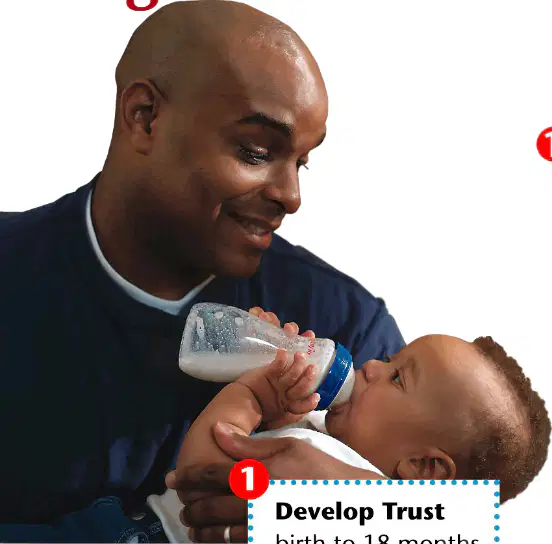
According to the 'Stages of Personality Development,' what is the age range for the stage 'Develop Trust'?
birth to 18 months
2 to 3 years
3 to 6 years
6 to 12 years
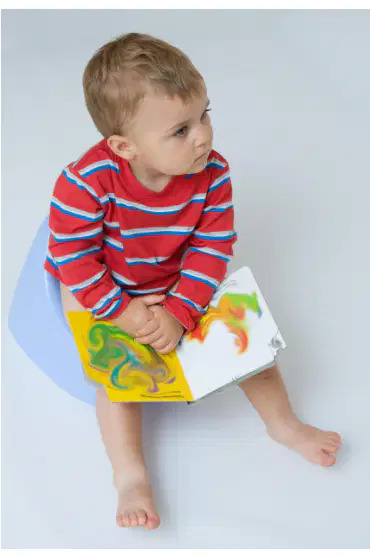
According to the 'Stages of Personality Development', what is the name of the stage when young children learn to do things on their own?
Learn to Be Independent (Autonomy v Shame/Doubt)
Initiative vs Guilt
Industry vs Inferiority
Trust vs Mistrust
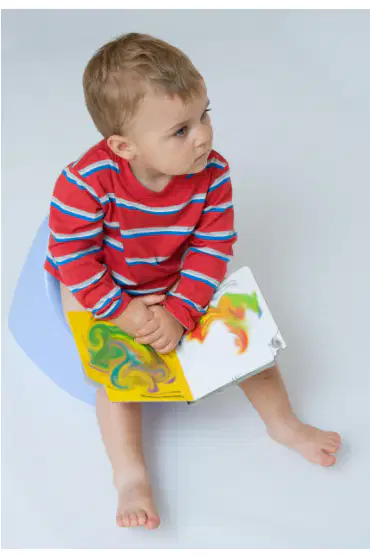
At what age range does the 'Learn to Be Independent (Autonomy v Shame/Doubt)' stage occur according to the 'Stages of Personality Development'?
18 months to 3 years
3 years to 6 years
6 years to 12 years
12 years to 18 years
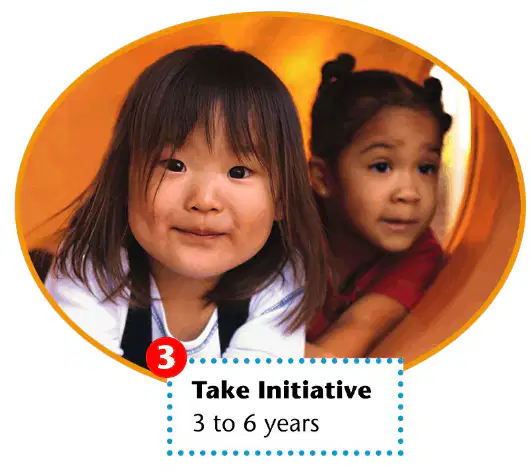
During which stage do children start to plan their own activities according to the Stages of Personality Development?
Take Initiative v Guilt (3 to 6 years)
Trust v Mistrust (Birth to 1 year)
Autonomy v Shame and Doubt (1 to 3 years)
Industry v Inferiority (6 to 12 years)
If children are harshly scolded for poor initiatives during the 'Take Initiative v Guilt' stage, they may feel unworthy, guilty, or resentful.
True
False
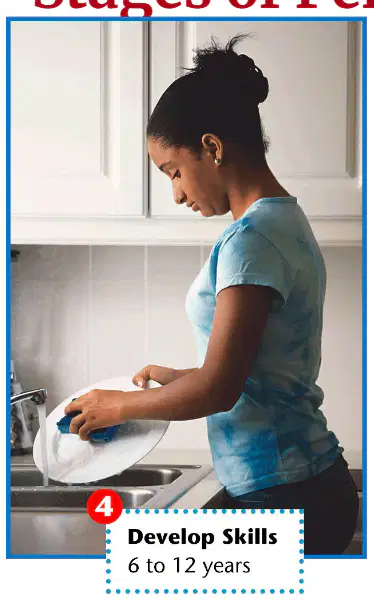
What is the name of the stage of personality development that occurs between the ages of 6 to 12 years?
Trust vs Mistrust
Autonomy vs Shame
Develop Skills (Industry vs Inferiority)
Identity vs Role Confusion
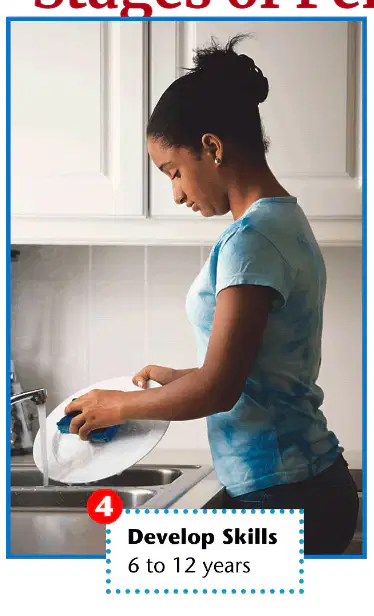
It is important for children to develop skills during the 'Industry vs Inferiority' stage because:
it helps them build confidence and a sense of competence.
it makes them more physically active.
it ensures they become popular among peers.
it prevents all emotional problems.

In the 'Search for Identity v Confusion' stage of personality development, what is the main challenge for teenagers?
A search for identity or a sense of self
Mastering basic motor skills
Developing trust in caregivers
Learning to share with others

According to the 'Stages of Personality Development', what is the main challenge for young adults (20 to 40 yrs) in the 'Establish Intimacy v Isolation' stage?
A) Establishing close bonds with others
B) Achieving career success
C) Developing independence
D) Learning new skills

What is the name of the stage of personality development that occurs during middle adulthood, where people need to stay productive and creative in all parts of their life?
Create and Nurture (Generativity v Stagnation)
Trust vs Mistrust
Identity vs Role Confusion
Integrity vs Despair

Explain why it is important for people in middle adulthood to stay productive and creative according to the 'Create and Nurture (Generativity v Stagnation)' stage of personality development.
It helps individuals contribute to society and feel a sense of purpose.
It allows people to avoid all responsibilities and focus only on themselves.
It ensures that people remain physically young and energetic.
It guarantees financial success and wealth in later life.

According to the Stages of Personality Development, what is the main conflict faced during older adulthood (65 years plus)?
Trust vs Mistrust
Autonomy vs Shame
Integrity vs Despair
Initiative vs Guilt
Fill in the blank: __________ is learning how to behave by copying the behavior of others.
modeling
memorizing
reasoning
imagining
Fill in the blank: __________ is a group of people who are about the same age and share similar interests.
peer group
family
teacher
community
Fill in the blank: __________ is a sense of self.
identity
gravity
velocity
temperature
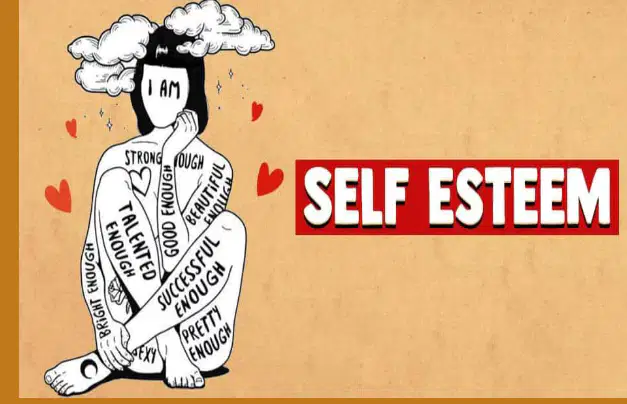
Which of the following is a way to boost self esteem?
Maintain a positive attitude
Ignore your strengths
Set no goals
Engage in risky behaviors
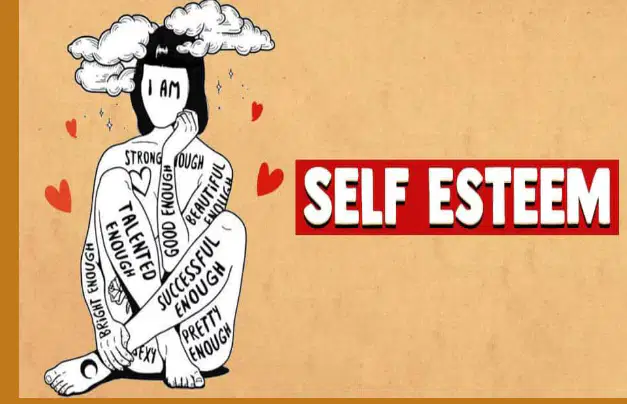
Which of the following is a way to boost self esteem?
Focus on your strengths
Focus on your weaknesses
Avoid asking for help
Be pessimistic
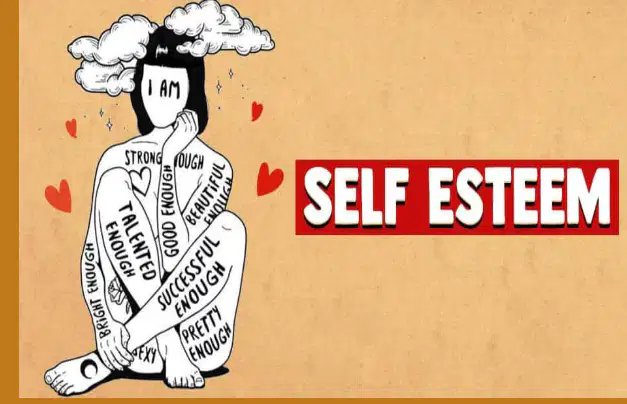
Which of the following is a way to boost self esteem?
Set goals for yourself
Avoid setting goals
Take unnecessary risks
Ignore your achievements
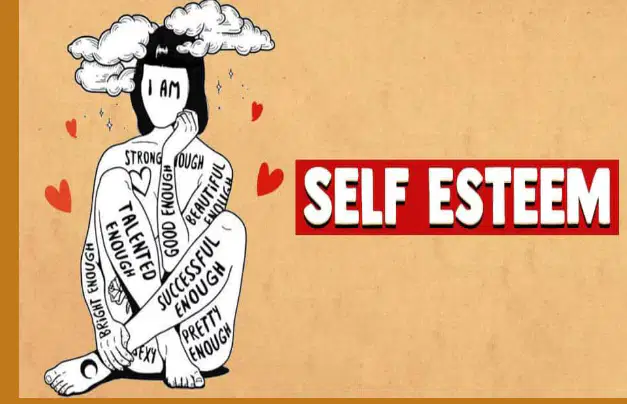
Which of the following is a way to boost self esteem?
Avoid risky behaviors
Engage in risky behaviors
Ignore your strengths
Never ask for help
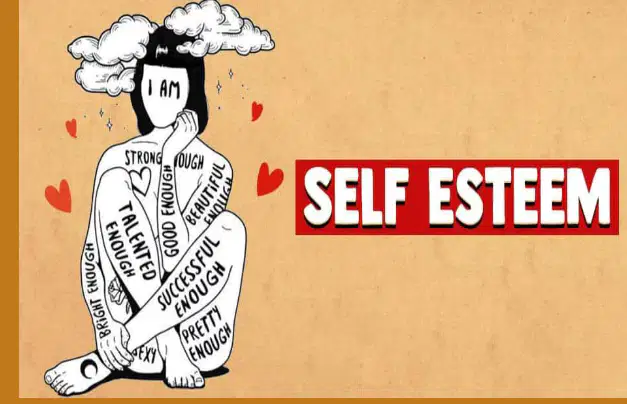
Which of the following is a way to boost self esteem?
Ask for help
Never ask for help
Focus on your weaknesses
Be pessimistic
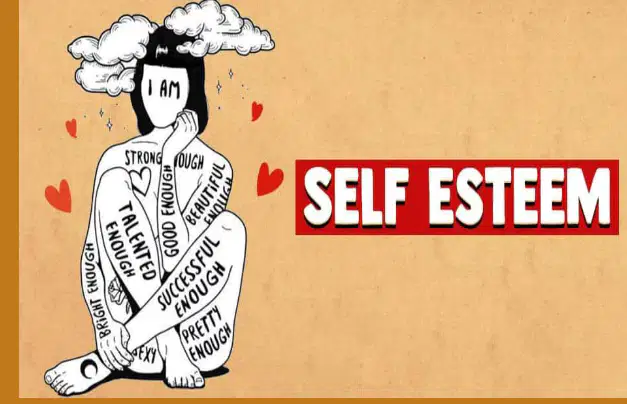
Which of the following is a way to boost self esteem?
Be resilient
Give up easily
Avoid setting goals
Ignore your strengths
How does self-esteem typically change during childhood?
A) Children need support and encouragement from home
B) Most children enter school with high self-esteem but decline starts in elementary school
C) Both A and B
D) None of the above
What is normal for teens during adolescence regarding self-esteem?
Teens are critical of their appearance, activities, interests, abilities, and shortcomings
Teens are never self-critical
Teens always have high self-esteem
None of the above

