
 Worksheets
Matter
Total questions: 54
Worksheet time: 2hrs 1mins
In Michael's science experiment with salt water, NaCl (salt) would be considered the ______.
Solution
Solute
Solvent
Solvation
You can make a solution more concentrated by adding more __________.
solution
Avery is conducting a science experiment. When water is added to a solution it is called a ______________
dilution
concentration
heterogeneous solution
dissociation
Luna and Daniel are conducting an experiment to see how much __________ can dissolve in a solvent to create saturated, unsaturated, and supersaturated solutions.
sugar
liquid
solution
solute
In a science experiment, Avery dissolved sugar in water. What is the substance in which the sugar is dissolved?
sands
solvent
alloy
negative particles

Aria is making lemonade. She adds sugar to the water. The sugar is a
solute
solution
science

solvent
solute

solvent
solution
solute

solute
solvent

solvent
solute

solvent
solute
More solute means a higher concentration
True
False
Stirring the solute into the solvent has no effect on the rate of dissolving.
True
False
A higher temperature makes the solute dissolve faster
True
False

solute
solvent
solute + solvent =
solution
equation

Water is the univeral ____.
solute
solvent
solution

The diagram is a model of two solutions. Each yellow ball represents one particle of solute.
Which solution has a higher concentration of yellow particles?
Solution A
Solution B
neither; their concentrations are the same

The diagram is a model of two solutions. Each purple ball represents one particle of solute.
Which solution has a higher concentration of purple particles?
Solution A
Solution B
neither; their concentrations are the same
Label these parts of the hot chocolate process!
Solute
Solvent
Solution
Why does the rate of dissolving increase as the temperature increases?
The solute molecules move faster at higher temperatures
The solute particles become smaller at higher temperatures
The solvent molecules become slower at higher temperatures
What is the effect of agitation on the rate of dissolving?
What is the effect of agitation on the rate of dissolving?
It decreases the rate of dissolving
It has no effect on the rate of dissolving
It increases the rate of dissolving
It changes the color of the solute
How does agitation help in dissolving a solute more quickly?
It increases the temperature of the solvent
It increases the weight of the solute
It brings fresh solvent into contact with undissolved solid
It changes the shape of the solvent
How does cold water affect the speed of dissolving?
Cold water slows down dissolving.
Cold water speeds up dissolving.
Cold water has no effect on dissolving.
Cold water has no effect on dissolving.
Which of the following will NOT increase the rate at which a solute dissolves in a solvent?
Crushing the solute
Using larger solute pieces
Heating the solvent
Stirring the solution
Which factor does NOT affect how quickly a solute dissolves in a solvent?
Temperature of the solvent
Color of the solute
Stirring the mixture
Size of solute particles
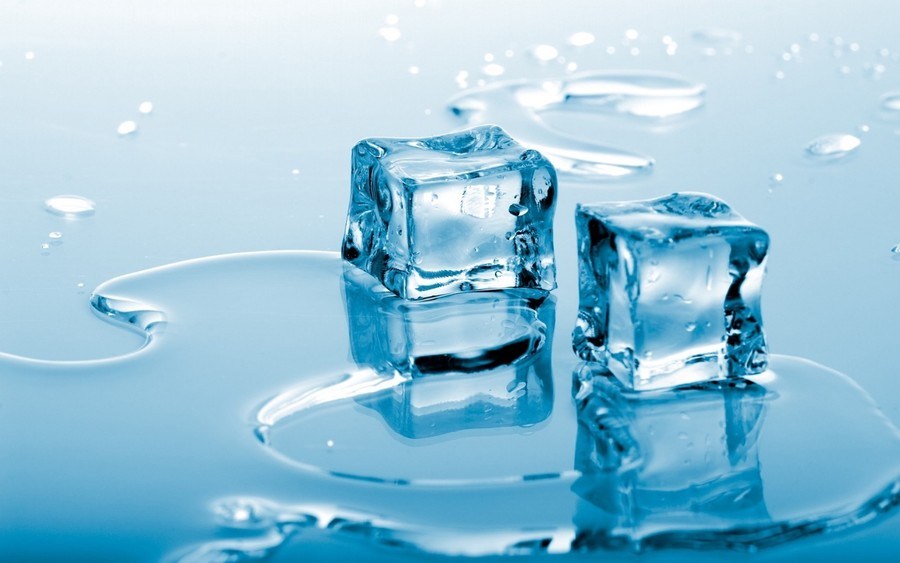
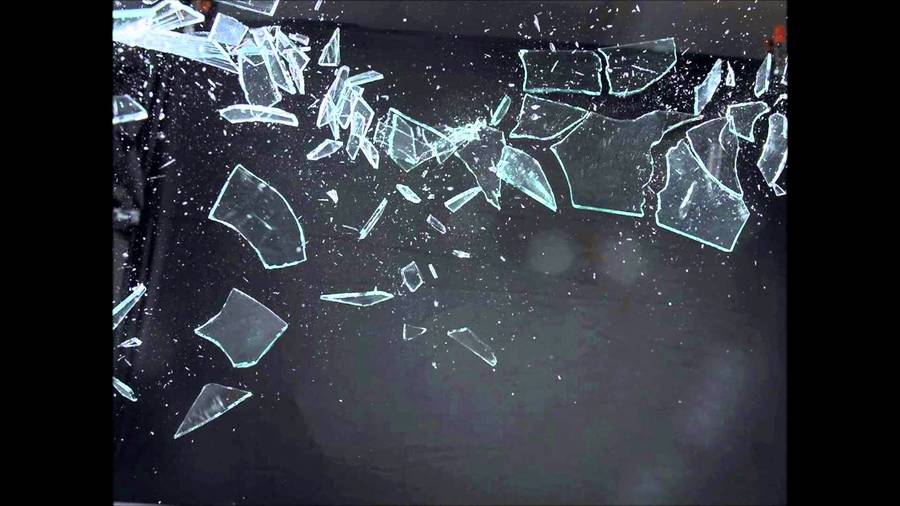


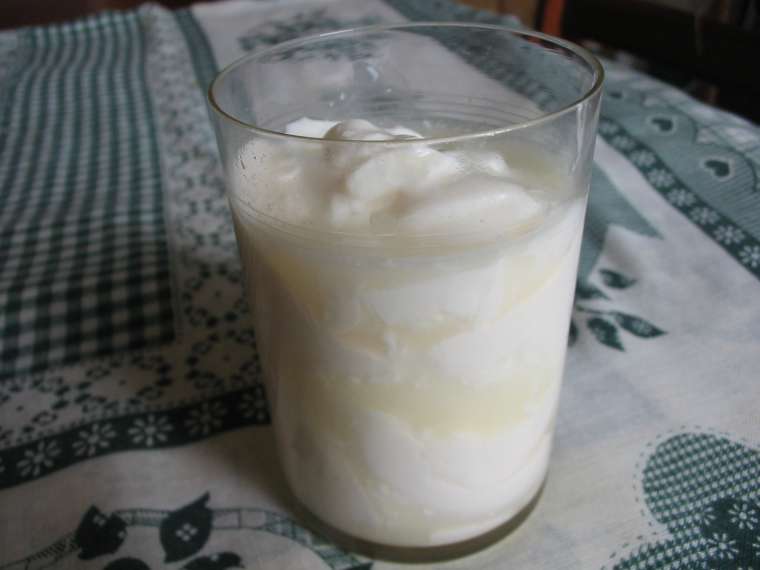


The result of this type of change is a new substance.
chemical
react
rust
decay

What evidence in this picture indicates that a chemical change occurred?
temperature change
change in odor
formation of gas bubbles

Is this an example of a physical or chemical change?
physical
chemical
Which of the following is NOT an example of a physical change?
crumpling paper
sharpening a pencil
clothes shrinking
sour milk
A physical change...
changes the physical properties of an object, but does not create a new substance.
creates a new substance and cannot be undone.
A chemical change
changes the physical properties of an object, but does not create a new substance.
creates a new substance and cannot be undone.
Which of the following is NOT an example of chemical change?
sour milk
burning wood
breaking a pencil
rust
Which of the following is an example of a physical change?
Melting ice
Rusting iron
Baking bread
Burning paper
What is the solute in a saltwater solution?
Salt
Sand
Water
Air
Physical or Chemical Change? Dissolving sugar in tea.
Chemical Change
Physical Change
Which of the following is an example of a chemical change?
Melting butter
Boiling water
Freezing juice
Burning a candle
What is the solvent in a sugar water solution?
Salt
Air
Water
Sugar
Physical or Chemical Change? Cutting an apple.
Chemical Change
Physical Change

