
 Worksheets
Conjunctivitis in Small Animals
Total questions: 81
Worksheet time: 41mins
In dogs, conjunctivitis is most often which type of condition?
Primary isolated ocular disorder
Secondary to other ocular problems
Always systemic infectious disease
Usually parasitic conjunctival infestation
Which is a noninfectious cause of canine conjunctivitis?
Immune-mediated allergic atopy
Feline herpesvirus infection
Calicivirus oral lesions
Chlamydia psittaci chemosis
Which disruption can predispose dogs to bacterial conjunctivitis?
Normal tear film stability
Reduced tear production injury
Improved nasolacrimal drainage
Excessive tear overproduction
In cats, which pathogen commonly causes bilateral conjunctivitis in kittens with upper respiratory signs?
Toxoplasma gondii tachyzoites
Feline herpesvirus type one
Canine distemper morbillivirus
Mycoplasma gallisepticum strain
Feline calicivirus is most likely to present with which combination?
Purulent discharge without sneezing
Profound keratitis without fever
Mild conjunctivitis with oral lesions
Severe unilateral chemosis only
Chlamydia psittaci conjunctivitis in cats most typically appears how?
Bilateral with hyperkeratosis
Unilateral with chemosis
Bilateral with corneal ulcers
Unilateral with uveitis
Which clinical sign best describes chemosis?
Iris color dark pigmentation
Purulent corneal abscess
Conjunctival edema swelling
Retinal vascular hemorrhage
Which set lists typical conjunctivitis signs in small animals?
Miosis, blepharospasm, cataract
Hyphema, synechia, keratoconus
Chemosis, hyperemia, discharge
Anisocoria, glaucoma, buphthalmos
Which diagnostic step directly evaluates tear production?
Fundic lens examination
Tonometry with applanation
Schirmer tear test strip
Fluorescein staining strip
A cat presents with serous discharge, sneezing, and bilateral conjunctivitis. Which etiology is most consistent?
Chlamydia psittaci bacteremia
Primary canine bacterial flora
Feline herpesvirus infection
Calicivirus without oral ulcers
First-line management of conjunctivitis should prioritize which action?
Empirical systemic steroids only
Prophylactic systemic antivirals
Immediate enucleation surgery
Resolve the underlying disease
Which topical therapy is commonly used for uncomplicated bacterial conjunctivitis?
Neo-Poly-Bac ophthalmic ointment
Topical atropine every hour
Systemic amikacin intravenous drip
Oral doxycycline three months
For a suspected viral conjunctivitis in a cat, which medication class is appropriate?
Ocular antiviral agents
Topical antifungal drops
Intraocular vasodilators
Oral antiprotozoal drugs
Which client instruction is most appropriate after treating a cat’s infectious conjunctivitis?
Reuse eye medications for siblings
Discard eye treatments after recovery
Skip future booster vaccinations
Share drops with other household pets
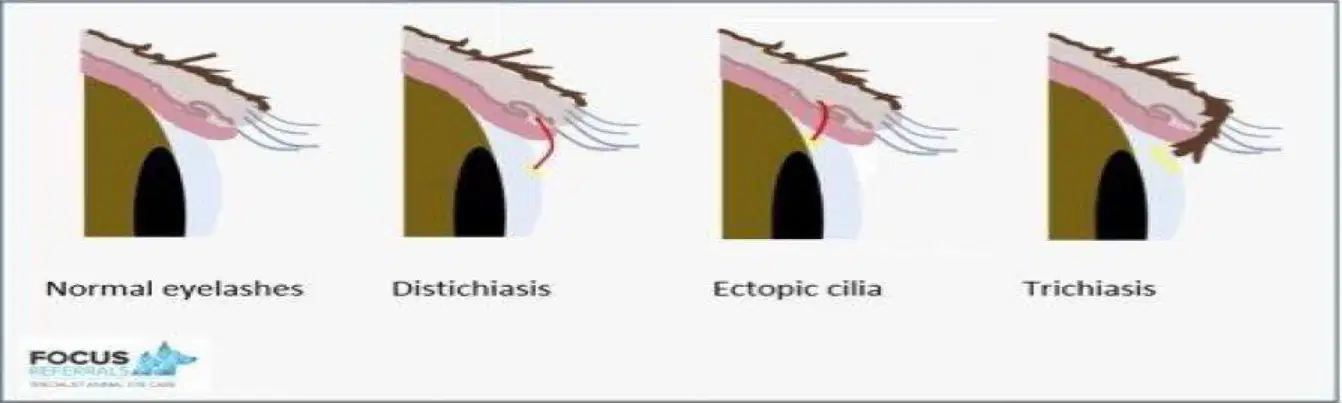
Which eyelash abnormality involves lashes originating from the Meibomian gland openings and contacting the cornea, as shown in the diagram?
Trichiasis with inward-turned normal eyelashes
Ectopic cilia emerging through palpebral conjunctiva
Distichiasis causing lashes from gland openings
Normal eyelashes aligned away from the cornea
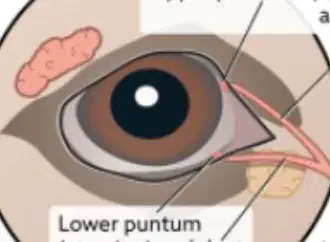
Which labeled structure is the initial opening for tear drainage on the upper eyelid in the lacrimal diagram?
Upper punctum as the first drainage opening
Lower canaliculus entering lacrimal sac
Nasolacrimal duct opening into nares
Lacrimal gland producing aqueous tears
Which finding best characterizes the clinical sign pattern of epiphora?
Chronic tearing with wet medial canthus hair
Sudden blindness with fixed dilated pupils
Dry eye with thick mucoid discharge
Photophobia without periocular staining
Which bedside test confirms patency of the nasolacrimal system in suspected epiphora due to obstruction?
Schirmer tear test measuring basal tears
Fluorescein dye with dye exiting nares
Tonometry assessing intraocular pressure
Direct ophthalmoscopy of the fundus
A dog presents with epiphora and brown-stained hair at the medial canthus. Which complication is most consistent with this presentation?
Retinal detachment from nasolacrimal reflux
Uveitis causing hypopyon and synechiae
Optic nerve degeneration from chronic edema
Secondary bacterial dermatitis under stained hair
Which management step directly addresses inadequate tear outflow without creating a new drainage pathway?
Flushing the lacrimal duct to remove blockage
Trimming facial hair to reduce wicking
Dacryocystorhinostomy forming a new drain
Topical antibiotic for periocular infection
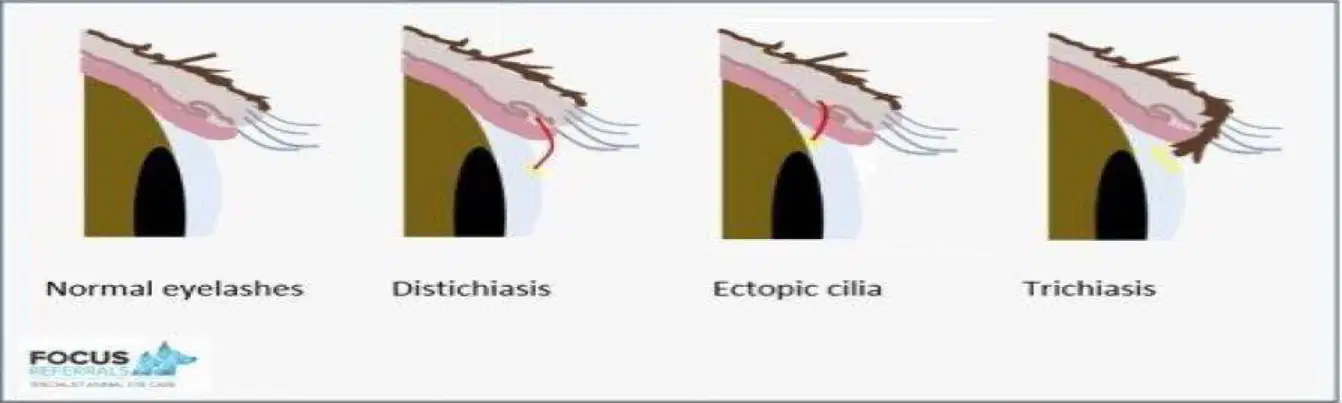
Which eyelash disorder in the diagram most likely causes focal corneal irritation from a single hair emerging through the conjunctiva?
Normal eyelashes causing no irritation
Trichiasis with misdirected normal lashes
Ectopic cilia with a focal irritating hair
Distichiasis with multiple aberrant lashes
A patient has persistent epiphora despite patent nasolacrimal ducts on fluorescein testing. Which next step targets the most likely cause?
Order MRI of the optic chiasm urgently
Treat ocular pain and surface irritation
Perform dacryocystorhinostomy surgery
Start systemic antifungals immediately
Which eyelid gland produces the oily layer that helps spread lubricating secretions across the tear film?
Krause accessory lacrimal gland
Zeis gland near the lash follicle
Lacrimal gland of the superior orbit
Meibomian gland of the eyelid margin
Which statement best distinguishes a hordeolum from a chalazion?
Hordeolum is allergic; chalazion is nutritional
Hordeolum is parasitic; chalazion is mycotic
Hordeolum is a granuloma; chalazion is an abscess
Hordeolum is an abscess; chalazion is a granuloma
A patient presents with a painless, firm eyelid nodule weeks after a tender swollen lid. What is the most likely diagnosis?
Chalazion from meibomian granuloma
Acute external hordeolum abscess
Blepharitis due to allergens
Preseptal cellulitis infection
Which first-line home measure is appropriate for both hordeolum and chalazion management?
Immediate systemic corticosteroids
Eye patching for forty-eight hours
Cold compresses with ice packs
Warm compresses applied repeatedly
Blepharitis is best described as which clinical condition?
Inflammatory swelling of the eyelid margins
Detachment of the retina from choroid
Ulceration of the corneal epithelium
Obstruction of the nasolacrimal duct
Which organism is a common bacterial cause implicated in blepharitis?
Treponema transmitted sexually
Clostridium from soil exposure
Pseudomonas in contact lenses
Staphylococcus species colonizing lids
Which set of clinical signs most strongly supports blepharitis?
Severe proptosis, painful eye movements
Photophobia, diplopia, afferent defect
Periocular pruritus, alopecia, eye rubbing
Sudden floaters, curtain-like vision loss
When evaluating suspected blepharitis with possible mite or fungal involvement, which diagnostic steps are most appropriate?
Complete eye exam, skin scraping, cultures
Tonometry only, then orbital CT scan
Fluorescein angiography exclusively
Genetic testing for keratin mutations
A dog with swollen, crusted eyelids and periocular pruritus is pictured. Which combined treatment plan is most appropriate?
Warm compress plus targeted antimicrobials
Topical anesthetic without other therapy
Surgical curettage as sole management
Prolonged eye patching and rest only
Which statement best defines entropion in small animals?
Inward rolling of the eyelid margin onto cornea
Adhesion of eyelid to the bulbar conjunctiva
Outward rolling of the eyelid exposing conjunctiva
Protrusion of the third eyelid across cornea
Which statement best defines ectropion in small animals?
Prolapse of gland of the third eyelid
Inward rotation of eyelid rubbing the cornea
Outward eversion of eyelid exposing the cornea
Spasm of orbicularis causing eyelid twitching
Which form of entropion is described as inherited and associated with large orbits and deep-set eyes?
Acquired nonspastic from lid scarring
Cicatricial entropion from chronic burns
Congenital entropion with deep-set eyes
Acquired spastic from corneal pain
Acquired nonspastic entropion most commonly results from which process?
Congenital malformation without scarring
Neurologic palsy of facial nerve only
Excessive tearing from allergy alone
Surgical or traumatic scarring with contraction
In cats, which entropion form is observed secondary to painful corneal lesions and conjunctival inflammation?
Involutional age-related eyelid laxity
Acquired nonspastic due to scarring
Acquired spastic triggered by pain
Congenital entropion with deep orbits
Which combination lists typical clinical signs of entropion?
Lid eversion with keratitis and purulent exudate
Rolling inward, epiphora, blepharospasm, photophobia
Dry eye, miosis, absent menace response only
Proptosis, mydriasis, retinal detachment findings
Which step is essential when diagnosing either entropion or ectropion?
Rely on fluorescein alone without exam
Order CT scan of orbit for all cases
Measure intraocular pressure exclusively
Observe lid position and interaction with globe
Which treatment approach is standard for correcting clinically significant entropion?
Surgical correction of the eyelid margin
Corneal transplant to restore the surface
Systemic antibiotics without surgery
Topical lubricants as sole lifelong therapy
Which client counseling point is emphasized for both entropion and ectropion?
Use e-collar permanently to prevent rubbing
Treat with steroids without diagnostics
Delay surgery until advanced corneal ulceration
Avoid breeding or purchasing predisposed animals
Which clinical sign best differentiates ectropion from entropion on examination?
Blepharospasm with intense corneal pain
Miosis with vision loss and strabismus
Eyelid eversion with exposed conjunctiva
Conjunctival erythema with photophobia only
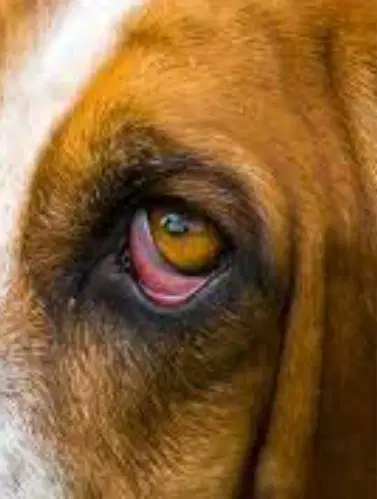
Which surgical options are specifically listed for ectropion correction?
Hotz-Celsus, tarsorrhaphy, wedge resection
V-plasty, lateral blepharoplasty, V-Y plasty
Medial canthoplasty, entropion clamp excision
Levator resection, dacryocystorhinostomy
A dog presents with tearing, lid rolling inward, blepharospasm, and a superficial corneal ulcer. Which diagnosis and next step are most appropriate?
Conjunctivitis with oral antibiotics only
Entropion with surgical correction planning
Ectropion with topical steroids immediately
Cherry eye with third eyelid gland removal
Which structure is also called the third eyelid and helps protect the eye?
Meibomian margin with lipid function
Lacrimal caruncle with pigment function
Corneal endothelium with barrier function
Nictitating membrane with tear film function
What is a primary function of the nictitating membrane in dogs?
Regulating intraocular pressure hourly
Anchoring extraocular muscle insertions
Spreading the precorneal tear film evenly
Generating visual photoreceptor signals
Which description best matches the skeleton of the third eyelid?
Helical ligament connecting to the sclera
T-shaped cartilaginous framework embedded superficially
Circular bony ring within the deep fornix
Fibrous septum attached to eyelid tarsus
A dog presents with a red mass at the medial canthus, mild irritation, and tearing but no pain. What condition is most likely?
Uveitis with miosis and hypopyon
Hypertrophy of the nictitans gland (cherry eye)
Acute glaucoma causing corneal edema
Deep corneal ulcer with severe pain
Which clinical sign is most characteristic of cherry eye?
Purulent discharge with marked chemosis
Red enlargement of tissue in the medial canthus
Diffuse corneal vascularization across quadrants
Profound blepharospasm with photophobia
What is the standard basis for diagnosing cherry eye in clinical practice?
Fluorescein dye revealing epithelial loss
Tonometry confirming pressure elevation
Recognition of typical clinical signs alone
Culture proving bacterial gland infection
Which surgical principle is preferred to manage cherry eye and reduce KCS risk?
Replace and tack down the prolapsed gland
Excise the entire third eyelid gland
Cauterize the prolapsed conjunctival tissue
Transpose the lateral canthus medially
Why is complete removal of the third eyelid gland discouraged in cherry eye?
It causes permanent corneal melting in every case
It always increases intraocular pressure drastically
It may lead to keratoconjunctivitis sicca development
It prevents the nictitating membrane from blinking
Which statement best defines glaucoma in clinical terms?
A disease of elevated intraocular pressure damaging vision
An infection of the cornea causing eye redness and pain
A retinal detachment with sudden loss of peripheral vision
A congenital cataract leading to progressive lens opacity
What is intraocular pressure (IOP) primarily determined by in a healthy eye?
Balance between aqueous humor production and outflow
Systemic blood pressure transmitted to choroidal vessels
Elasticity of the sclera and corneal curvature only
Rate of vitreous humor synthesis by ciliary body
Which IOP range is considered normal in dogs and cats?
Thirty-five to forty-five millimeters of mercury
Two to eight millimeters of mercury
Twenty-eight to thirty-eight millimeters of mercury
Twelve to twenty-two millimeters of mercury
An IOP above which value is diagnostic of glaucoma in small animals?
Above thirty millimeters of mercury is diagnostic
Above ten millimeters of mercury is diagnostic
Above twenty millimeters of mercury is diagnostic
Above forty-five millimeters of mercury is diagnostic
Most canine glaucoma cases are due to which pathophysiologic change?
Increased aqueous production by ciliary processes
Decreased aqueous outflow through drainage angles
Reduced corneal thickness changing tonometry readings
Increased episcleral venous pressure from hypertension
Which instruments are commonly used to measure IOP in veterinary practice?
Slit-lamp biomicroscope or keratometer
Ultrasound pachymeter or autorefractor
Direct ophthalmoscope or retinoscope
Schiotz tonometer or Tono-Pen devices
Primary glaucoma is best characterized by which feature?
Inherited angle defect typically affecting both eyes
Sudden lens luxation obstructing aqueous outflow
Obstruction from uveitis leading to unilateral disease
Neoplastic invasion of the iridocorneal angle
Secondary glaucoma most commonly results from which mechanism?
Genetic malformation of the trabecular meshwork only
Physiologic diurnal variation in aqueous formation
Obstruction of drainage angles due to another process
Age-related hardening of the crystalline lens
Which description best matches acute glaucoma presentation?
Severely elevated IOP over sixty millimeters causing blindness
Intermittent low IOP leading to transient blurred vision
Mildly elevated IOP with gradual field loss over years
Normal IOP with episodic ocular discomfort and tearing
Which clinical finding most suggests acute glaucoma rather than chronic glaucoma?
Buphthalmos with gradual enlargement
Dilated pupil sluggish to light
Optic disc cupping noted chronically
Corneal striae developing over weeks
What is the cornerstone diagnostic step for both acute and chronic glaucoma?
Fluorescein tear testing
Schirmer tear production
Measured intraocular pressure
Orbital ultrasound imaging
Which medication decreases aqueous humor production in acute glaucoma?
Dorzolamide topical carbonic anhydrase inhibitor
Pilocarpine cholinergic miotic agent
Latanoprost prostaglandin analog
Timolol systemic beta agonist
A patient has ocular pain, vascular congestion, and diffuse corneal edema. Which immediate therapy best targets fluid outflow?
Dorzolamide to inhibit aqueous secretion
IV mannitol to reduce vitreous volume
Latanoprost to facilitate aqueous outflow
Timolol to lower ciliary production
Which combination best characterizes chronic glaucoma clinical signs?
Hyphema with shifting fluid levels
Marked chemosis with mucopurulent discharge
Acute photophobia, mid-dilated fixed pupil
Buphthalmos, corneal striae, optic disc cupping
In an eye blind from chronic glaucoma with persistent pain, the most appropriate definitive management is which option?
Enucleation to relieve pain permanently
Topical prostaglandin analog indefinitely
Long-term systemic mannitol infusions
Laser iridotomy for acute angle relief
You suspect acute glaucoma with a nonreactive dilated pupil. Which ordered treatment sequence is most appropriate initially?
Measure IOP then start topical and osmotic therapy
Begin steroids then schedule optic disc imaging
Order MRI then consider carbonic anhydrase drops
Start antibiotics then arrange enucleation consult
Which statement correctly pairs drug class with its primary IOP effect in acute management?
Latanoprost alpha-agonist lowers production
Timolol beta-blocker decreases IOP
Dorzolamide prostaglandin increases outflow
Pilocarpine anticholinergic reduces outflow
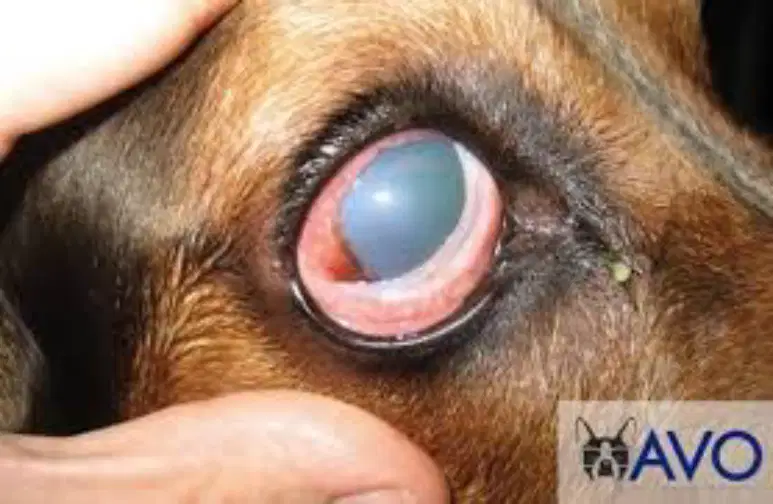
Which statement best explains why acute glaucoma presentation requires immediate action?
Vision loss improves after resting in darkness
Pain resolves spontaneously without therapy
Delay risks irreversible optic nerve damage
IOP decreases naturally within several days
A client asks how long their pet will need glaucoma medications. What is the most accurate response?
Treatment is lifelong with ongoing monitoring
Therapy lasts two months then stops
Drugs are used only during pain episodes
Medication is needed only in one affected eye
Glaucoma is described as a progressive and often bilateral disease. Which plan best addresses these features?
Schedule regular checks of the fellow eye
Stop therapy when redness subsides
Reduce visits because disease stabilizes
Treat only the painful eye once
To support a patient with advanced vision loss from glaucoma, which home advice is most appropriate?
Rely on rapid visual adaptation alone
Keep furniture and layout consistent
Rearrange rooms weekly for enrichment
Use dim lighting to reduce strain
Which sequence correctly lists the corneal layers from outermost to innermost?
Stroma, epithelium, endothelium, Descemet membrane
Descemet membrane, endothelium, epithelium, stroma
Endothelium, Descemet membrane, stroma, epithelium
Epithelium, stroma, Descemet membrane, endothelium
Which statement best characterizes epithelial healing in uncomplicated corneal ulcers?
Always leads to stromal thinning
Remains static unless surgically debrided
Requires months without intervention
Heals rapidly within several days
Which ulcer type is most likely to fail to heal without intervention in dogs?
Herpetic dendritic ulcer in cats
Chemical burn superficial abrasion
Acute traumatic stromal ulcer
Indolent ulcer in Boxer breeds
A full-thickness corneal ulcer exposes the stroma. What ocular appearance is most expected?
Eye may appear white diffusely
Pupil becomes pinpoint bilaterally
Iris turns bright red centrally
Lens develops immediate cataract
Which is the most appropriate initial antimicrobial choice for an infected corneal ulcer pending culture in small animals?
Topical steroid anti-inflammatory
Oral antifungal prophylaxis
Broad-spectrum topical antibiotic
Systemic antiviral monotherapy
Which cause is correctly matched with corneal ulcer risk in small animals?
Glaucoma preventing epithelial adhesion
Hyperthyroidism increasing aqueous humor production
Retinal detachment disrupting corneal metabolism
Keratoconjunctivitis sicca causing exposure and dryness
A cat presents with superficial dendritic ulcers and blepharospasm. Which etiologic agent is most likely?
Mycoplasma bovis strain
Chlamydia psittaci infection
Canine adenovirus type 2
Feline herpesvirus type 1
Which scenario best explains delayed healing compared to an uncomplicated epithelial defect?
Ulcer is secondarily infected with bacteria
Owner used an Elizabethan collar early
Fluorescein stain was applied correctly
Patient produced normal tear volume
A dog with conformational eyelid abnormalities develops recurrent corneal ulcers. Which abnormality most directly causes corneal irritation?
Ectopic cilia rubbing the cornea
Macroglossia touching the eyelids
Dilated pupils in dim lighting
Proptosed third eyelid cartilage

