
Font size
 Worksheets
Jr. Beta Computer Science
Total questions: 136
Worksheet time: 3hrs 12mins



Which of the following is a variable in coding?
A picture
A value that can change
A loop
A sound file
What does a loop do in a computer program?
Stores images
Sends emails
Repeats a set of instructions
Stops the program
What does a conditional statement do?
Draws a shape
Checks if something is true
Deletes a file
Plays music
Which is an example of a search algorithm?
Merge sort
Bubble sort
Binary search
Deep copy
Which data structure stores values in order and can be changed?
Set
Array
List
Queue
Which of the following uses artificial intelligence?
Microwave
Notebook
Chatbot
Pencil
What is a dataset used for in AI?
Making slides
Training models
Saving games
Sending texts
What is a strong password example?
1234
password
DogsRule123!
abc
Which is a common cybersecurity threat?
Antivirus
Firewall
Phishing
Router
What does a router do?
Stores music
Connects devices to the internet
Prints documents
Manages files
What is the CPU responsible for?
Typing letters
Making graphs
Processing instructions
Watching videos
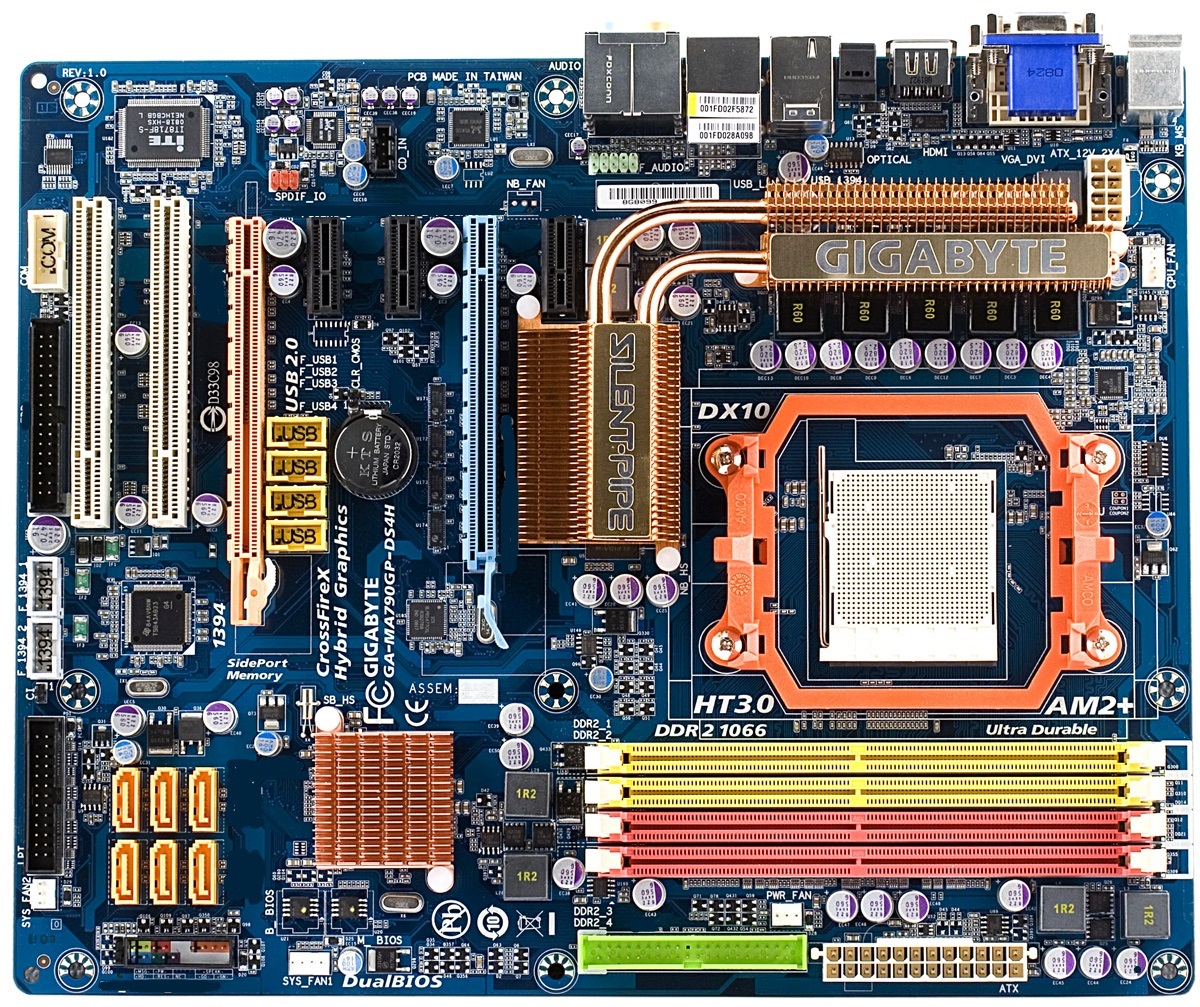
Which part of the computer connects all components?
Monitor
Keyboard
Motherboard
Speaker
What is the main role of an operating system?
Designing web pages
Protecting from viruses
Managing hardware and software
Making videos
What is binary code made of?
A and B
1 and 0
X and Y
2 and 5
What does a firewall help prevent?
Computer speed
Losing internet
Unauthorized access
Charging too slowly

Which of these is NOT an AI technology
Facial recognition
Image recognition
Robotics
Animation
Which of these is NOT an AI technology
Facial recognition
Image recognition
Robotics
Animation
What is AI used for?
Healthcare
Transportation
Education
All of the Above
Q7. Which of the following is the correct order of the investigative cycle?
A. Problem, data, plan, analysis, conclusion
B. Conclusion, plan, problem, data, Analysis
C. Plan, problem, analysis, data, conclusion
D. Problem, plan, data, analysis, conclusion
Q8. In which step of the cycle would you pose the question(s) that you will use data to help you answer?
A. Data
B. Analysis
C. Plan
D. Problem
Q10. In which step of the cycle would you work out where the data will come from or how you will collect it?
A. Data
B. Analysis
C. Plan
D. Problem

Q15. What is name of the chart pictured below? (1 mark)
Graph chart
Pie chart
Line chart
Bar chart

Q16. What is name of the chart pictured below? (1 mark)
Graph chart
Pie chart
Line chart
Bar chart
Computing device
A machine that can run a program, including computerws, tablets, servers, routers, and smart sensors.
A group of computing devices and programs working together for a common purpose.
the maximum amount of data that can be sent in a fixed amount of time, usually mesured in bits per second.
An agreed-upon set of rules that specify the behavior of some system
Computing systems
the maximum amount of data that can be sent in a fixed amount of time, usually measured in bits per second.
the series of connections between computing devices on a network starting with a sender and ending with a receiver
A group of computing devices and progrmas working together for a common purpose
a machine that can run a program, including computers, tablets, servers, routers, and smart sensors
Computing network
An agreed-upon set of rules that specify the behavior of some system
a group of interconnected computing devices capable of sending or receiving data.
The unique number assigned to each device on the Internet.
a group of computing devices and programs working together for a common purpose
Path
the series of connections between computing devices on a network starting with a sender and ending with a receiver.
a group of interconnected computing devices capable of sending or receiving data.
a machine that can run a program, including computers, tablets, servers, routers, and smart sensors
An agreed-upon set of rules that specify the behavior of some system
Bandwidth
A chunk of data sent over a network. Larger messages are divided into packets that may arrive at the destination in order, out-of-order, or not at all.
differing access to computing devices and the internet, based on socioeconomic, geographic, or demographic characteristics.
the inclusion of extra components so that a system can continue to work even if individual components fail, for example by having more than one path between any two connected devices in a network.
the maximum amount of data that can be sent in a fixed amount of time, usually measured in bits per second.
Protocol
The unique number assigned to each device on the Internet.
An agreed-upon set of rules that specify the behavior of some system
A type of computer that forwards data across a network.
the series of connections between computing devices on a network starting with a sender and ending with a receiver.
IP Address
The unique number assigned to each device on the Internet.
A type of computer that forwards data across a network.
An agreed-upon set of rules that specify the behavior of some system
the series of connections between computing devices on a network starting with a sender and ending with a receiver.
Internet Protocol
A type of computer that forwards data across a network.
the maximum amount of data that can be sent in a fixed amount of time, usually measured in bits per second.
a protocol for sending data across the Internet that assigns unique numbers (IP addresses) to each connected device.
A chunk of data sent over a network. Larger messages are divided into packets that may arrive at the destination in order, out-of-order, or not at all.
Router
An agreed-upon set of rules that specify the behavior of some system
A type of computer that forwards data across a network.
a protocol for sending data across the Internet that assigns unique numbers (IP addresses) to each connected device.
the maximum amount of data that can be sent in a fixed amount of time, usually measured in bits per second.
Packet
A type of computer that forwards data across a network.
Can continue to function even in the event of individual component failures. This is important because elements of complex systems like a computer network fail at unexpected times, often in groups.
A chunk of data sent over a network. Larger messages are divided into packets that may arrive at the destination in order, out-of-order, or not at all.
the series of connections between computing devices on a network starting with a sender and ending with a receiver.
Redundancy:
a computer network consisting of interconnected networks that use standardized, open (nonproprietary) communication protocols.
a protocol for sending data across the Internet that assigns unique numbers (IP addresses) to each connected device.
the inclusion of extra components so that a system can continue to work even if individual components fail, for example by having more than one path between any two connected devices in a network.
A chunk of data sent over a network. Larger messages are divided into packets that may arrive at the destination in order, out-of-order, or not at all.
Fault Tolerant:
A type of computer that forwards data across a network.
differing access to computing devices and the internet, based on socioeconomic, geographic, or demographic characteristics.
A chunk of data sent over a network. Larger messages are divided into packets that may arrive at the destination in order, out-of-order, or not at all.
Can continue to function even in the event of individual component failures. This is important because elements of complex systems like a computer network fail at unexpected times, often in groups.
HTTP
the inclusion of extra components so that a system can continue to work even if individual components fail, for example by having more than one path between any two connected devices in a network.
the protocol used for transmitting web pages over the Internet
a group of computing devices and programs working together for a common purpose
the maximum amount of data that can be sent in a fixed amount of time, usually measured in bits per second.
internet
the maximum amount of data that can be sent in a fixed amount of time, usually measured in bits per second.
A type of computer that forwards data across a network.
a group of interconnected computing devices capable of sending or receiving data.
a computer network consisting of interconnected networks that use standardized, open (nonproprietary) communication protocols.
World Wide Web
a system of linked pages, programs, and files.
a protocol for sending data across the Internet that assigns unique numbers (IP addresses) to each connected device.
An agreed-upon set of rules that specify the behavior of some system
a group of interconnected computing devices capable of sending or receiving data.
Digital Divide
a machine that can run a program, including computers, tablets, servers, routers, and smart sensors
the inclusion of extra components so that a system can continue to work even if individual components fail, for example by having more than one path between any two connected devices in a network.
HyperText Transfer Protocol - the protocol used for transmitting web pages over the Internet
differing access to computing devices and the internet, based on socioeconomic, geographic, or demographic characteristics.
A placeholder for a piece of information that can change is a...
algorithm
variable
parameter
code
A piece of code that you can call over and over again is a...
variable
event
function
loop

A written outline of your code is...
pseudocode
function
conditional
loop
An action that causes something to happen is...
an event
a control
a sensor
a variable
When a computer retrieves, transforms, or classifies information it is called...
input
output
processing
storage
The saving of information for later use is called...
storage
input
output
processing
What is the name of the programming language you are using in class?
Java
Block coding
Python
Excel

Which block will repeat your code?
On Start
Forever
On Button A
On Shake

When will this piece of code start?
When you shake the MicroBit
When you turn on the MicroBit
When you press the A and B buttons on the MicroBit
What is a String?
Text, numbers and symbols
Images
How many lights are there on an LED grid on the micro:bit?
10
15
20
25
Which of the following are considered input?
Buttons A and B
Monitor
Speaker
LED Grid
A set of steps used to complete a specific task is called a (a) .
I algorithm can follow steps in a particular order, to reach a
(a)
Which of these is not hardware.
Mouse
Monitor
OS
Keyboard
Software gives (a) to hardware.
Almost every nationality uses a base (a) number system.
Binary uses a system of _____'s and ______'s.
One
Numbers
Sequences
Zero
Bits and Bytes are units of _____________.
Binary
Code
Storage
Memory
A (a) is made up of specific terms and directions that are used to create some type of output, such as websites, apps, and other software.
A (a) is a series of actions that is completed in a specific order.
Selections, ask a (a) in order to figure out which path to take next.
Loops allow programmers to efficiently code __________ tasks instead of having to write the same actions over and over again.
repetitive
compulsory
fundamental
routine
There are ____________ coding jobs then there are people who know how to code.
more
fewer
the same amount of
blanket
The most sought after skills in the computer science profession is ______________ skills and communication.
writing
coding
html
people
________________ can serve as a jumping-off point if you want to move into these fields in the future.
Coding
HTML
OS
OCD
Some argue that it might be a better investment to study growing fields like artificial intelligence and ___________ _____________.
genetic coding
machine learning
obstacle techies
artificial intelligence

