
 Worksheets
Physical Science Midterm Exam
Total questions: 56
Worksheet time: 28mins
Name
Class
Date
1.
Basic Substances that are pure and cannot be broken down into simpler substances are called:
a)
Inorganic Compounds
b)
Organic Substances
c)
Elements
d)
Minerals
2.
The smaller number in the top of the periodic table box that represents the number of protons and electrons of an element is its:
a)
Symbol
b)
Atomic Number
c)
Mass Number
d)
Period
3.
Charged Particles in the outermost shell of an atom are known as:
a)
Electrons
b)
Valence Electrons
c)
Octet Rules
d)
Energy Levels
4.
These Particles are found in the Nucleus (select all that apply)
a)
Neutrons
b)
Protons
c)
Electrons
5.
Nobel Gases do not react with any other elements because they have _____________ valence electrons
a)
2
b)
4
c)
8
d)
18
6.
True or False: Compounds combine Chemically, while Mixtures are Elements and Compounds that do not bond
a)
True
b)
False
7.
In this type of mixture you can see definite differences and separation
a)
Heterogeneous Mixture
b)
Homozygous Mixture
c)
Heterozygous Mixture
d)
Homogeneous Mixture
8.
An Oil Spill in the Ocean would be an example of a _______________ mixture
a)
Homogeneous Mixture
b)
Homozygous Mixture
c)
Heterogeneous Mixture
d)
Heterozygous Mixture
9.
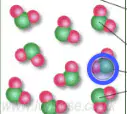
What does this illustration represent? (Don't Mind the Blue Circle)
a)
Element
b)
Compound
c)
Mixture of Elements
d)
Mixture of Compounds
e)
Mixture of Elements and Compounds
10.
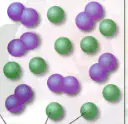
What does this illustration represent?
a)
Element
b)
Compound
c)
Mixture of Elements
d)
Mixture of Compounds
e)
Mixture of Elements and Compounds
11.

Which state of matter is this?
a)
Solid
b)
Liquid
c)
Gas
d)
Plasma
12.

Which state of matter has some space between the molecules and takes the shape of its container, as is shown below?
a)
Solid
b)
Liquid
c)
Gas
d)
Plasma
13.
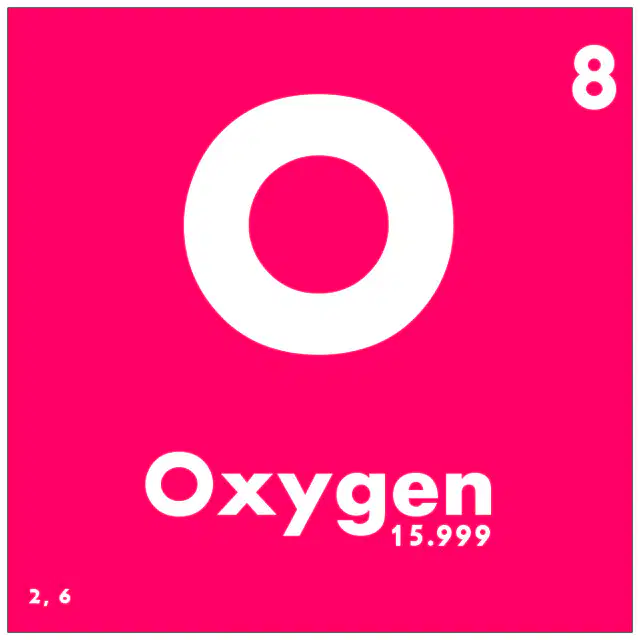
Select the Bohr Model that represents Oxygen, with an atomic number of 8
a)
#1
b)
#2
c)
#3
d)
#4
14.

Select the Bohr Model that represents Fluorine, with an atomic number of 9
a)
#1
b)
#2
c)
#3
d)
#4
15.
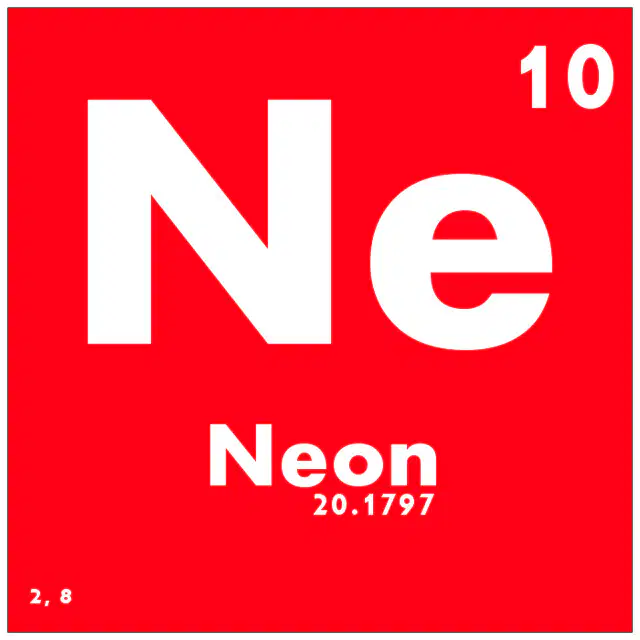
Select the Bohr Model that represents Neon, with an atomic number of 10
a)
#1
b)
#2
c)
#3
d)
#4
16.
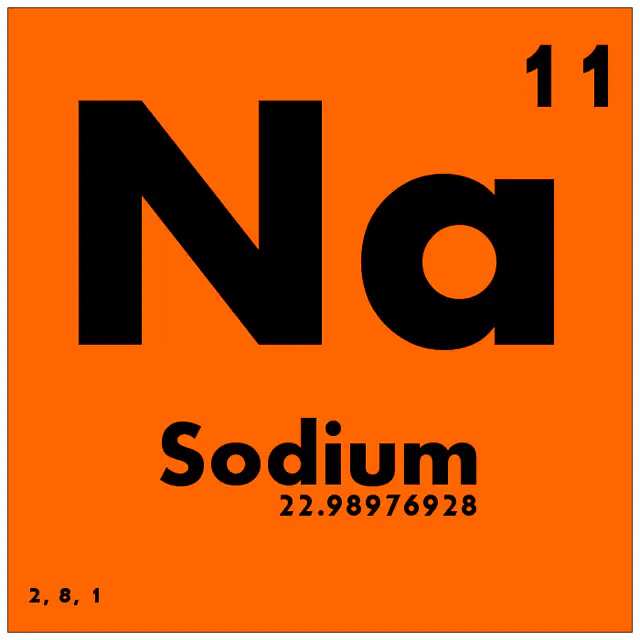
Select the Bohr Model that represents Neon, with an atomic number of 11
a)
#1
b)
#2
c)
#3
d)
#4
17.
This characteristic property determines the temperature at which a substance changes from a Liquid to a Gas
a)
Freezing Point
b)
Boiling Point
c)
Melting Point
d)
Density
18.
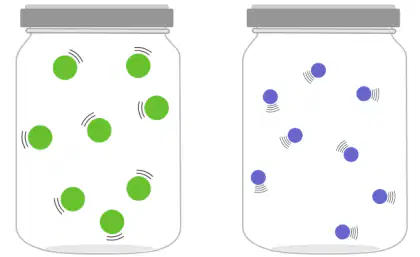
Which state of matter does this illustration represent?
a)
Solid
b)
Liquid
c)
Gas
d)
Plasma
19.
A chemical change is:
a)
A change that results in a change in the state, size or shape of a substance
b)
A change that results in a change in the properties and characteristics of a substance, changing into a different substance
c)
A change that produces a new boiling point and freezing point
d)
A change that results in a change in valence electrons
20.
A diagram that shows how many valence electrons are in an element
a)
Bohr Model
b)
Mendelev Monohybrid Crosses
c)
Bonding Patterns
d)
Lewis Dot Diagrams
21.
Covalent Bonds:
a)
Are a result of gaining or losing electrons
b)
Are a result of ions forming
c)
Are a result of atomic numbers
d)
Are a result of sharing electrons
22.
Diatomic Molecules are:
a)
Where the same element forms a compound
b)
Where two different elements form a compound
c)
Where there are ions that share valence electrons
d)
Where atoms mass numbers decrease
23.
True or False: The goal of forming Bonds is to get to 8 valence electrons, completing the octagonal rule
a)
True
b)
False
24.
Select all the signs that a chemical change has occurred (4):
a)
New odor produced
b)
New color produced
c)
New substance created
d)
New gas produced when heated
e)
Substance melting when heated
25.
Mendeleev arranged the elements in his periodic table by their:
a)
Atomic number
b)
Atomic mass and properties
c)
Density and color
d)
Melting point
26.
The vertical columns on the periodic table are called:
a)
Rows
b)
Periods
c)
Groups
d)
Lines
27.
The horizontal rows on the periodic table are called:
a)
Columns
b)
Groups
c)
Families
d)
Periods
28.
A metal’s ability to be hammered into thin sheets is called:
a)
Conductivity
b)
Brittleness
c)
Ductility
d)
Malleability
29.
Nonmetals are generally:
a)
Hard and shiny
b)
Soft and poor conductors
c)
Malleable and ductile
d)
Found only in solids
30.
What group does the element Uranium belong to?
a)
The Lanthanide Series
b)
Alkaline-Earth Metals
c)
Poor Metals
d)
The Actinide Series
31.
What group does the element Selenium belong to?
a)
Life Essential Non-metals
b)
Transition Metals
c)
Halogens
d)
Semi-metals
32.
What group does the element Radon belong to?
a)
Halogens
b)
Alkali Metals
c)
Transition Metals
d)
Noble Gases
33.
What family does the element Rubidium belong to?
a)
Semi-metals
b)
Alkali Metals
c)
The Lanthanide Series
d)
The Noble Gases
34.
What family does the element Germanium belong to?
a)
Poor Metals
b)
Non-metals
c)
Semi-metals
d)
Alkali metals
35.
How many valence electrons does Argon (Ar) have?
a)
2
b)
4
c)
6
d)
8
36.
How many valence electrons does Sodium (Na) have?
a)
1
b)
3
c)
5
d)
7
37.
How many valence electrons does Chlorine (Cl) have?
a)
1
b)
3
c)
5
d)
7
38.
How many valence electrons does Arsenic (As) have?
a)
1
b)
3
c)
5
d)
7
39.
How many valence electrons does Germanium (Ge) have?
a)
2
b)
4
c)
6
d)
8
40.
How many shells/energy levels does Hydrogen (H) have?
a)
1
b)
3
c)
5
d)
7
41.
How many shells/energy levels does Bromine (Br) have?
a)
2
b)
4
c)
6
d)
8
42.
How many shells /energy levels does Sodium (Na) have?
a)
1
b)
3
c)
5
d)
7
43.
How many shells/energy levels does Calcium (Ca) have?
a)
2
b)
4
c)
6
d)
8
44.
How many shells/energy levels does Lithium (Li) have?
a)
1
b)
2
c)
3
d)
4
45.

Which element belongs in the on the table where the question mark is?
a)
Pb (Lead)
b)
Pu (Plutonium)
c)
Ag (Silver)
d)
U (Uranium)
46.
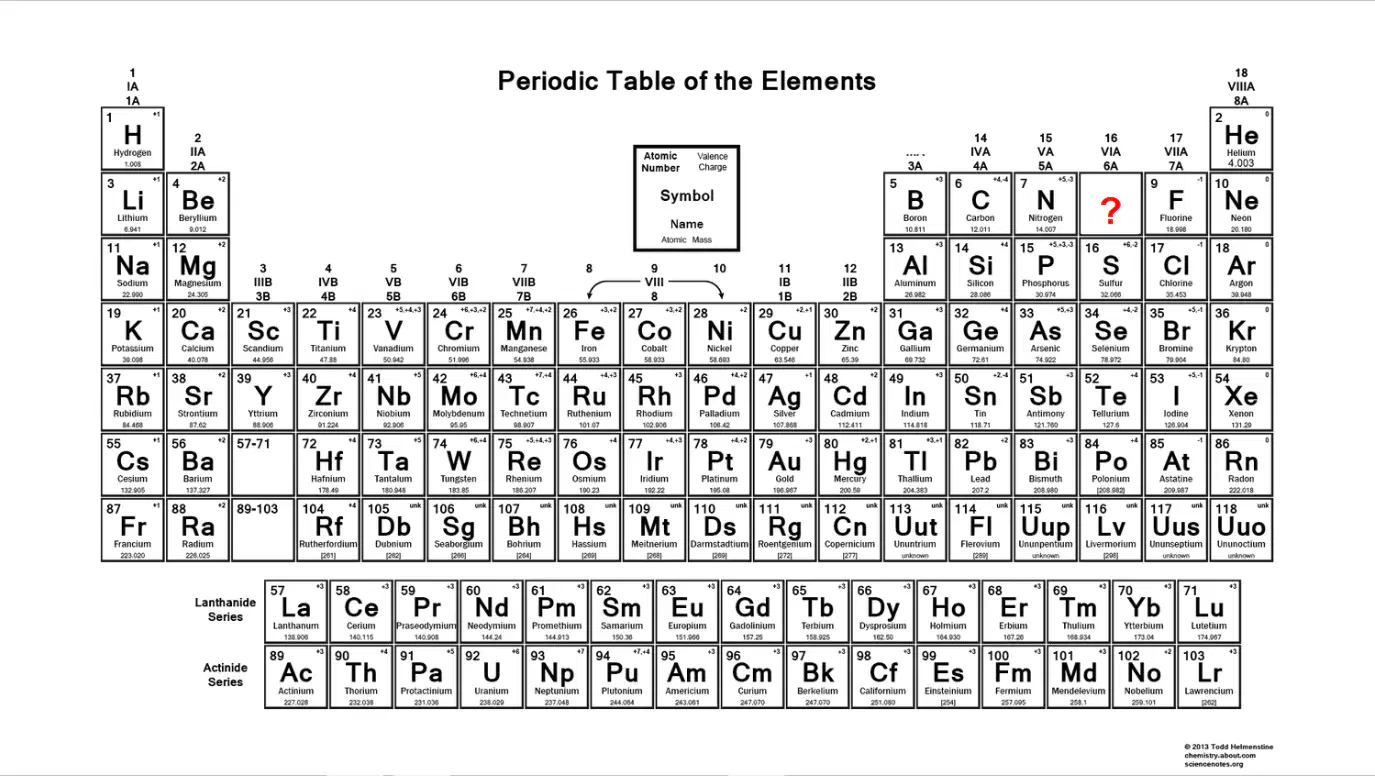
Which element belongs in the on the table where the question mark is?
a)
La (Lanthanide)
b)
I (Iodine)
c)
O (Oxygen)
d)
Bi (Bismuth)
47.
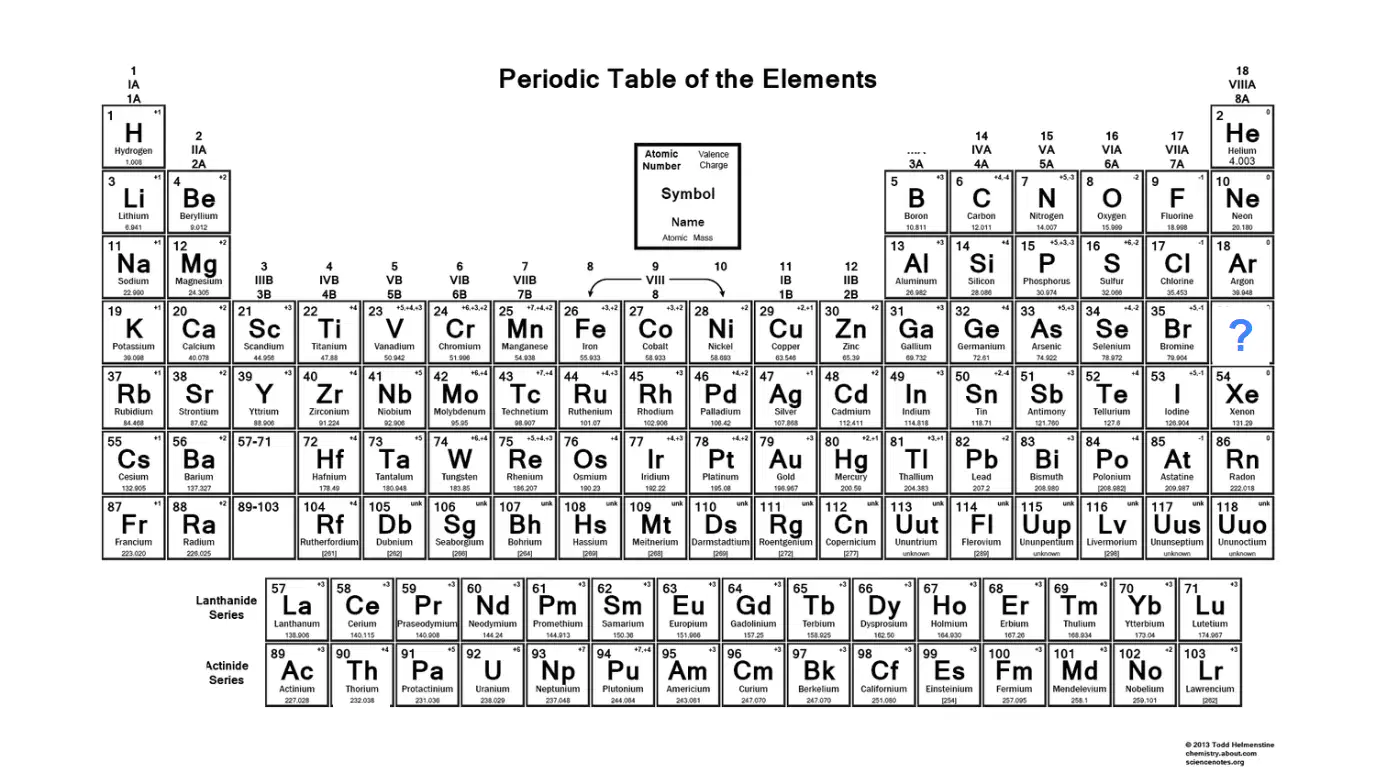
Which element belongs in the on the table where the question mark is?
a)
Xe (Xenon)
b)
Kr (Krypton)
c)
Cs (Caesium)
d)
Fl (Flerovium)
48.

In order to balance the equation what coefficient must go in front of H2
a)
1
b)
2
c)
3
d)
4
49.

In order to balance the equation what coefficient must go in front of H2O
a)
1
b)
2
c)
3
d)
4
50.
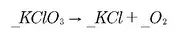
Balance the equation. What coefficient must go in front of KClO3.
a)
1
b)
2
c)
3
d)
4
51.
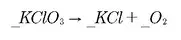
Balance the equation. What coefficient must go in front of KCl.
a)
1
b)
2
c)
3
d)
4
52.
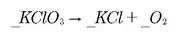
Balance the equation. What coefficient must go in front of O2?
a)
1
b)
2
c)
3
d)
4
53.

What type of reaction is this?
a)
Synthesis Reaction
b)
Decomposition Reaction
c)
Single Replacement Reaction
d)
Double Replacement Reaction
e)
Option 5
54.
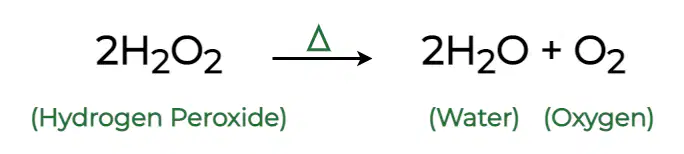
What type of reaction is this?
a)
Synthesis Reaction
b)
Decomposition Reaction
c)
Single Replacement Reaction
d)
Double Replacement Reaction
e)
Combustion Reaction
55.

What type of reaction is this?
a)
Synthesis Reaction
b)
Decomposition Reaction
c)
Single Replacement Reaction
d)
Combustion Reaction
56.

What type of reaction is this?
a)
Synthesis Reaction
b)
Decomposition Reaction
c)
Single Replacement Reaction
d)
Combustion Reaction
100 %

