
 Worksheets
SY25 STUDY GUIDE - BGCS FINAL EXAM
Total questions: 55
Worksheet time: 30mins
Name
Class
Date
1.
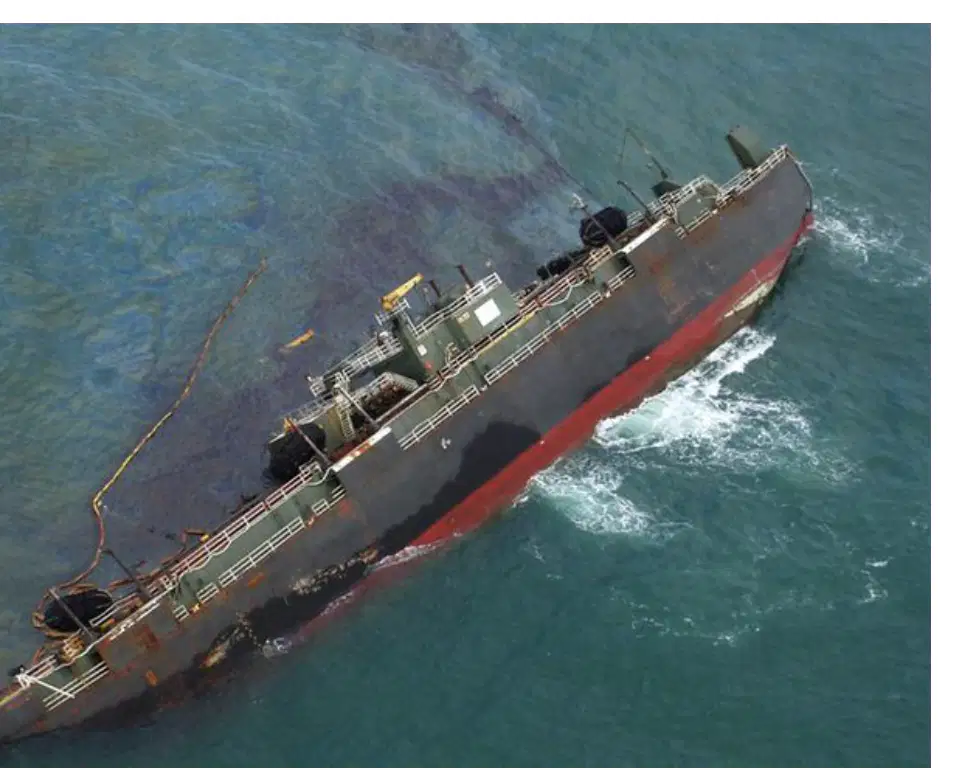
1. A ship carrying oil runs into a rock and spills a large amount of oil. Is this point or non-point pollution?
a)
Point
b)
Non-point
2.
2. Evidence is ___________________
a)
A statement or conclusion that answers a question
b)
Scientific data that supports the claim
c)
A justification that connects the claim to the evidence
d)
Not vital when using an argument
3.
3. Reasoning is __________________.
a)
Option 1
b)
A statement of conclusion that answers the original question/problem
c)
Scientific data that supports the claim
d)
A justification that connects the evidence to the claim
e)
Empirical Evidence
4.
4. A claim is ______________________________.
a)
a kind of shellfish often used in chowder.
b)
a fact.
c)
a statement or conclusion that answers the original question or problem
d)
a bad thing to make about something.
5.
5. Air is matter. We found that the weight of the ball increases by .5lbs each time we pumped more air into it. This shows that air has weight, one of the characteristics of matter.
Which sentence is the claim?
a)
Air is matter.
b)
We found that the weight of the ball increases by .5lbs each time we pumped more air into it.
c)
This shows that air has weight, one of the characteristics of matter.
6.
6. Air is matter. We found that the weight of the ball increases by .5lbs each time we pumped more air into it. This shows that air has weight, one of the characteristics of matter.
Which sentence is the evidence?
a)
Air is matter.
b)
We found that the weight of the ball increases by .5lbs each time we pumped more air into it.
c)
This shows that air has weight, one of the characteristics of matter.
7.
7. Pollution that comes from MANY different places and is hard to identify its source.
a)
Point
b)
Non-Point
8.
8. Pollution that comes from a single source
a)
Point
b)
Non-Point
9.
9. What is the movement of water within the spaces of a porous material due to the forces of adhesion, cohesion, and surface tension
a)
Malleability
b)
Conductivity
c)
Freezing Point
d)
Capillary Action
10.
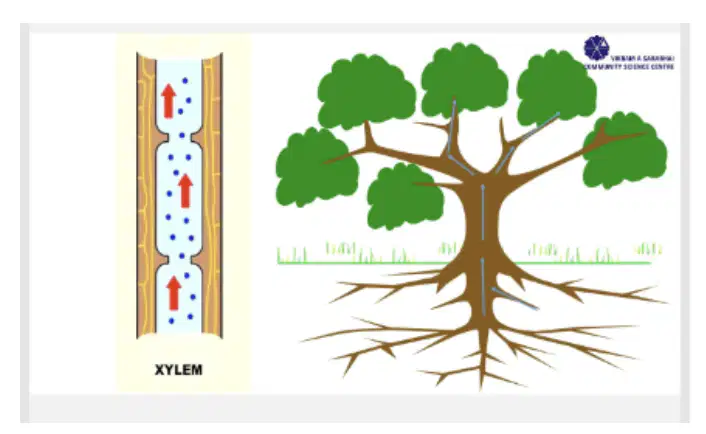
10. Which water phenomenon can be observed in this photo?
a)
Water dissolving
b)
Capillary action
c)
Chemical reaction
d)
Photosynthesis
11.
11. A living organism that gives us an idea of the health of the ecosystem
a)
bioindicators
b)
upwelling
c)
salinity
d)
brackish water
12.
12. What role do mussels play in the ecosystem?
a)
They are predators of small fish.
b)
They are indicators of water quality.
c)
They produce oxygen for aquatic life.
13.
13. Carbon can be found in...
a)
The atmosphere
b)
Soil
c)
Fossil fuels
d)
All of the above
14.
14. This reservoir of carbon is the air and gasses that surround the Earth.
a)
Atmosphere
b)
Biosphere
c)
Hydrosphere
d)
Lithosphere
15.
15. This reservoir of carbon is all the water on Earth including in the clouds, oceans, rivers, streams, and underground water supplies.
a)
Atmosphere
b)
Biosphere
c)
Hydrosphere
d)
Lithosphere
16.
16. This reservoir of carbon contains all life on Earth.
a)
Atmosphere
b)
Biosphere
c)
Hydrosphere
d)
Lithosphere
17.
17. Which gas do animals release, that plants depend on for survival?
a)
carbon dioxide
b)
oxygen
c)
sunlight
d)
water
18.

18. Which of the following processes does NOT move carbon to the atmosphere?
a)
Animal respiration (Breathing)
b)
Volcanic eruption
c)
Photosynthesis
d)
Burning fossil fuels
19.
19. Biodiversity refers to
a)
extinct species
b)
the variety of species on Earth
c)
nonrenewable resources
d)
the rate of species decline
20.
20. What makes a species invasive?
a)
Moving to a new ecosystem and taking resources from natives
b)
Not having papers
c)
Species that can't adapt
d)
Plants that take up too much space
21.
21. Organisms that do not decompose can be buried and become what part of the lithosphere?
a)
water
b)
nutrients
c)
air
d)
fossil fuels
22.
22. Ocean acidification begins with
a)
pollution from ships
b)
carbon dioxide released from combustion
c)
dumping of waste from cities into the ocean
23.
23. Very slight increases in the acidity of seawater __________ marine organisms that make shells.
a)
doesn't bother
b)
has no effect on
c)
is unhealthy and stresses
24.

24. This image demonstrates that
a)
There is a direct correlation with the atmospheric CO2 and the CO2 in seawater
b)
That pH of the ocean increases as the atmospheric CO2 increases
c)
That there is no correlation between pH of the ocean and atmospheric CO2
25.

25. If I add more water to this setup, what will happen to the pH?
a)
It will increase and get closer to 7
b)
It will decrease and get closert to 0
c)
It will stay the same and not change
26.
26. What is deforestation?
a)
Clearing Earth's forests on a massive scale
b)
Eating too much vegetables
c)
Going to a forest and pulling weeds
d)
Clearing the five trees in my backyard
27.
27. Why does cutting down trees increase global warming?
a)
Trees soak up carbon dioxide and removing them causes more carbon to stay in the atmosphere
b)
Trees provide shade which counteracts global warming
c)
Trees absorbs the sun's energy without radiating back into the atmosphere
d)
Trees drain greenhouse gases like methane from soil
28.

28. Why is burning fossil fuels harmful?
a)
they cause cancer
b)
They can get extremely hot
c)
it increases the amount of carbon dioxide in the atmosphere
d)
only near the north and south poles
29.
29. The fact that water is freezing later in the year indicates that Earth is experiencing global cooling.
a)
True
b)
False
30.
30. The average temperature of the surface of Earth has increased approximately 1°C in the past century. Which reason best explains this increase in temperature?
a)
lower levels of ozone in the atmosphere
b)
lower levels of nitrogen in the atmosphere
c)
higher levels of carbon dioxide and other greenhouse gases in the atmosphere
d)
higher levels of oxygen in the atmosphere
31.
31. Earthquakes under the ocean can cause
a)
Tornadoes
b)
Lightning
c)
Tsunamis
d)
Thunderstorms
32.
32. What type of observation is the following statement: A Grade A large egg has a mass of 35.7 grams.
a)
Qualitative
b)
Quantitative
33.
33. Which river are the Gwynn Park High School mussels going to clean?
a)
Anacostia
b)
Potomac
c)
Patuxent
d)
Chesapeake Bay
34.
34. Why are scientists particularly worried about the climate change that is occurring today?
a)
Earth’s climate has generally been stable over the past 4.5 billion years
b)
No one knows what is causing temperatures to rise or how to stop them
c)
Temperatures are much higher today than they have ever been in the past.
d)
Temperatures are currently increasing at a much faster rate than is know to have occurred in the geologic past
35.
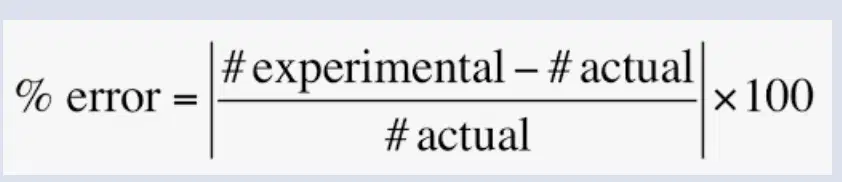
35. What is the percent error of the following values?
Accepted value: 225 mL
Experimental value: 252 mL
a)
.012%
b)
1.2%
c)
8.9%
d)
12 %
36.
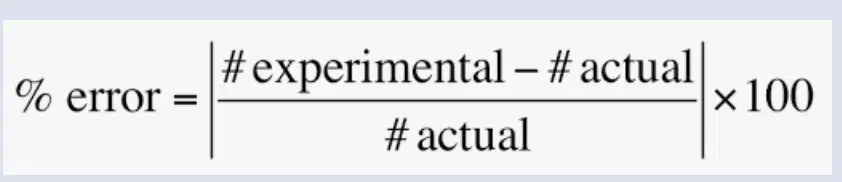
36. What is the percent error of the following values?
Accepted value: 58 g
Experimental value: 64 g
a)
.103%
b)
1.3%
c)
10.3%
d)
13%
37.
37. When too much ____________grows, it eventually covers the surface of the water.
a)
bacteria
b)
algae
c)
fertilizer
d)
waste
38.
38. Where do the least amount of people live across the globe?
a)
polar regions
b)
coastlines of continents
c)
inland mountainous regions
d)
inland regions with poor vegetation
39.
39. Which of the following statements does not explain a process that can affect the global climate?
a)
Changes in ocean and atmospheric circulation patterns can alter the global climate
b)
A substantial increase in lava expelled at Earth’s surface may cause the planet to cool
c)
Methane hydrates that are found along the edges of continents could be released and cause planetary cooling
d)
When a continent passes over one of the poles, an increase in ice formation may occur, which will increase planetary albedo
40.
40. Maryland, Virginia, Pennsylvania, Delaware are all part of which watershed?
a)
Delaware Bay Watershed
b)
Potomac River Watershed
c)
Anacostia River Watershed
d)
Chesapeake Bay Watershed
41.
41. What class does the mussel categorize as?
a)
Bivalivia
b)
Animalia
c)
Mollusca
d)
Unionoida
42.
42. How do mussels filter water?
a)
Gills
b)
Shell
c)
Mouth
d)
Siphon
43.
43. What is needed for a mussel to reproduce?
a)
Bacteria
b)
A host fish
c)
A male mussel
d)
Clean water supply
44.
44. Invasive species are characterized by:
a)
Not competing with native species for food and habitat.
b)
Having difficulty in establishing colonies in the new habitat.
c)
Responsible for pollution reduction.
d)
Disrupting natural communities in an ecosystem.
45.
45. What type of observation is the following statement: Eggs do not float in water.
a)
Qualitative
b)
Quantitaive
46.
46. What type of observation is the following statement: Grade A eggs displace a volume of 45 mL of water.
a)
Qualitative
b)
Quantitative
47.

47. How many valence electrons does oxygen have?
a)
3
b)
4
c)
6
d)
8
48.
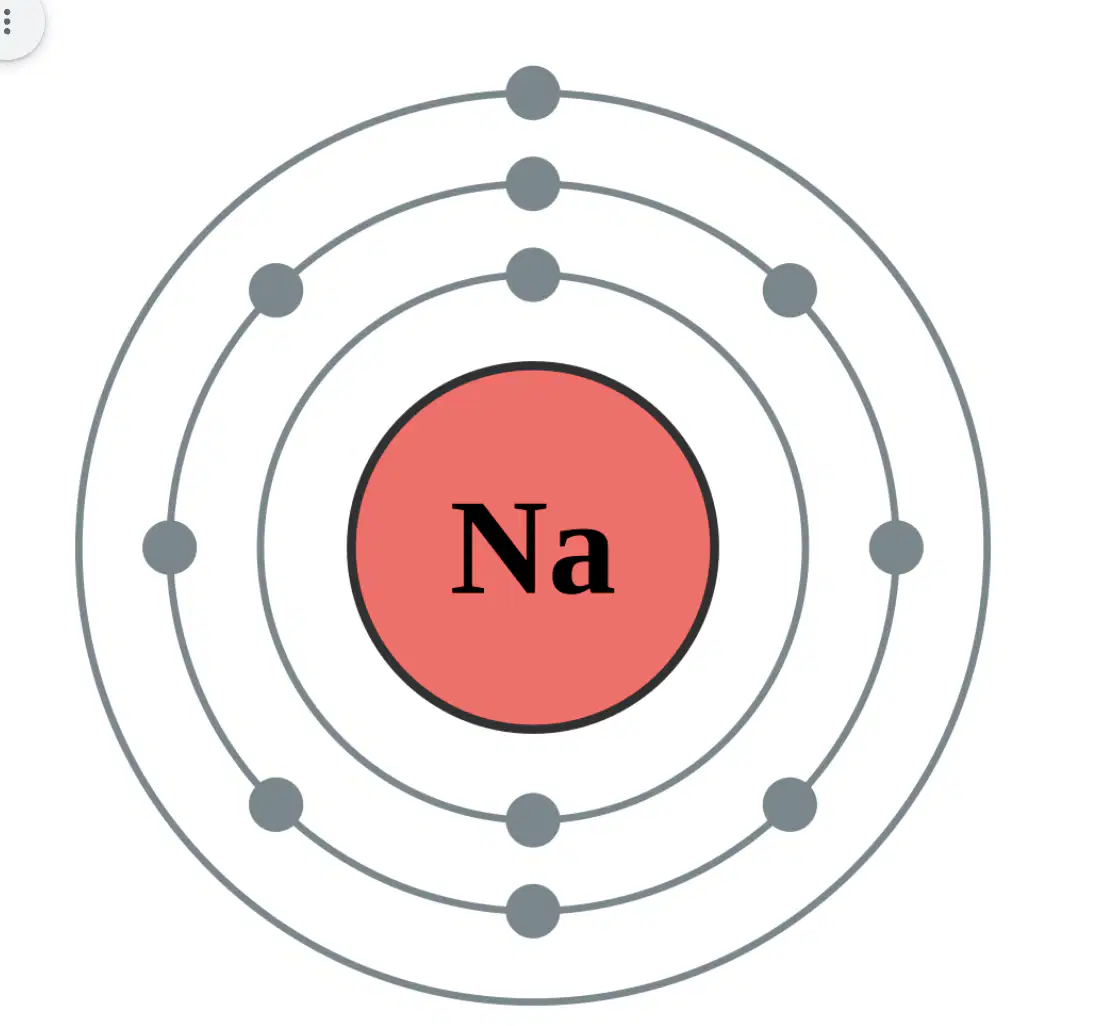
48. How many electrons are in the outermost shell of Sodium?
a)
4
b)
3
c)
2
d)
1
49.
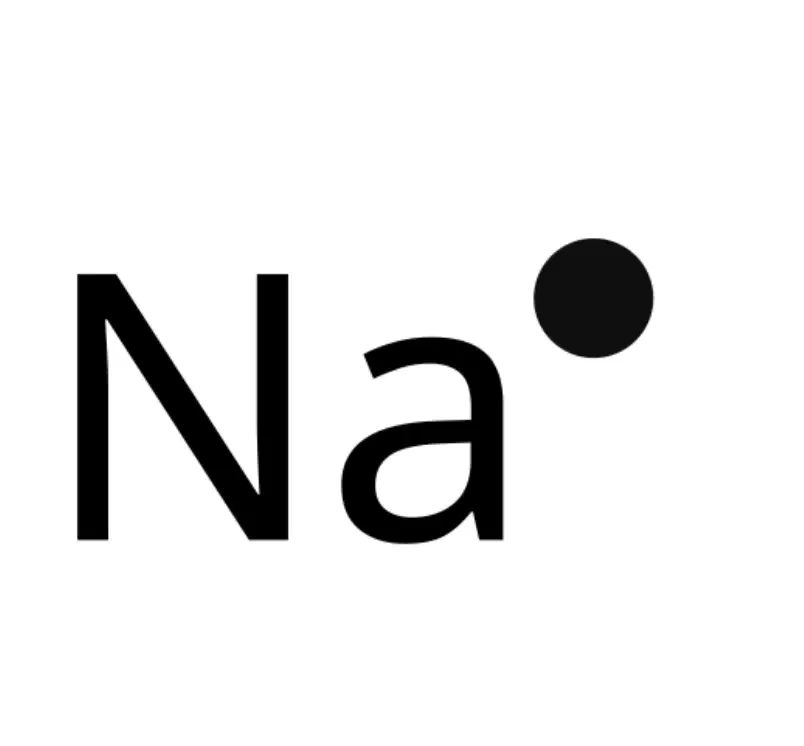
49. True or false? This is the correct dot diagram for sodium (Na)
a)
True
b)
False
50.
What is Cohesion?
a)
Water molecules ability to stick to each other
b)
Water molecules ability to stick to other surfaces
c)
Water molecules ability to melt
d)
Water molecules ability to conduct electricity
51.
Which of the following is NOT a source of nitrates and phosphates into a river?
a)
Fertilizers
b)
Animal waste
c)
Wastewater
d)
Burning fossil fuels
52.
True or False: Fertilizers used for growing crops always stay within the boundaries of the farm.
a)
True
b)
False
53.
In a dead zone, _________ levels are really low such that living organisms are not able survive.
a)
nitrogen
b)
oxygen
c)
fertilizer
d)
carbon dioxide
54.

Based on the diagram, which fish species is in a breeding zone with higher oxygen levels?
a)
Fish Species 1
b)
Fish Species 2
55.
The size of dead zones will ________ with more nitrogen run-off.
a)
Increase
b)
Stay the same
c)
Decrease
100 %

