
 Worksheets
Climate Change and Carbon Dioxide
Total questions: 34
Worksheet time: 17mins
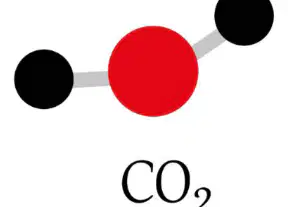
What role do trees and plants play in fighting climate change?
They release carbon dioxide into the air.
They act as natural carbon storage systems.
They produce greenhouse gases.
They reduce oxygen levels in the atmosphere.

What is the process called through which plants absorb carbon dioxide (CO2) from the air?
Respiration
Photosynthesis
Combustion
Evaporation
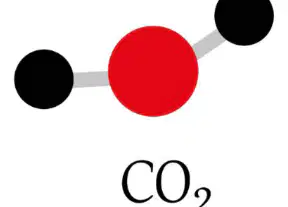
What type of gas is carbon dioxide (CO2) classified as in the context of climate change?
Noble gas
Greenhouse gas
Inert gas
Toxic gas

Where is carbon stored in plants?
In their trunks, branches, leaves, roots, and soil around them.
Only in their leaves.
Only in their roots.
Only in the atmosphere.
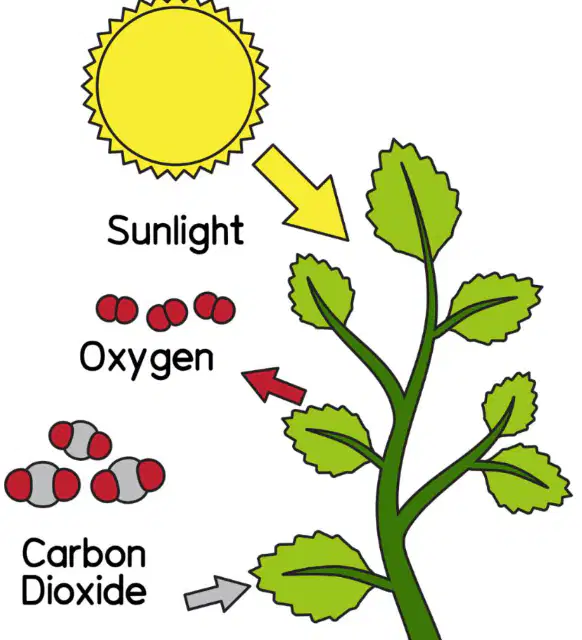
What happens when forests and other plant-rich ecosystems are healthy and growing?
They pull carbon out of the atmosphere and release oxygen.
They release carbon into the atmosphere.
They stop producing oxygen.
They store carbon only in their leaves.
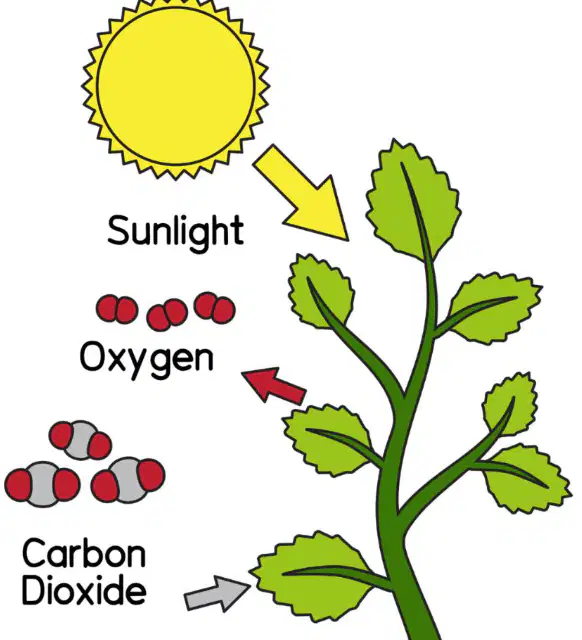
Which gas do plants release during photosynthesis?
Oxygen
Carbon dioxide
Nitrogen
Methane
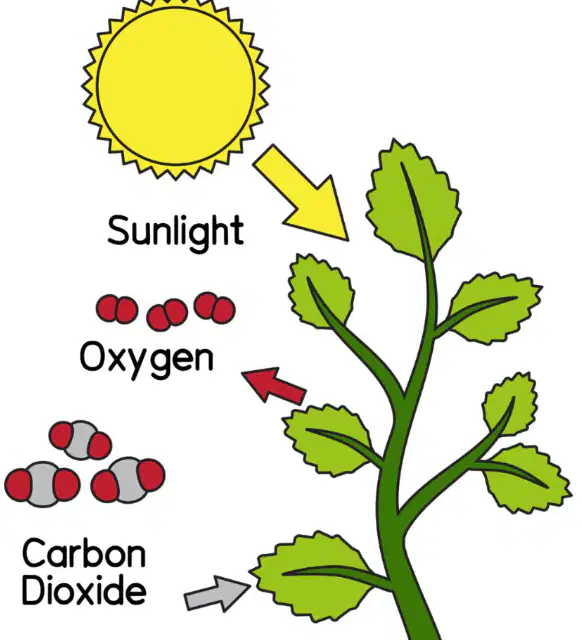
What is required for plants to perform photosynthesis?
Sunlight, carbon dioxide, and water
Oxygen, nitrogen, and water
Sunlight, methane, and soil
Carbon dioxide, nitrogen, and sunlight
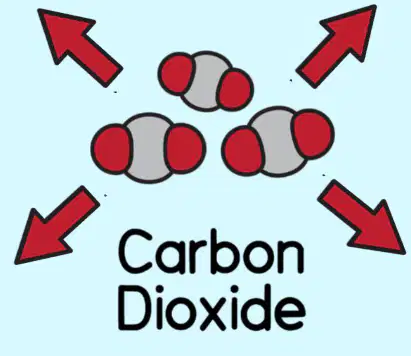
What happens when trees are cut down or burned?
Carbon dioxide is stored in the soil.
Carbon dioxide is released into the air, contributing to global warming.
Oxygen is released into the air, reducing global warming.
Water vapor is released into the air, causing rainfall.

Why is protecting and planting trees important for the environment?
It helps increase rainfall.
It reduces the amount of carbon dioxide released into the air, slowing climate change.
It increases the amount of oxygen in the soil.
It prevents the growth of other plants.
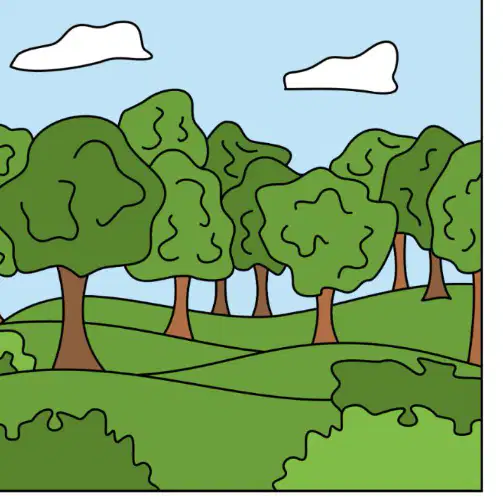
What do trees breathe in from the air?
Oxygen
Carbon dioxide
Nitrogen
Hydrogen
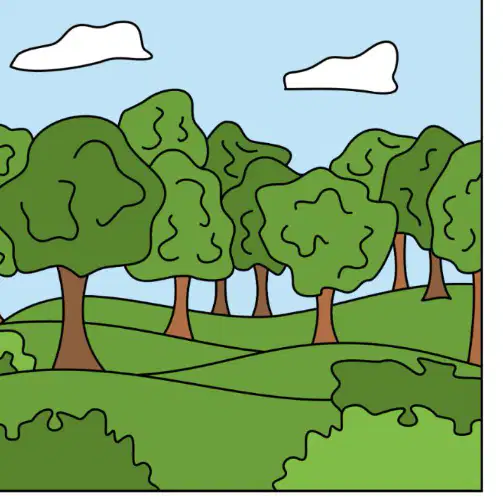
What do trees use carbon dioxide for?
To grow leaves, branches, trunks, and roots
To produce oxygen only
To store water in the soil
To create shade
What happens to carbon stored in trees if they are cut down?
It stays in the soil
It goes back into the air
It disappears completely
It turns into water
Where do forests keep carbon besides in trees?
In the soil
In the air
In the water
In the roots only
What do trees breathe in from the air?
Oxygen
Carbon dioxide
Nitrogen
Hydrogen
What do trees use carbon dioxide for?
To grow leaves, branches, trunks, and roots
To produce oxygen only
To store water
To create soil
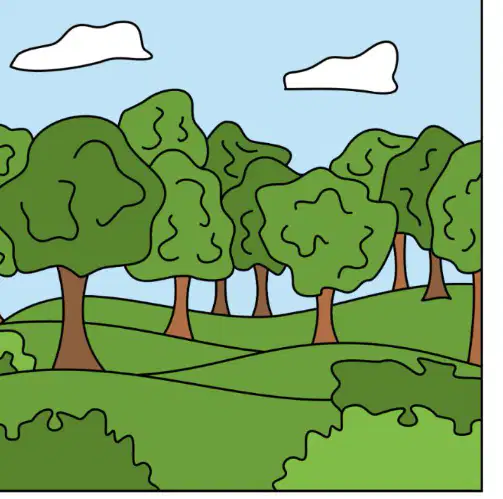
Where do forests keep carbon besides the air?
In the water
In the soil
In the leaves
In the roots
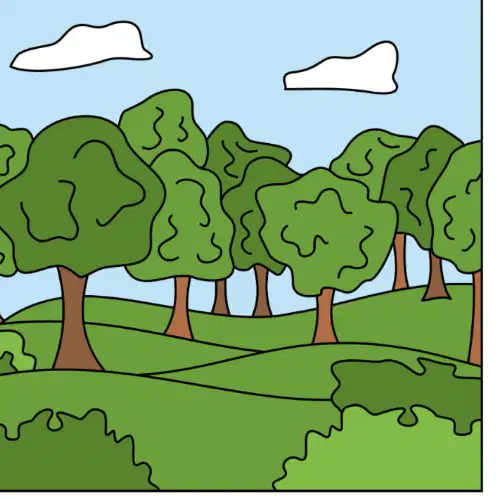
What happens to carbon when trees are cut down?
It stays in the soil
It goes back into the air
It disappears completely
It turns into oxygen
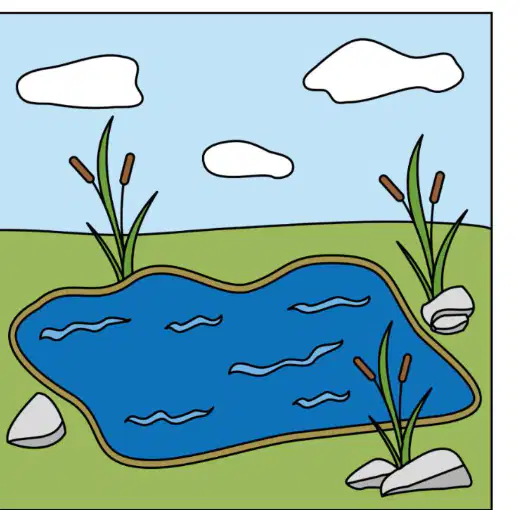
What are wetlands full of?
Sand and rocks
Water and plants
Dry soil and trees
Mountains and rivers
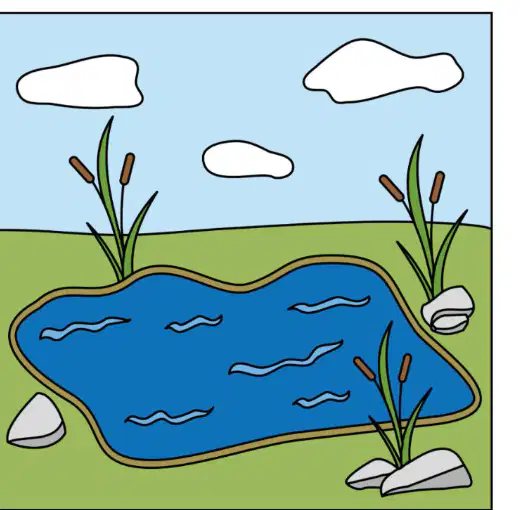
What do plants in wetlands do with carbon?
Release it into the air
Store it in their leaves
Send it into the muddy soil
Use it to grow flowers
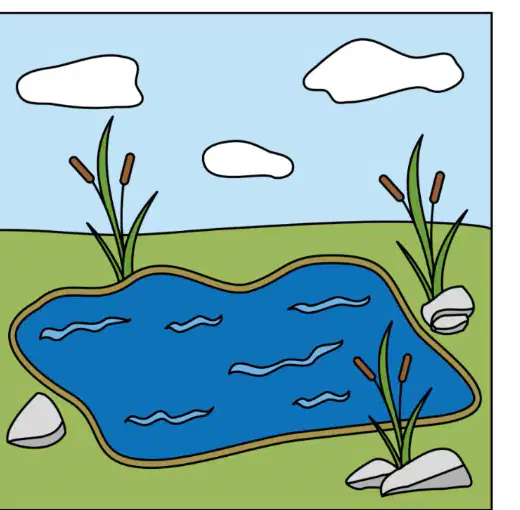
Why does carbon stay in wetlands for a long time?
Because the soil is dry
Because it’s wet
Because there are no plants
Because it’s frozen
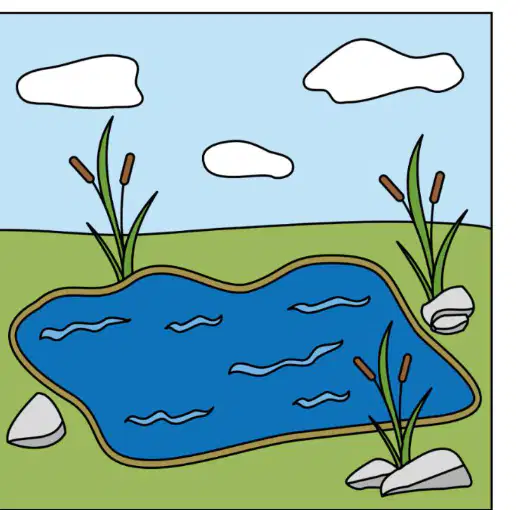
What happens if wetlands dry up?
Carbon escapes into the air
Plants grow faster
Water turns into ice
Animals move in
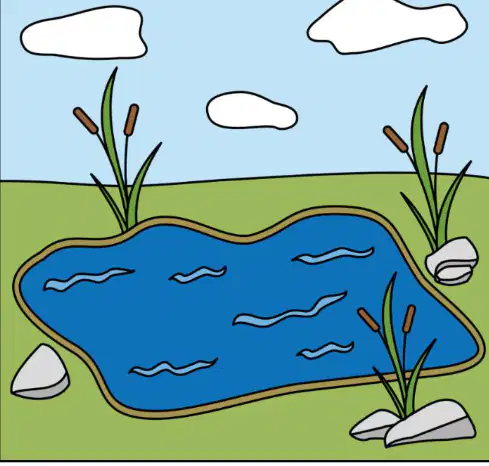
What is one way to protect wetlands?
Build houses on wetlands.
Fill wetlands with soil.
Protect wetlands from being built on or filled in.
Drain all water from wetlands.
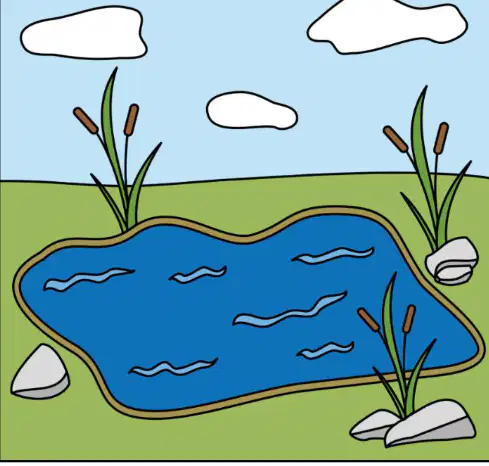
How can damaged wetlands be restored?
By planting native plants and slowing drainage.
By removing all plants and draining water quickly.
By building roads through the wetlands.
By filling wetlands with concrete.

What do oceans soak up from the air?
Oxygen
Carbon dioxide
Nitrogen
Hydrogen
What do tiny ocean plants use carbon dioxide for?
To grow
To produce oxygen
To create energy
To sink to the ocean floor
What happens to carbon when ocean creatures die?
It is released into the air
It stays on the ocean floor
It is absorbed by plants
It disappears completely
What makes it harder for oceans to store carbon?
Pollution and warm water
Cold water and clean air
Lack of sunlight
Overfishing

What do grasslands store in their roots and soil?
Water
Carbon
Oxygen
Minerals

Why do grassland roots grow deep underground?
To absorb sunlight
To store carbon for years
To provide shelter for animals
To prevent erosion

How do animals contribute to grasslands?
They help keep grasslands healthy
They release carbon into the air
They dig up grasslands
They grow roots underground

What happens if grasslands are dug up?
Water is released into the air
Carbon is released into the air
Oxygen is released into the air
Minerals are released into the air

What is one natural method to control pests in grasslands?
Using chemical pesticides
Planting flowers that attract good bugs
Removing all plants from the area
Spraying water on the soil

Why should organic or low-chemical fertilizers be chosen for grasslands?
They are cheaper than other fertilizers
They are better for the soil
They make the grass grow faster
They kill all insects in the area

How can parts of the land support insects, birds, and healthy soil?
By letting parts of the land stay wild
By cutting down all trees
By using chemical pesticides
By removing all insects from the area

