
 Worksheets
MIDTERM BIOLOGY
Total questions: 110
Worksheet time: 2hrs 17mins
Robert Hook discovered?
the cell
see a living thing under a microscope
plants were made of cells
animals were made of cells
Anton Van Leeuwenhoek
plants are made of cells
animals were made of cells
Looked at a living thing under a microscope
New cells come from old cells dividing
Rudolf Virchow
plants were made of cells
New cells come from old cells dividing
animals were made of cells
cells
Phagocytosis
takes a lot cells into the cell
forces a lot of cells out by force
Cells eating
Cells drinking
Matthias Schleiden
Animals were made of cells
New cells come from old cells dividing
cells
Plants were made of cells
Teodor Schwann
Animals were made cells
Looked at a living organism under a microscope
Old dude
Plants were made cells
Cell theory is
Cells come from other cells
All living things are made of cells
The cell is the basic unit of life
Uses energy to make movement
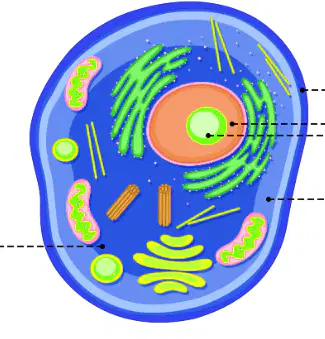
Cytoplasm is
inside the cell and outside nucleus
"light blue"
selectively permeable made of phospholipid bilayer
gel part of cytoplasm
"dark blue"
Makes energy for cell
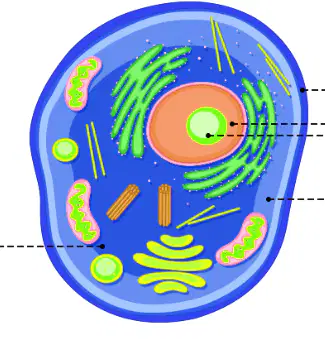
Mitochondria
next layer after Cytoplasm
Makes energy for cell
selectively permeable and made of phospholipid bilayer
In the membrane "light blue"
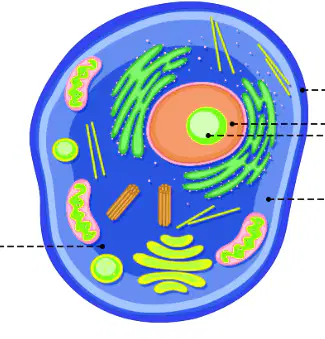
Cytosol
selectively permeable made of a phospholipid bilayer
In the membrane outside nucleus
"Light blue"
Makes energy
Layer after the cytoplasm "Dark blue"
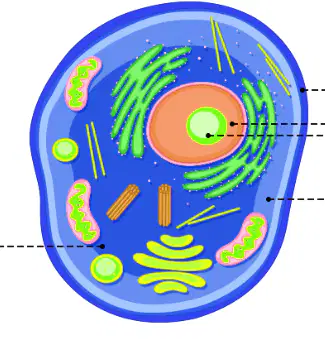
Cell membrane
Next layer after cytoplasm
"Dark blue"
In membrane outside the nucleus
"light blue"
selectively permeable made of a phospholipid bilayer
Makes energy
Ionic Bonds
connects metals and nonmetals by giving electrons
mixed together
Connects metals to metals
chemical bonds are broken and reformed to make something new
Chemical Bond
mixed together
evenly shared elctrons
Alittle positive and alittle negative
Sticks atoms and molecules together
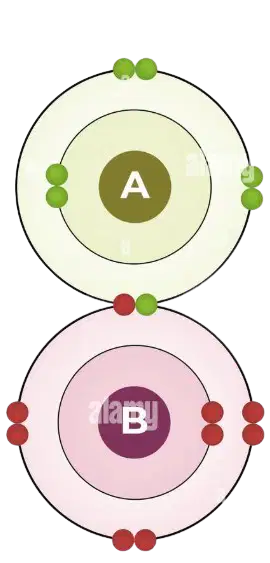
Covalent Bonds
break form to make a different subtance
Needs ATP
Metal connects to another metal and share electrons
connects metals and nonmetals by giving electrons
Octect Rule
Breaking forming or rearranging to make new subtances
Atoms try to have full 8 electrons
unevenly shared electrons
(slightly - and +)
evenly shared electrons
(=)
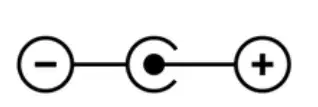
Polarity
unevenly shared electrons one side is more + and -
New substance being made
is changing
evenly shared electrons
Nonpolar
is smallest unit of life
unevenly shared electrons
(+ and -)
can't be destroyed or made
evenly shared electrons

What is a chemical reaction
new subtance
Chemical bonds are broken then reformed to make something new
mixed together
changes
Mixtures
same substance is attracted to its self
Particles of one substance is attracted to another
THEHE (I didn't want to type)
mixed together
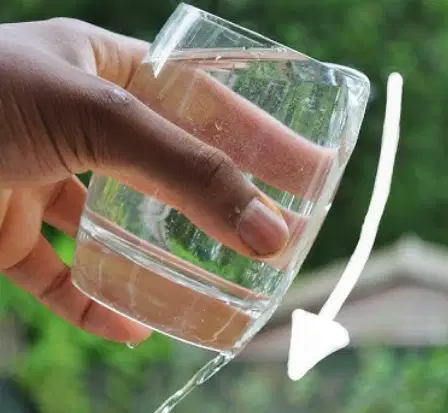
Adhesion
Same substance is attracted each other
Sticks atoms and also molecules together
bonds metals and nonmetals
1 substance is attracted to another subtance
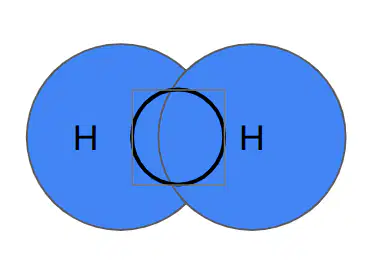
Cohension
Same substance is attracted each other
share electrons
1 substance is attracted to another substance
sticks atoms and also molecules together
Atom is?
Basic unit of matter
+
-
=
Proton is
+
-
=
Electron is
=
+
-
Neutron is
=
+
-
Atoms held together by a chemical bond
(a)
Absorbs energy (heat)
Exothermic
Homogeneous
Endothermic
Heterogeneous
Reaction that releases energy (heat)
Exothermic
Homogeneous
Endothermic
Heterogeneous
mixed in a organized together
exothermic
homogeneous mixture
endothermic
heterogeneous mixture
not mixed in an organized way
exothermic
Homogeneous
endothermic
Heterogeneous
adhesion in the roots of a plant
(a)
amt of heat needed to raise the temp of something
specific heat capacity
split ions
homeostasis
heat capacity
(click please) Study scientific method in description
Please study it
WHY WOULD YOU CLICK THIS
Multicellular
Have 2 or more cells
multiple organisms connected
have one cell
Unicellular
multiple organisms that are connected
Organism that has one cell
have 2 or more cells
The type of bond that is created when a negatively and positively charged atom attract is a -
covalent bond
ionic bond
hydrogen bond
Colonial
Multiple organisms that are physically connected
has 1 cell
has two or more cells
characteristics of life is what you should study (or at least look at)
Click
DO NOT CLICK THIS
taking light energy and making it into sugar
Photosynthesis
cellular respiration
Sleep
electron transport chain
stored energy in atoms
ADP
Chemical energy
ATP
ATP
forms into energy as a whole
releases energy
explodes and dissolves
grande vache

When ATP loses a phosphate
ADP
ARP
ATP
ASP
what is the purpose of ATP
Creates sunlight out of energy
Provides energy for cell processes
Makes food for consumers
Forms ADP
Builds cell tissue and breaks down food
Builds up molecules
Makes different molecules
Breaks down molecules
Catabolic
Builds molecules
Eats molecules
Breaks down molecules
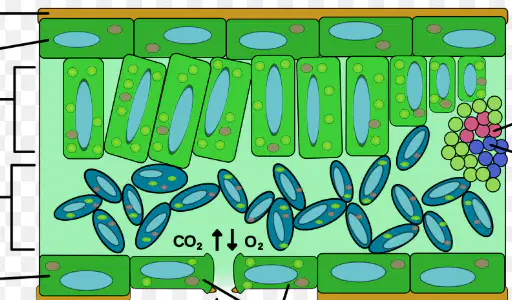
Where is the cuticle
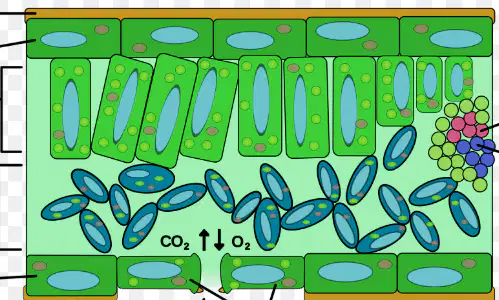
Upper epidermis
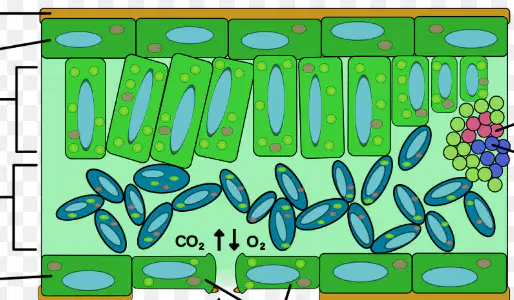
Palisade mesaphyll
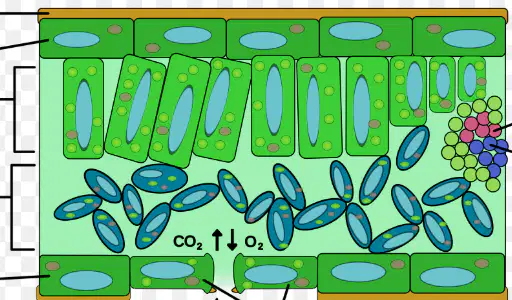
Spongy mesophyll
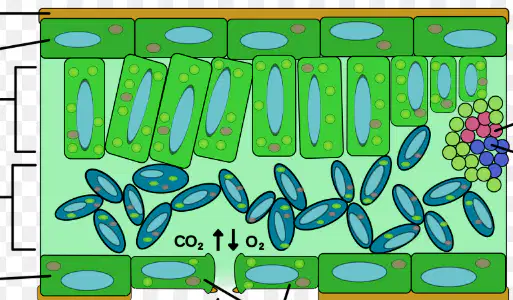
Stoma
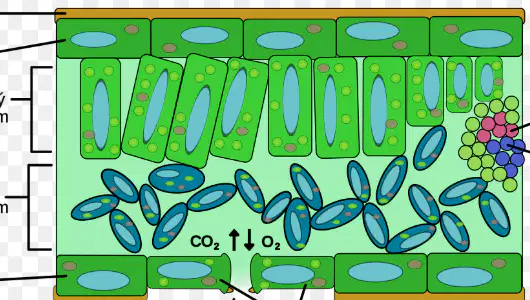
Guard cells
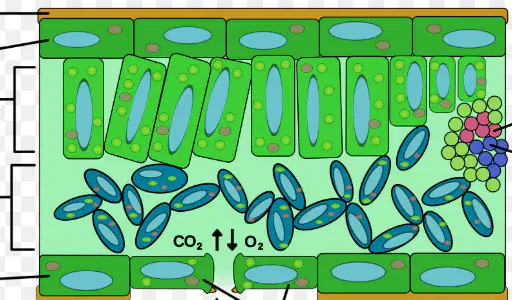
Xylem
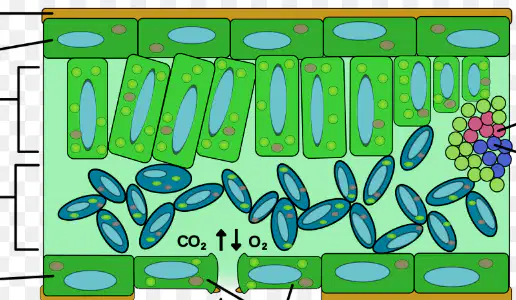
Phloem
why are plants green?
where photosynthesis takes place
Cytoplasm
Cytosol
Chloroplast
Chlorophyll

How do trees obtain energy?
they produce food through photoynthesis
they eat grass
they absorb nutrients from decomposing pants and animals
they eat animals
Why do leaves change color in the fall
the cytosol breaks down first
The chloroplast breaks down first
the cytoplasm breaks down first
the chlorophyll breaks down first
Stroma is
Fluid part of the chloroplast
Stack of thylakoids
sac like found in the chloroplasts
membrane
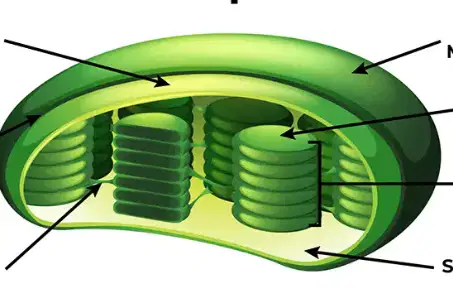
Thylakoid
Stack of the photosynthetic sacs
membrane
1 single sac in the chloroplast
fluid part of the chloroplast
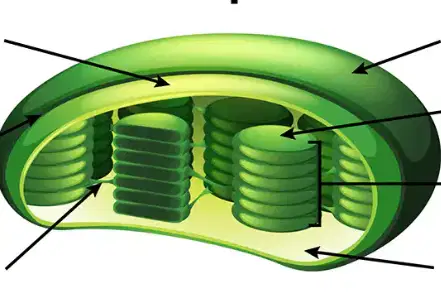
Granum
Pigment of the chloroplast
Membrane
Stack of thylakoids
Fluid part of the chloroplast
When NADP+ bonds with Hydrogen it makes
NADPH
NADP++
NADP-H2O
What is the purpose of NADP+
Photosynthesis occurs in
autotrophs
heterotrophs
Robert Hooke Discovered?? (there is a space within the answer no caps)
(a)
Light Dependent Reaction first takes place in the?
Membrane
Stoma
Thylakoid
Stroma
As the water is in the thylakoid it gets broken down into
H and F+
H and O2
H and P2
J and P3
The light Dependent reaction is a lot like
Glycolysis
Krebs
electron transport
ATP Synthesis makes what
ATP
ADP
NADP
NADPH
Light Dependent reactions makes what?
ATP
NADPH
O2
ADP
NADP
Light independent cycle uses
no O2
Light
O2
No Light
which of the following affects the rate of photosynthesis
Water
Temperature
light intensity
All of the Above
Active Transport needs
CO2
O2
Energy
H
Active Transport moves molecules from
low to high
high low
evenly
What pumps are used in active transport
Sodium Potassium Pump
Protein Pumps
Peripheral Protein
Protein Pump does what
Opens closes letting molecules move
Moves NA+ out of the cell
distributes uneven charges
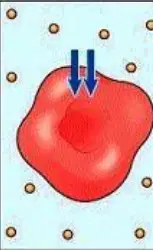
what is this an example of
hypotonic
Isotonic
hypertonic
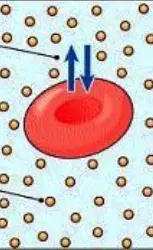
what is this an example of
Isotonic
hypertonic
hypotonic
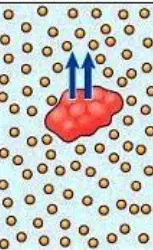
what is this an example of
hypotonic
hypertonic
isotonic
In Bulk Transport what takes material in
endocytosis
exocytosis
In Bulk Transport what forces material out
Exocytosis
Endocytosis
Pinocytosis
makes ATP
cell eating
movement from one end of the cell to another
cell drinking
Macromolecules
carbonhydrate
lipid
Protein
Nucleic acid
Individual smaller unit of a macromolecule
Polymers
Monomers
hydrolysis
DNA
Polymers are?
Organelles
Cells
Smaller chains of macromolecules
Long chains of monomers
Breaks down polymers to make monomers
Hydrolysis
Dehydration synthesis
ATP
ADP
Monomers attach to make polymers
Macromolecules
Organic
Dehydration Synthesis
Hydrolysis
Carbohydrates are?
Sugar
Fats
DNA
build body structures
What are the monosaccharides of Carbohydrates
Stored for long term energy
Carbohydrates
Nucleic Acids
Lipids
Proteins
Monomers of Lipids
Polymers of Carbohydrates
Disaccharides
two sugar molecules
three sugar molecules
one sugar molecules
four sugar molecules
Polymers of Lipids
Saturated fats is a chain that is fully hydrogenated, so unsaturated is
Stores and transmit genetic info to offspring
Nucleic Acids
Lipids
Proteins
Carbohydrates
Monomers of Nucleic Acids
Polymers of Nucleic Acids
build bodily structures
Carobohydrates
Proteins
lipids
nucleic acid
Monomer of proteins
Polymer of Proteins
study enzymes (click all of them)
Study
the
enzymes
Moves from low to high
active transport
simple diffusion
concentration
Cell membrane is made of a
phospholipid cover
phospholipid gradient
phospholipid bilayer
Passive Transport is also known as
(a)
Transport Proteins help with
Letting stuff in and out
letting stuff out only
letting stuff in only
making ATP
Facilitated Diffusion uses what
electrons
Proteins
Hydrogen
O2
ATP powers what
Facilitated Diffusion
Passive Transport
Simple diffusion
Active Transport

