
 Worksheets
Unit 2: Chemistry of Life Review
Total questions: 109
Worksheet time: 1hrs 20mins
How how carbohydrates and lipids similar?
both contain C, H, O, N, P and store energy
both contain C, H, O, N and give energy
both contain C, H, O, N, S and store energy
both contain C, H, O and give energy
What is the key role (function) of carbohydrates?
energy storage
immunity, muscles, structure for tissues, cell metabolism
instant energy for cells and body functions
genetic information (heredity)
What elements (monomers) make up a protein?
C, H, O
C, H, O, N, (S)
C, H, O, N, P


These cells are found in animals, plants, fungi and protists.
Eukaryotic
Prokaryotic
These cells have more DNA and it's always in a line.
Eukaryotic
Prokaryotic
These cells do not have a nucleus.
Eukaryotic
Prokaryotic
These cells have DNA in a loop (like a squished up rubberband).
Eukaryotic
Prokaryotic
These cells are bacteria.
Eukaryotic
Prokaryotic
These cells have a nucleus.
Eukaryotic
Prokaryotic
These cells are the smallest cells.
Eukaryotic
Prokaryotic
These cells are 10x larger than other cells.
Eukaryotic
Prokaryotic
These cells have membrane covered organelles.
Eukaryotic
Prokaryotic
These cells have no membrane-covered organelles.
Eukaryotic
Prokaryotic
Everything is made up of one or more cells.
True
False
The cell is the smallest living thing.
True
False
All cells come from existing cells.
True
False
All organisms are made up of one or more cells.
True
False
The atom is the smallest living thing.
True
False
The site of protein synthesis
Golgi Apparatus
Ribosome
Endoplasmic Reticulum
Mitochondrion
Phospholipid bilayer that controls what enters + exits the cell
Vacuole
Cell Wall
Cell/Plasma Membrane
Nucleus
Match the following organelles to their function.
Golgi Apparatus
Sorting, storing, modification and export of secretory products
Endoplasmic Reticulum
Transports materials between organelles
Vacuole
Maintains water balance (hydrostatic pressure)
Mitochondria...
are the site of protein synthesis
are the site of aerobic respiration
are the site of photosynthesis
are the site of transcription
Which of the following are in plant cells?
Ribosomes
Nucleus
Endoplasmic Reticulum
Cell Wall
Chloroplast
Which of the following are typically found in animal cells?
Ribosomes
Cell Wall
Vacuole
Mitochondria
Chloroplast

Identify the structure labelled 7
(a)
Identify the structure labelled 14
(a)
Identify the structure that transports materials between organelles.
(a)

Which number is labelling a chloroplast?
11
13
9
10
Which number(s) are pointing to structure(s) found only in plant cells?
10
13
9
12
1

Which number is pointing to the structure that maintains hydrostatic pressure in a plant cell?
(a)

Identify the organelles labeled X and Y.
X: Chloroplast
Y: Nucleus
X: Nucleus
Y: Chloroplast

Identify the structures in this animal cell labelled I and II.
I: Plasma Membrane
I: Cell Wall
II: Mitochondrion
II: Chloroplast

Light-absorbing compounds such as chlorophyll are called:
thylakoids
stomata
pigments
stroma

Which color of light is NOT absorbed by the chlorophyll, causing many plants to look this color?
blue
green
orange
red

The organelles found inside of plant and algae cells, where the photosynthesis reactions take place:
vascular tissue
mitochondria
endoplasmic reticulum
chloroplasts

Plant cells have both mitochondria for cellular respiration and chloroplasts for photosynthesis.
True
False
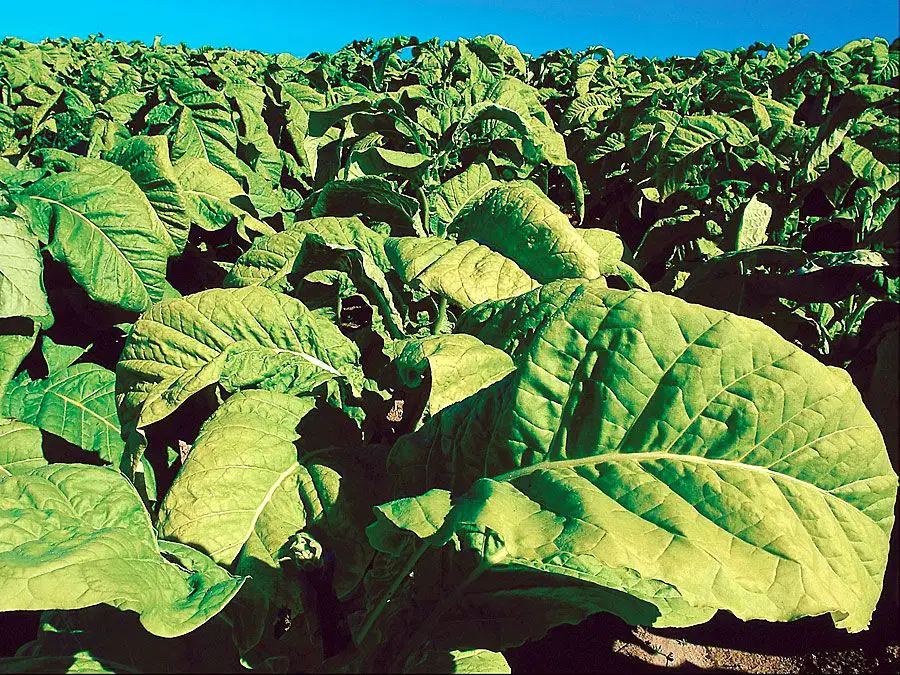
Plants, algae, and cyanobacteria produce their own food (carbohydrates) by photosynthesis. This can then become food for other organisms that eat plants. What is another name for a producer?
autotroph
heterotroph
decomposer
nutrient
Match the following pictures to their description

allow CO2 to go in, and H2O & oxygen out

organelle containing thylakoids & stoma

absorb water and nutrients for the plant

attracts pollinators to disperse pollen

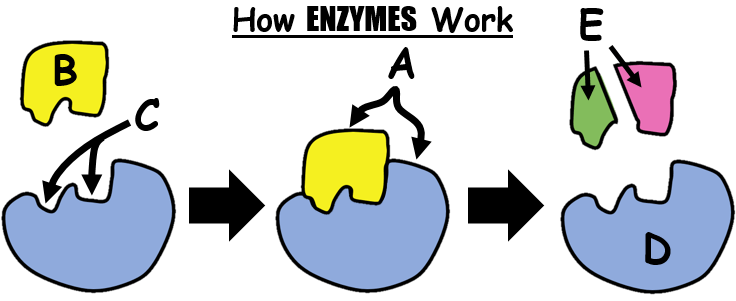
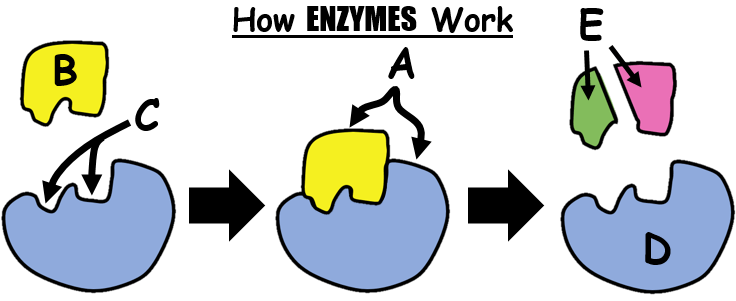
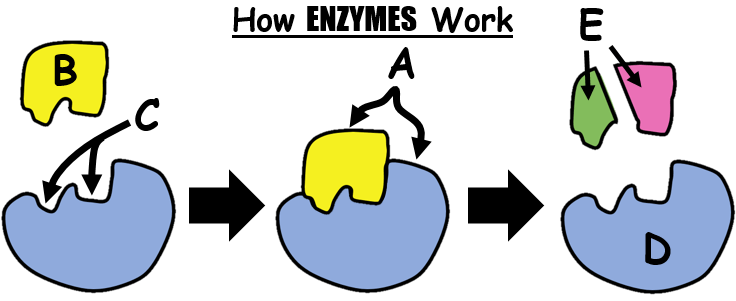
two parts of photosynthesis
Which of the following is the correct description of photosynthesis?
oxygen and water are the reactants, and CO2 and carbohydrates are the products
CO2 and water are the reactants, and carbohydrates and oxygen are the products
CO2 and carbohydrates are the reactants, and water and oxygen are the products
Match the following

this process produces ATP (cell energy)

this process makes glucose and oxygen

this works like a rechargeable battery

this carries an electron (-) to reaction
How many reactions are involved in the process of photosynthesis?
1
2
3
4
Water and carbon dioxide are required by plants for photosynthesis.
true
false
Photosynthesis is a process that produces glucose (sugar) and oxygen.
True
False

Both plants and animals have chloroplasts.
True
False

The is known as the energy molecule and has three phosphates. When the bond holding the third phosphate is broken it releases a burst of energy for the cell to use.
ATP
ADP
NADP+
NADPH

Animals, fungi, and most types of bacteria cannot make their own food by photosynthesis. What are these organisms called?
autotrophs/producers
heterotrophs/consumers
Match the following
CO2
Carbon dioxide
O2
Oxygen gas
H2O
Water molecule
C6H12O6
Glucose molecule
ATP
Energy molecule
(adenosine triphosphate)
Match the following
Water goes into the thylakoid and O2 comes out
Light-dependent reaction
CO2 goes into the stroma (fluid around thylakoid) and sugars come out
Light-independent reaction
ATP loses a phosphate
ADP is formed (adenosine diphosphate)

This image of the two reactions in photosynthesis shows which of the following?
ADP and NADP+ from the light-independent reaction power the light-dependent reaction
ATP and NADPH from the light-dependent reaction power the light-independent reaction
ADP and NADPH from the light independent-reaction power the light-dependent reaction

Which of the following are examples of primary productivity (producing food)? Choose all that apply.
photosynthesis
cellular respiration
fermentation (anaerobic cellular respiration)
chemosynthesis
Which of the following is a reactant of cellular respiration?
Glucose
Carbon Dioxide
Water
ATP
Which of the following is a reactant of cellular respiration
Carbon Dioxide
Water
Oxygen
ATP
Which of the following is a product of cellular respiration?
Glucose
Carbon Dioxide
Oxygen
Radiant Energy
Which of the following is a product of cellular respiration?
Radiant Energy
Oxygen
Glucose
Water
Which statement is true regarding cellular respiration?
The reactants of cellular respiration are identical to the reactants of photosynthesis.
The reactants of cellular respiration are obtained from the products of photosynthesis.
The products of cellular respiration are the same as the products of photosynthesis
Cellular respiration only occurs in autotrophs, photosynthesis occurs only in heterotrophs.
A decrease in the amount of oxygen available will....
not have an effect on the amount of energy produced during cellular respiration
decrease the amount of glucose produced during cellular respiration
cause the amount of water produced during cellular respiration to increase
decrease the amount of energy produced during cellular respiration
Which of the three steps of cellular respiration is anaerobic?
Glycolysis
Citric Acid Cycle
Kreb's Cycle
Electron Transport Chain
How many ATP are produced during glycolysis?
0
2
4
1
Where does anaerobic respiration occur?
glucose molecule
mitochondria
cytoplasm
What type of respiration is most efficient?
aerobic
anaerobic
doesn't matter
What is produced as a result of anaerobic respiration in mammals?
Lactic acid
ATP
Acetic Acid
Oxygen
When might anaerobic respiration be useful?
When watching TV
Playing golf
When going for a walk
When escaping a predator
Why do athletes continue to breath heavily after exercise? Choose 2 answers.
They need O2 to break down lactic acid
They need more O2 for aerobic respiration
They have to remove excess CO2 from the blood
The muscle cells need to rebuild their stores of ATP
The product of anaerobic respiration in animals is
2 ATP and lactic acid.
36 ATP and lactic acid.
2 ATP and ethanol.
36 ATP and ethanol.
The benefit of anaerobic respiration while sprinting is that ATP can be supplied very _____ as oxygen is _____ required.
rapidly; not
slowly; not
rapidly, always
slowly; always
During anaerobic respiration what must be recycled to allow the process to continue?
ATP
NADH
FAD
NAD
Which is not part of the net products of Glycolysis?
2 ATP
2 NADH
2 Pyruvate
2 CO2
Glycolysis occurs during aerobic or anaerobic conditions.
True
False
Which of the following is not a product of glycolysis?
FADH2
NADH
ATP
Pyruvate
What is the purpose of converting pyruvate into lactate in mammals or ethanol in plants?
To regenerate NADP so glycolysis can continue
To regenerate NAD so glycolysis can continue
To regenerate FAD so glycolysis can continue
To regenerate ADP and Pi so glycolysis can continue

