wayground logo

Free Printable Worksheets

Font size

S
M
L
XL
Worksheets

Review

Total questions: 109

Worksheet time: 2hrs 49mins

Name
Class
Date
1.
When you step out into the cold, your body shivers in order to keep its temperature at 98.6F.
a)
All living things use energy
b)
All living things contain cells
c)
All living things maintain homeostasis
d)
All living things grow
2.
Green plants produce their own food through the process of photosynthesis.
a)
All living things use energy
b)
All living things contain cells
c)
All living things maintain homeostasis
d)
All living things grow
3.
A baby song bird hatches from its egg with both parent songbirds watching.
a)
All living things reproduce
b)
All living things maintain homeostasis
c)
All living things use energy
d)
All living things grow
4.
A pill bug (roly poly) eats a carrot.
a)
All living things contain cells
b)
All living things use energy
c)
All living things maintain homeostasis
d)
All living things grow
5.
A camel has eyelashes that work to keep the dust and sand out of its eyes.
a)
All living things adapt to their environment
b)
All living things grow
c)
All living things have cells
d)
All living things use energy
6.
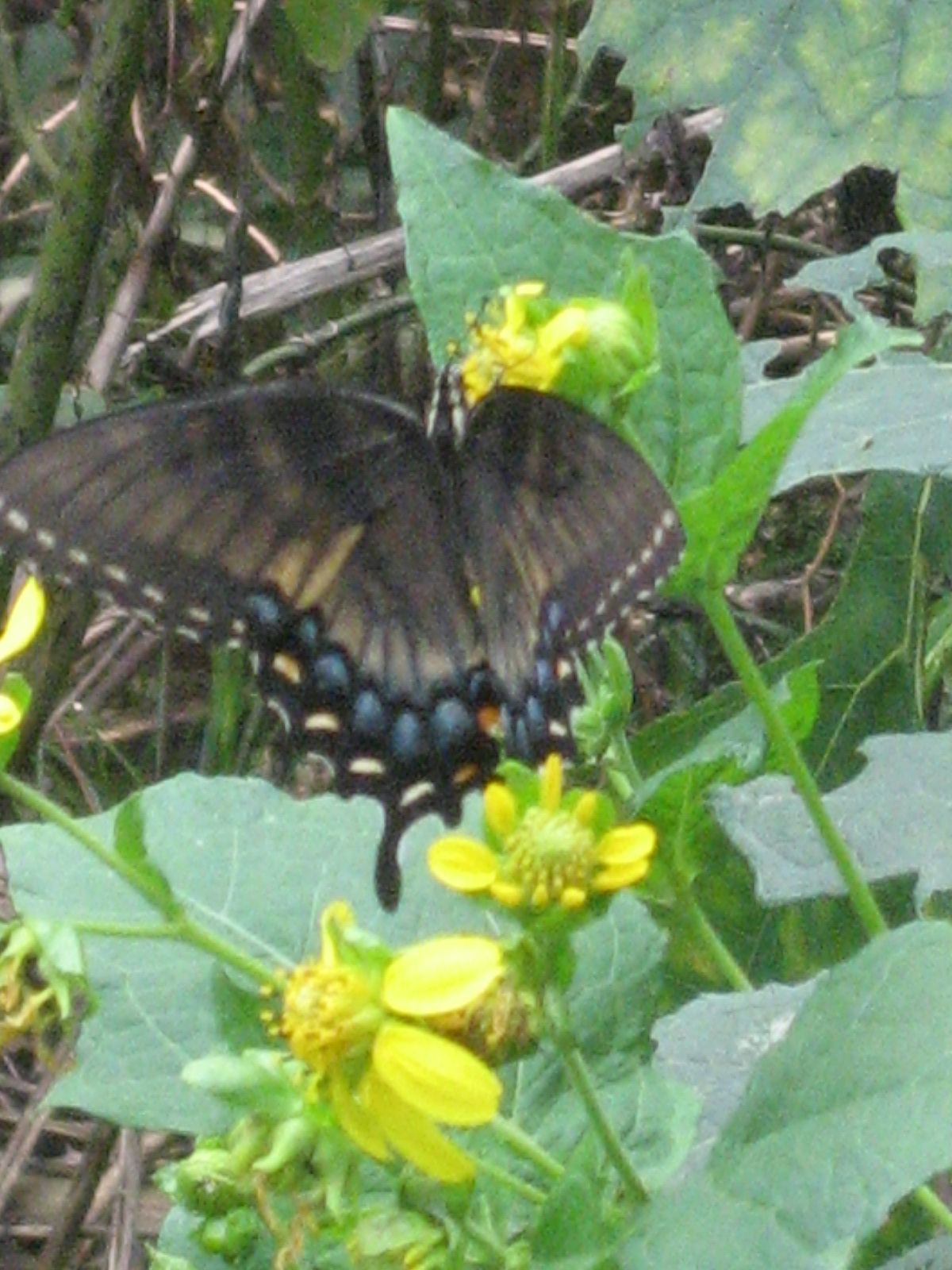
A caterpillar hibernates in a cocoon and emerges as a butterfly.
a)
All living things adapt to their environment
b)
All living things use energy
c)
All living things respond to their environment
d)
All living things grow
7.
An amoeba is a unicellular organism. Which characteristic of life is this?
a)
All living things use energy
b)
All living things contain cells
c)
All living things respond to their environment
d)
All living things grow
8.
A tulip opens in the morning at sunrise and closes in the evening at sunset.
a)
All living things have cells
b)
All living things use energy
c)
All living things respond to their environment
d)
All living things grow
9.
Over three years, Tim's height has increased from 5'4" to 5'11".
a)
All living things contain cells
b)
All living things maintain homeostasis
c)
All living things use energy
d)
All living things grow
10.
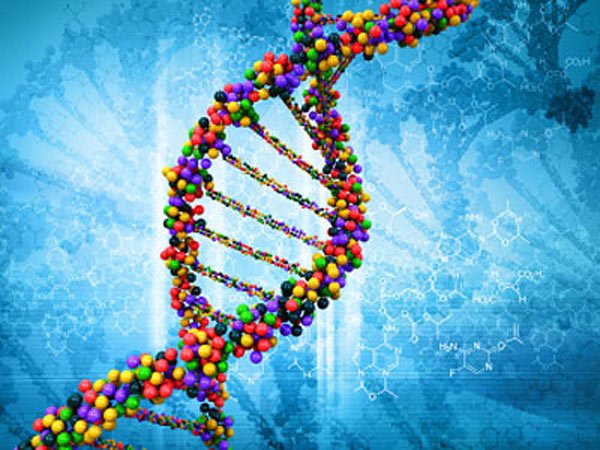
A cat is an organism that has a respiratory system that contains lungs and a trachea.
a)
All living things contain cells
b)
All living things maintain homeostasis
c)
All living things have different levels of organization
d)
All living things grow
11.
A sea worm drops its tail and the tail becomes a new worm.
a)
All living things contain cells
b)
All living things grow
c)
All living things have different levels of organization
d)
All living things reproduce
12.
An adult hydra is producing its offspring through budding.
a)
All living things use energy
b)
All living things reproduce
c)
All living things contain cells
d)
All living things grow
13.
The roots of a plant grow towards a source of ground water.
a)
All living things use energy
b)
All living things reproduce
c)
All living things respond to their environment
d)
All living things grow
14.
Over many hundreds of years, a population of rabbits living in the woods adapts to its surrounding with brown fur.
a)
All living things adapt to their environment
b)
All living things grow
c)
All living things use energy
d)
All living things have cells
15.
YOU are a multi-celled organism but an amoeba is a single celled organism.
a)
All living things have cells
b)
All living things grow
c)
All living things use energy
d)
All living things respond to their environment
16.
All living things are composed of cells. 
a)
True
b)
False
17.
Living things need energy to survive?
a)
True
b)
False
18.
Non-Living or Living?
a)
Living
b)
Non-Living
19.
Fire is living because it has 6 of the 8 characteristics of life. 
a)
True 
b)
False
20.

Unicellular is

a)

1 cell

b)

2 cells

c)

many cells

21.

multicellular is

a)

1 cell

b)

0 cells

c)

many cells

22.

Reproduction that involves 2 parents is called

a)

asexual

b)

spontaneous generation

c)

sexual

d)

conduction

23.
Rocks are not living because
a)
they never move
b)
they aren't needed for humans
c)
they are not made of cells
d)
they don't break down
24.
What is the main source of energy on Earth?
a)
stars
b)
moon
c)
water
d)
sun
25.
Maintaining a stable internal environment.
a)
Homeostasis
b)
Metabolism
c)
Stimulus
d)
DNA
26.

Unicellular is

a)

1 cell

b)

2 cells

c)

many cells

27.
Living things respond to heat, light, and sound.  This means they respond to:
a)
stimuli/ environment
b)
suction
c)
Dr. Seuss
d)
digestion
28.
All living things are composed of cells. 
a)
True
b)
False
29.
Living things need energy to survive?
a)
True
b)
False
30.
A large, very inclusive group of organisms that share certain features.
a)
genus
b)
family
c)
kingdom
d)
species
31.
Which of the following is not a characteristic of living things?
a)
having DNA and proteins
b)
ability to respond to change
c)
permanent home
d)
ability to reproduce
32.
All of the changes that take place during the life of an organism.
a)
environment
b)
classification
c)
cell
d)
development
33.
Which of the following is an example of a species?
a)
fungi
b)
plants
c)
blue jays
d)
animals
34.
Which of the following is an example of development?
a)
clowns with knives
b)
a salmon swimming upstream
c)
a plant made up of cells
d)
a baby giraffe growing during its first year
35.
A tadpole growing into a frog is an example of what trait?
a)
response
b)
movement 
c)
reproduction
d)
growth and development
36.
The smallest unit of life in a living thing.
a)
kingdom
b)
cell
c)
organs
d)
phylum
37.
is a simple cell that does not have a nucleus or membrane bound organelles 
a)
autotroph
b)
heterotroph
c)
eukaryote
d)
prokaryote
38.
a living thing that is only one cell its entire life 
a)
prokaryote
b)
eukaryote
c)
unicellular
d)
multicellular
39.
an organism made of more than 1 cell 
a)
prokaryote
b)
eukaryote
c)
unicellular
d)
multicellular
40.
literally "two word naming system" how we get the scientific name 
a)
phylogeny
b)
taxonomy
c)
binomial nomenclature
d)
Carl Linnaeus 
41.
The 8 levels of classification, most broad to most specific.
a)
Domain, Genus, Family, Order, Class, Phylum, Kingdom, Species
b)
Domain, Species, Kingdom, Genus, Phylum, Family, Class, Order
c)
Domain, Kingdom, Phylum, Class, Order, Family, Genus, Species
d)
Order, Kingdom, Species, Domain, Phylum, Family, Class, Genus
42.
Which is NOT a characteristic that all living organisms share? 
a)
Ability to reproduce 
b)
Ability to grow 
c)
Ability to respond to their environment 
d)
Ability to dominate an ecosystem 
43.
When you step out into the cold, your body shivers in order to keep its temperature at 98.6F. 
a)
All living things have a metabolism 
b)
All living things have an internal structure of cells
c)
All living things respond to their environment 
d)
All living things grow
44.
All living things have an internal structure of ____________, which are the smallest unit of life. 
a)
Cells
b)
ATP
c)
Glucose
d)
Sugar
45.
You accidentally touch a hot burner and quickly pull your hand away. The burner is 
a)
homeostasis
b)
a reaction
c)
ATP
d)
a stimulus
46.
A baby song bird hatches from its egg with both parent songbirds watching
a)
All living things reproduce
b)
All living things respond to their environment 
c)
All living things have a metabolism 
d)
All living things have an internal structure 
47.
A caterpillar hibernates in a cocoon and emerges as a butterfly.
a)
All living things have adaptations
b)
All living things have a metabolism
c)
All living things respond to their environment
d)
All living things grow and develop
48.
A tulip opens in the morning at sunrise and closes in the evening at sunset.
a)
All living things have an internal structure 
b)
All living things have a metabolism
c)
All living things respond to their environment
d)
All living things grow
49.
A sea worm drops off its tail and the tail becomes a new worm.
a)
All living things have an internal structure
b)
All living things grow
c)
All living things have adaptations
d)
All living things reproduce
50.
The scientific name for something living is a(an)
a)
organism
b)
cell
c)
tissue
d)
human
51.
During ___________ conditions inside our body are kept stable (the same)
a)
homeopathic
b)
Homo sapian
c)
homeostasis
d)
homologous
52.
Living things respond to heat, light, and sound.  This means they respond to:
a)
stimuli/ environment
b)
suction
c)
Dr. Suess
d)
digestion
53.
All of the following are characteristics of all living things EXCEPT
a)
Respond to stimulus
b)
Grow and develop
c)
maintain homeostasis
d)
Movement
54.
All living things are composed of cells. 
a)
True
b)
False
55.
Living things adjust to a stimulus by a reaction called a(n) ___.
a)
environment
b)
growth spurt
c)
homeostasis
d)
response
56.
Living things change during their lives through ___.
a)
reproduction
b)
growth and development
c)
making responses
d)
adaptation and organization
57.
All living things ____ to make more living things.
a)
reproduce
b)
develop
c)
grow
d)
adapt
58.
The series of changes an organism undergoes during it's lifetime
a)
development
b)
adaptation
c)
evolution
d)
reproduction
59.
The basic unit of life is called a (n)
a)
atom
b)
compound
c)
cell
d)
energy
60.
All organisms have more than one cell.
a)
false
b)
true
61.
Rocks are not living because
a)
they never move
b)
they aren't needed for humans
c)
they are not made of cells
d)
they don't break down
62.
A gazelle running away from a hunting lion is an example of ____________.
a)
homeostasis
b)
responding to stimuli
c)
growing and developing
d)
reproducing
63.
Something that has never shown the characteristics of life and never will. 
a)
dormant
b)
nonliving 
c)
living 
d)
dead 
64.
Non-Living or Living?
a)
Living
b)
Non-Living
65.
Non-Living or Living?
a)
Living
b)
Non-Living
66.
Fire is living because it has 6 of the 8 characteristics of life. 
a)
True 
b)
False
67.
The following are all characteristics of life EXCEPT _______________. 
a)
made of cell(s)
b)
eat food
c)
respond to the environment 
d)
reproduce 
68.

I am the powerhouse of the cell.

a)

Ribosome

b)

DNA

c)

Nucleus

d)

Mitochondria

69.

I produce enzymes that digest wastes, cell parts and foreign invaders

a)

Nucleolus

b)

Lysosome

c)

Golgi Body

d)

Rough ER

70.

I package and distribute proteins within or out of a cell

a)

Golgi body

b)

cell membrane

c)

cell wall

d)

rough ER

71.

I am the ER with ribosomes on me.

a)

Smooth ER

b)

Rough ER

c)

Black ER

d)

Yellow ER

72.

Ribosomes

a)

package proteins for the cell

b)

Produce proteins for the cell

c)

Powerhouse of the cell

d)

Contains genetic materiala of the cell

73.

Specialized structures within a cell that make it work

a)

organelle

b)

nucleolus

c)

DNA

d)

cytoskeleton

74.

Prokaryotic cells have ONE major difference from Eukayotes:

a)

have nucleus

b)

have NO nucleus

c)

have NO membrane

d)

have no cytoplasm

75.

I contain the genetic material for the cell

a)

nucleus

b)

ribosomes

c)

mitochondria

d)

nucleolus

76.

Storage sacs within cells

a)

cytoskeleton

b)

cytoplasm

c)

vacuoles

d)

chloroplasts

77.

Site of PHOTOSYNTHESIS; found in plant cells only

a)

nucleus

b)

bacteria

c)

lysosomes

d)

chloroplasts

78.

Smooth ER

a)

has ribosomes

b)

does NOT have ribosomes

79.

I am the control center for the cell

a)

nucleolus

b)

nucleus

c)

ribosome

d)

vacuole

80.

Provides protection and support for the plant cell

a)

cytoskeleton

b)

cell membrane

c)

cell wall

d)

cytoplasm

81.

Encloses the cell, it acts like a gatekeeper, allowing some materials to pass through it but not others.

a)

Chloroplasts

b)

Cell Wall

c)

Cell Membrane

d)

Cytoplasm

82.

A rigid structure that surrounds the cell membrane for support and protection of the cell.

a)

Chloroplasts

b)

Cell Wall

c)

Cell Membrane

d)

Cytoplasm

83.

Organelles where photosynthesis occurs, are green due to chlorophyll pigment found in them.

a)

Chloroplasts

b)

Cell Wall

c)

Cell Membrane

d)

Cytoplasm

84.

A gel like fluid that takes up most of the space inside the cell. The organelles are found scattered throughout it.

a)

Chloroplasts

b)

Cell Wall

c)

Cell Membrane

d)

Cytoplasm

85.

A cell structure that serves as an internal delivery system for the cell.

a)

Golgi Body

b)

Endoplasmic reticulum

c)

Large central vacuole

d)

Lysosomes

86.

Organelles that package cellular materials and transports them within the cell or out of the cell.

a)

Golgi Body

b)

Endoplasmic reticulum

c)

Large central vacuole

d)

Lysosomes

87.

A fluid like vesicle that stores water and provides support for the cell.

a)

Golgi Body

b)

Endoplasmic reticulum

c)

Large central vacuole

d)

Lysosomes

88.

A cell organelle that is responsible for waste removal in the cell.

a)

Golgi Body

b)

Endoplasmic reticulum

c)

Large central vacuole

d)

Lysosomes

89.

Powerhouse of the cell, organelle that is the site of ATP ( energy production ) and cellular respiration in plants and animals.

a)

Nucleus

b)

Ribosomes

c)

Mitochondria

d)

Vacuoles

90.

Is the structure located in a plant and animal cell that is home to DNA, where new cells are made and directs cell activity

a)

Nucleus

b)

Ribosomes

c)

Mitochondria

d)

Vacuoles

91.

Where proteins are made in the cells.

a)

Nucleus

b)

Ribosomes

c)

Mitochondria

d)

Vacuoles

92.

Small structures in the cytoplasm that do special jobs.

a)

Nucleus

b)

Ribosomes

c)

Organelles

d)

Vacuoles

93.

Saclike structures that store materials such as water, salts, proteins, and carbohydrates.

a)

Nucleus

b)

Ribosomes

c)

Organelles

d)

Vacuoles

94.

Function of the cell membrane to block the movement of certain sizes, shapes and kinds of particles from entering the cell.

a)

permeable

b)

impermeable

c)

semi-permeable

95.
What is the total magnification of a microscope when one lens has a magnification of 10x, and the other lens has a magnification of 30x?
a)
15x
b)
30x
c)
40x
d)
300x
96.
What is the major difference between prokaryotic and eukaryotic?
a)
prokaryotic has a nucleus; eukaryotic does not
b)
eukaryotic has a nucleus; prokaryotic does not 
c)
prokaryotic has DNA; eukaryotic does not
d)
eukaryotic has a cell wall; prokaryotic does not
97.
Which of the following is NOT one of the three parts of Cell Theory?
a)
All living things are made of cells.
b)
The cell is the basic unit of life. 
c)
Cells are too small to see without a microscope.  
d)
All cells must come from pre-existing cells.
98.
You have strep throat which is caused by a bacteria. What type of cells are irritating your throat?
a)
plant cells
b)
eukaryotic cells
c)
prokaryotic cells
d)
animal cells
99.
Cell division allows animals and plants to grow. 
a)
True
b)
False
100.
Cell division allows animals and plants to reproduce. 
a)
true
b)
false
101.
Cell division allows animals and plants to replace damaged or dying cells. 
a)
true
b)
false
102.
This organelle takes food and turns it into ENERGY for plant and animal cells.
a)
Chloroplast
b)
Mitochondria
c)
Lysosome
d)
Ribosome
103.
Which organelle is only found in a plant cell? 
a)
nucleus
b)
chloroplast
c)
mitochondria
d)
cell membrane
104.
Directs all cell activities through the DNA located there.
a)
Lysosomes
b)
Nucleus
c)
ribosomes
d)
Mitochondria
105.
What is the name of the genetic material that is inside the nucleus?
a)
ER
b)
ATP
c)
YOLO
d)
DNA
106.
Which part of the cell is often called "the brain of the cell"?
a)
nuclear membrane
b)
endoplasmic reticulum
c)
nucleus
d)
mitochondria
107.
What is found in both plant and animal cells but is much larger in plant cells?
a)
Nucleus
b)
Mitochondria
c)
Chloroplast
d)
Vacuole
108.
A rigid layer that lies outside the cell's  membrane is...
a)
Cytoskeleton
b)
Cilia
c)
Cell Wall
d)
Flagella
109.
What is the gel-like substance inside of cells called?

a)
photoplasm
b)
photosynthesis
c)
cytoskeleton
d)
cytoplasm