
 Worksheets
GS1 EOC Fall Review
Total questions: 107
Worksheet time: 1hrs 6mins
What is a variable?
What is being measured during an experiment
The colors of the rainbow
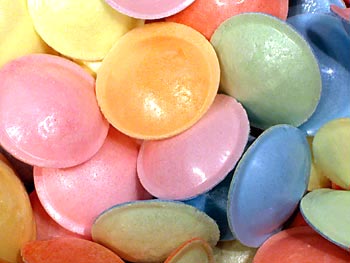
a partially chewed packed of Skittles
What is Control VARIABLE?
Variables that remain constant
A variable that is changed in an investigation.
A variable that is observed in an investigation.
What is Independent VARIABLE?
Variables that remain constant
A variable that is changed in an investigation.
A variable that is observed in an investigation.
What is Dependent VARIABLE?
Variables that remain constant
A variable that is changed in an investigation.
A variable that is observed in an investigation.
A custodian notices some dirty tables and wants to know which cleaner is the best to use. He tests three different cleaners and looks at how well they clean compared to tap water. What is the independent variable?
type of cleaner
tap water
A custodian notices some dirty tables and wants to know which cleaner is the best to use. He tests three different cleaners and looks at how well they clean compared to tap water. What is the control group?
type of cleaner
tap water
How long is your pencil?
15 meters (m)
15 centimeters (cm)
The ______ of an object tells us how long or short the object is.
mass
length
capacity
time
What is the meniscus that you use when finding liquid volume?
the bottom of the cylinder.
the top of the cyclinder.
the curve in the liquid level where you take the measurement.
the type of cylinder that you use to measure liquid volume.

What is the volume of the beaker?
48 mL
44 mL
48.0 mL
44.0 mL

What is the volume in the graduated cylinder?
24 mL
29.0 mL
24.0 mL
29 mL

What is the mass on the triple beam balance?
37.3 g
37.0 g
37 g
30.7 g

What is the mass on the triple beam balance?
88.0 g
288.00 g
288 g
288.0 g

What is the length is the arrow pointing at in the picture?
1.5 cm
1.6 cm
1.60 cm
1.70 cm

What is the length shown by letter E?
6.0 cm
6.6 cm
6.60 cm
66 mm
Where does the independent variable go on the graph?
y-axis (vertical)
x-axis (horizontal)
Where does the dependent variable go on the graph?
y-axis (vertical)
x-axis (horizontal)

What type of graph should be used for this data?
Line graph
Column graph
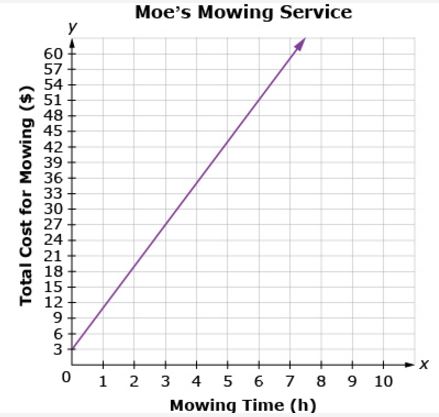
How much does it cost to have your lawn mowed for 2 hours?

What is the independent variable?

How many students said basketball was their favourite sport?
9
5
6
4

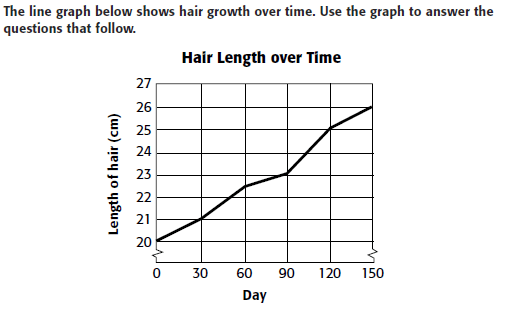

The positively charged particle in an atom.
Proton
Neutron
Electron
Nucleus
The center of an atom where its neutrons and protons are is called the _____________.
nucleus
electron cloud
center

The mass number of an atom is the mass of ______ + _____
protons + neutrons
protons + electrons
neutrons + nucleus
protons + nucleus

Atoms bond together in different ways to make ________________.
Substances
Matter
Molecules
All matter is made of _________.

The subatomic particles that make up an atom.
solid, liquid, gas
electrons, protons, nucleus
energy, protons, nucleus
electrons, protons, neutrons

__________ are negatively charged particles that are in the orbitals around the nucleus.
protons
nucleus
neutrons
electrons

The smallest part of any element. Made up of protons, neutrons and electrons.
Atom
AMU
Ion
Isotope
Which list contains only objects made up of atoms?
steel, water, sand, dolphin
light, rock , apple, squirrel
palm tree, electricity, salt, air
paper, vinegar, heat, helium

How many neutrons does nitrogen have?
7
14
0
6
Which of the following is a example of physical change ?
burning of wood
photosynthesis
melting of ice-cream
ripening of fruit
A chemical change may involve
Evolution of gas
Change in temperature
Change in colour
All of the above
When a candle burns, both physical and chemical changes occurs.
True
False
Which of the following is an example of a physical change?
a bike rusting
toast burning
butter melting
food spoiling
Which of the following examples provides evidence of a PHYSICAL change?
Wood is burned and releases ash and smoke
Iron rusts over time
When mixed, baking soda and vinegar form gas bubbles
Boiling water bubbles when heated

A white tablet is dropped into water. The water becomes cloudy and bubbles are produced. What type of change has occurred?
Physical change
Chemical change
No change
Which observations prove a chemical change occurred
Dissolving and expected color change
Mixing and dissolving
State of matter change and boiling water bubbles
Unexpected color change and temperature change
What is physical change?
How two chemicals react with one another when combined
A property that we can measure or observe with our 5 senses or other tools
When two chemicals react with one another to form a new substance
When a change occurs but it does not result in the formation of a new substance

Which of the following is a sign that a chemical reaction (or change) has occurred?
change in shape
melting
formation of a gas
dissolving

Students mixed two liquids in a beaker and listed their observations. Based on these observations, which statement contains the best evidence that a chemical reaction occurred?
There is a change in shape.
There is a change in volume.
The two liquids mix into a solution.
The two liquids form a new substance.
Which statement best describes evidence that a chemical reaction occurs as a cake bakes?
The water in the cake batter evaporates.
The cake rises as gas bubbles form in the baking cake.
The cake takes the shape of the container in which it is baked.
The water in the cake batter is used to keep the cake moist as it bakes.

Which of the models of a chemical reaction best represents the Law of Conservation of Mass?
A
B
C
D
A student heated a 10 gram sample of a chemical in an open container. A chemical reaction occurred, and the mass of the sample was measured again. The mass of the sample was found to be less than before the reaction. Which of the following best explains the decrease in mass of the sample?
The heat caused the chemical to become less dense.
The reaction gave off more heat than was added.
Some of the lighter particles were destroyed.
Some of the particles escaped as a gas formed.
Which is an example of a Solid?


What state describes the matter inside of a balloon that causes it to float?
gas
solid
volume
liquid
What state of matter has a definite size and takes the shape of its container?
solid
liquid
gas
volume
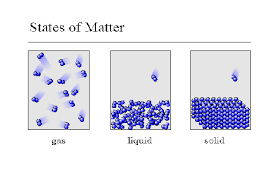

Evaporation is the change of state of a
Gas to solid
Liquid to Gas
Solid to liquid
Liquid to Solid

What is the state change that occurs, when ice turns into a liquid?
Boiling
Condensation
Melting
evaporation
A substance that takes the shape and volume of its container is a
solid
liquid
gas
crystal
In a _______ the molecules are close together.
solid
liquid
gas
All _______ can move and flow.
liquids
solids
gases
A ________ has no shape and no size.
gas
liquid
solid
Phases of matter change because the amount of energy has
increased
decreased
stayed the same
increased or decreased
Phases of matter become different because
atoms have the amount of energy to change into a new phase
atoms have enough energy to move faster
atoms have lost energy and move slower
atoms amount of energy stays the same


H2 + O2 --> H2O
Fe + S --> FeS

The small numbers in a chemical formula:
(the BLUE numbers)
Subscripts
Coefficients
Numbers
Molecules


02 (g)+ 2H2-------------2H20 + Energy
endothermic
exothermic
6CO2 + 6H20 + Energy --------------- C6 H12 06 + 6O2
endothermic reaction
exothermic reaction
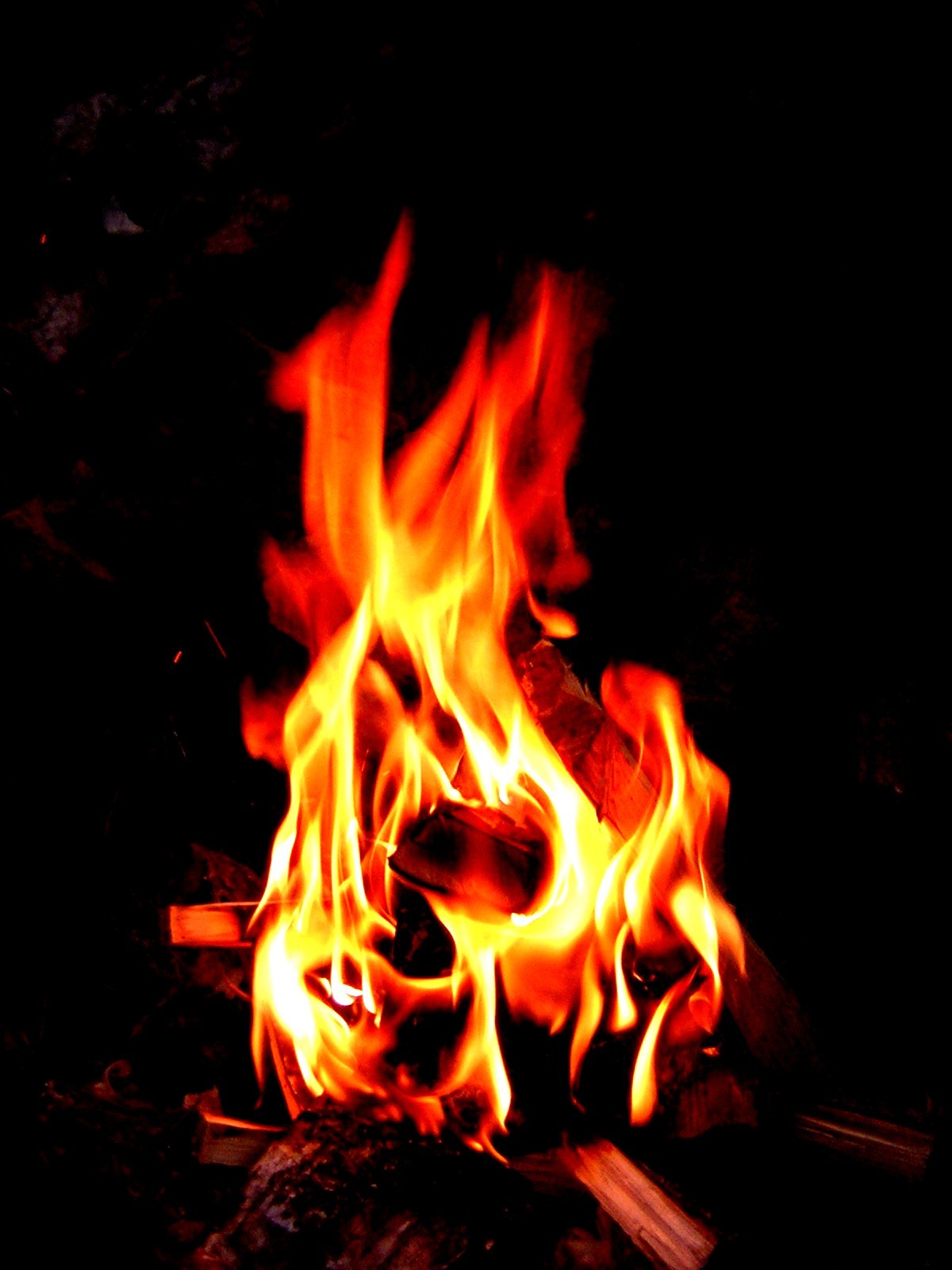
_____ reactions usually feel hot!
endothermic
exothermic

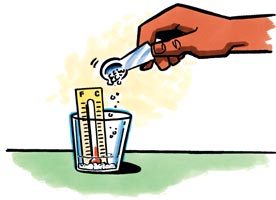
What type of reaction is occurring in the image?
Endothermic
Exothermic
Catalyst
Inhibitor

What type of reaction is occurring in the image?
Endothermic
Exothermic
Cataylst
Inhibitor
Photosynthesis
endothermic
exothermic
The initial temperature was measured to be 20oC and the final temperature was 45oC. The reaction was
exothermic
endothermic
The initial temperature was measured to be 20oC and the final temperature was 10oC. The reaction was
exothermic
endothermic
Which phrase best describes the function of mitochondria?
Located in the cytoplasm
Bacteria-sized organelle
Converts energy for cell use
Contains a folded inner membrane
Which cell organelle stores DNA?
Cell wall
Cell membrane
Vacuole
Nucleus
The purpose of the cell wall is to-
regulate what goes into and out of a cell
control the functions of a cell
convert energy from food into energy for a cell
provide structure for a cell
Which of the following statements accurately represents the differences in plant and animal cells?
Only plant cells have a cell wall, chloroplasts, and a large vacuole.
Only animal cells have a cell wall, chloroplasts, and a large vacuole
Only plant cells have a cell membrane, mitochondria, and cytoplasm
Only animal cells have a cell membrane, mitochondria, and cytoplasm
The primary function f the chloroplast is to-
convert food into energy a cell can use
control the functions of a cell and control genetic traits
convert radiant energy into chemical energy through photosynthesis
store water and nutrients
Students observed cells under the microscope. They observed that the cells had a cell wall, cell membrane, nucleus, and many chloroplasts. Which observation helps students identify the type of cell observed?
The presence of a nucleus means the cells are from a plant.
The presence of a cell membrane means that the cells are from an animal
The presence of chloroplasts means that the cells are from a plant
The presence of a cell wall means that the cells are from an animal

According to cell theory, what do each of the following organisms have in common?
They can all reproduce by spontaneous generation.
Each organism is able to photosynthesize.
Cells are the basic unit of structure for each organism.
They are all made up of the same kinds of atoms.
Which of the following do all living things have in common?
Cells held up by cell walls
The method to get water and food into their cells
Cells made from pre-existing cells
Special cells that can do many different things


What are the reactants of photosynthesis? (Check All That Apply
Glucose
Oxygen
Water
Carbon Dioxide
Light Energy
What are the products of photosynthesis? (Check All That Apply
Glucose
Oxygen
Water
Carbon Dioxide
Light Energy
Which of the following is considered usable energy for cell?
Glucose
ATP
Proteins
Carbon Dixoide
What are the 3 reactants of photosynthesis? The reactants are the things needed for photosynthesis to occur.
oxygen, glucose, sunlight
sunlight, oxygen, water
water, oxygen, carbon dioxide
carbon dioxide, sunlight, water
The release in energy from the sugar that are in plant and animal cells is called...
photosynthesis
transpiration
cellular respiration
transition
Why is photosynthesis important for humans and animals?
the oxygen we breath is created during photosynthesis
the carbon dioxide we breath is created during photosynthesis
the water we drink is created during photosynthesis
the food we eat is created during photosynthesis

What are the reactants (taken into) of cellular respiration? (Mark all of them!)
oxygen
glucose
carbon dioxide
water
energy
Where do animals get the glucose that is needed for cellular respiration?
from the exercise they get
from the water they drink
from the food they eat
from the sunlight they get
Which process releases the highest amount of energy?
anaerobic fermentation
aerobic respiration
photosynthesis
protein synthesis

