
 Worksheets
H&S - 11. Fire Prevention and Control
Total questions: 22
Worksheet time: 11mins
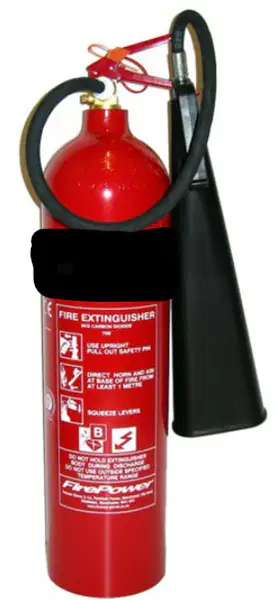
How does this type of extinguisher put out fires?
It gets rid of the heat
It keeps out oxygen
It removes the fuel
It makes the fire wet
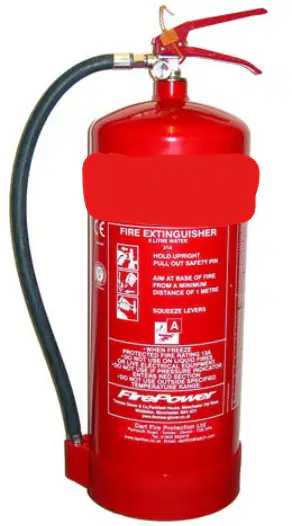
This fire extinguisher contains:
Foam
Carbon Dioxide (CO2)
Water
Dry powder
You need to work in a corridor that is a fire escape route. You must see that:
Your tools and equipment do not block the route
All doors into the corridor are locked
You only use spark-proof tools
You remove all fire escape signs before you start
A fire assembly point is the place where:
Fire engines must go when they arrive on site
The fire extinguishers are kept
People must go when the fire alarm sounds
The fire started
To put out an oil fire, you must not use:

A
A

B
B

C
C

D
D
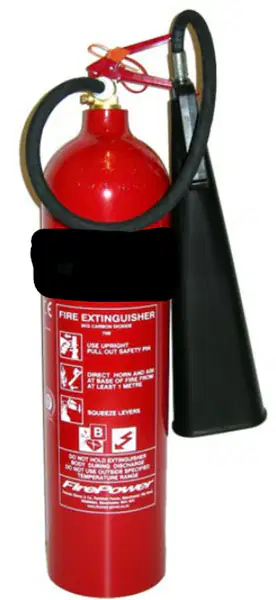
This fire extinguisher contains:
Water
Foam
Dry powder
Carbon dioxide (CO2)
When you use a carbon dioxide (CO2) fire extinguisher, the nozzle gets:
Very cold
Very hot
Warm
Very heavy
A hot work permit lets you:
Work in hot weather
Carry out work that needs warm protective clothing
Carry out work that could start a fire
Light a bonfire
Which two extinguishers can be used on electrical fires?

A
A

B
B

C
C

D
D
If your job needs a hot work permit, what two things would you expect to have to do?
Have a fire extinguisher close to the work
Check for signs of fire when you stop work
Know where all the fire extinguishers are kept on site
Write a site evacuation plan
Know how to refill fire extinguishers
Look at these jobs. Which two are likely to need a hot work permit?
Cutting steel with an angle grinder
Soldering pipework in a central heating system
Refuelling a diesel dump truck
Replacing an empty Liquid Petroleum Gas cylinder with a full one
Working at night using halogen floodlights
All fire need heat, fuel and:
Oxygen
Carbon dioxide
Argon
Nitrogen
Which two extinguishers are best for putting out oil fires?
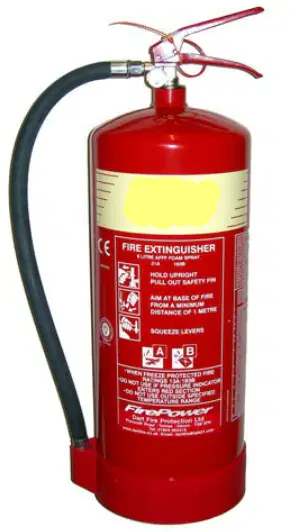
A
A
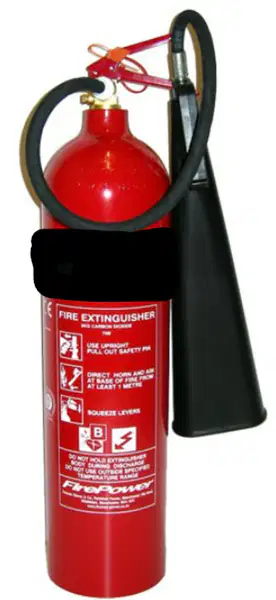
B
B
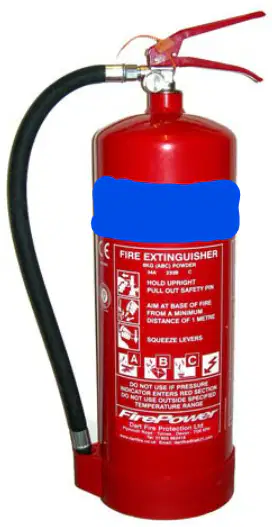
C
C
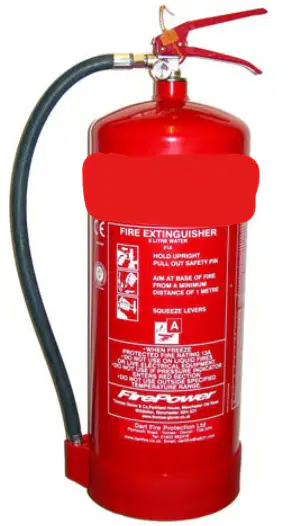
D
D
If you discover a large fire, the first thing you should do is:
Put your tools away
Finish what you are doing if it is safe to do so
Try to put out the fire
Raise the alarm
If you hear the fire alarm, you should go to:
The site canteen
The assembly point
The site office
The fire
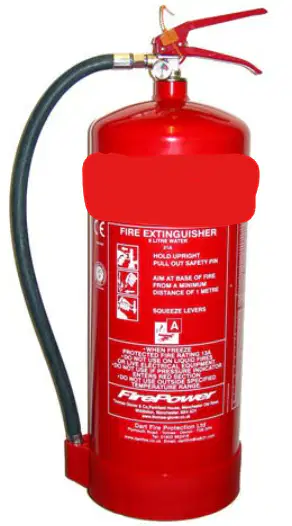
This extinguisher can be used to put out:
Burning oil
Electrical fire
Wood fires
Burning petrol
A large fire has been reported. You have not been trained to use fire extinguishers. You should:
Put away all your tools and then go to assembly point
Report to the site office then go home
Go straight to the assembly point
Leave work for the day
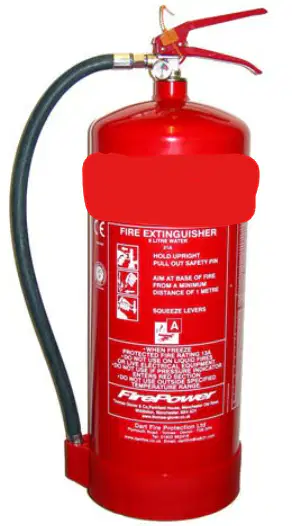
This extinguisher must not be used on:
Electrical fires
Wood fires
Burning furniture
Burning clothes
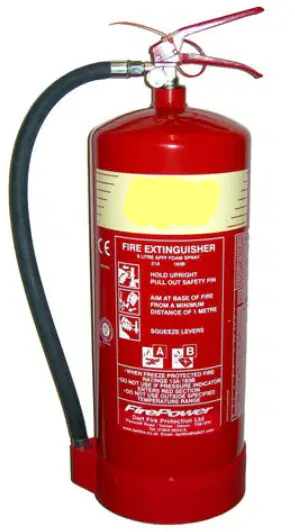
This extinguisher must not be used on:
Electrical fires
Wood fires
Burning oil
Burning petrol
If you see 'frost' around the valve on a Liquid Petroleum Gas cylinder, it means:
The cylinder is nearly empty
The cylinder is full
The valve is leaking
You must lay the cylinder on its side
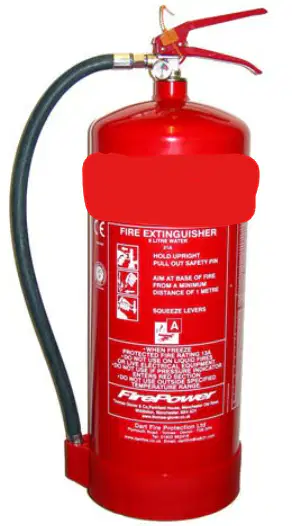
This type of fire extinguisher puts out a fire by:
Starving the fire of oxygen
Cooling the burning material
Increasing the oxygen supply
Diluting the oxygen with another gas
If there is a fire, you will need to go to the site assembly point. When would you expect to be told where this is?
By the Health and Safety Executive
During the site induction
By reading you employer's health and safety policy
Your mates will tell you

