
Font size
 Worksheets
G3 SCIENCE Final Exam Review
Total questions: 84
Worksheet time: 51mins
Choose the best definition of a botanist.
A person who studies stars
A person who studies oceans
A person who studies plants
A person who studies rocks
It is the fourth stage of the life cycle of a plant.
(a)
It is the third stage of the life cycle of a plant.
(a)
It is the fifth stage of the life cycle of a plant.
(a)
It is the second stage of the life cycle of a plant.
(a)
What is the term for the changes a plant goes through from seed to adult?
Characteristics
Biome
Adaption
Life cycle
Which word means the spreading of seeds away from the parent plant?
Adaption
Germination
Bloom
Disperse
Fill in the blank: The process when a seed starts to grow is called (a) .
Which option describes native plants?
Plants that never spread
Plants that live only in deserts
Plants grown only in farms
Plants original to an area
Non-native plants are best described as
Plants that are not original to an area
Always harmful
Always helpful
Only trees
Which word matches a plant that spreads beyond where it is not wanted?
Ethanol
Rayon
Bulb
Invasive
Rayon is
A liquid from rain
A gas from air
A metal from rocks
A fabric from corn
Ethanol is
Powder from bark
Salt from soil
Juice from leaves
Fuel from kernels
Seeds are important because they
Start new plants
Make fabric
Cover tree trunks
Store water
Which is an edible bulb?
Bark
Garlic
Rayon
Ethanol
Which is an example of a spring flower bulb?
Tulip
Oak
Corn
Cactus
A bulb is
An underground stem storing nutrients
A leaf that makes sugar
A root that takes in water
A fruit that carries seeds
Which term means describing the difference of one plant to another?
Characteristics
Biome
Adaption
Bloom
Which word means a plant opens its flowers?
Blooms
Bulb
Disperse
Germination
A place where specific plants and animals live - Unscramble "BMIOE"
(a)
Which term means a change that helps a plant survive?
Rayon
Ethanol
Invasive
Adaptation
Cornmeal is made from ground corn. Choose the correct statement.
Cornmeal is made from ground corn
Cornmeal is made from corn husks
Cornmeal is made from corn leaves
Cornmeal is made from corn cobs
Which item was used for fuel in the past?
Corn cobs were used for fuel
Corn kernels were used for fuel
Corn husks were used for fuel
Corn silk was used for fuel
Rayon is a fabric made from (a) .
Which statement about corn farming today is correct?
Corn is one of the most farmed crops
Corn grows only in one country
Corn is rarely grown anywhere
Corn is only grown for animals
Which item is made from corn husk products?
Belts, scarves, bags
Shoes, hats, gloves
Jackets, socks, shirts
Moccasins, baskets, masks
Ethanol is made from which part of corn?
Ethanol is made from leaves
Ethanol is made from cobs
Ethanol is made from kernels
Ethanol is made from husks
Whole kernels were used to make masks. Decide if this is true or false.
False, whole kernels were not used to make masks.
True, kernels and cobs were used
False, masks were not made at all
True, whole kernels were used
Corn is a major source of food only for animals. Decide if this is true or false.
False, corn is never eaten
False, people also eat corn
True, animals eat all corn
True, only animals eat corn
Match the plant characteristic to Wild Columbine or Black-eyed Susan: It blooms from June to July.
Both plants bloom June–July
Black-eyed Susan blooms June–July
Wild Columbine blooms June–July
Neither plant blooms June–July
Which plant has flowers that are red with yellow centers?
Neither plant has red with yellow
Wild Columbine has red with yellow
Both plants have red with yellow
Black-eyed Susan has red with yellow
Which plant grows to be up to 50 cm tall?
Neither plant grows up to 50 cm
Wild Columbine grows up to 50 cm
Black-eyed Susan grows up to 50 cm
Both plants grow up to 50 cm
Black-eyed Susan flowers are yellow with dark brown centers. Choose the correct statement.
Black-eyed Susan has yellow with dark brown
Wild Columbine has yellow with dark brown
Both plants have yellow with dark brown
No plant has yellow with dark brown
Which plant needs lots of sunlight to grow?
Black-eyed Susan needs lots of sunlight
Wild Columbine needs lots of sunlight
Both plants need lots of sunlight
Neither plant needs lots of sunlight
Which plant prefers soil that is dry to moist?
Wild Columbine prefers dry to moist soil
Black-eyed Susan prefers dry to moist soil
Neither plant prefers dry to moist soil
Both plants prefer dry to moist soil
Which plant prefers moist soil?
Neither plant prefers moist soil
Black-eyed Susan prefers moist soil
Wild Columbine prefers moist soil
Both plants prefer moist soil
Which plant blooms from May to June?
Wild Columbine blooms May–June
Black-eyed Susan blooms May–June
Both plants bloom May–June
Neither plant blooms May–June
Which plant grows to be 10 to 50 cm tall?
Neither plant grows 10–50 cm
Both plants grow 10–50 cm
Wild Columbine grows 10–50 cm
Black-eyed Susan grows 10–50 cm
Unscramble to complete the science word: TIHTBAA
(a)
Unscramble to complete the science word: TNCXTIE
(a)
Unscramble to complete the science word: GARDENEEDN
(a)
Look at the picture of strawberries. Which plant part do people eat from strawberries?
stems
roots
fruits
flowers
To grow more native plants in our place, we need to remove ________.
invasive
endangered
extinct
habitat
Which plant part of cauliflower is eaten?
fruits
flowers
leaves
seeds
Which plant part do we mainly eat from leeks?
flowers
roots
stems
seeds
Which part are eaten from oranges?
stems
fruits
seeds
leaves
Look at the spinach. Which plant part is eaten from spinach?
roots
flowers
leaves
seeds
Look at the celery. Which plant part is eaten from celery stalks?
stems
fruits
seeds
roots
Which plant part are eaten from apples?
leaves
fruits
seeds
flowers
Which plant part do people eat from lettuce?
seeds
flowers
roots
leaves
Which plant part is eaten from artichokes?
flowers
fruits
seeds
stems
Which plant part do we eat? asparagus
roots
leaves
stems
fruits
Which part do we eat from peppers?
flowers
stems
fruits
seeds
Which plant part do people eat from sunflower?
seeds
roots
stems
leaves
Which plant part are being eaten from potatoes?
fruits
flowers
roots
seeds
Which plant part of a corn do people eat?
flowers
leaves
stems
seeds
Which plant part do we eat from peas?
seeds
leaves
roots
flowers
Which action is most likely to cause plants to lose habitats?
Planting more trees
Watering gardens weekly
Vehicles driving off‑road
Fertilizing fields
Clearing land for animals to graze can affect plant habitats. What is the effect?
Removes plants from the area
Protects rare flowers
Adds soil and nutrients
Creates new plant shelters
A new species takes over a field. What is this called when it harms native plants?
Pollinator species
Medicinal plants
Seasonal plants
Invasive species
Which action can lead to habitat loss for plants?
Over‑picking flowers
Mulching a garden
Composting leaves
Saving seeds
Clearing land for growing crops changes plant habitats. What is one likely result?
More wild plant diversity
More shade for forests
Less space for native plants
Extra homes for wildlife
Seeds emerging the soil with a tiny root coming out.
seedling
young plant
germination
seed
It is the first stage of the life cycle of a plant.
(a)
Which rainforest layer has the tallest trees that rise above all others?
Forest floor with ground-level plants
Understory layer with short, shady plants
Emergent layer with very tall trees
Canopy layer with medium-height trees
Which layer forms a leafy roof that blocks much of the sunlight?
Forest floor with scattered leaves
Emergent layer with few tall trunks
Canopy layer with dense tree tops
Understory layer with shrubs and vines
Which layer is darkest and covered with soil, fallen leaves, and roots?
Emergent layer above the canopy
Canopy layer high in the trees
Forest floor at the very bottom
Understory layer below the canopy
Which layer is just below the canopy and has shade-loving plants?
Understory layer beneath the canopy
Emergent layer above all trees
Canopy layer made of tree tops
Forest floor with decaying leaves
Fill in the blank: The leafy roof made by many tree tops is called the (a) .
Match the rainforest layers to their descriptions.
Canopy: ground-level plants and roots
Understory: leafy roof blocking sunlight
Forest floor: shade-loving plants below
Emergent: tallest trees above canopy where they can spread their leaves.
Which example best fits the canopy layer?
A palm grows in shade below the canopy
Tall trees send down buttress roots
Fallen logs feed soil on the ground
An orchid grows high on branches to get its share of sunlight
Which example belongs to the understory layer?
Roots spreading at the base of tall trees
Fallen leaves decomposing on the ground
A tree bursting through the canopy for sun
A palm tree that grows in shade below canopy
Which statement explains why emergent trees get the most sunlight?
They rise above the canopy top
They grow under the leafy roof
They have flowers on side branches
They live on the forest floor
How do fallen logs and dead leaves help the forest healthy?
Look at the diagram of people and animals near a tree. Which statement best explains how plants and animals help each other breathe?
Animals breathe out oxygen for plants to use
Plants take in carbon dioxide and give out oxygen
Plants take in oxygen and give out carbon dioxide
Animals and plants both breathe out only oxygen
Which human activity can clear forests and cause loss of forest habitat for plants?
Small backyard gardening by families
Protecting forests with fences
Farming to make fields with crops
Planting native trees in parks
A marsh is filled to build new roads and buildings. What is the most likely impact on plants that live there?
Stronger roots for marsh plants
Cleaner water for marsh plants
Loss of marsh plant habitat
More space for marsh plants
Explain the flow of oxygen and carbon-dioxide cycle. Write in an essay.
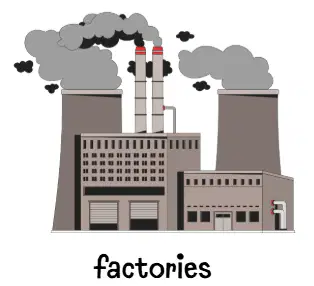
Factories release pollution that can make acid rain. Select all the impact from acid rain on trees?
Factories helps trees grow taller
Factories causes air pollution.
Gives trees extra water
Dries up our trees.
Trees can die.
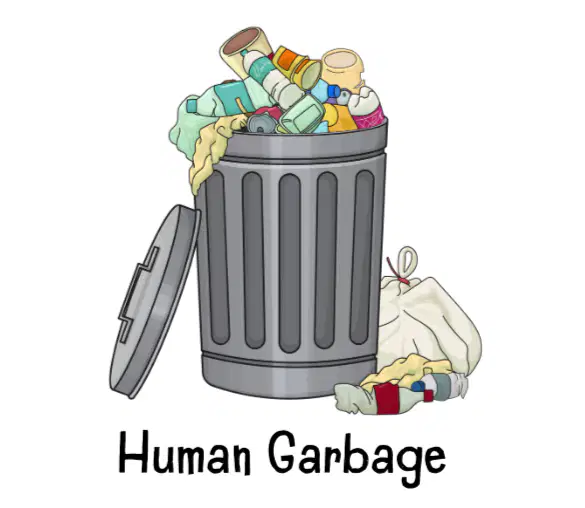
Chlorinated plastic cans of human garbage leak harmful chemicals into soil and water. Select the impacts on how this can harm plant life.
Poisons the Plants.
These will stop Seeds and Roots to grow.
It gives more nutrients to the soil.
Making Soil Unhealthy
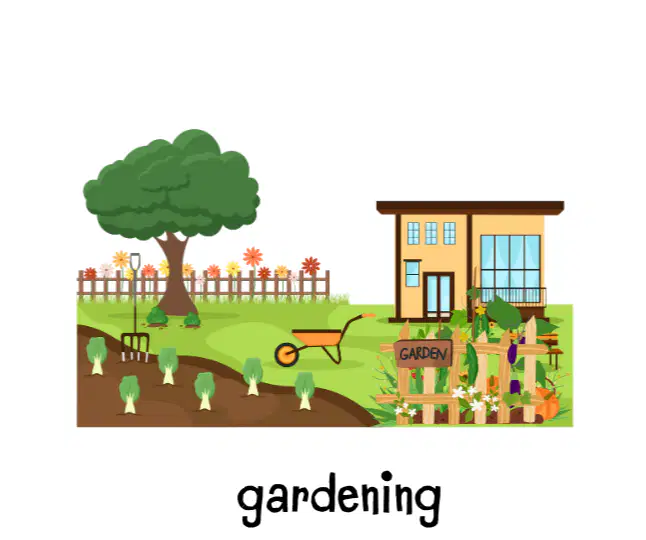
How can Gardening affects plant life? Select all that applies.
Gardening welcome non-native plants that makes native plants unwanted and forgotten.
Gardening makes people don't want to care of native plants.
Gardening can cause loss of habitat for wild animals and insects.
Gardening makes our homes beautiful.
Select three reasons why planting native plants is good for the environment.
They don't need to be watered or fertilized.
Native Plants support the insects, birds and other animals in a habitat.
It kills wild animals.
It teaches people in the community about their natural heritage.
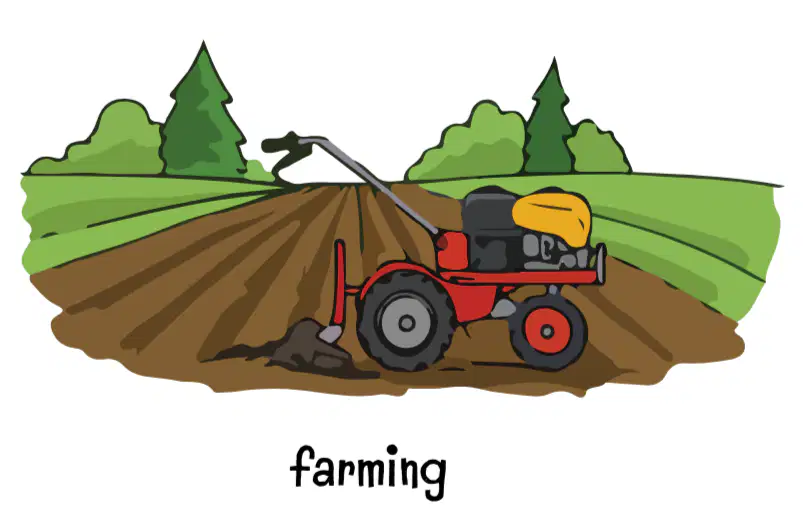
Select all the impacts of farming to plant life.
Loss of habitat for of native plants.
Farming helps to welcome new plants.
Less Variety of Plants
pulls water out of the plant roots beacuse of Over-fertilizing that adds salts.
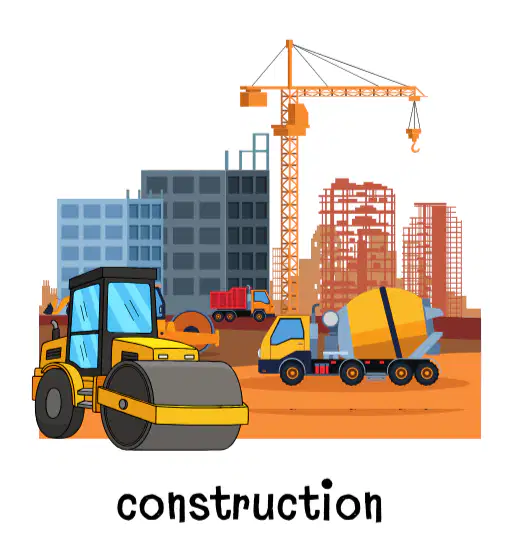
How do road construction affect plant life? Select all the applies.
Crushed Soil Stops Roots
Roots Are Cut and Removed.
It scrapes away the top layer of rich, fertile soil (topsoil).
Toxins makes the plants healthy.
Toxins Poison the Area

