
 Worksheets
Weathering, Erosion, and Deposition (WED)
Total questions: 83
Worksheet time: 1hrs 5mins

An avalanche is an example of which process?
Weathering
Erosion
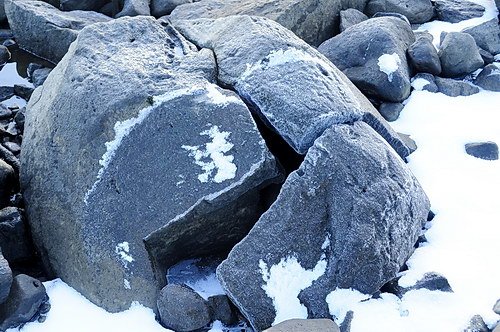
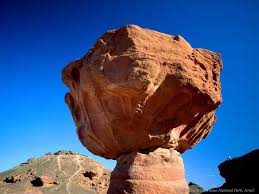


What is the process that picks up and moves weathered rocks?
Erosion
Weathering


The process by which water, ice, wind, or gravity moves weathered rock and soil from one place to another.
Weathering
Erosion
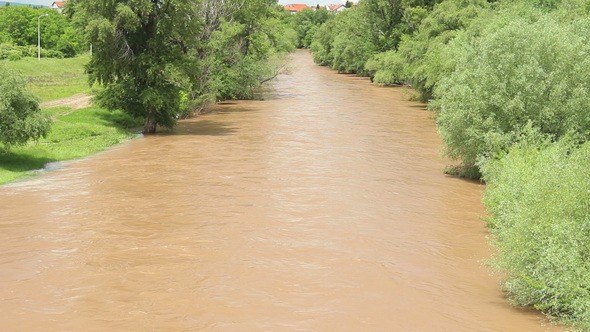

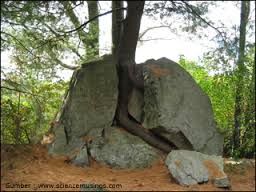
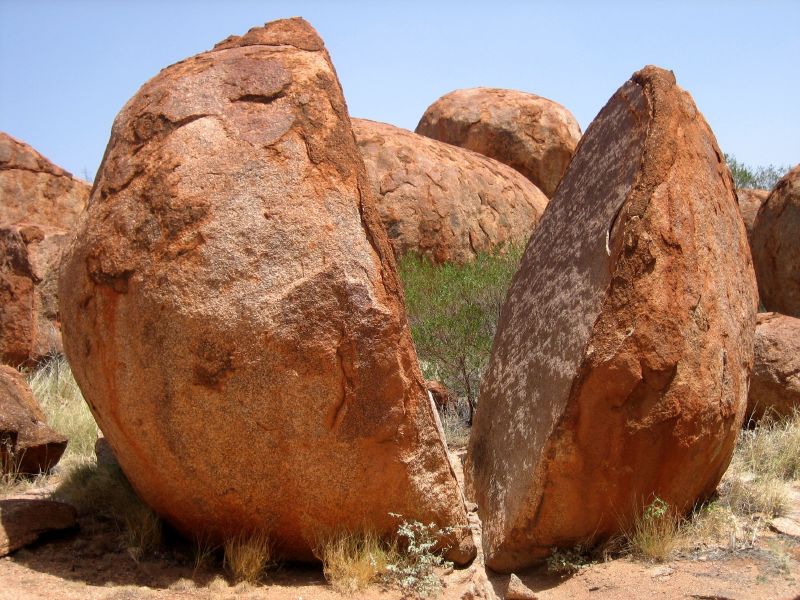
What is the wearing away or breaking down of rocks called?
Weathering
Erosion
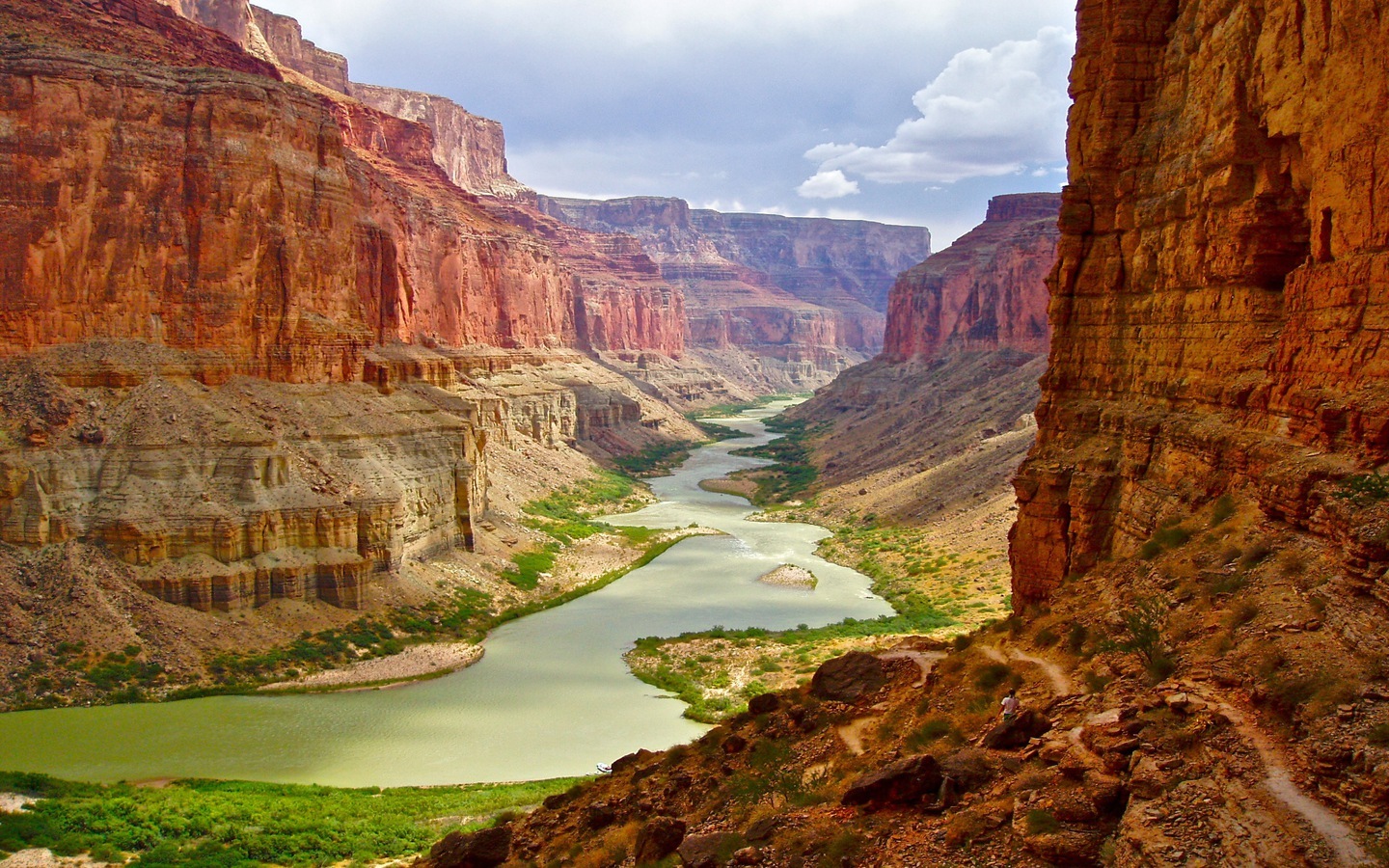
Flood water pounding against a canyon wall and wearing it down is an example of
Weathering
Erosion


What is the breakdown of the Earth’s crust into sediment called?
erosion
deposition
weathering
whooshing

At which point would you expect to find erosion taking place?
X
Y
Z

At which point would you expect to see weathering taking place?
X
Y
Z


The picture shows a rock changing over time. What process best describes what is happening to this rock?
weathering by acid rain
weathering by plant roots
weathering by wind
weathering by water and ice

Susan and Max set up this experiment. Susan stands behind the sand and the rock and blows in the direction of the box. Max measures how much of the sand traveled. Which process is Susan and Max most likely acting out?
water erosion
chemical weathering
physical weathering
wind erosion
How does freezing water cause the weathering of rocks? The freezing water—
keeps the rocks in place.
makes the rocks last longer.
expands cracks and breaks rocks.
causes rocks to fall in landslides.
A cliff formed near the ocean. Which statement best describes how this cliff formed?
Warm air melted the rock.
Sun rays evaporated the rock.
Ocean waves washed away rock.
Plant roots pushed away the rock.

Wind blasting sand at rock and carving out arches
weathering
erosion
deposition
_______________ moves material from one place to another.
Weathering
Erosion
Deposition

The Grand Canyon was caused by _____________________ erosion from the Colorado River.
water
wind
Which process describes water getting into cracks, freezing, and breaking the rocks or pavement apart?
Weathering
Erosion
Deposition

Erosion ________________________.
breaks down rock
moves rocks
deposits rock
is caused by ice wedging

What process most likely formed the Grand Canyon?
weathering by wind
rain pounding the rocks
erosion by a river (water)

This lab demonstration best models
weathering caused by a glacier
erosion from a volcanic eruption
erosion caused by a flowing river
weathering caused by strong winds

What natural process is most responsible for shaping the arch in this picture?
Deposition caused by wind
Weathering caused by water
Erosion caused by wind
Weathering caused by ice
Weathering, erosion, and deposition change the Earth’s surface over
few minutes
a few weeks
a few months
many, many years
The Grand Canyon was created by the Colorado River over many thousands of years. The river moves swiftly as it flows downhill, breaking off bits of rock which are carried down the river. As the rocks are dragged by the river, they scratch deeper into the land. What is most likely to happen over time?
The river will dry up, and the canyon will stop changing.
Wind will continue to erode the rock
The canyon will get deeper as it continues to be eroded by the rock.
A mountain will form where the rock material is deposited.

What rock formation process is being represented in the rock below?
Weathering
Erosion
Compaction
Deposition
Weathering, Erosion, or Deposition?
Layers of sediment forming at the bottom of the ocean
Weathering
Erosion
Deposition
Weathering, Erosion, or Deposition?
Glaciers dropping rock and sand to form terminal moraines
Weathering
Erosion
Deposition
Weathering, Erosion, or Deposition?
Waves dropping sand on the beach
Weathering
Erosion
Deposition

How was the river delta created?
Weathering
Erosion
Deposition

How are sand dunes created?
Weathering
Erosion
Deposition
Weathering, Erosion, or Deposition?
Ponds filling up with sediment and becoming marshes
Weathering
Erosion
Deposition
Weathering, Erosion, or Deposition?
Deltas forming at the mouths of rivers
Weathering
Erosion
Deposition

How are islands created?
Weathering
Erosion
Deposition

A landslide is caused by weathering from too much
wind
water
ice

A sand dune created from the build up of sediments is an example of
water
deposition
weathering
erosion
Rain washing away soil from a hillside is an example of
deposition
erosion
mud
weathering

Weathering can be caused by
water
wind
ice
all of the above

The process of sediment being dropped off in a new location is called
deposition
weathering
rocks
erosion

The breaking down or wearing away of earth materials is known as
erosion
weathering
deposition
landforms

What is sediment?
occurs when the eroded materials are dropped or laid down
fragments of weathering rocks
the process by which rock materials are broken down by the action of physical and chemical process
the process by which wind, water, ice or gravity transport weathered materials from one location to another

The geological process when rocks or sediments move or are transported from one place to another is:
weathering
erosion
deposition
Which picture represents a glacier eroding a valley?


Which picture represents water eroding sediment?

1. What happens to the sediment when a river slows down at a curve?
the river picks up larger pieces of sediment
the river loses energy and drops sediment
the river gains energy and picks up large boulders
the river stops all erosion at this point

What is deposition?
When sediment is transported from one place to another
When eroded materials are dropped or laid down.
when sediment or rocks are broken down
when rocks react with oxygen and water

What geologic process is happening to the rock in this picture?
The rock is being weathered by the tree roots
all of the above
The rock is being eroded by the tree roots
The rock is being deposited by the tree roots

What geologic process happens when a delta forms as a river is emptied into the ocean?
the sediment's composition is being changed by oxidation
the sediment is being eroded by the river and deposited into the ocean
the sediment has experienced frost wedging
The process that breaks down rocks and other materials on Earth's surface is called
Weathering
Erosion
Deposition
Decomposition

Over long periods of time, deposition may change the Earth’s surface by _____.
forming new land features.
breaking down large rocks into smaller ones.
washing away beaches.
moving topsoil.

_____ is the process by which soil and sediment (weathered rock) are transported (moved) from one place to another by water, wind, glaciers, and gravity
Erosion
Deposition
Weathering
Running Water

A farmer's topsoil is blown away during a hurricane is an example of ___________.
weathering
erosion
deposition
______________________ occurs when eroded materials stop moving and begin to build up.
Weathering
Erosion
Deposition
Humans increase the amount of erosion by building on land.
True
False

A steep incline results in (more/less) _____________ erosion.
more
less
A flat incline results in (more/less) _____________ erosion.
more
less
The Grand Canyon was caused by _____________________ erosion from the Colorado River.
water
wind

