
 Worksheets
Introduction to Aircraft Components and Control
Total questions: 49
Worksheet time: 25mins
Which control surface primarily changes an aircraft’s roll about the longitudinal axis?
Flaps near the fuselage
Ailerons on the wings
Rudder on the fin
Elevator on the tailplane
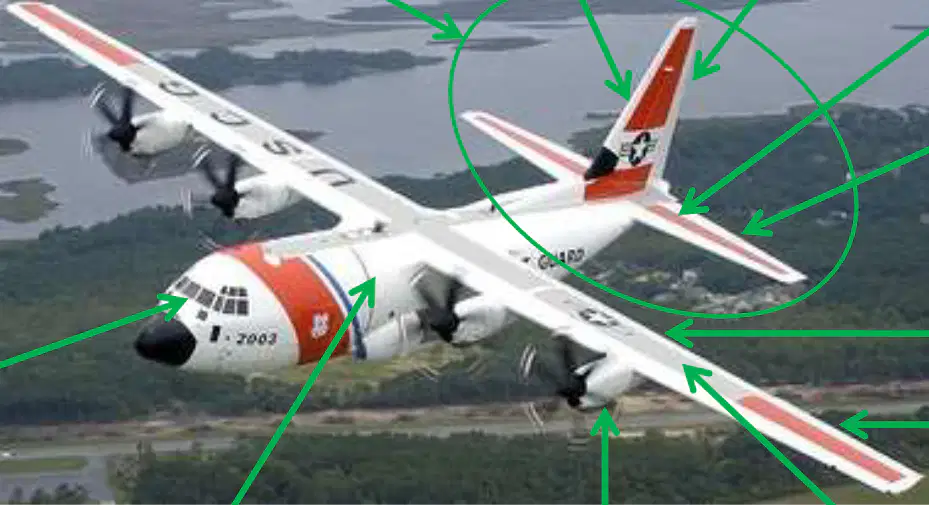
Match each component to its main function.
Rudder
Yaw control
Elevator
Pitch control
Flaps
Increase lift and drag
Ailerons
Roll control
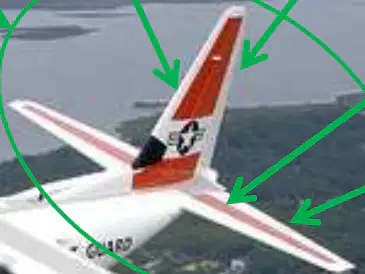
Which set correctly lists empennage parts visible on many aircraft?
Vertical stabilizer and rudder
Flaps and ailerons
Horizontal stabilizer and elevator
Cockpit and fuselage
During takeoff, a pilot extends flaps. What is the primary aerodynamic effect?
Decrease pitch and decrease lift
Increase roll and decrease yaw
Increase lift and increase drag
Decrease lift and reduce drag
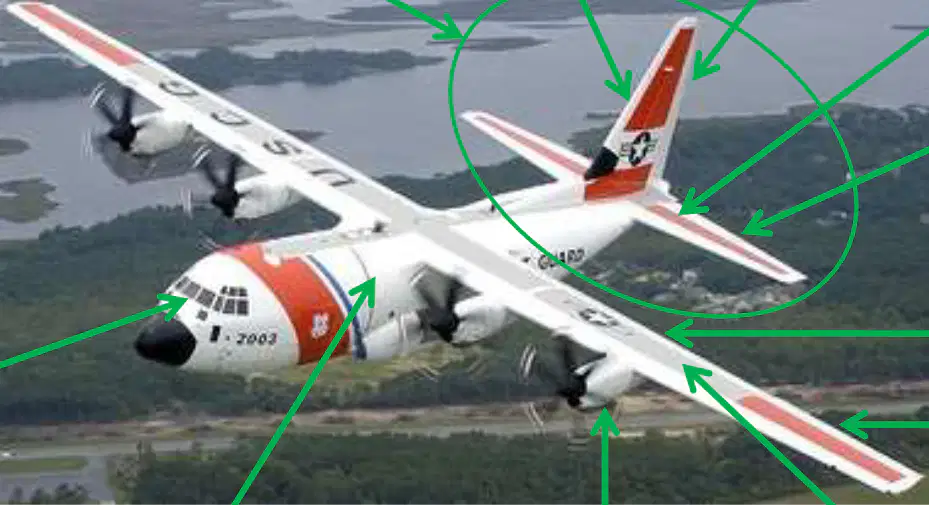
Which component houses crew and passengers and connects major structures?
Empennage tail assembly
Power plant nacelles
Fuselage central body
Wing with ailerons installed
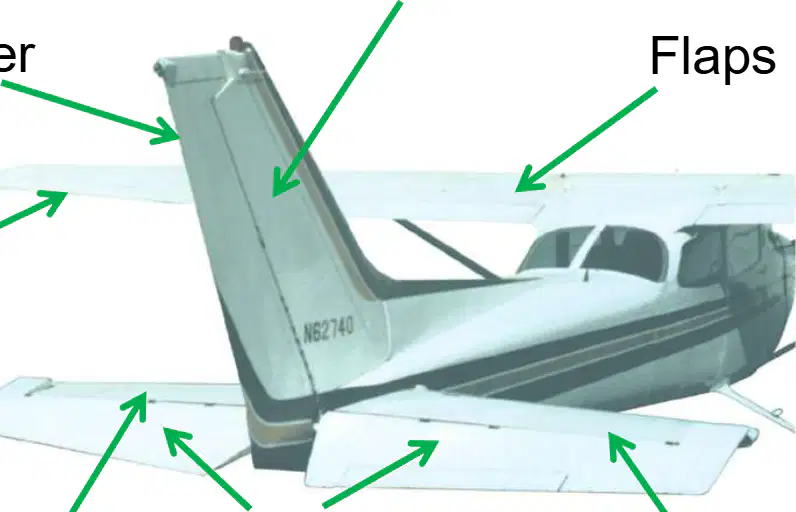
Select all components that directly control aircraft attitude axes.
Ailerons for roll axis
Flaps for roll axis
Elevator for pitch axis
Rudder for yaw axis
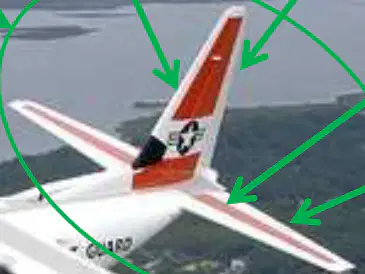
Which statement best describes the role of the vertical stabilizer?
Provides lateral stability resisting yaw
Provides longitudinal stability resisting pitch
Provides roll authority for banking
Provides primary lift for the aircraft
In the diagram, which control surface on the vertical stabilizer primarily controls yaw?
Elevator on horizontal stabilizer
Rudder on vertical stabilizer
Aileron near wingtip
Flap on trailing wing root
Which empennage component provides pitch stability and works with the elevator?
Horizontal stabilizer at the tail
Vertical stabilizer under fuselage
Wingtip aileron assembly
Trailing-edge flap section
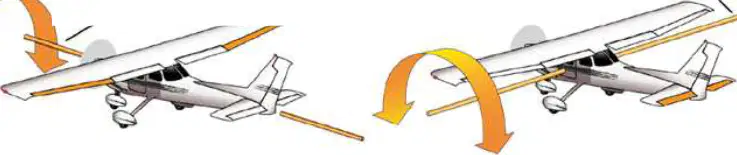
Match each control surface to its primary axis of control.
Rudder
Vertical axis (yaw)
Elevator
Lateral axis (pitch)
Ailerons
Longitudinal axis (roll)
Flaps
No axis—changes lift/drag
On the wings, which surfaces mainly control roll by moving opposite directions?
Rudder deflects left or right
Elevators move together upward
Ailerons move different directions
Flaps move together downward
Which statement best describes flaps during takeoff or landing?
Increase lift at low speeds
Reduce yaw stability
Control roll around longitudinal
Trim pitch automatically
Multiple surfaces contribute to pitch changes. Which are directly involved?
Elevators on the tail
Rudder on fin
Ailerons on each wing
Horizontal stabilizer
Which small adjustable surface helps relieve pilot control forces?
Vertical fin cap
Flap actuator panel
Trim tab on elevator
Aileron balancing tab
Match each empennage part to its description.
Vertical stabilizer
Fixed tail fin for directional stability
Horizontal stabilizer
Fixed tailplane for pitch stability
Elevator
Movable panel controlling pitch
Rudder
Movable panel controlling yaw
Which combination correctly pairs surface and movement effect?
Flaps up cause pitch left
Elevator down causes yaw right
Left rudder right causes right roll
Right aileron up causes left roll
Which surfaces are located on the trailing edge of wings?
Ailerons near wingtips
Elevators on tailplane
Rudder on tail fin
Flaps near wing roots
Which aircraft component set includes the tail surfaces shown, responsible for stability and control in pitch and yaw?
Power plant mounted at the nose
Empennage assembly at the aircraft tail
Fuselage main central body
Wing structure along both sides

Identify the component primarily generating lift in the side and top views of the aircraft diagrams.
Landing gear under the fuselage
Empennage near the vertical axis
Fuselage along the longitudinal axis
Wing across the lateral axis
Match each component to its typical location on a single‑engine light aircraft shown in the diagrams.
Empennage
Tail section
Wing
Mid‑span left and right
Fuselage
Central body tube
Power plant
Nose with propeller
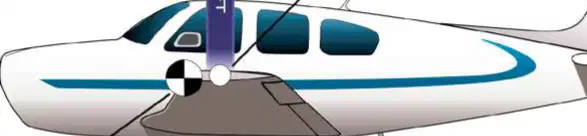
Which component houses the instruments and pilot seating seen in the side view?
Empennage at the tail
Power plant compartment
Cockpit within the fuselage
Landing gear strut
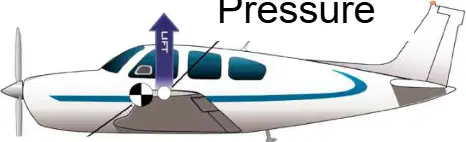
Select all parts that primarily contribute to ground operations depicted by wheels under the aircraft.
Empennage stabilizers
Landing gear system
Power plant thrust
Wing lift surfaces
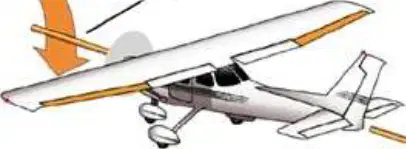
The rotation around the longitudinal axis shown in the diagrams is called what movement?
Roll of the aircraft body
Pitch about lateral axis
Yaw around vertical axis
Lift along wing chord
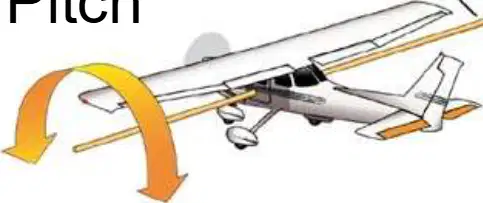
Which axis corresponds to the up‑down nose motion labeled in the pitch diagram?
Spanwise axis along the wing
Longitudinal axis nose to tail
Vertical axis through the fuselage
Lateral axis through the wings
Choose the correct pairings between motion and axis as illustrated.
Roll
Longitudinal axis
Pitch
Lateral axis
Yaw
Vertical axis
In aircraft wing construction, which component primarily carries bending loads from the wing to the fuselage?
Strut under the wing
Winglet at the tip
Spar running spanwise
Ribs along the airfoil shape
Which description best explains the role of ribs inside a wing?
Transmit engine thrust to fuselage
Provide aerodynamic shape and distribute loads
Reduce drag with tip vortices control
Support landing gear weight only
Match each part of a wing system to its function.
Spar
Main bending load path
Ribs
Maintains airfoil cross-section
Winglet
Reduces induced drag at tips
Wing strut
External brace carrying lift loads
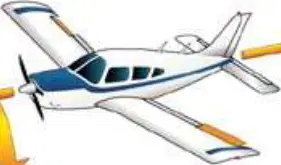
On a high-wing light aircraft, the wing strut primarily does what under flight loads?
Carries compressive drag loads
Controls roll with deflection
Channels fuel to the engine
Provides tensile support between fuselage and wing
Which statement about the fuselage in relation to the wing is most accurate?
It only carries landing loads from the gear
It adjusts aileron deflection during turns
It reduces tip vortices by shaping the wing end
It houses payload and anchors wing attachment points
Which combination of components is most responsible for reducing induced drag near the wing tip?
Careful winglet cant and sweep
Winglet attached at the tip
Ribs increasing chord thickness
Spar with greater bending stiffness
Strut providing external bracing
Which statement best defines the center of gravity for an aircraft?
Point where total mass is considered concentrated
Spot where thrust equals aerodynamic drag
Place the fuel tanks balance the aircraft
Location of maximum lift along the wing span
Positive stability means what happens after a small disturbance?
Aircraft tends to return to original condition
Aircraft continues diverging from its trim state
Aircraft remains exactly unchanged forever
Aircraft oscillates with increasing amplitude
Which pair correctly matches motion, axis, and primary control surface?
Roll
Longitudinal axis — Ailerons
Pitch
Lateral axis — Elevator
Yaw
Vertical axis — Rudder
Which features most directly influence maneuverability of an aircraft?
Paint scheme and color selection
Power available and aerodynamic design
Structural rigidity of fuselage only
Control surface size and deflection limits
Controllability is best described as the ability to do which of the following?
Maintain trim without pilot input forever
Change attitude precisely with reasonable effort
Resist all disturbances automatically
Produce maximum lift regardless of speed
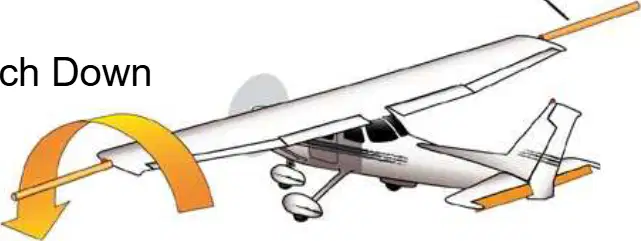
To initiate a descent, which coordinated pilot actions are shown?
Reduce power and lower the elevator
Increase power and raise the elevator
Twist yoke right and add more power
Reduce power and deflect rudder right
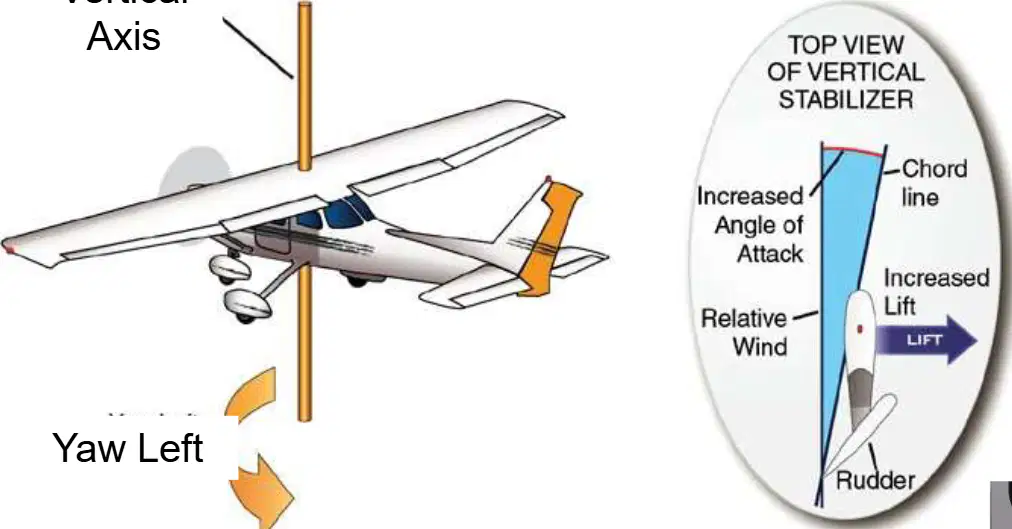
Yawing the nose left requires what pilot input and surface deflection?
Pull left yoke; elevator deflects left
Push right pedal; rudder deflects left
Twist yoke left; aileron deflects left
Push left pedal; rudder deflects left
Which component primarily provides stability for pitch motion?
Horizontal stabilizer
Vertical stabilizer
Wing dihedral
Main landing gear
In the motion-and-control table, which pilot control is used for roll?
Move the yoke forward or aft
Push the rudder pedals evenly
Adjust throttle to change power
Twist the yoke left or right
Which statement about centroid and center of gravity is accurate?
Neither relates to aircraft equilibrium
CG is geometric center; centroid is mass center
Both are always at the same fixed point
Centroid is geometric center; CG is weight balance
Which axis runs from the nose to the tail and is used for roll motion?
Vertical axis
Centerline axis
Longitudinal axis
Lateral axis
What is located at the point where the longitudinal, lateral, and vertical axes intersect?
Center of gravity
Center of thrust
Center of pressure
Center of lift
Match each axis of flight to its primary motion.
Longitudinal axis
Roll
Lateral axis
Pitch
Vertical axis
Yaw
Which statement best describes the lateral axis?
Runs diagonally enabling slip
Runs vertically enabling roll
Runs nose to tail enabling yaw
Runs wingtip to wingtip enabling pitch
Select all correct pairs of control motion and axis.
Pitch about the vertical axis
Roll about the longitudinal axis
Pitch about the lateral axis
Yaw about the vertical axis
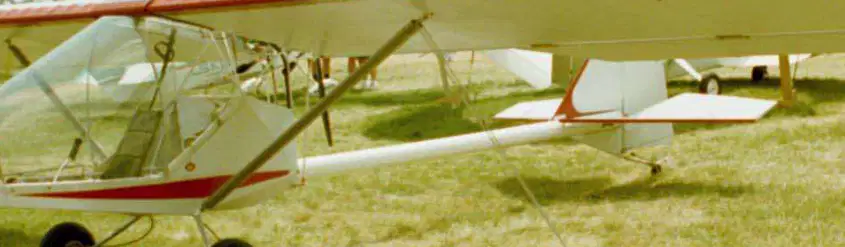
In the image of a high-wing aircraft, which characteristic is highlighted for lift generation?
Least lift among wing positions
Airflow most interrupted at the fuselage
Ground effect increases significantly
Continuous airflow with minimal interruption
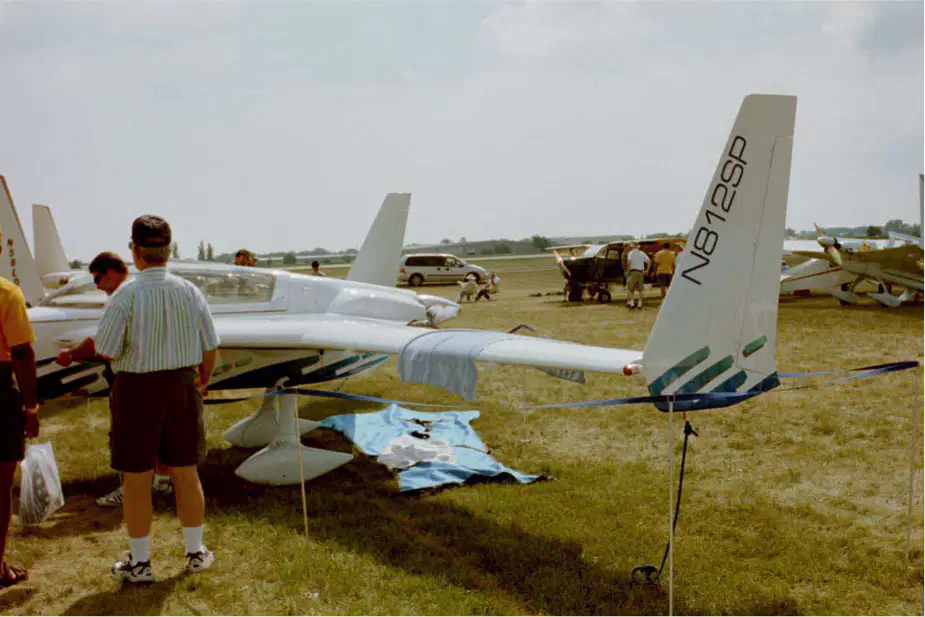
Based on the mid-wing photo, which statement is accurate?
Mid wing has strongest ground effect
Mid wing generates the most lift
Mid wing generates the least lift
Mid wing improves downward visibility
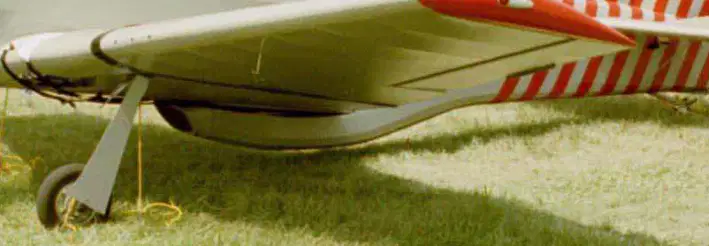
From the low-wing image, what is a key operational effect near the ground?
Continuous airflow maximizes lift
Least lift of the three positions
Pusher engine reduces wing turbulence
Increased ground effect increases lift

