
 Worksheets
Unit 2.5 - 2.8 Quiz Review
Total questions: 98
Worksheet time: 49mins
What kind of memory is this an example of? -- Remembering the exact sound of a bell right after it rings.
Sensory Memory
Long-Term Memory
Working Memory
Short-Term Memory
What is THE BEST example of short-term memory?
Remembering a phone number long enough to dial it
Remembering your childhood home address
Solving a math problem by keeping several numbers in mind
Remembering the exact sound of a bell right after it rings
Which type of memory involves active processing of information in short-term memory?
Working Memory
Sensory Memory
Long-Term Memory
Short-Term Memory
Long-term memory is best described as:
Storing information for extended periods
Briefly holding sensory information
Holding a small amount of information for a short period
Active processing of information in short-term memory
What does sensory memory do for our active working memory?
It feeds our active working memory by recording momentary images of scenes or echoes of sounds.
It stores long-term memories permanently.
It helps us forget unnecessary information quickly.
It only records visual information, not sounds.
What did George Sperling discover about recalling letters when signaled to recall a particular row immediately after the letters disappeared?
People could recall the row with near-perfect accuracy.
People could not recall any letters.
People could only recall random letters.
People could recall all the letters without any signal.
What effect did playing one of three tones have in George Sperling's experiment?
It made people more likely to remember letters corresponding to a row.
It made people forget the letters faster.
It confused people and reduced their accuracy.
It had no effect on memory recall.
What is sensory memory?
The immediate very brief recording of sensory information in the memory system
The long-term storage of information
The process of forgetting information
The ability to recall childhood memories
Which type of sensory memory is associated with visual traces?
Echoic
Iconic
Semantic
Procedural
What does echoic memory refer to?
Visual traces
Auditory traces
Emotional traces
Olfactory traces
Short-term memory typically holds how many items briefly?
1-3 items
5-9 items
10-15 items
20-25 items
According to George Miller, about how many pieces of information can we store in short-term memory?
Three
Seven (give or take two)
Fifteen
Twenty
Without rehearsal, how long will information last in short-term memory?
1-5 seconds
10-15 seconds
15-30 seconds
1-2 minutes
What is long-term memory?
The relatively permanent and limitless storehouse of the memory system.
A short-term storage of information.
A temporary memory used for quick recall.
A type of memory that lasts only a few seconds.
Which type of rehearsal involves repeating information?
Maintenance rehearsal
Elaborative rehearsal
Autobiographical rehearsal
Episodic rehearsal
What does elaborative rehearsal involve?
Repeating information
Using additional memory aids like mnemonic devices
Forgetting information quickly
Storing information temporarily
What is autobiographical memory?
A type of short-term memory
A collection of episodic memories or recollections of moments you previously experienced
A method of rote memorization
A way to memorize facts for exams
Which type of rehearsal involves repeating information to keep it in short-term memory?
Maintenance Rehearsal
Elaborative Rehearsal
Visual Rehearsal
Auditory Rehearsal
What is an example of maintenance rehearsal?
Relating new vocabulary words to personal experiences
Repeating a phone number to remember it temporarily
Creating a story to remember a list of items
Drawing a diagram to understand a concept
Elaborative rehearsal is best described as:
Repeating information over and over
Connecting new information to existing knowledge
Memorizing facts without understanding
Writing notes repeatedly
Which rehearsal technique promotes long-term retention?
Maintenance Rehearsal
Visual Rehearsal
Elaborative Rehearsal
Auditory Rehearsal
Which of the following is an example of elaborative rehearsal?
Repeating a phone number several times
Relating the term ‘mnemonic’ to learning Roy G. Biv as a child
Writing a word multiple times
Listening to a song repeatedly
What is amnesia?
Memory loss, often due to brain damage
A type of headache
A sleep disorder
A vision problem
What is anterograde amnesia?
An inability to recall past memories
An inability to form new memories
An inability to speak
An inability to walk
What is retrograde amnesia?
An inability to form new memories
An inability to recall past memories
An inability to recognize faces
An inability to read
Which of the following is often a cause of amnesia?
Brain damage
Lack of sleep
Poor nutrition
Excessive exercise
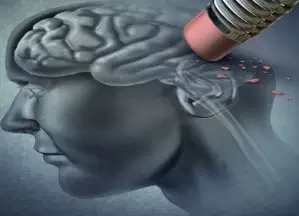
Which type of amnesia involves the loss of pre-existing memories, such as forgetting events before a car accident?
Retrograde Amnesia
Anterograde Amnesia
Alzheimer’s Disease
Infantile Amnesia
What is the inability to form new memories after a brain injury called?
Retrograde Amnesia
Anterograde Amnesia
Alzheimer’s Disease
Infantile Amnesia
Which disease is described as a progressive condition that destroys memory and other mental functions, often seen in older adults?
Retrograde Amnesia
Anterograde Amnesia
Alzheimer’s Disease
Infantile Amnesia
What is the term for the inability to recall memories from early childhood, such as not remembering events from the first few years of life?
Retrograde Amnesia
Anterograde Amnesia
Alzheimer’s Disease
Infantile Amnesia
What neurotransmitter, whose receptors are damaged in Alzheimer's disease, is responsible for memory and learning?
Dopamine
Serotonin
Acetylcholine
GABA
Which type of amnesia is caused by a severe, non-penetrative blow to the head, such as from a car accident or sports injury?
Hysterical or Fugue Amnesia
Traumatic Amnesia
Childhood or Infantile Amnesia
Retrograde Amnesia
Hysterical or Fugue Amnesia is most commonly linked to which of the following?
Physical injury to the brain
Severe psychological trauma
Genetic disorders
Drug abuse
Which type of amnesia involves the inability to recall events from early childhood and may be linked to language development or an immature brain?
Traumatic Amnesia
Hysterical or Fugue Amnesia
Childhood or Infantile Amnesia
Anterograde Amnesia
What is memory retrieval?
The process of accessing information stored in memory.
The process of forgetting information.
The process of creating new memories.
The process of deleting information from memory.
Which of the following best describes "recall" in memory retrieval?
Remembering information without cues.
Identifying information using retrieval cues.
Forgetting information quickly.
Storing information for later use.
What is an example of recall?
Answering a short-answer question on an exam from memory.
Recognizing the correct answer in a multiple-choice question.
Writing an essay with the help of notes.
Copying information from a textbook.
Which of the following best describes "recognition" in memory retrieval?
Identifying information using retrieval cues.
Remembering information without cues.
Forgetting information after a long time.
Creating new information from memory.
What is an example of recognition?
Recognizing the correct answer in a multiple-choice question.
Answering a short-answer question from memory.
Writing a summary without looking at notes.
Memorizing a poem by heart.

Which of the following is an example of a retention measure that involves retrieving information not currently in your conscious awareness but learned at an earlier time?
Recall
Recognition
Retrieval cues
Repetition

What type of question is most likely to test your recognition according to psychologists?
Fill-in-the-blank question
Multiple-choice question
Essay question
True/False question
What are "retrieval cues" in the context of memory?
Hints tied to help remember information
The process of forgetting information
The act of repeating information
The ability to create new memories
Which retention measure involves identifying items previously learned?
Recall
Recognition
Repetition
Relearning
Which type of memory retrieval is more effective when you are in the same environment where the information was encoded?
Context-Dependent Memory
Mood-Congruent Memory
State-Dependent Memory
Short-Term Memory
What is an example of mood-congruent memory?
Studying in the same room where you will take the test
Remembering happy memories more easily when you are in a good mood
Recalling information better when you are physically active
Forgetting information when you are tired
State-dependent memory retrieval is most effective when:
You are in the same environment as when you learned the information
You are in the same physical state as during encoding
You are in a different mood than when you learned the information
You are using flashcards to study
Which of the following best describes context-dependent memory?
Retrieval is enhanced when in the same mood as when the information was encoded
Retrieval is more effective when in the same environment where the information was encoded
Retrieval is more effective when in the same physical state as during encoding
Retrieval is improved by repetition
What is context-dependent memory?
The activation of memory when one returns to the setting of the original encoding
The tendency to recall experiences consistent with one's mood
The process of forgetting information over time
The ability to remember only physical locations
What does state-dependent memory refer to?
The tendency to recall experiences that are consistent with the state in which a person was at the time of encoding
The ability to remember only happy memories
The process of learning new information
The tendency to forget information when changing locations
Which type of memory is more likely to bring forth sad memories when a person is depressed?
Mood-Congruent Memory
Context-Dependent Memory
State-Dependent Memory
Meta-cognition
What is the testing effect?
Strengthening your brain’s ability to bring forth a memory by quizzing yourself or others
The process of forgetting information after a test
The tendency to remember only information learned in a classroom
The ability to recall memories only when in a good mood
What is meta-cognition?
Understanding how we think, remember, and learn
The process of memorizing vocabulary words
The ability to recall memories only when drunk
The tendency to forget information when changing moods
What is the "Testing Effect" as described in the learning material?
Frequent testing of learned material improves long-term retention.
Reading notes repeatedly improves short-term memory.
Studying in groups increases motivation.
Listening to lectures increases attention span.
Which of the following is an example of using the Testing Effect to improve retention?
Self-quizzing on study material rather than just re-reading notes repeatedly.
Highlighting important points in the textbook.
Making colorful flashcards for each topic.
Watching educational videos on the subject.
What does "Metacognition" refer to according to the material?
Awareness and understanding of one’s own thought processes.
Memorizing facts through repetition.
Learning by teaching others.
Taking notes during lectures.
Which of the following is an example of metacognition?
Reflecting on what study methods work best for you and adjusting strategies accordingly.
Reading the same chapter multiple times.
Attending extra classes for difficult subjects.
Participating in group discussions.
Who conducted experiments on memory that led to the concept of the "forgetting curve"?
Hermann Ebbinghaus
Sigmund Freud
Ivan Pavlov
Jean Piaget
What does the forgetting curve describe?
Memories decline rapidly, but then level off
Memories improve over time
Memories remain constant
Memories are never lost
What is encoding failure?
Not paying attention well enough to properly create the memory
Forgetting information after learning it
Remembering everything perfectly
Storing memories forever
What does storage decay refer to?
Memory has faded over time
Memory is improved with repetition
Memory is never lost
Memory is stored perfectly
Which of the following best describes retrieval failure?
The memory is there but you can’t find it.
The memory is permanently erased.
The memory is replaced by new information.
The memory is never encoded.
What is the tip-of-the-tongue phenomenon?
The feeling that a word or idea is just out of reach, and you know you know it but can’t seem to remember it.
The inability to speak due to anxiety.
The sudden recall of forgotten information.
The loss of memory due to brain injury.
What does motivated forgetting often involve?
Repression, purposely losing a memory.
Interference from competing information.
Retrieval failure.
Amnesia due to brain damage.
What is interference in the context of forgetting?
Competing information.
Loss of memory due to injury.
Purposely losing a memory.
Failure to encode information.
What is amnesia?
Memory loss due to brain damage or injury.
Temporary inability to recall a word.
Purposely forgetting a memory.
Interference from new information.
What is encoding failure in the context of memory retrieval?
Information never properly encoded into long-term memory
Old information hinders the recall of new information
New information makes it hard to recall old information
Knowing that you know something but being unable to recall it at the moment
Which of the following is an example of proactive interference?
Difficulty remembering a new phone number because an old one keeps coming to mind
Forgetting an old password after creating a new one
Not remembering someone's name because you never paid attention
Struggling to recall a familiar word or name
What is retroactive interference?
New information makes it hard to recall old information
Old information hinders the recall of new information
Information never properly encoded into long-term memory
Knowing that you know something but being unable to recall it at the moment
Which phenomenon describes knowing that you know something but being unable to recall it at the moment?
Tip-of-the-Tongue Phenomenon
Encoding Failure
Proactive Interference
Retroactive Interference
Which of the following is an example of encoding failure?
Not remembering someone's name because you never fully paid attention to it
Forgetting an old password after creating a new one
Difficulty remembering a new phone number because an old one keeps coming to mind
Struggling to recall a familiar word or name
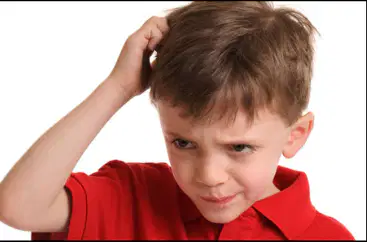
What is an example of the tip-of-the-tongue phenomenon?
Struggling to recall a familiar word or name
Not remembering someone's name because you never fully paid attention to it
Forgetting an old password after creating a new one
Difficulty remembering a new phone number because an old one keeps coming to mind
What is psychodynamic psychology primarily rooted in?
The ideas of Sigmund Freud
The ideas of Carl Jung
The ideas of B.F. Skinner
The ideas of Abraham Maslow
According to psychodynamic theorists, what is repression?
Forgetting memories to protect the ego from distress
Remembering all childhood events
Enhancing memory through therapy
Ignoring conscious thoughts
Which of the following is an example of repression according to psychodynamic psychology?
Forgetting a traumatic childhood event
Remembering every detail of childhood
Creating false memories
Suppressing positive emotions
What did Freud and psychodynamic psychology believe about forgotten information?
Some forgotten information may be repressed
All forgotten information is lost forever
Forgotten information is always conscious
Forgotten information is irrelevant
What is the inability to recall memories due to competing information called?
Retrieval
Interference
Encoding
Sensory memory
Which type of interference involves older learning disrupting the recall of new information?
Retroactive Interference
Proactive Interference
Sensory Interference
Encoding Interference
What is an example of proactive interference?
Forgetting your new address after moving
Calling your teacher by her maiden name after she has recently married
Remembering your old phone number
Learning a new language easily
Which type of interference involves newer learning disrupting the recall of old information?
Proactive Interference
Sensory Interference
Retroactive Interference
Encoding Interference
What is an example of retroactive interference?
Failing to remember your old address after you moved
Calling your teacher by her maiden name
Forgetting your new phone number
Remembering your childhood memories
What is constructive memory?
A type of recollection characterized by the utilization of basic insights retained in the memory to build a more thorough and intricate report of an experience.
A type of memory that is always accurate and never influenced by emotion.
A type of memory that only stores visual information.
A type of memory that cannot be changed over time.
What does the process of reconsolidation enable?
The update of a previously consolidated memory trace after its reactivation.
The permanent loss of all memory details.
The creation of new memories without any previous experience.
The prevention of memory distortion.
What is Imagination Inflation?
A type of memory distortion that occurs when imagining an event that never happened increases confidence in the memory of the event.
A process that erases old memories.
A method for improving memory accuracy.
A way to remember only factual information.
According to studies, what can lead to the creation of false memories?
Someone with authority telling us a story about something that happened in our life.
Only personal experience and direct observation.
Reading scientific articles about memory.
Watching movies about memory loss.
Who conducted experiments to test the concept of the misinformation effect by changing the wording of questions about a staged car crash?
Elizabeth Loftus
Sigmund Freud
Ivan Pavlov
B.F. Skinner
What is the misinformation effect?
A phenomenon where misleading information distorts one’s memory of an event
A process of learning through reinforcement
A method of improving memory recall
A type of memory loss due to aging
In Elizabeth Loftus's experiments, what caused witnesses to report differing speed estimates of a car crash?
The wording of the question
The color of the cars
The number of witnesses
The location of the accident
What does the diagram with two cars illustrate in the context of the misinformation effect?
How leading questions can alter memory of an event
The mechanics of a car crash
The process of car insurance claims
The effects of car color on accidents
What makes it difficult to determine whether a memory is real or false?
Memories always feel unreal
False memories feel as real as true memories
Only real memories are vivid
False memories are always forgotten
What is source amnesia?
Remembering every detail of an event
Impaired memory for how, where, or when information was learned
Forgetting the information itself
Remembering only the source of information
Which of the following contributes to the creation of false memories?
The misinformation effect
Perfect recall
Photographic memory
Selective attention
What is a perceptual illusion compared to in the context of memory?
A real event
A false memory
A vivid dream
A forgotten fact
What is the Mandela Effect an example of?
Accurate memory recall
False memories shared by many people
Source amnesia
Selective attention
What is one of the main challenges in defining and measuring intelligence according to the provided material?
It is universally agreed upon
It is a simple and straightforward process
It has been a complex and debated issue
It only applies to children
Researchers are divided on whether intelligence is:
Only a physical ability
A single general ability or consists of multiple specific abilities
Unrelated to cognitive tasks
Only measured by age
Which of the following is NOT considered a distinct ability according to some researchers?
Linguistic intelligence
Logical-mathematical intelligence
Spatial intelligence
Physical strength
How did early intelligence tests calculate IQ?
By dividing chronological age by mental age
By multiplying mental age by chronological age
By dividing mental age by chronological age
By adding mental age and chronological age
If a child has a mental age of 10 and a chronological age of 8, what would their IQ be according to the example provided?
80
100
125
10

