
 Worksheets
Fall 2025 World History FINAL - Study Guide and Practice
Total questions: 137
Worksheet time: 3hrs 31mins

a reform movement against the Roman Catholic Church that began in 1517; it resulted in the creation of new churches outside of Catholic control
Reformation
Indulgence
Purgatory
Humanism

a release from sin given by the Catholic church
fundamental
indulgence
predestination
Transubstantiation

What were the 95 Theses?
a Country music band.
the name of the Popes army
Martin Luther's arguments against the sale of Indulgences
the first translation of the Bible using the printing press, accompanied by a preface by leading, reform-minded priests

What was the Catholic Church's response to Martin Luther's 95 Theses?
Luther was excommunicated.
The Peace of Westphalia.
The Counsel of Trent.
They ignored it.
The Church adopted Luther's reform proposals.

According to Martin Luther, where is ultimate religious authority determined?
in the decisions of the Pope
in the Bible
in the actions of the priest or clergy
by general consensus of the parishioners (members of the church)

Which of the following was a significance of the printing press?
It destroyed the religious consensus of Europe by allowing Islamic texts to be copied and brought in to Europe.
There is no significance.
The cost of printing increased, thereby making reading more of a pursuit of the elites rather than the common people.
The production of written work was faster, therefore written works were available many more people.

How were the Protestant Reformation and the European Renaissance similar?
discouraged the growth of strong monarchs
were led by the military
encouraged people to question tradition
supported the return of the Roman Empire
What is vernacular mean?
Common language
Foreign language
Latin language
German language

Who were the Protestants?
people who went out and performed duties for the Church
people who were humanists
people who wanted fair treatment by the lords
people who protested against and broke with the Catholic Church
Which of the following definitions best aligns to the meaning of the word, sacrament?
a religious ceremony or ritual done to become closer to God and have stronger faith
a military duty to one's king or queen dedicating your life to the cause of the kingdom
a law that gives clergy the power to ask for money from the population
a declaration against faith that all Christians must take

The Reformation began as a way to change the ______ Church
Protestant
Catholic
Calvinist
Lutheran
What is heresy?
going against the teachings of the Catholic Church
dying for one's beliefs
going against Luther
treason

a great a desire for money or property; greed
espouse
avarice
impeccable
penitence

to make clear; to shed light on a situation.
elucidate
enumerate
equivocate
exonerate

a debate or discussion
contention
disputation
base
subtle
If someone is feeling penitent, how are they feeling?
they are feeling sorrow or regret for something wrong
they are feeling angry and upset at someone for hurting them
they are feeling depressed and sad for having lost a loved one
they are feeling anxious and "on-edge" due to an imminent danger

A German monk named ______ ______ (1483-1546) is known as the seminal and probably most important figure of the Protestant Reformation, having initiated a theological battle with the Catholic Church after having published his Ninety-five Theses of 1517.
(a)

During the time of the Protestant Reformation (16th-17th centuries), Germany was a single, unified country.
True
False

Which two operating practices of the Catholic Church did Martin Luther most object to?
simony (selling of church offices)
the selling of indulgences
the requirement for clergy to be celibate
required church tithe (tax to the church)
the prohibition against women in the clergy

One of the practices of the Catholic Church most loathed and rejected by Martin Luther was the selling of (a) , which granted a person absolution (or freedom) from the punishments for sin, as long as that person contributed financially to the Church.

Martin Luther is most well known for starting his "protest" against the Catholic Church by publishing his ______-____ ______ in 1517, which advocated, among other things, for the theological stance of "sola fide," or faith alone, for the basis of salvation (being saved) for the Christian believer.
(a)

Also known as Northern Renaissance humanism, the major goal of this movement was to reform the Catholic Church and to show the ability that all people had to reason and improve themselves. The best-known person from this movement was a scholar by the name of Desiderius Erasmus.
(a)
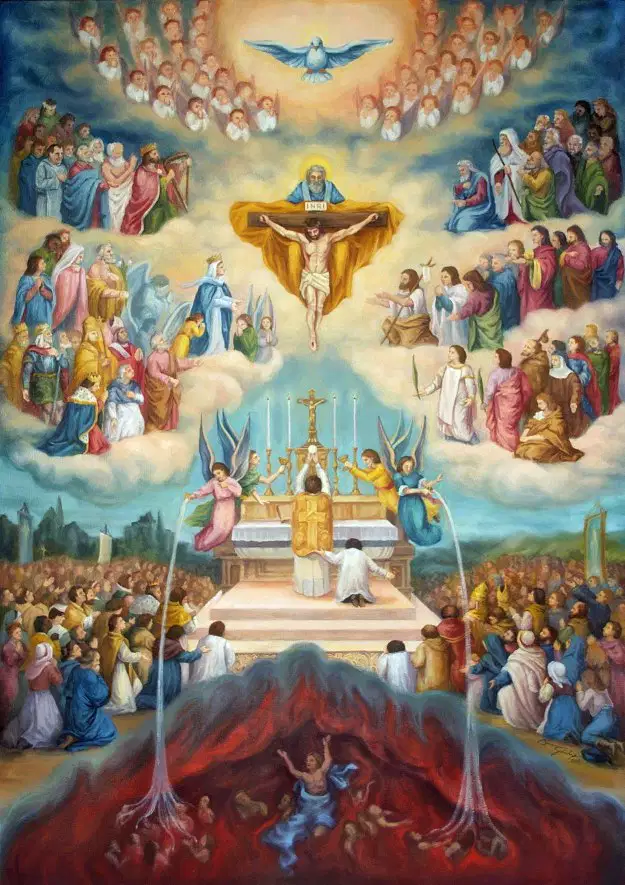
Having (a) in the Catholic faith means to be saved, and to get into Heaven.
What was the primary language of the Bible before Martin Luther translated it into the vernacular?
Greek
Latin
Hebrew
Aramaic
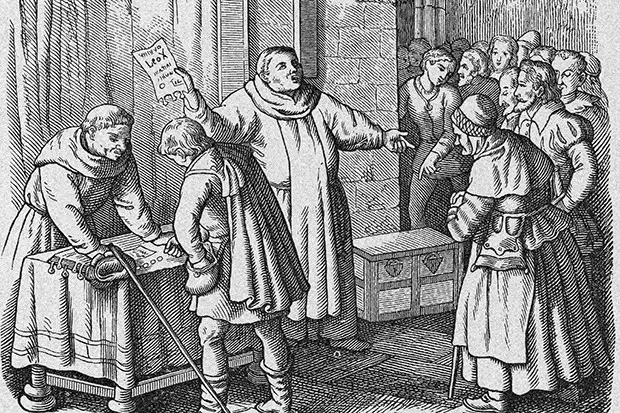
An (a) in the Catholic faith of the late middle ages was a release from all (or part) of punishment for sin by the Catholic Church, reducing time in purgatory (the "waiting room" before heaven/hell) after death. Martin Luther famously spoke out against this way of "buying one's way into heaven."
What does the word fundamental mean?
What does the word external mean?
What does the word valid mean?
The word 'valid' means correct or justifiable.
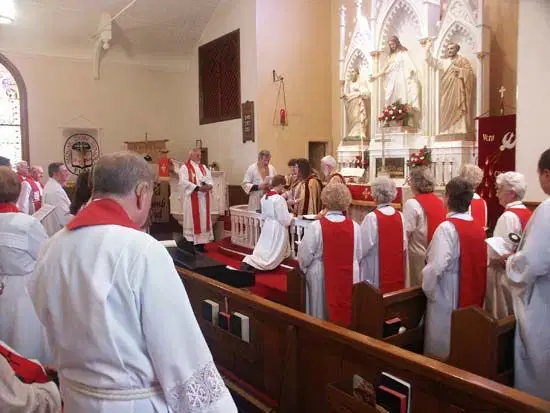
The first Protestant religion, organized as such, is known as (a) . Named after Martin Luther himself, it kept some of the trappings of Catholicism, but rejected much of the Church hierarchy (such as the validity of the Pope), as well as the veneration of saints.
What does the word publish mean?
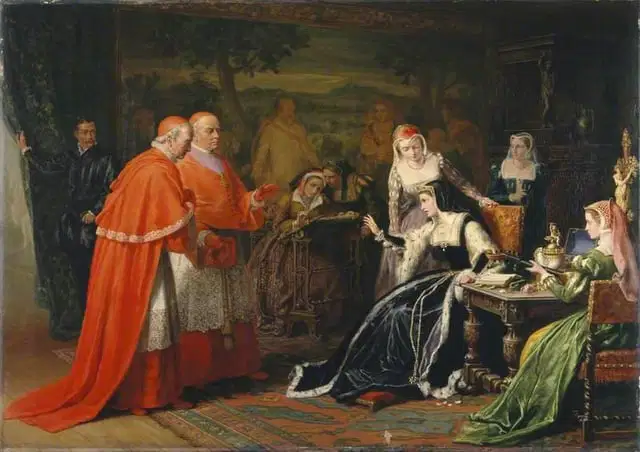
To (a) means to declare invalid. Famously King Henry VIII was seeking an annulment from his wife Catherine of Aragon (of Spain).
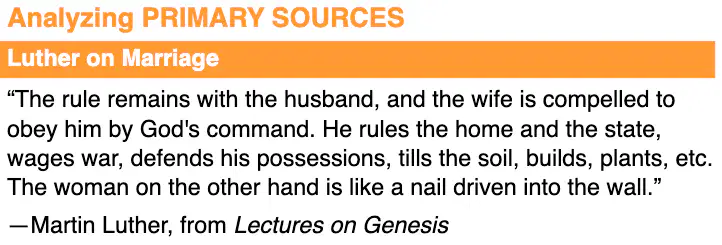
What is Martin Luther meaning here when he compares a woman to a nail driven in the wall?
He implies that women are the support that holds things together.

Why would Protestants have circulated images of events such as this burning of the Archbishop of Canterbury -- Thomas Cranmer -- by Mary I (a Catholic)?
To celebrate the triumph of Catholicism and push them towards it.
True/False: All Protestants were united in their beliefs.
True
False

Choose the correct word for the following sentence:
The styles of Renaissance architects (a) the influence of the ancient Greeks and Romans. They rediscovered the building of the dome and the use of large pillars for structural support.

Content Vocabulary:
What does "Renaissance" mean?
Reorder
Restructuring
Rebirth
Revise

When German peasants revolted against their land lord and princes in the 1520s, they often used Martin Luther and Lutheranism as rallying cry to support their cause. Martin Luther himself was happy with this and supported them.
True
False
Which of the following definitions best aligns to the meaning of the word, sacrament?
a religious ceremony or ritual done to become closer to God and have stronger faith
a military duty to one's king or queen dedicating your life to the cause of the kingdom
a law that gives clergy the power to ask for money from the population
a declaration against faith that all Christians must take
The Reformation began as a way to change the ______ Church
Protestant
Catholic
Calvinist
Lutheran
What is heresy?
going against the teachings of an established church
dying for one's beliefs
supporting an established religious organization against slander
treason against the state

Which time period of art does this BEST exemplify (show)?
Classical
Medieval
Renaissance
Modern

Which time period of art does this BEST exemplify?
Classical
Medieval
Renaissance
Modern
Which of the following words matches the definitions:
worldly, pertaining to the material (as opposed to the spiritual or religious); non-religious in nature; not belonging to a religious order.
Renaissance
Humanism
Secular
Perspective
Those who participated in the (a) movement studied texts of Greek and (b) thinkers, which inspired them to value active participation in public life.

If you are studying the Classics, what are you studying?
Writers and artists of the Renaissance (circa 14th-16th centuries CE)
Writers and artists of Ancient Greece and Rome (circa 700 BCE - 400 CE)
Writers and artists of the European Enlightenment (17th-18th centuries CE)
Writers and artists of the Romantic Period (18th and 19th centuries CE)
Writers and artists of the Medieval period (500-1400 CE)
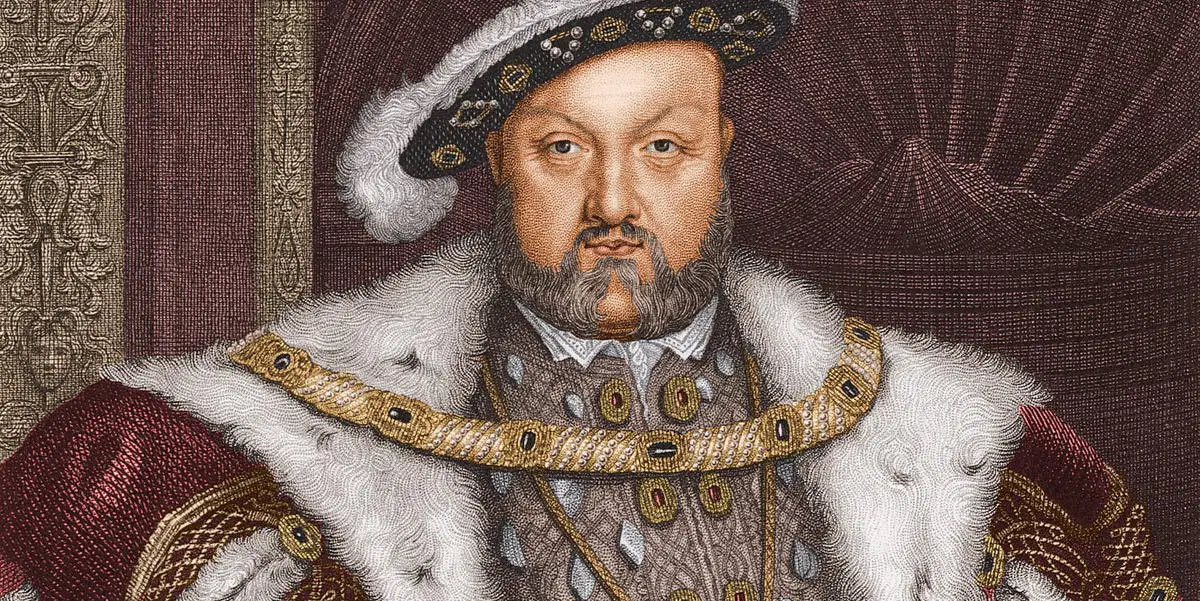
What did King Henry VIII of England want from the Pope ?
to receive a blessing for his reign
to request a new crown from the pope
to establish a new church in Englandt
to annul his marriage to Catherine of Aragon

What is the meaning of the academic vocabulary word 'dominate'?
to influence or control.
to ignore or avoid.
to create or invent.
to share equally.
What is the meaning of the academic vocabulary word 'decline'?
to change to a lower state or level.
to increase rapidly.
to remain unchanged.
to become more complex.
What is the meaning of the content vocabulary word 'mercenary'?
a soldier who fights primarily for pay.
a person who sells goods in a market.
a leader of a country.
a scientist who studies plants.
What is the meaning of the content vocabulary word 'republic'?
a form of government in which certain citizens have a right to vote.
a system where the king has absolute power over all citizens.
a type of government ruled by a single dictator.
a form of government where only nobles can vote.
What is the meaning of the content vocabulary word 'burgher'?
a member of the middle class who lived in a city or town.
a type of medieval weapon used in battles.
a large building found in ancient cities.
a traditional dish served during festivals.
What contributed (led) to the rise of the Italian states during the Renaissance?
Increased trade and commerce
Decline of agriculture
Isolation from other European countries
Lack of political organization
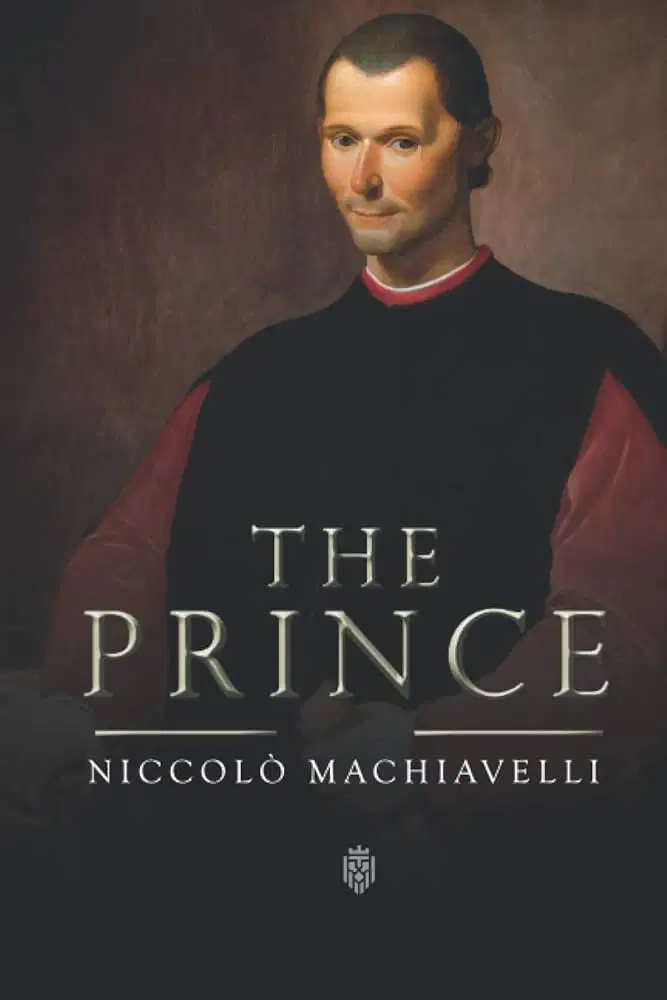
Machiavelli’s work influenced political power in the Western world by:
Encouraging rulers to use pragmatic and sometimes ruthless methods to maintain power
Promoting the idea of absolute monarchy as the only form of government
Advocating for complete separation of church and state in order to avoid the corruption of the church
Emphasizing the importance of hereditary rule above all else

Fill in the blank: A (a) is a soldier who is paid to fight.

What was the city of Venice particularly known for during the Renaissance period (c. 1400-1600)?
Being a religious center
Being a commercial center
Being a military center
Being an agricultural center
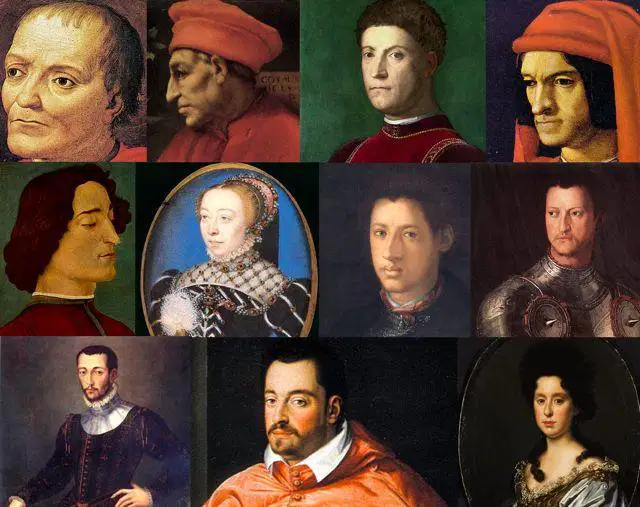
Florence became the cultural center of Italy under the control of which family?
The Medici
The Borgia
The Sforza
The Gonzaga
The Garibaldi
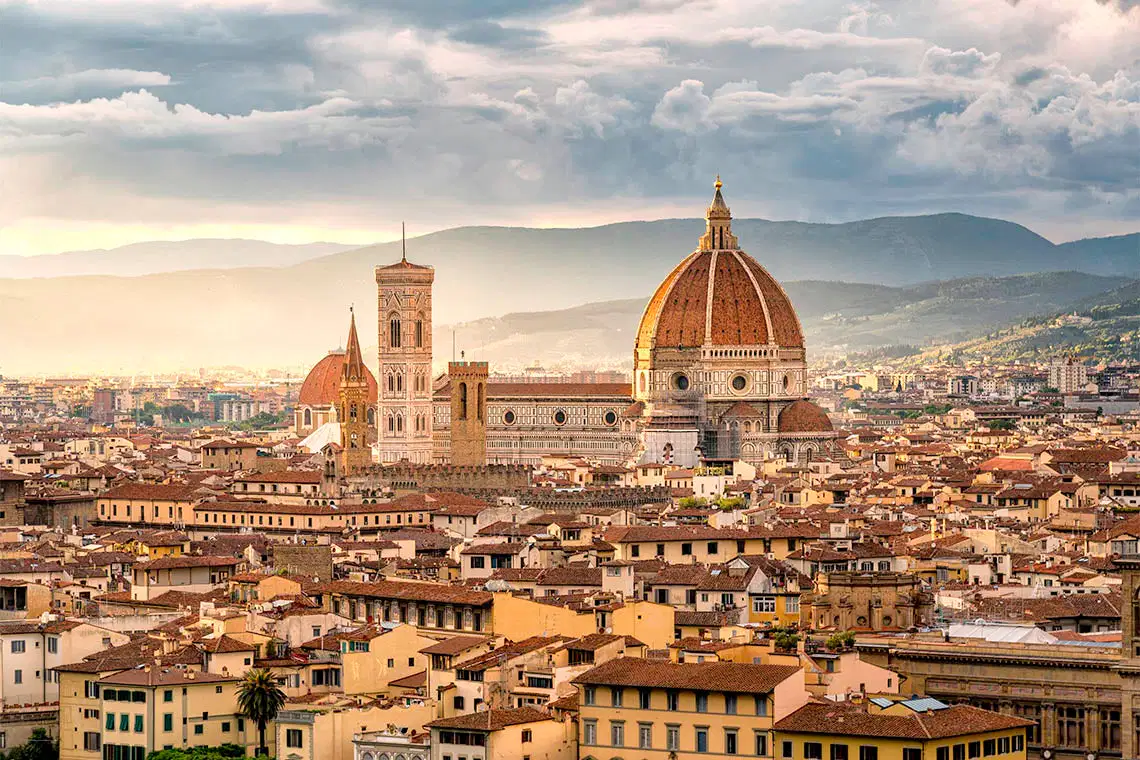
In the late 1400s, Florence experienced an economic decline. Most of its economy was based on manufacturing, or making, _______.
cloth
glass
pottery
jewelry
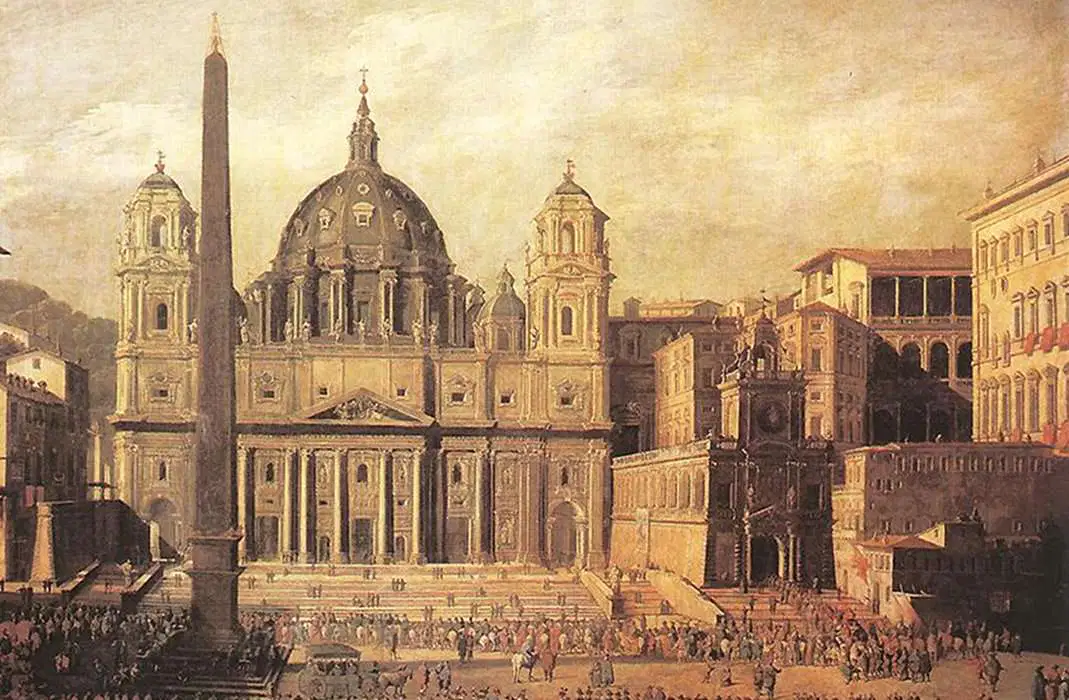
Which city was the capital of the territories known as the Papal States?
Florence
Venice
Rome
Naples
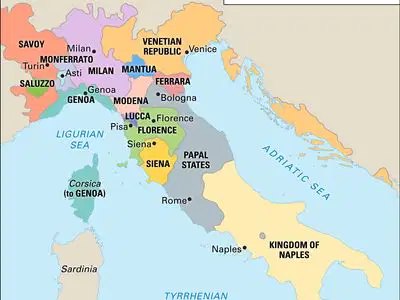
Map Skills: The Kingdom of Naples dominated which part of Italy?
Northern
Southern
Eastern
Western

Machiavelli might have argued that political activity should not be restricted by moral principles because:
he believed that effective rulers must sometimes do evil acts to hold power.
he thought moral principles were always more important than political success.
he believed that all political actions should be guided strictly by religious teachings.
he argued that moral principles naturally lead to political chaos.
Society during the Renaissance was characterized by:
a renewed interest in art, learning, & humanism
strict adherence to medieval traditions and the "Great Chain of Being"
isolation from other cultures, in particular that of the Muslims
a decline in intellectual pursuits across the board
During the Renaissance, which group dominated society and held important political positions?
Peasants
Nobles
Townspeople
Merchants
Burghers
During the Renaissance, peasants made up most of the European population.
True
False
Which group made up the urban class of shopkeepers, artisans, guild masters, and guild member in Renaissance cities?
Burghers
Nobles
Peasants
Unemployed
Knights
Who managed all finances in the center of the Italian family during the Renaissance?
The wife
The father-husband
The eldest child
The merchant

Contrasting: How does Castiglione’s view of the responsibilities of a ruling class differ from Machiavelli’s?
Castiglione emphasized moral virtue and education, while Machiavelli focused on pragmatic power and effectiveness.
Castiglione advocated for ruthless tactics, while Machiavelli promoted ethical leadership.
Both Castiglione and Machiavelli believed in absolute monarchy reinforced by the church, without regard for ethics.
Castiglione and Machiavelli shared identical views on ruling class responsibilities.
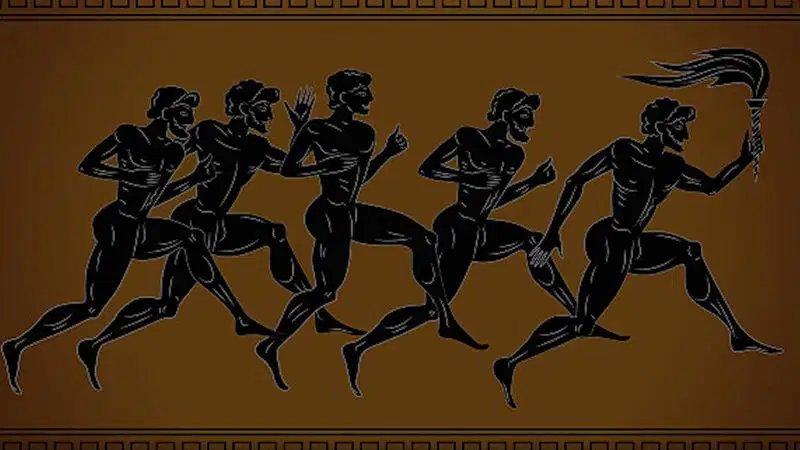
Directions: Match the correct terms to where they most accurately fit in the paragraph.
The ancient Greek civilization left an indelible mark on the world, with a (a) cultural identity that has maintained a remarkable (b) throughout the ages. At the heart of this legacy lies the (c) of Greek gods and goddesses, whose mythological tales have captivated the imaginations of people across the globe. From the towering achievements of philosophers like Socrates and Plato to the awe-inspiring architectural marvels of the Parthenon, the ancient Greeks have bequeathed a treasure trove of knowledge and artistic expression that continues to shape our understanding of the world.
Which Historical Reasoning Processes do the following questions ask you primarily to use?
a) Describe how society changed over time from 600 B.C.E. - 600 C.E. - (a)
b) Compare cultural developments of the Maya Civilization with those of the Ancient Greeks. - (b)
c) Which of the following, according to scholars, is NOT a reason that the Roman Empire declined? - (c)
Sourcing (S)
Reasoning (R)
How many years are in a millennium?
100 years
10 years
1 year
1,000 years

Ancient history happened ______.
before people developed writing
between 3,500 BC and 500 AD
after 500 AD
BCE and ______ represent the same era of time on a timeline.
BC
CE
AD
DC
AD and _____ represent the same era of time on a timeline.
BC
DC
BCE
CE

an arrangement of events in the order they happened or based on the time they have occurred
alphabetical
numerical
chronological
geographical
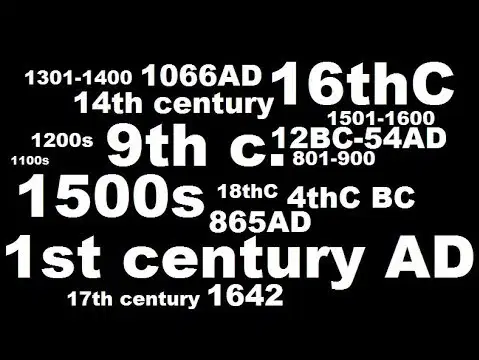
How long is a century?
1 year
10 years
100 years
1,000 years
How many years are in a decade?
1 year
10 years
100 years
1000 years

This Latin term is used to estimate a year if the exact year is unknown. It is often abbreviated as 'c.' and it means around or approximately.
For example: The painting was created c. 1500 BCE″, meaning the painting was likely created around the year 1500 BCE.
circa
contra
century
cum laude
context

Which sea was the Roman Empire at the height of its power primarily surrounding?
The (a) Sea
According to the map, during which time period did the Romans have control of the city of Babylon?
Before 10 CE.
Before the period c. 117 CE.
After the period c. 182 CE.
Never.
Around the year 117 CE.
According to the map, during the period between 117 C.E. and 182 C.E., the Romans (a) territory.
When one event triggers or sparks something else to happen, it's called (a) .
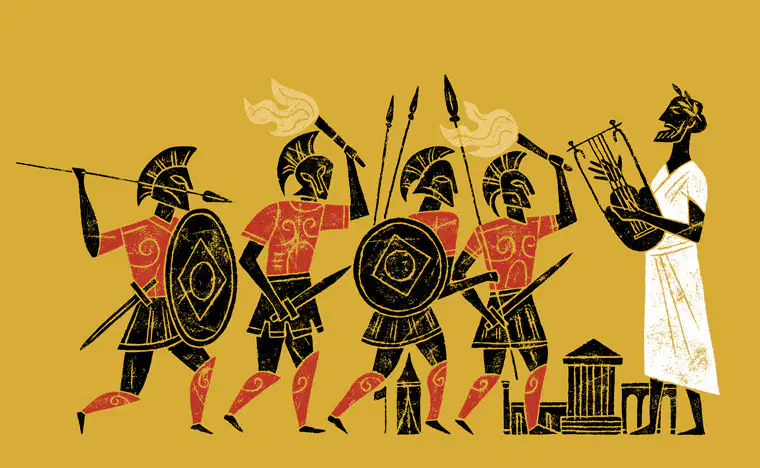
The Ancient (a) are known for having many different independently minded city-states, many bordering the Mediterranean sea, all with their own ideals and unique traits. Something that they all shared in common, however, was the same pantheon of gods. These gods were not like the Christian, Jewish, or Muslim God, however. They had frailties, including human traits such as jealousy, rage, lust, and humor.
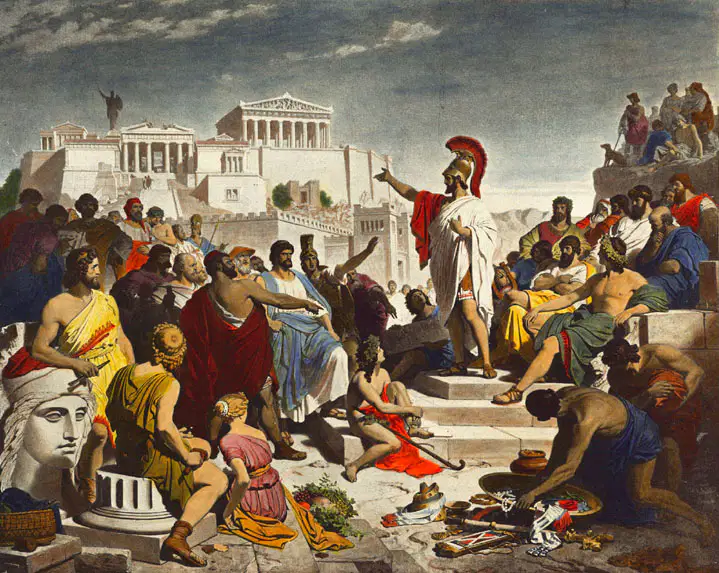
The ancient Greek city-state of Athens is known as having had a one of the world's first (a) , which is a system of government where a large part of the population has a say in and runs the government.

The Ancient Greek world can also be known as the (a) world, which basically means that Greek culture has spread there. This term is named after the heroine in the fabled Iliad, which tells of the Trojan War, a war fought over the fabled "Helen of Troy".
What does the term civic refer to?
Describing a historical event or time period of great change and turmoil
What does the term dignity refer to?
the ability to make decisions without guidance.
the inherent worth/respect that every individual has.
a measure of physical strength and endurance.
refers to a person's social status or wealth.
a legal term for rights and privileges.
What does the term divine refer to?
What does "barbarian" mean?
a violent and wild person
a well behaved person
a local person
a slave
What was the language of ancient Rome?
Greek
Italian
English
Latin

A wealthy, upperclass person in the Ancient Roman Republic
patrician
plebian
counsul
dictator

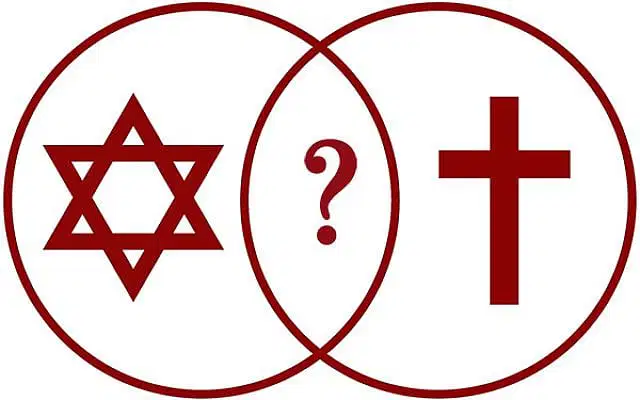
The following term relates to the shared ethical and religious traditions of Judaism and Christianity:
(a)
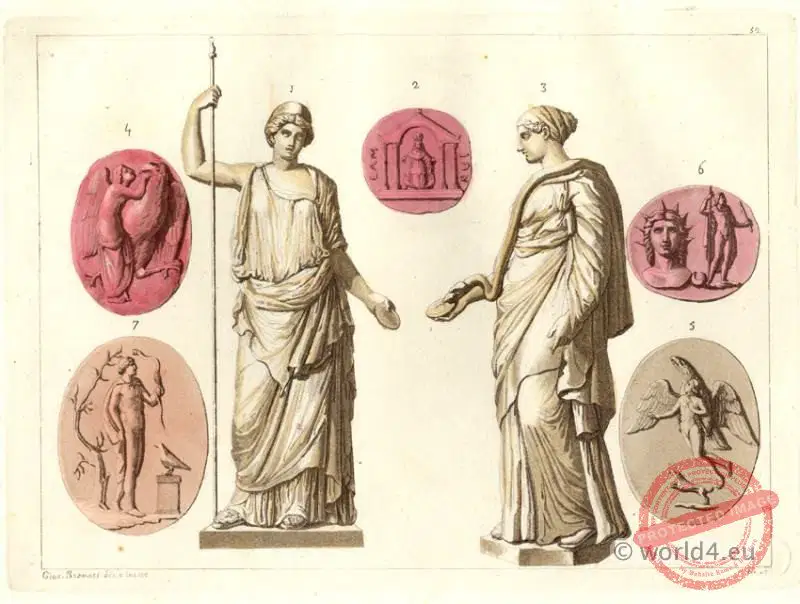
The following term relates to the ancient Greek and Roman civilizations and their combined cultural influence:
(a)

What is Roman Emperor Julian "the Apostate" best known for?
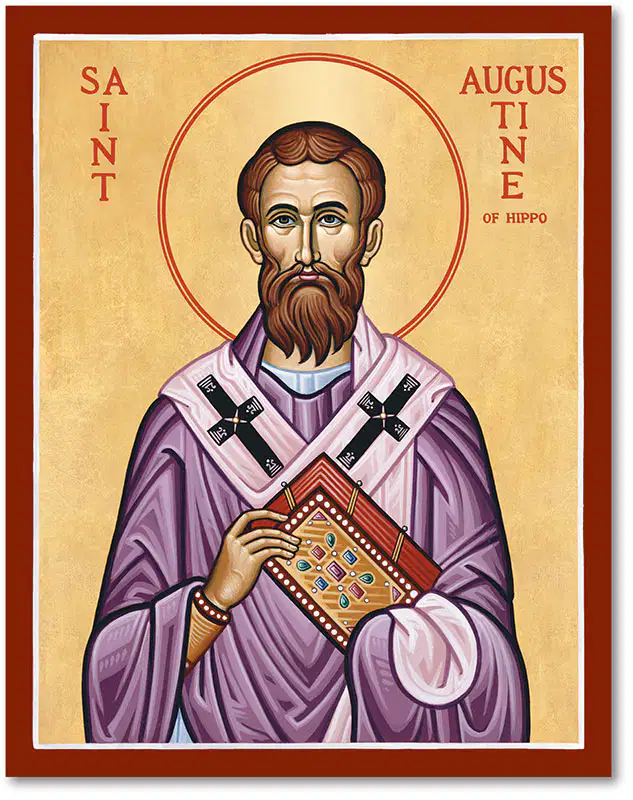
What is St. Augustine of Hippo (354 - 430 CE) best known for?
Directions: For the following scenarios, select which tradition best reflects it: Greco-Roman or Judeo-Christian.
civic virtue
equality before God
logic and observation
divine revelation
moderation, courage, and wisdom
natural beauty as a reflection of truth
a prophet teaching redemption
forgiveness and compassion
A devastating plague known as the _____ _____ wiped out one-third of the European population (as well as much of the population in other parts of the world) in the mid-1300's.
(a)
If you are sharing a part or passage of the Christian bible you are sharing the (a) (noun).
Relating to the period in history following Alexander the Great, when Greek language and culture spread throughout the Mediterranean and Near East regions is known as... (adjective).
(a)
relating to the duties or activities of people in relation to their town, city, or local
(adjective)
(a)
a system of government where power is vested in the people, who rule either directly or through elected representatives; comes from the Greek words demos ("people") and kratos ("rule")
(noun)
(a)
What is Euthyphro's Dilemma?
Euthyphro's Dilemma asks if morality is independent of God or defined by God.
a sudden desire or change of mind, especially one that is unusual or unexplained
Often used in the phrase "On a (a) "
(noun)
On what two continents can nations belonging to Latin America be found?
North and South America
South America and Asia
North America and Europe
Antarctica and South America
Which continent is Canada on?
North America
South America
Asia
Europe
What continent is Chile on?
North America
South America
Africa
Asia
What continent is Austria on?
North America
Europe
Africa
Asia
What continent is Senegal on?
North America
Europe
Africa
Asia
What continent is India on?
North America
South America
Africa
Asia
Label: Which Gulf is the following physical feature?
Gulf of Mexico
Match the following vocabulary words
an imaginary line drawn around the earth equally distance from both poles, dividing the world into northern and southern hemispheres
equator
the line of longitude set at 0 degrees (based from Greenwich England)
Prime Meridian
one of the halves that geographically divided the Earth in two
hemisphere
a measure of distance north or south of the equator
latitude
a measure of distance east or west of the prime meridian
longitude

Directions: Used the attached map of Australia to help you respond to the question.
Question: Which number label on the map corresponds to the Map Key or Legend?
Answer: Both _ and 4.
(a)
Directions: Used the attached map of Australia to help you respond to the question.
Question: Which number label on the map corresponds to the Compass Rose?
(a)
Directions: Used the attached map of Australia to help you respond to the question.
Question: Which number label on the map corresponds to the Map Title?
(a)
(a) is the study of the Earth, it's atmosphere, and of human activity.
Location
Where a place is and if it is near or far from other places.
Climate
The typical weather in a specific area
Natural Resources
Materials from Earth that are used to produce goods.

Which direction is highlighted in red?
North
West
East
South

Which direction is highlighted in red?
West
South
Northwest
Southeast

The compass rose is pointing
South
East
West
North

Which country is highlighted in green?
China
Japan
Vietname
North Korea

Which country is highlighted in red?
Russia
Germany
France
Greece

Name the country where the arrow is pointing.
Greece
England
Russia
France

What is the name of body of water?
Atlantic Ocean
Pacific Ocean
Mediterranean Sea
South China Sea

What is the name of the body of water?
Pacific Ocean
Atlantic Ocean
Mediterranean Sea
South China Sea

The cabins are ___________ of the tents.
North
East
South
West
The rowboats are ___________ of the campfire.
North
East
South
West


Location E is located at which coordinates?
30oS, 30oE
30oS, 30oW
10oS, 40oW
30oN, 90oE

The lines on which set of views best represents Earth's latitude system?



