
 Worksheets
Manual Transmission week 3
Total questions: 20
Worksheet time: 10mins
Which check is specific to cable or linkage-style clutch systems during routine maintenance?
Measure fluid contamination with tester
Inspect pedal free play for specification
Pressure-test master cylinder seals
Bleed slave cylinder to remove air
During hydraulic clutch service, which action best addresses fluid condition?
Resurface flywheel contact surface
Grease mechanical linkage pivot points
Adjust cable tension at the pedal
Perform scheduled fluid flushes and refills
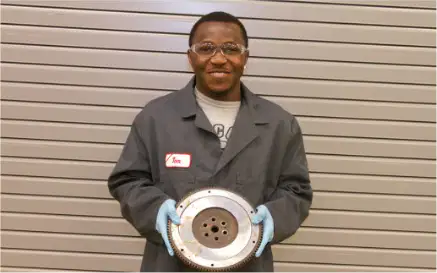
Which personal protective equipment is most essential when cleaning clutch dust?
Arc-rated face shield and hood
Steel-toe boots and knee pads
Hearing protection and earplugs
Safety goggles and protective clothing
Modern clutch linings commonly replace asbestos with which materials?
Organic resins with copper and ceramic
Natural rubber with steel shavings
Fiberglass with aluminum filings
Kevlar cloth with lead particles
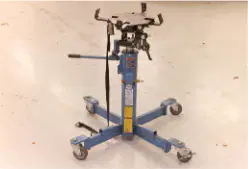
Which tool is primarily used to support the transmission during removal or installation?
Clutch alignment tool shaft
Dial indicator with magnetic base
Flywheel wrench with handle
Transmission jack with cradle
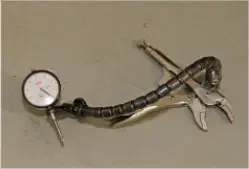
You need to verify flywheel runout before reassembly. Which tool and measurement concept should you use?
Flywheel wrench measuring torque angle
Dial indicator measuring end play
Alignment tool measuring spline wear
Clutch wash station measuring contamination
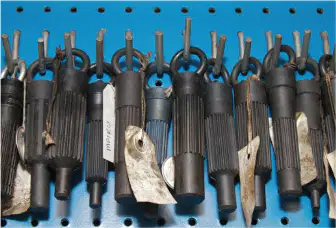
After installing a new clutch disc and pressure plate, how do you ensure the disc is centered to allow the input shaft to slide in?
Clamp the flywheel using a wrench
Support the gearbox with a jack
Measure runout with a dial indicator
Use a clutch alignment tool
Which step is part of preventative clutch maintenance to ensure proper pedal operation?
Disable the clutch safety switch entirely
Remove all pedal return springs permanently
Increase pedal travel beyond manufacturer spec
Check and compare clutch pedal free play
When inspecting hydraulic clutch systems, what should be verified about the lines?
Insulated with foam sleeves to reduce noise
Routed outside the firewall for easy access
Painted bright colors for quick identification
Not kinked or heavily rusted and secured
A vehicle shows inconsistent clutch engagement after rain. Which maintenance action best addresses possible fluid issues?
Grease the throwout bearing housing only
Replace the pressure plate without inspection
Check brake fluid for contamination and moisture
Adjust clutch pedal to increase free play
Which condition is a direct indicator of clutch wear in a manual transmission system?
Looser transmission mounts
Thicker pressure plate surface
Thinner friction disc material
Stiffer clutch pedal feel
What is a likely consequence of too little clutch pedal free play?
Springs apply maximum clamp force
Pedal travel increases significantly
Clutch fully releases every shift
Throw-out bearing remains in contact
A vehicle exhibits gear clash when shifting and moves slightly with the pedal depressed. Which adjustment best addresses this symptom?
Tighten engine mounts first
Replace synchronizers immediately
Increase clutch pedal free play
Reduce excessive free play
Which situation most commonly requires bleeding a hydraulic clutch system?
Routine oil service on a healthy system
After clutch system failure or component replacement
When upgrading to a performance clutch disc
Following tire rotation and brake inspection
During gravity bleeding of a clutch, what primarily moves fluid and air through the system?
Mechanical pedal pumping force
Vacuum generated by a hand pump
Pressure from a shop air regulator
Gravity acting from the master cylinder
Which tool or location is typically used to release trapped air from the clutch hydraulic circuit?
Return spring on the pedal assembly
Vent port on the transmission case
Reservoir filler cap on the master
Bleeder screw on the slave cylinder
A vehicle shows spongy clutch pedal feel and the fluid appears dark. Which maintenance action is most appropriate?
Flush the system due to aged or contaminated fluid
Bleed only using the manual method
Adjust cable tension at the firewall
Replace the pressure plate immediately
Which statement best distinguishes manual bleeding from pressure/vacuum bleeding?
Manual requires shop air; pressure/vacuum requires no tools
Manual relies gravity only; pressure/vacuum uses the bleeder screw
Manual is faster always; pressure/vacuum is only for emergencies
Manual uses pedal strokes; pressure/vacuum uses external equipment
Why is using inappropriate or old hydraulic fluid risky for clutch cylinders?
It causes immediate pedal stiffness only
It can lead to cylinder damage and leaks
It merely lowers engagement point slightly
It improves seal lubrication temporarily
What is the primary purpose of clutch pedal adjustment?
To increase engine power
To ensure proper clutch engagement and disengagement
To reduce vehicle weight
To improve fuel economy

