
 Worksheets
FA2/CP1/FQ4: The digestive & endocrine systems
Total questions: 15
Worksheet time: 19mins
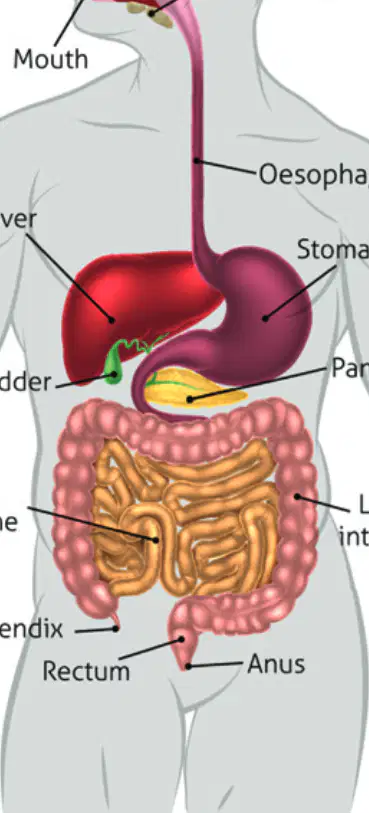
Which list best identifies accessory digestive organs that provide chemical juices aiding nutrient breakdown?
Mesentery, lymph, abdominal wall
Oesophagus, rectum, appendix
Mouth, stomach, large intestine
Pancreas, liver, gall bladder
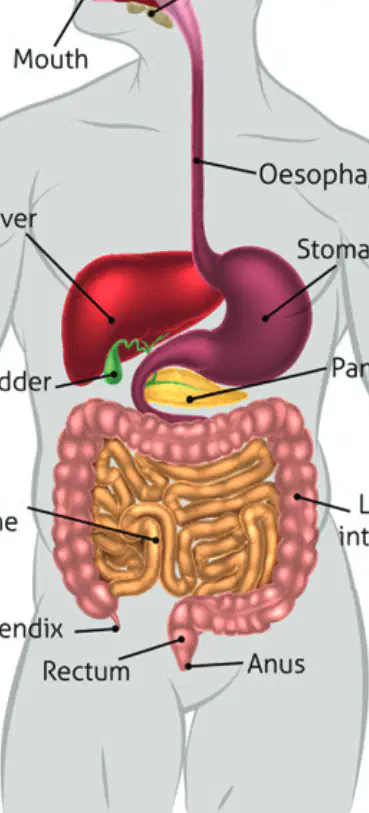
Match each digestive component to its primary role.
Gastro-intestinal tract
Transports and absorbs nutrients through sections
Mesentery
Anchors intestines and supplies lymph and blood
Hormones, enzymes, blood
Regulates digestion and moves nutrients to tissues
Salivary glands
Begins chemical breakdown of starches
A student anticipates eating and mouth-watering begins. Explain how this response contributes to the first stage of digestion and identify the nutrient initially targeted.
Which term describes the rhythmic muscular contractions that move the bolus along the oesophagus toward the stomach?
Pendular motion with alternating muscle swings
Haustration by colonic pouch movements
Peristalsis via coordinated muscle contractions
Segmentation through smooth muscle waves
Match each digestive location with its primary function in processing macronutrients.
Mouth
Mechanical digestion with saliva forming bolus
Stomach
Churning and acid action creating chyme
Duodenum of small intestine
Enzymatic breakdown by liver, pancreas, and gall bladder secretions
Villi of small intestine
Absorption into capillaries due to large surface area
A powerlifter increases resistance training volume. Explain how the digestive system must adapt through nutrient intake to support muscle repair and sustained movement. Include carbohydrates, proteins, and fats in your response.
Which statement best defines the endocrine system’s primary role in maintaining homeostasis?
Generating heat through muscle contractions during movement
Filtering blood to remove toxins through exocrine ducts
Secreting hormones that regulate processes across body systems
Sending electrical impulses for rapid responses across nerves
Match each major endocrine gland to a key function it regulates.
Hypothalamus
Directs pituitary to release hormones
Thyroid gland
Regulates metabolism and growth
Adrenal glands
Mediates stress responses and blood pressure
Pancreas
Controls blood glucose via insulin and glucagon
A patient shows elevated blood glucose after meals and low insulin levels. Explain which endocrine gland and hormone are primarily involved and how this disrupts homeostasis.
Which statement best explains how regular aerobic exercise influences insulin sensitivity in adults?
It decreases receptor density in muscle cells
It improves cellular response to insulin signaling
It raises fasting glucose through cortisol release
It suppresses pancreatic beta-cell activity
Match each hormone or substance released during intense exercise to its primary immediate effect.
Adrenaline
Constriction of some vessels to redirect blood
Glucagon
Mobilization of liver glycogen to glucose
Human growth hormone
Stimulation of tissue repair and growth
Testosterone
Increase in muscle protein synthesis

Which statement best describes how exercise influences stress hormones and recovery in the body?
Exercise elevates adrenaline and cortisol but aids their return to baseline
Exercise suppresses all stress hormones immediately and permanently
Exercise has no measurable effect on adrenaline or cortisol levels
Exercise elevates cortisol only while lowering adrenaline continuously
List two negative health outcomes associated with prolonged elevated cortisol levels.
Match each hormone or response with its primary short-term effect during stress.
Adrenaline
Increases cardiovascular activity
Cortisol
Alters metabolism and can raise blood glucose
Worry and tension
Redirects blood away from the gut
Label the digestive system

