
 Worksheets
Science Review
Total questions: 150
Worksheet time: 1hrs 15mins
Which statement describes the work of engineers and the work of scientists?
Engineers analyze data, and scientists do not.
Scientists often work in teams, and engineers do not.
Both are interested in understanding the natural world.
Both follow a series of steps to find solutions to problems.
How are models used in the engineering design process?
Models are lists of needs to be addressed.
Models are things that can be tested and analyzed.
Models are the final products sold to consumers.
Models are tables of data that can be sorted and analyzed.
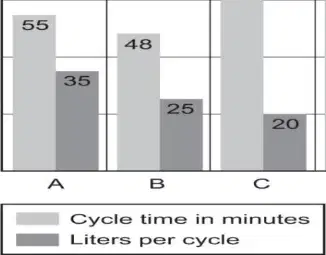
Engineers want to develop a more efficient dishwasher by decreasing the running time and the amount of water used per cycle. They design and test four different dishwasher prototypes. The bar graph shows the results of their tests. Which model best meets the design criteria? Circle the letter of the correct answer.
Model A
Model B
Model C
Model D
Nina plays catcher on her softball team. She wants to design a better mitt to catch the ball. Which step should she do first?
build a prototype
test her prototype
tell her team what she learns
make conclusions about solutions
Sometimes a new product is test-marketed. A limited amount of the product is released to a select group of users. Then the group is observed carefully to see how the product performs. Which step might occur in the design process after a product is test-marketed and before large amounts are produced for sale?
The design is detailed in drawings.
The design is measured and evaluated.
The product is put on store shelves for sale.
The product is redesigned based on evidence that is observed and gathered.
On her way to school every day, Crissy needs to cross a creek that is five feet wide. The solution to her problem must be safe and easy to use, and she cannot ever get wet. She can use only a rope and some boards that are ten feet long. She brainstorms four ideas. Which idea meets all of her criteria and constraints?
She can build a sailboat.
She can swim across the creek.
She can tie the boards together to make a bridge.
She can tie the rope to a small tree branch and swing across.
How can scientists continue to improve safety in cars with airbags?
Test the airbags for one type of car.
Count the number of car crashes in a year.
Analyze the types of car crashes and injuries in a year.
Compare the number of car crashes in a year for cars with airbags and cars without airbags.
Which technology would help a town reduce the air pollution it makes?
gas lamps on city streets
coal-burning stoves for heat
cars that run on electric energy
automatic sprinklers on the golf courses
Which statement supports the claim that relying only on fossil fuels is bad for the environment?
A news reporter thinks that burning coal does not hurt the environment.
A government study shows that cars pollute the air by burning gas and oil.
A business selling natural gas says natural gas is the best way to heat people’s homes.
A solar panel advertisement shows solar energy is cheaper than using fossil fuels.
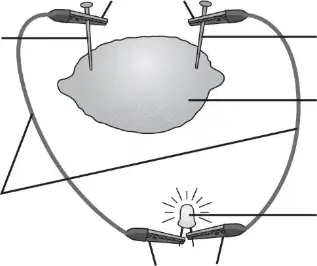
Jose and Marla were challenged to design a battery to light a small light bulb. Their batteries are shown in the picture. Compare the two batteries. Which battery meets the criterion of the challenge, and how could the other battery be improved?
Jose’s design worked; Marla should use a different type of nail.
Jose’s design worked; Marla should use a different type of wire.
Marla’s design worked; Jose should use a different type of fruit.
Marla’s design worked; Jose should use a different type of clip.
Engineers make design changes to improve technologies based on society’s changing needs. Match the reason for the change to the technology. Cell phones are made with larger storage to hold the videos that the cameras can now take. Choose the reason for change.
Increases benefits
Decreases known risks
Meets new demands
Engineers make design changes to improve technologies based on society’s changing needs. Match the reason for the change to the technology. A toy whose batteries catch fire is replaced with safer batteries. Choose the reason for change.
Increases benefits
Decreases known risks
Meets new demands
Engineers make design changes to improve technologies based on society’s changing needs. Match the reason for the change to the technology. An oven is designed with separate compartments for different temperature needs. Choose the reason for change.
Increases benefits
Decreases known risks
Meets new demands
Before an engineer can install solar panels on a home, they do tasks that require math and science. Decide if the task requires the use of math or science to complete. provide a cost estimate
math
science
Before an engineer can install solar panels on a home, they do tasks that require math and science. Decide if the task requires the use of math or science to complete. study the local climate
math
science
Before an engineer can install solar panels on a home, they do tasks that require math and science. Decide if the task requires the use of math or science to complete. measure the angle of the roof
math
science
Before an engineer can install solar panels on a home, they do tasks that require math and science. Decide if the task requires the use of math or science to complete. calculate the energy required to power the house
math
science
Before an engineer can install solar panels on a home, they do tasks that require math and science. Decide if the task requires the use of math or science to complete. observe the shadows that cross the roof throughout the day
math
science
Mr. Jackson’s students do an experiment using a golf ball, a plastic ball, and a small rubber ball. They drop each ball in the same place from a height of two meters. The changed variable in this experiment was the ________. Choose the correct word.
type of ball
type of flooring
height the ball bounced
height the ball was dropped from
Mr. Jackson’s students do an experiment using a golf ball, a plastic ball, and a small rubber ball. They drop each ball in the same place from a height of two meters. The ________ and ________ were kept the same. Select all that apply.
type of ball
type of flooring
height the ball bounced
height the ball was dropped from
Fred wants to design a shirt that will help keep him cooler and that does not stain. He has some ideas about what to research. Select all of the topics he should research.
fabrics that dry quickly
fabrics that are waterproof
fabrics that have sunscreen
fabrics that are easy to clean
fabrics that do not absorb heat
Isabelle is an engineer at a car company. She wants to design a device that will make cars safer and is easy to use while driving. She has four ideas. For each idea, choose whether it is Easy to Use While Driving, Makes Car Safer, or Both Safer and Easy to Use. automatic seat belts
Easy to Use While Driving
Makes Car Safer
Both Safer and Easy to Use
Isabelle is an engineer at a car company. She wants to design a device that will make cars safer and is easy to use while driving. She has four ideas. For each idea, choose whether it is Easy to Use While Driving, Makes Car Safer, or Both Safer and Easy to Use. television with remote control
Easy to Use While Driving
Makes Car Safer
Both Safer and Easy to Use
Isabelle is an engineer at a car company. She wants to design a device that will make cars safer and is easy to use while driving. She has four ideas. For each idea, choose whether it is Easy to Use While Driving, Makes Car Safer, or Both Safer and Easy to Use. lights that flash as music plays
Easy to Use While Driving
Makes Car Safer
Both Safer and Easy to Use
Isabelle is an engineer at a car company. She wants to design a device that will make cars safer and is easy to use while driving. She has four ideas. For each idea, choose whether it is Easy to Use While Driving, Makes Car Safer, or Both Safer and Easy to Use. a switch under the hood that controls top speed
Easy to Use While Driving
Makes Car Safer
Both Safer and Easy to Use
The students design an investigation to test if the pencil cases hold the required objects. Their steps are listed. Decide if each step is needed for a fair test. Record the results of the investigation.
Yes
No
The students design an investigation to test if the pencil cases hold the required objects. Their steps are listed. Decide if each step is needed for a fair test. Measure the length or width of each case.
Yes
No
The students design an investigation to test if the pencil cases hold the required objects. Their steps are listed. Decide if each step is needed for a fair test. Have different people repeat the investigation.
Yes
No
The students design an investigation to test if the pencil cases hold the required objects. Their steps are listed. Decide if each step is needed for a fair test. Put 5 pencils, 2 pens, and 1 eraser in each case.
Yes
No
The students design an investigation to test if the pencil cases hold the required objects. Their steps are listed. Decide if each step is needed for a fair test. Tell each other how to repeat the investigation without writing it down.
Yes
No
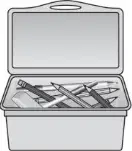
Students in a class are assigned the task of making their own pencil cases. Each case should hold at least 5 pencils, 2 pens, and 1 eraser. Students should finish the case in one class period. The teacher allows students to discuss their ideas with each other. The pictures show the students’ designs. Which question should the students research before starting this assignment? Circle the letter of the correct answer.
Did it take less than one class period to make?
What is the length of pencils, pens, and erasers?
What is the weight of pencils, pens, and erasers?
What are the criteria and constraints of this problem?
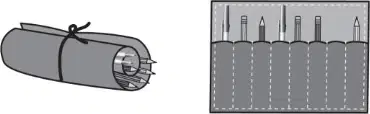
Students in a class are assigned the task of making their own pencil cases. Each case should hold at least 5 pencils, 2 pens, and 1 eraser. Students should finish the case in one class period. The teacher allows students to discuss their ideas with each other. The pictures show the students’ designs. Why did the teacher suggest that the students talk to each other about their design ideas? Circle the letters of two correct answers.
Sharing ideas leads to improved designs.
Students will all make the same design.
He does not want them to waste time by coming up with their own ideas.
He does not think the students can do the task on their own without help.
They may not need to refine their design as many times if they discuss their ideas.
Choose the correct word for the sentence using the word bank: problem, solutions, conclusion, criteria, background research, constraints, more brainstorming, brainstorming. After a ______ has been identified, it is important to do background work to learn as much as possible about the issue.
problem
conclusion
solutions
criteria
constraints
Choose the correct word for the sentence using the word bank: problem, solutions, conclusion, criteria, background research, constraints, more brainstorming, brainstorming. It is important to do ______ to learn as much as possible about the issue.
background research
more brainstorming
brainstorming
conclusion
criteria
Choose the correct word for the sentence using the word bank: problem, solutions, conclusion, criteria, background research, constraints, more brainstorming, brainstorming. This will lead to a more complete set of ______ and constraints.
criteria
solutions
conclusion
problem
brainstorming
Choose the correct word for the sentence using the word bank: problem, solutions, conclusion, criteria, background research, constraints, more brainstorming, brainstorming. This will lead to a more complete set of criteria and ______.
constraints
solutions
conclusion
brainstorming
more brainstorming
Reflect on problem-solving patterns. Number the design process steps 1–5 in order. Which step is number 1?
Identify a purpose/problem/goal.
Brainstorm possible solutions.
Choose and test the best solution.
Evaluate the test results.
Modify and retest the solution.
Reflect on problem-solving patterns. Number the design process steps 1–5 in order. Which step is number 2?
Identify a purpose/problem/goal.
Brainstorm possible solutions.
Choose and test the best solution.
Evaluate the test results.
Modify and retest the solution.
Reflect on problem-solving patterns. Number the design process steps 1–5 in order. Which step is number 3?
Identify a purpose/problem/goal.
Brainstorm possible solutions.
Choose and test the best solution.
Evaluate the test results.
Modify and retest the solution.
Reflect on problem-solving patterns. Number the design process steps 1–5 in order. Which step is number 4?
Identify a purpose/problem/goal.
Brainstorm possible solutions.
Choose and test the best solution.
Evaluate the test results.
Modify and retest the solution.
Reflect on problem-solving patterns. Number the design process steps 1–5 in order. Which step is number 5?
Identify a purpose/problem/goal.
Brainstorm possible solutions.
Choose and test the best solution.
Evaluate the test results.
Modify and retest the solution.
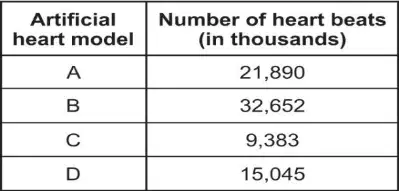
The design criteria for a new artificial heart include testing how long it can last. The table shows how long each model worked before showing wear. Which model should be used and why?
Model B because it lasted the most heartbeats before showing wear.
Model A because it lasted the fewest heartbeats and is easier to replace.
Model C because it showed wear the quickest.
Model D because it had a middle number of heartbeats.
Explain how engineers improved vision technology over time. Number the steps from 1 to 5. Which step happened first?
Scientists observed that glasses were not the best option for active people.
Scientists described possible options for vision correction.
Scientists created a thin, glass lens that fit on the eye.
Scientists asked people how they liked the new form of vision correction.
Scientists developed a more comfortable, lighter lens that fit on the eye.
Explain how engineers improved vision technology over time. Number the steps from 1 to 5. Which step happened second?
Scientists observed that glasses were not the best option for active people.
Scientists described possible options for vision correction.
Scientists created a thin, glass lens that fit on the eye.
Scientists asked people how they liked the new form of vision correction.
Scientists developed a more comfortable, lighter lens that fit on the eye.
Explain how engineers improved vision technology over time. Number the steps from 1 to 5. Which step happened third?
Scientists observed that glasses were not the best option for active people.
Scientists described possible options for vision correction.
Scientists created a thin, glass lens that fit on the eye.
Scientists asked people how they liked the new form of vision correction.
Scientists developed a more comfortable, lighter lens that fit on the eye.
Explain how engineers improved vision technology over time. Number the steps from 1 to 5. Which step happened fourth?
Scientists observed that glasses were not the best option for active people.
Scientists described possible options for vision correction.
Scientists created a thin, glass lens that fit on the eye.
Scientists asked people how they liked the new form of vision correction.
Scientists developed a more comfortable, lighter lens that fit on the eye.
Explain how engineers improved vision technology over time. Number the steps from 1 to 5. Which step happened fifth?
Scientists observed that glasses were not the best option for active people.
Scientists described possible options for vision correction.
Scientists created a thin, glass lens that fit on the eye.
Scientists asked people how they liked the new form of vision correction.
Scientists developed a more comfortable, lighter lens that fit on the eye.

Students test if pencil cases hold the required objects. Decide if the step is needed for a fair test: Put 5 pencils, 2 pens, and 1 eraser in each case.
Yes
No

Students test if pencil cases hold the required objects. Decide if the step is needed for a fair test: Measure the length or width of each case.
Yes
No

Students test if pencil cases hold the required objects. Decide if the step is needed for a fair test: Record the results of the investigation.
Yes
No

Students test if pencil cases hold the required objects. Decide if the step is needed for a fair test: Tell each other how to repeat the investigation without writing it down.
Yes
No

Students test if pencil cases hold the required objects. Decide if the step is needed for a fair test: Have different people repeat the investigation.
Yes
No
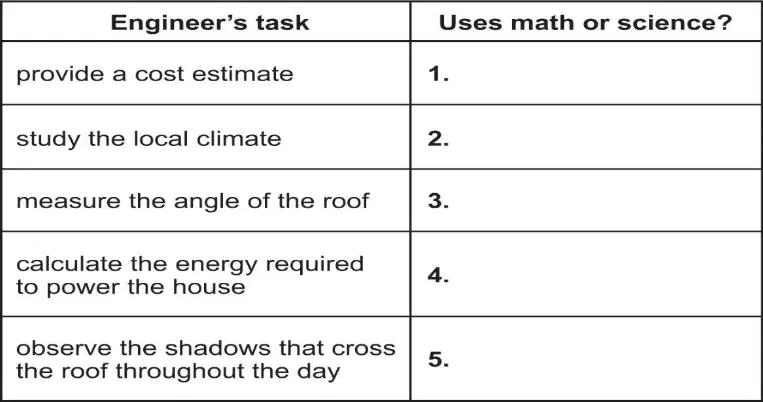
Before installing solar panels, engineers do tasks using math or science. Identify whether the task mainly uses math or science: provide a cost estimate.
math
science
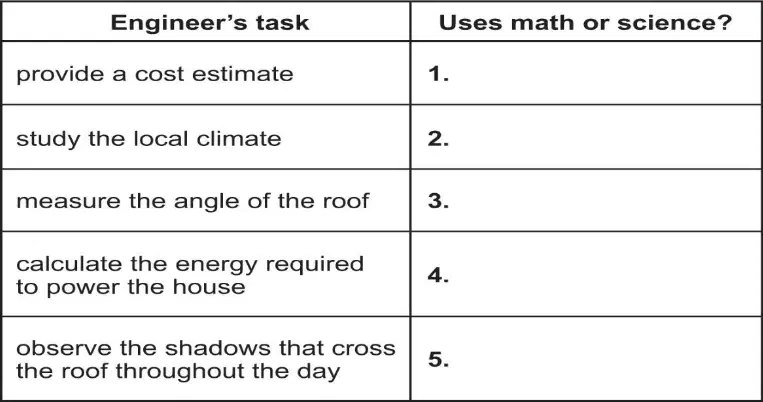
Before installing solar panels, engineers do tasks using math or science. Identify whether the task mainly uses math or science: study the local climate.
math
science
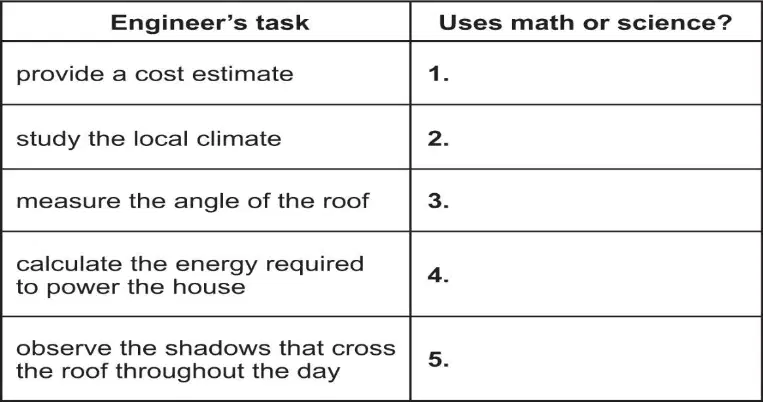
Before installing solar panels, engineers do tasks using math or science. Identify whether the task mainly uses math or science: measure the angle of the roof.
math
science
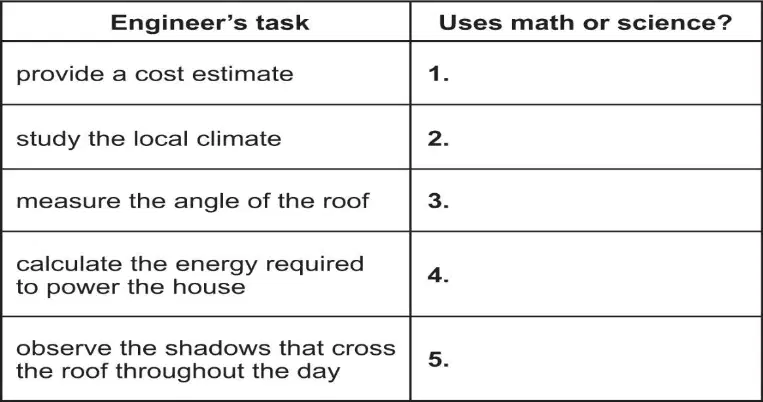
Before installing solar panels, engineers do tasks using math or science. Identify whether the task mainly uses math or science: calculate the energy required to power the house.
math
science
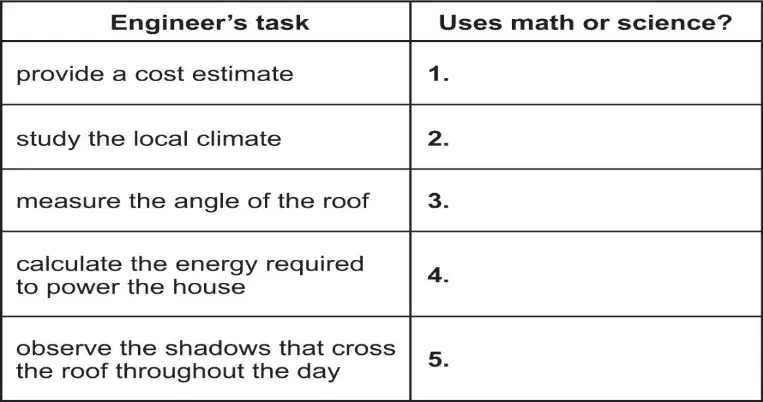
Before installing solar panels, engineers do tasks using math or science. Identify whether the task mainly uses math or science: observe the shadows that cross the roof throughout the day.
math
science
Mr. Jackson’s students drop a golf ball, a plastic ball, and a rubber ball in the same place from a height of two meters. Identify the changed variable in this experiment.
type of ball
type of flooring
height the ball bounced
height the ball was dropped from
Mr. Jackson’s students drop a golf ball, a plastic ball, and a rubber ball in the same place from a height of two meters. Identify the two things that were kept the same.
type of ball
type of flooring
height the ball bounced
height the ball was dropped from
Ming wants to find out if air takes up space. Which experiment would best help her find this out? Circle the letter of the correct answer.
Fill a cup with water. Fill another cup with air. Weigh both cups.
Weigh an empty metal container. Place a lid on it. Weigh it again.
Blow up a balloon. Tie a knot to make sure it is closed. Try to flatten the balloon.
Put red food coloring in an empty bottle. Place a cap on the bottle. Shake the bottle to see if the air inside turns red.
Which is true about a gas? Circle the letter of the correct answer.
It changes to a liquid when it heats up.
It takes up a definite amount of space.
It takes up a definite amount of space but does not have a definite shape.
It does not take up a definite amount of space and does not have a definite shape.
What is matter? Circle the letter of the correct answer.
anything that takes up space
the amount of matter an object has
the amount of space an object takes up
the measure of how warm something is
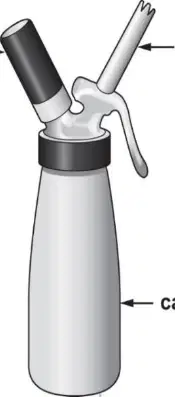
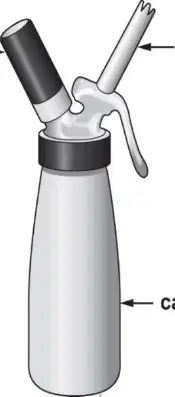
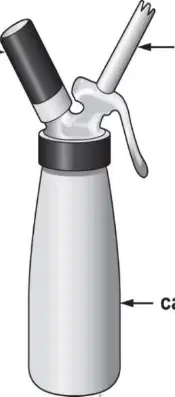
How do the properties of gases, liquids, and solids help the whipped-cream dispenser work? This metal container is a 1. _________. Attached is a charger filled with nitrous oxide, which is a 2. _________. The cream inside the canister is a 3. _________. Both the gas and the 4. _________ take on the shape of the 5. _________ charger and canister, but after they mix, they take on their own shape as whipped cream.
gas
solid
liquid
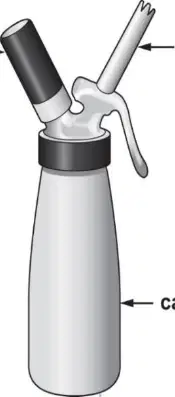
In the whipped-cream dispenser sentence above, choose the best word to complete blank 2: Attached is a charger filled with nitrous oxide, which is a _________.
gas
solid
liquid
In the whipped-cream dispenser sentence above, choose the best word to complete blank 3: The cream inside the canister is a _________.
gas
solid
liquid
In the whipped-cream dispenser sentence above, choose the best word to complete blank 4: Both the gas and the _________ take on the shape of the charger and canister.
gas
solid
liquid
In the whipped-cream dispenser sentence above, choose the best word to complete blank 5: Both the gas and the liquid take on the shape of the _________ charger and canister.
gas
solid
liquid
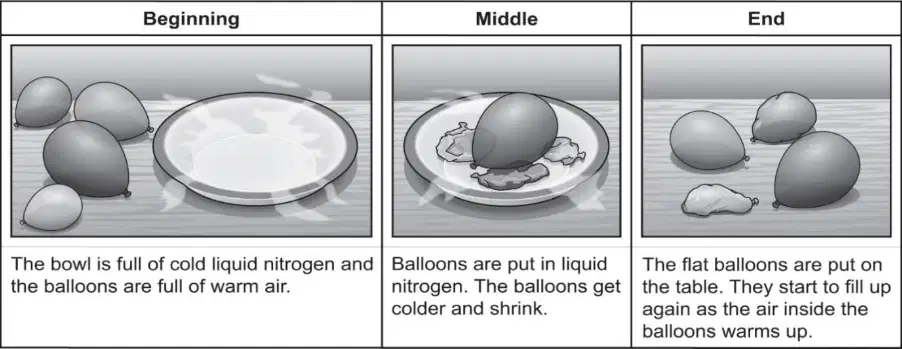
How can Sanjay model and explain the balloon’s changes in the liquid nitrogen experiment? Model shows beginning with warm air balloons, middle with balloons placed in cold liquid nitrogen and shrinking, and end with flat balloons warming and filling again.
Air outside becomes colder than inside the balloon.
Air outside becomes warmer than inside the balloon.
Air outside stays the same temperature as inside the balloon.
Air inside becomes colder than outside the balloon.
How does temperature change affect the balloon’s size and shape? In the results table, choose the correct word for blank 1: Liquid is ________ than inside the balloon.
colder
warmer
How does temperature change affect the balloon’s size and shape? In the results table, choose the correct word for blank 2: Particles are moving ________ at the beginning.
slowly
quickly
How does temperature change affect the balloon’s size and shape? In the results table, choose the correct word for blank 3: During the middle, particles move more ________.
slowly
quickly
How does temperature change affect the balloon’s size and shape? In the results table, choose the correct phrase for blank 4: In the middle, the balloon ________.
gets smaller
gets larger
How does temperature change affect the balloon’s size and shape? In the results table, choose the correct phrase for blank 5: At the end, the balloon ________.
gets smaller
gets larger
Why did the balloon change shape?
Cooling made air particles move more slowly so the air took up less space and the balloon shrank.
Cooling created more air inside the balloon so it expanded.
Liquid nitrogen dissolved the balloon material completely.
The string on the balloon tightened and squeezed it smaller.
What will happen if the balloon is put in hot water?
It will get larger as the air warms and particles move faster.
It will stay the same size because heating does not affect gases.
It will get smaller because hot water removes air.
It will turn into a solid and lose its shape.
Explain why Sanjay cannot see air molecules but knows they are there.
Air molecules are too small to see, but they take up space and can inflate the balloon.
Air molecules are visible only in the dark.
Air does not take up space, so molecules cannot be seen.
Air disappears when cooled, so it cannot be observed.
Ari makes six star-shaped cookies out of dough. He puts all of the cookies on a balance and measures the total mass as 36 grams. He then pushes the cookies into one big ball and measures the mass. What is the mass of the entire ball?
26 grams
30 grams
36 grams
42 grams
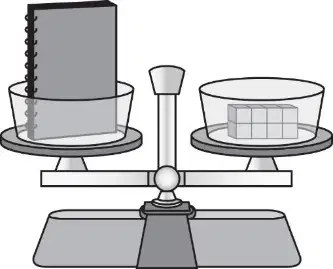
Ashley placed a notebook and sugar cubes on a scale. Which of these describes the mass of the notebook and sugar cubes?
The notebook and the sugar cubes have no mass.
The notebook has less mass than the sugar cubes.
The notebook and the sugar cubes have the same mass.
The notebook has a greater mass than the sugar cubes.
Emma is studying the physical properties of a rock. She puts water in a cylinder and then puts the rock into the cylinder. Which property is Emma measuring?
mass
texture
volume
temperature
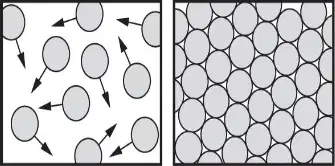
These three pictures show the particles in a solid, a liquid, and a gas. Which number is correctly paired with the state of matter?
1: liquid
2: solid
3: gas
Which statement describes the shape of a solid?
It has its own shape.
It does not have shape.
It takes the shape of its container.
It changes shape with temperature.
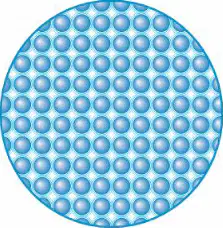
Label each model with the term that describes the state of matter for the left circle model showing tightly packed particles.
solid
liquid
gas
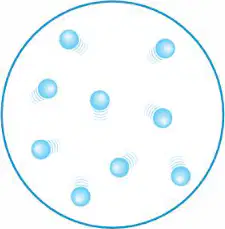
Label each model with the term that describes the state of matter for the middle circle model showing few particles spread out.
solid
liquid
gas
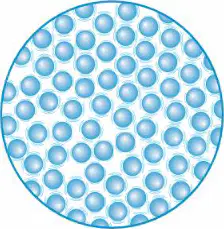
Label each model with the term that describes the state of matter for the right circle model showing close particles that can move past one another.
solid
liquid
gas
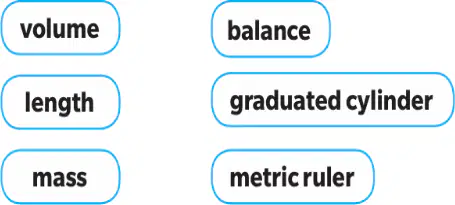
Draw lines to match the tools in the right-hand column with the things they measure. Convert to questions: Which tool is used to measure mass?
balance
graduated cylinder
metric ruler
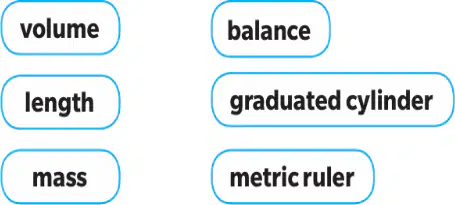
Draw lines to match the tools in the right-hand column with the things they measure. Convert to questions: Which tool is used to measure volume?
balance
graduated cylinder
metric ruler
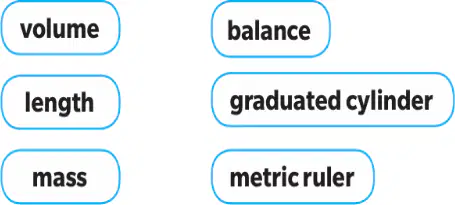
Draw lines to match the tools in the right-hand column with the things they measure. Convert to questions: Which tool is used to measure length?
balance
graduated cylinder
metric ruler
Which of these are considered matter? Select all that apply.
a feeling of happiness
a thought
a chicken laying an egg
a container filled with milk
bowling pins set up on an alley
Which property of matter did you use to answer Question 17?
Matter has mass and takes up space.
Matter can only be seen with a microscope.
Matter always changes temperature.
Matter is invisible to tools.
Which object has the property of conducting electricity? Circle the letter of the correct answer.
foam cup
metal fork
plastic knife
wooden spoon
The list describes ways substances changed: 1. Powdered sugar dissolves in water. 2. A solid candy bar melts into a liquid. 3. Paper catches on fire and turns into ash. 4. Several metals are mixed together to form an alloy. Which numbers from the list describe a solution? Circle the letter of the correct answer.
1 and 4
2 and 3
3 and 4
1, 2, and 4
Match each property of an eraser to how it might work. Choose the best description. If the eraser is flexible, which description is most accurate?
It will break.
It will be used up too fast.
It will rub a hole in the paper.
It will bend enough with the movement.
A phase change occurs when matter changes from one state to another (solid, liquid, gas). Complete the table by selecting the correct term for each blank. For a solid to become a liquid, which term best completes: Add or remove energy — ______.
add energy
remove energy
freezing
gas
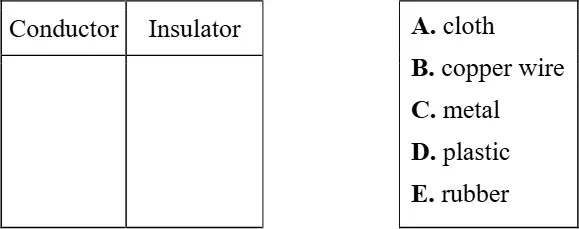
Mara wants to prevent her candy bar from melting at the park. She tests different materials to see which ones stop or allow heat to pass through. For each material below, choose whether it is a conductor (allows heat to pass) or an insulator (prevents heat transfer). Cloth is a ______.
conductor
insulator
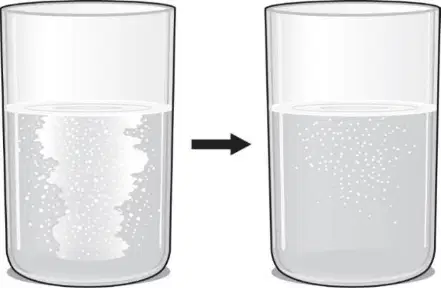
Casey wants to make a sugary fruit drink. She pours white powder into a glass of water. The pictures show the powder before and after stirring. Explain whether the contents of the glass are solution, mixture, or alloy.
solution
mixture
alloy
Suppose you were asked to identify the desirable properties of the glass used in fire trucks. Select all of the terms that describe the desirable properties.
breaks easily
withstands high temperatures
expensive
easy to replace
melts easily
Why is a vegetable salad considered a mixture?
The particles are very small.
The vegetables can be put together easily.
Each part keeps its own identity.
All of the colors and flavors fit well together.
A scientist has a small container of ocean water. She wants to keep it from changing so that she can study it further. Her lab gets a lot of sunlight every day. What can she do to keep the ocean water from changing?
Cover the container.
Increase the temperature of the container.
Separate the water into different containers.
Add more plain water to the container.
Read each question. Follow the instructions to answer the questions. When a candle wick burns, the wax around the wick melts and appears to become smaller in size. Which statement is true? Circle the letter of the correct answer.
All the changes taking place are physical changes.
All the changes taking place are chemical changes.
The weight of the matter is greater before it is burned.
The weight of the matter is the same before and after it is burned.
A half-eaten apple is left on a counter and turns brown. Which of these is evidence a chemical change took place? Circle the letter of the correct answer.
The apple is softer.
The apple changed color.
Half of the apple was eaten.
The apple is warmer to the touch.
Tyler puts a ball of clay into a glass of water to find the volume. Next, he flattens the ball into a pancake shape. Then he puts the clay in the water again. What will happen to the volume of Tyler’s piece of clay? Circle the letter of the correct answer.
The volume of the flattened clay will be twice the volume of the round clay.
The volume of the flattened clay will be one-half the volume of the round clay.
The volume of the flattened clay will be one-fourth the volume of the round clay.
The volume of the flattened clay will be the same as the volume of the round clay.
What happened to the black metal after Kelsey and Mickey poured one ounce of water on it every three days for five weeks, causing it to become covered with orange powder, while the shiny silver metal stayed the same? Why did the black metal lose weight, dropping from 10 ounces to 8.5 ounces after the orange powder was scraped off? The black metal was iron. When iron is exposed to water, it forms _________.
rust
mold
mass
metal
What happened to the black metal after Kelsey and Mickey poured one ounce of water on it every three days for five weeks, causing it to become covered with orange powder, while the shiny silver metal stayed the same? Why did the black metal lose weight, dropping from 10 ounces to 8.5 ounces after the orange powder was scraped off? The girls learned in class about conservation of _________.
rust
mass
metal
mold
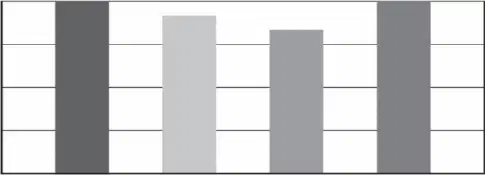
What happened to the water in the two pots that were boiled at the same temperature and for the same amount of time—one with the lid on and one with the lid off—and how did the graph show changes in their water weights before heating, during boiling, and after cooling?
Both pots lost the same amount of water; the graph shows equal heights for all bars.
The pot with no lid lost water as steam and weighed less after heating; the lidded pot kept most of its water as condensed liquid and weighed closer to its starting amount; the graph shows a larger decrease for the no‑lid bar after heating.
The lidded pot lost more water than the pot with no lid; the graph shows the lidded bar lower after heating.
Neither pot changed in weight; the graph shows identical bars before and after heating.
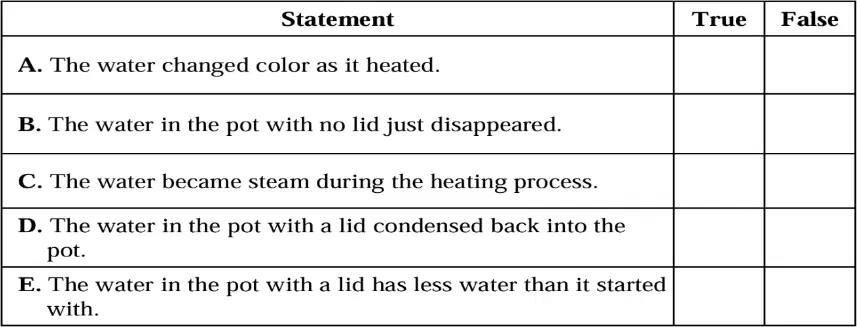
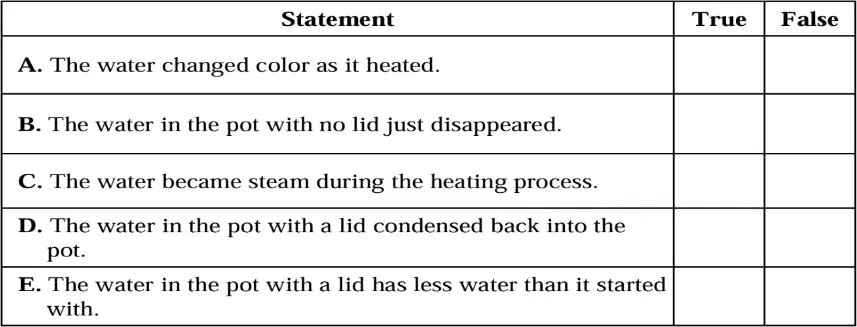
Using the graph, decide whether this sentence is true or false: The water changed color as it heated.
True
False
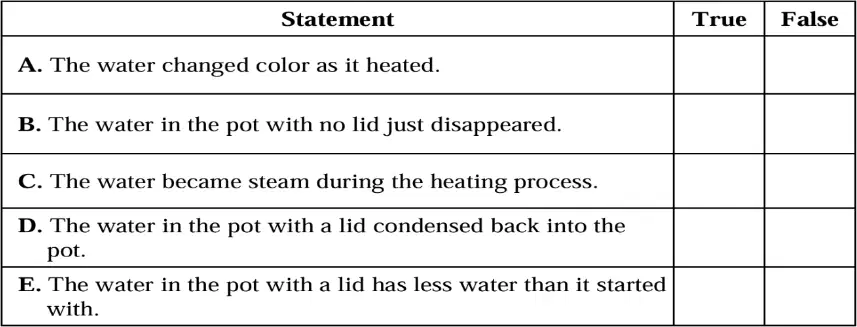
Using the graph, decide whether this sentence is true or false: The water in the pot with no lid just disappeared.
True
False
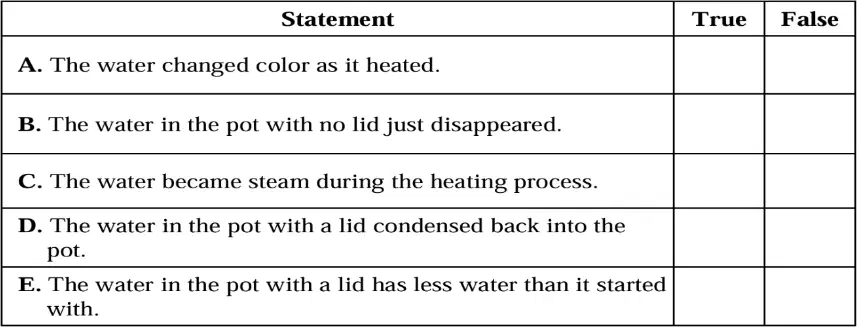
Using the graph, decide whether this sentence is true or false: The water became steam during the heating process.
True
False
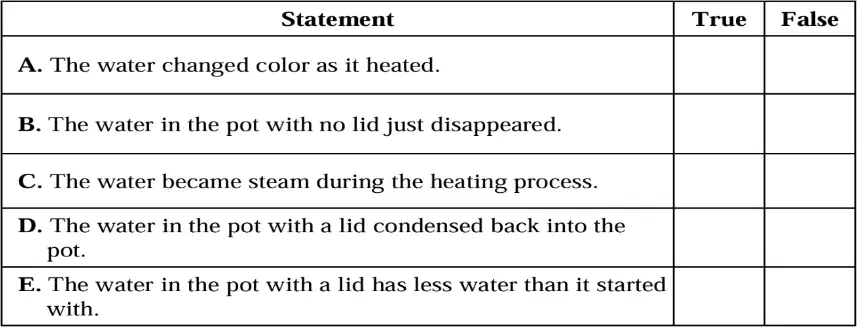
Using the graph, decide whether this sentence is true or false: The water in the pot with a lid condensed back into the pot.
True
False
Using the graph, decide whether this sentence is true or false: The water in the pot with a lid has less water than it started with.
True
False
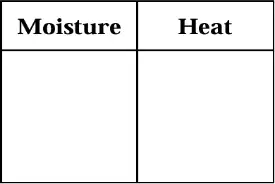
Jarell was testing different materials to study chemical changes. He knew new materials form when a chemical change happens. After observing each reaction, what caused the chemical change? For each statement, choose Moisture or Heat as the cause: Rocks erode.
Moisture
Heat
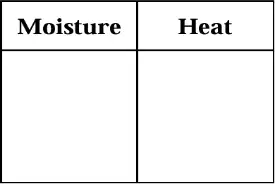
Jarell was testing different materials to study chemical changes. He knew new materials form when a chemical change happens. After observing each reaction, what caused the chemical change? For each statement, choose Moisture or Heat as the cause: Nails get rusty.
Moisture
Heat

Jarell was testing different materials to study chemical changes. He knew new materials form when a chemical change happens. After observing each reaction, what caused the chemical change? For each statement, choose Moisture or Heat as the cause: Wood becomes ash and gases.
Moisture
Heat
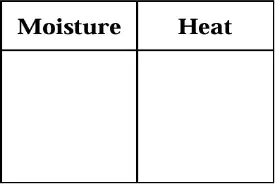
Jarell was testing different materials to study chemical changes. He knew new materials form when a chemical change happens. After observing each reaction, what caused the chemical change? For each statement, choose Moisture or Heat as the cause: Leaves break down into compost.
Moisture
Heat
Antoine placed some metal in a sealed container filled with air and measured the total weight as 250 grams. He then heated the container until the metal changed color. After heating, what should he predict about the weight of the closed container—will it be greater than 250 grams, equal to 250 grams, or less than 250 grams—and why?
Greater than 250 grams because heating adds mass.
Equal to 250 grams because the container is sealed and mass is conserved.
Less than 250 grams because the metal lost weight when it changed color.
Greater than 250 grams because gases from heating escaped.
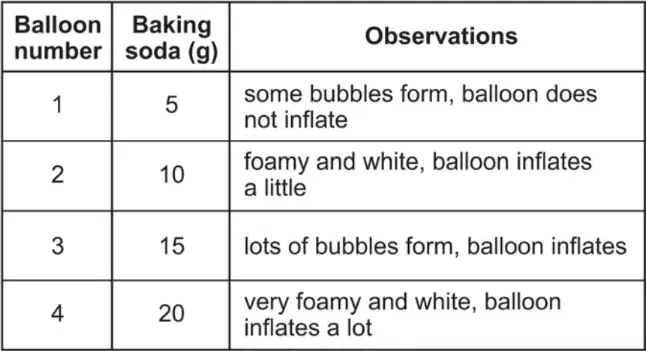
LaToya measured 60 milliliters of vinegar into a bottle. She measured 5 grams of baking soda into a balloon. She placed the balloon over the top of the bottle and shook the baking soda into the vinegar. She repeated these steps, adding 10 , 15 , and 20 grams of baking soda. She put her observations in a table. Which conclusion is supported by her data?
When more vinegar was added, a larger volume of solid formed.
When more baking soda was added, a larger volume of gas formed.
Changing the mass of baking soda did not change the results of the investigation.
Changing the volume of vinegar changed the reaction from a physical to a chemical change.
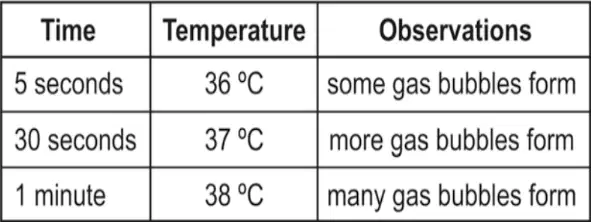
Joyce measured 60 milliliters of hydrogen peroxide into a beaker and measured its temperature. She added yeast to the hydrogen peroxide and stirred the beaker. She measured the temperature at three different times in degrees Celsius ( ∘ C). She wrote down her measurements and observations in a table. Which sentence describes her results?
Stirring caused the temperature to increase and fewer bubbles to form.
A physical change caused the temperature to decrease and bubbles to form.
A chemical change caused the temperature to increase and more bubbles to form.
Mixing two substances caused the temperature to decrease and fewer bubbles to form.
Charles makes three mixtures of milk and peanut butter. He puts lids on each container and freezes each mixture. Measurements: Container 1— 10 grams milk, 11 grams total mass, 11 grams frozen mass; Container 2— 20 grams milk, 21 grams total mass, 21 grams frozen mass; Container 3— 30 grams milk, 31 grams total mass, 31 grams frozen mass. Circle the letters of all the statements that describe the patterns in the mixtures.
The mass of the mixtures do not change in the freezer.
Charles added the same amount of milk to each container.
The total mass is the sum of all the ingredients for each mixture.
Charles added the same amount of peanut butter to each container.
Tania is going to make soup. She combines 225 grams of water with 300 grams of condensed soup. Tania then adds 50 grams of celery and 10 grams of carrots. How much soup does Tania have before she warms it on the stove?
565 grams
575 grams
585 grams
595 grams
Natasha puts 2 ounces of hot chocolate powder into 8 ounces of water. She mixes them together. Natasha heats the hot chocolate mixture for one minute. Circle the letters of the phrases that describe the mixture after mixing.
mass stays the same
mass is 10 ounces

Malia puts 225 grams of water in a pot on the stove. She heats the water. She checks the pot in 5 minutes and notices there seems to be less water. She checks it again every 5 minutes. How much water has turned into water vapor, and how much remains in the pot as time goes by? Write one letter in each box to correctly complete the table. At 10 minutes, how many grams of water remain?
20
40
185
205
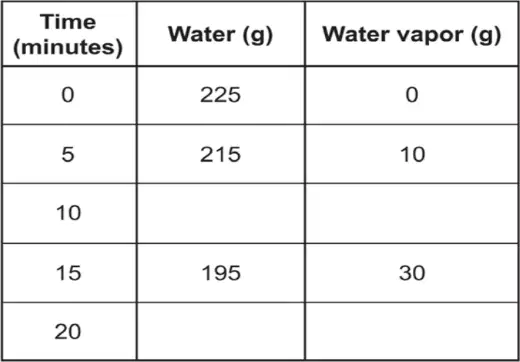
Malia puts 225 grams of water in a pot on the stove. She heats the water. She checks the pot in 5 minutes and notices there seems to be less water. She checks it again every 5 minutes. How much water has turned into water vapor, and how much remains in the pot as time goes by? Write one letter in each box to correctly complete the table. At 20 minutes, how many grams of water remain?
20
40
185
205
What can plants do that animals cannot do? Circle the letter of the correct answer.
Plants can grow and change.
Plants can move to find food.
Plants can make their own food.
Gail puts a green plant in a closed wooden box. She gives it good soil and plenty of water. What will happen to the plant? Circle the letter of the correct answer.
It will die because living things need oxygen.
It will die because it does not get any sunlight.
It will grow slowly because it also needs plant food.
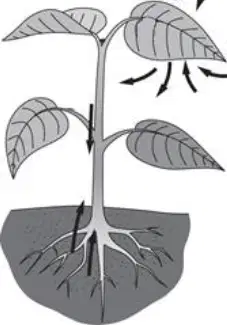
The picture shows the movement of matter and energy that occurs during photosynthesis. Circle the letters of all the statements that apply.
Sugar is entering the leaf, and water vapor is exiting.
Water vapor and air are entering the leaf, and waste is exiting.
Energy from the soil is being transferred to the leaves of the plant.
Think about plants. List three things a plant needs to make sugar. Convert your response to a multi-select by choosing all that apply.
air
water
sunlight
Besides sugar, what does a plant make? Choose the correct answer.
oxygen
carbon dioxide
soil
Plants, mice, snakes, and hawks live in a prairie area. How is the plant different from the snake? Circle the letter of the correct answer.
The plant is a consumer and the snake is a producer.
The plant is an herbivore and the snake is a carnivore.
The plant is a producer and the snake is a consumer.
The plant is a carnivore and the snake is an herbivore.
The list describes what some living things do: 1. grow 2. stay warm 3. repair their bodies 4. get energy from the sun. Which numbers represent ways that animals use energy? Circle the letter of the correct answer.
1 and 2 only
1, 2, and 3 only
2 and 3 only
2, 3, and 4 only
What do all animals need for growth? Circle the letter of the correct answer.
air, soil, and food
sunlight and water
air, water, and food
sunlight, nutrients, and water
In a food chain, plants use sunshine and water to make food. Insects are 1. _________ that eat the plants. Choose the correct role.
consumers
decomposers
producers
Organisms such as worms are 2. _________; they break down dead animals and plants into nutrients that help new organisms grow. Choose the correct role.
consumers
decomposers
producers
Nutrients help new 3. _________ grow. Choose the correct role for the living things that make food.
consumers
decomposers
producers
In cold climates, mammals like polar bears stay warm using energy from their food. How does this food help them stay warm? Number the steps of the food‑energy cycle from first to last. Which option shows the correct order using the numbered statements below? 1) Movement uses energy and causes the need for more food, keeping body temperature constant. 2) Chemicals in an animal’s body break down food into nutrients. 3) Nutrients in plants give animals energy to grow and move. 4) Movement causes an animal’s body temperature to rise. 5) Energy from sunlight helps plants produce food.
5, 3, 2, 4, 1
5, 2, 3, 4, 1
2, 5, 3, 1, 4
3, 2, 5, 4, 1
The picture shows some living things found in an ocean environment: shark, green algae, small fish, and sea lion. Explain how the animals and plants in the ocean interact to meet all their needs. Choose the best explanation.
Animals get energy directly from sunlight, and plants eat small fish.
Green algae use sunlight to make food; small fish eat algae; sea lions and sharks eat fish.
Sea lions eat algae, and sharks make food for fish.
Fish and sea lions produce food, and sharks eat plants.
Identify additional resources Jackie could use to write her report about the ocean environment. Select all that apply.
Science books or encyclopedias from the library
Reliable science websites and databases
Interviews with marine biologists or aquarium staff
Her personal opinion without research
Explain why the sea lion is both a predator and prey in this ocean environment. Choose the best explanation.
It eats small fish but can be hunted by sharks.
It eats algae and is never hunted by other animals.
It makes its own food and does not eat other organisms.
It only eats dead animals and therefore is not prey.
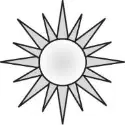
The diagram includes a producer and a consumer. What do the arrows represent?
Matter is transferred from the sun, to the grass, to the cow.
Matter is transferred from the cow, to the grass, to the sun.
Energy is transferred from the sun, to the grass, to the cow.
Energy is transferred from the cow, to the grass, to the sun.
A bee collects nectar from a flower. The nectar is taken back to the beehive, where it is made into honey. The honey is used as food for the entire beehive. Where does the energy of the honey originally come from?
bee
flower
sugar
sun
Students test how less sunlight affects an aquarium ecosystem. All tanks have the same plants and fish but receive different sunlight hours. What should they measure?
the temperature of the water
the growth of plants and animals
how much food they feed the plants
how much water they put in the tank
Which of the following show(s) that animals use energy? Select all that apply.
sunlight
plants
motion
body temperature

Describe the roles of energy and matter in body processes for pandas. Choose the best statement.
Energy and matter are not related to body processes.
Energy from food is released by chemical processes; matter from food is used to build and repair the body.
Sunlight provides all energy directly to pandas.
Matter is only used for motion and never for growth.

Explain why pandas need food. Choose the best reason.
Food provides energy and materials needed for growth, movement, and repair.
Food only keeps pandas from getting thirsty.
Food makes pandas produce sunlight.
Food is needed so pandas can breathe underwater.

Identify the source of the energy in panda food. Choose the best answer.
the panda’s body
the bamboo plant’s roots
the sun, which provides energy that plants use to make food
the soil alone
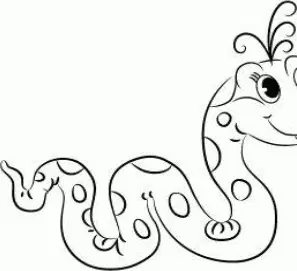
Why the snake does not need to eat daily? Choose the best explanation.
Snakes get energy directly from sunlight like plants.
Snakes have a slow metabolism and are ectothermic, so they need less energy each day.
Snakes breathe more air than other animals.
Snakes never move and therefore do not use energy.
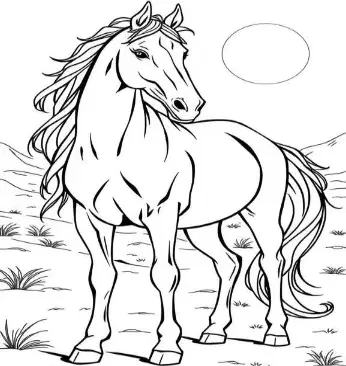
What is the original source of the energy that the horse uses to grow and survive? How do you know? Choose the best answer.
The horse, because it makes its own energy.
The grass, because it gives energy directly without sunlight.
The sun, because grass uses sunlight to make food that horses eat.
The soil, because it creates energy for plants.
Develop a model to show how these organisms might interact in an ecosystem. Which food chain is a reasonable model using the organisms: Lettuce, Grass, Grasshopper, Lizard, Hawk, Chicken?
Grass → Grasshopper → Lizard → Hawk
Lettuce → Hawk → Chicken → Grasshopper
Hawk → Lizard → Grasshopper → Grass
Chicken → Hawk → Lizard → Grass
Which type of process releases the energy stored in food? Choose the best answer.
Chemical process
Physical process
Some
Most
How many organisms use the energy from food to carry out life functions? Choose the best answer.
Some
Most
All
Physical process
Read each question. Follow the instructions to answer. What does a food web show? Circle the letter of the correct answer.
why organisms find food
where predators catch prey
the flow of energy between living things
the movement of living things in an ecosystem
This picture shows a food chain of some living things in an area. Which organism gets its energy directly from the sun? Circle the letter of the correct answer.
frog
plant
snake
cricket

