
Font size
 Worksheets
The digestive system
Total questions: 83
Worksheet time: 2hrs 52mins
Why must large molecules like starch, proteins, and fats be broken down into smaller units during digestion?
To make you breathe faster after meals.
So they can be saved in the liver as energy.
So the lungs can eliminate them as waste.
So they can be absorbed through the intestinal lining into the bloodstream.
What are the functions of the digestive system?
Which of the following best describes ingestion?
The process of putting food into your mouth.
The breakdown of food into small molecules.
The movement of food through the esophagus
The absorption of nutrients into the blood.
Which if the following statements about peristalsis is correct?
It is the rhythmic, involuntary contraction of the muscles of the esophagus.
It is the process of putting food into your mouth.
It is the grinding and chewing of food.
It is the absorption of nutrients.
Which substances present in the stomach and intestines help in chemical digestion?
acids and enzymes
water and fiber
vitamins and minerals
proteins and fats
Explain how food moves from the mouth to the stomach, mentioning the roles of different organs involved.
Which of the following best describes the function of accessory organs in digestion?
They are part of the tubular passage where food passes and is digested.
They help in digestion process by secreting enzymes to further break down food particles.
They absorb nutrients from digested food.
They store waste products before elimination.
What is the main role of the digestive system?
To control body temperature
To circulate blood
To protect the body from diseases
To transform food into nutrients and energy
What happens to food in the mouth?
It turns into a liquid
It becomes a moist lump called bolus
It is absorbed into the bloodstream
It is stored for later use
What is the role of the stomach in digestion?
To transport food to the intestines
To break down food into chyme
To store food
To absorb nutrients
Where does the final breakdown of proteins and carbohydrates occur?
In the small intestine
In the large intestine
In the esophagus
In the stomach
What happens to leftover waste in the large intestine?
It is absorbed into the bloodstream
It is stored for energy
It is expelled from the body
It is turned into chyme
The digestive system is best described as:
A collection of organs that breaks down food into energy.
A group of muscles that helps us move.
A system that controls breathing.
A network of bones that supports the body.
How would you explain the main function of the digestive system in your own words?

What is the function of the mouth in digestion?
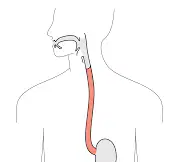
What is the esophagus?
The organ that produces saliva.
A gland that releases bile.
A small pouch under the stomach.
A muscular tube that pushes food pushes.
What process moves food down the esophagus?
Where are most nutrients absorbed?
What is the function of the liver in digestion?
Absorbs nutrients from food.
Filters air before it enters the lungs.
Produces bile to help digest fats.
Mixes food with acid in the stomach.
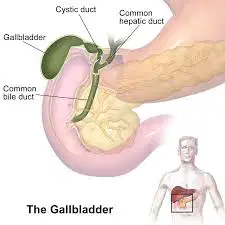
What does the gallbladder do?

What enzymes does the pancreas produce?
Enzymes that digest only fats.
Enzymes that digest proteins, fats, and carbohydrates.
Enzymes that make bile.
Enzymes that filter toxins from the blood.
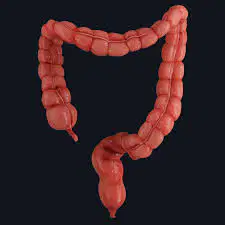
What happens in the large intestine?
Proteins break down in the small intestine into:
fatty acids
nucleic acids
amino acids
hydrochloric acids
What is the significance of the stomach's acidic environment?
It neutralizes bacteria in the food.
It aids in the digestion of fats.
It facilitates the absorption of carbohydrates
It enhances the action of digestive enzymes.
Which organ is a secondary organ that stores bile?
stomach
gallbladder
pancreas
liver
Which of the following is a function of the large intestine?
absorption of water
secretion of insulin
production of bile
digestion of proteins
Both chemical and mechanical digestion happen in the stomach.
true
false
What is the digestive system?
A system to take out the bad that's in your body.
A system where a certain group of organ work together to convert food into energy to feed the body.
A system where certain organs in the body digest the food you eat.
A system that the organs in the stomach make food for the body to digest.
What happens to food in the large intestine?
Water is absorbed and waste is formed.
Food is digested and nutrients are absorbed.
Food is stored for later use.
Enzymes break down food into small molecules.
What organ helps to remove waste that your body doesn't use?
large intestine
kidney
liver
stomach
What is the difference between mechanical and chemical digestion?
Mechanical digestion involves the use of enzymes to break down food into nutrients.
Mechanical digestion is the process of chemically altering food at a molecular level.
Mechanical digestion involves physical breaking down of food, while chemical digestion involves enzymes breaking down food into nutrients.
Mechanical digestion occurs only in the stomach, while chemical digestion occurs in the mouth.
What are gastric juices?
A type of beverage consumed during meals.
A mixture of hydrochloric acid and digestive enzymes in the stomach that helps break down food.
A type of food supplement for digestive health.
A solution used for cleaning the stomach during surgeries.
Where does the digestive process begin?
In the stomach.
In the mouth.
In the esophagus.
In the small intestine.
What do mashed-up food particles mix with in the stomach?
Gastric juices and stomach acid.
Saliva and enzymes.
Bile and pancreatic juice.
Air and water.
What is bile and where is it produced?
A digestive fluid produced by the pancreas that helps digest proteins.
A digestive fluid produced by the stomach that helps digest carbohydrates.
A digestive fluid produced by the liver that helps digest fats.
A digestive fluid produced by the intestines that helps absorb vitamins.
What is the role of saliva in digestion?
Saliva helps to break down food and makes it easier to swallow.
Saliva acts as a preservative for food.
Saliva increases the acidity of the stomach.
Saliva is primarily responsible for nutrient absorption.
Why is it important to chew food?
Chewing helps to break food into small pieces, making it easier to digest.
Chewing increases the flavour of the food, making it more enjoyable.
Chewing allows food to mix with saliva, which is not necessary for digestion.
Chewing helps to cool down hot food before swallowing.
What is the approximate length of the human digestive systrem?
40 feet
30 feet
20 feet
10 feet
What is the function of the epiglottis during swallowing?
To absorb nutrients
To break down proteins
To cover the trachea
To secrete saliva
Which vitamin is produced by bacteria in the large intestines?
Vitamin A
Vitamin D
Vitamin C
Vitamin K
Chemical digestion...
Is the chewing, mashing and breaking of food.
Is the breaking down of large molecules into nutrients.
Is the storage of bile from the liver.
Happens only in the small intestine.
How does bile help digest fat?
By removing the water from fat
Be storing and filtering blood
Mechanical digestion
Bile breaks large fat droplets into very small droplets
What is the role of the pancreas in digestion?
The pancreas makes hormones that regulate blood sugar.
The pancreas stores bile.
The pancreas makes fluids that protect the small intestine from acid.
The pancreas breaks down fat molecules.
What is the role of the gallbladder in digestion?
The gallbladder makes bile.
It is the largest organ in the digestive system.
The gallbladder stores bile produced by the liver.
It stores nutrients.
What happens if one organ of the digestive system is not functioning properly?
We will not be able to digest food properly.
We will have no problems.
It will only affect my digestive system, but not other body systems.
Why do we need to break apart the food we eat?
So it can fit into our stomachs.
So our bodies can use the nutrients from the food.
So liquids can be separated from solids.
So that our bodies enzymes have something to do.
Hydrochloric acid is a caustic chemical that can burn your skin- and yet it exists in your stomach. How can this be?
Your small intestines absorb all the hydrochloric acid.
The food in your stomach absorbs all the acid.
Your stomach lining protects you against burns.
The hydrochloric acid in your stomach is different from the hydrochloric acid you would find in a chemistry lab.
What is the main function of villi?
They move food from the stomach to the small intestine.
The absorb nutrients into the bloodstream.
They absorb water from chyme.
They move food from the small intestine to the large intestine.
What might happen if your large intestine did not absorb water from chyme?
You couldn't digest food.
You wouldn't be able to go to the bathroom.
You would become dehydrated.
Solid waste would not be able to move throughout the digestive system.
What are the two types of digestion? Where does digestion begin?
What are the three major salivary glands? Where is each located?
Which enzyme breaks starches down into simple sugars?
What is the name for food once the mechanical process ends and enzymes have mixed with the food?
What are the small fingerlike projections located in the walls of the small intestine and increase surface area?
Identify the three pancreatic enzymes and what they break down in the small intestine.
What system and organ allows for the nutrients to be absorbed into the bloodstream?
How long is the small intestine?
What waste products are located in the large intestine?
Absorption
The movement of molecules from the small intestine into the bloodstream.
The process of absorbing and using nutrients in the body.
Uses digestive juices and enzymes to break down food at the molecular level.
The removal of waste from the body as feces.
Assimilation
The movement of molecules from the small intestine into the bloodstream.
The process of absorbing and using nutrients in the body.
Uses digestive juices and enzymes to break down food at the molecular level.
The removal of waste from the body as feces.
Chemical digestion
The movement of molecules from the small intestine into the bloodstream.
The process of absorbing and using nutrients in the body.
Uses digestive juices and enzymes to break down food at the molecular level.
The removal of waste from the body as feces.
Ingestion
Taking food into the mouth.
The physical breakdown of food into smaller pieces through chewing or churning in the stomach.
The chemicals which are found in food that the body needs for growth and repair of tissues.
Smooth muscular movements which push the food along the digestive tract.
Mechanical digestion
Taking food into the mouth.
The physical breakdown of food into smaller pieces through chewing or churning in the stomach.
The chemicals which are found in food that the body needs for growth and repair of tissues.
Smooth muscular movements which push the food along the digestive tract.
Nutrient
Taking food into the mouth.
The physical breakdown of food into smaller pieces through chewing or churning in the stomach.
The chemicals which are found in food that the body needs for growth and repair of tissues.
Smooth muscular movements which push the food along the digestive tract.
Peristalsis
Taking food into the mouth.
The physical breakdown of food into smaller pieces through chewing or churning in the stomach.
The chemicals which are found in food that the body needs for growth and repair of tissues.
Smooth muscular movements which push the food along the digestive tract.
What is the main goal of digestion?
To store food for future use
To absorb nutrients into the blood
To increase food temperature
To make food taste better
What happens to indigestible substances in the body?
They are stored in the liver
They are eliminated from the body
They are converted into energy
They are used to build tissues
Which would take longer to digest?
A large piece of food
Food that has been cut up into many small pieces
What is digestion?
The process by which your body breaks down foods into small nutrient molecules.
The process by which nutrient molecules pass through the wall of your digestive system and into your blood.
What is absorption?
The process by which your body breaks down foods into small nutrient molecules.
The process by which nutrient molecules pass through the wall of your digestive system and into your blood.
What does the digestive system do to food?
What are the parts of the digestive system?
What are three functions of the digestive system?
What happens to the bolus when it enters the stomach?
Bile is produced and digests the bolus
Stomach muscles contract and smash the bolus
Nutrients from the bolus are absorbed
Enzymes in the bolus create acid
What are the 4 steps of digestion?
ingestion,
digestion,
absorption,
elimination
digestion,
absorption,
elimination,
ingestion
ingestion,
congestion,
pregestion,
elimination
pre-gestion, congestion, digestion, elimination
hard question, Sugestion, analyzation, pretention
What do you already know about digestion?
What is the job of the digestive system?
Why is the digestive system important?
Why is the saliva important?
What are enzymes?
What are proteins broken down into?
What are lipids broken down into?
What is starch broken down into?

