
 Worksheets
Nutrition Ch 1: Nutrition and You
Total questions: 90
Worksheet time: 1hrs 3mins
Which statement best defines nutrition in the context of human biology?
Measurement of calories on food labels
Guidelines for preventing chronic diseases
Sum of processes obtaining and using nutrients
Study of diet trends across populations
What distinguishes nutritional science from the term nutrition?
Nutritional science investigates nourishment impacts
Nutritional science focuses solely personal taste
Nutritional science measures calories in foods
Nutritional science describes digestion steps only
According to the WHO, health most closely emphasizes which idea?
Absence of any diagnosed disease
Ability to perform strenuous exercise daily
Complete physical, mental, social well-being
Freedom from nutritional deficiencies only
Which component is explicitly part of well-being in modern health definitions?
Economic prosperity and wealth
Physical functioning and fitness
Religious adherence and beliefs
Genetic perfection and traits
Which action best represents health promotion rather than disease prevention?
Implementing workplace yoga programs
Screening for hypertension annually
Prescribing antibiotics for pneumonia
Vaccinating against influenza virus
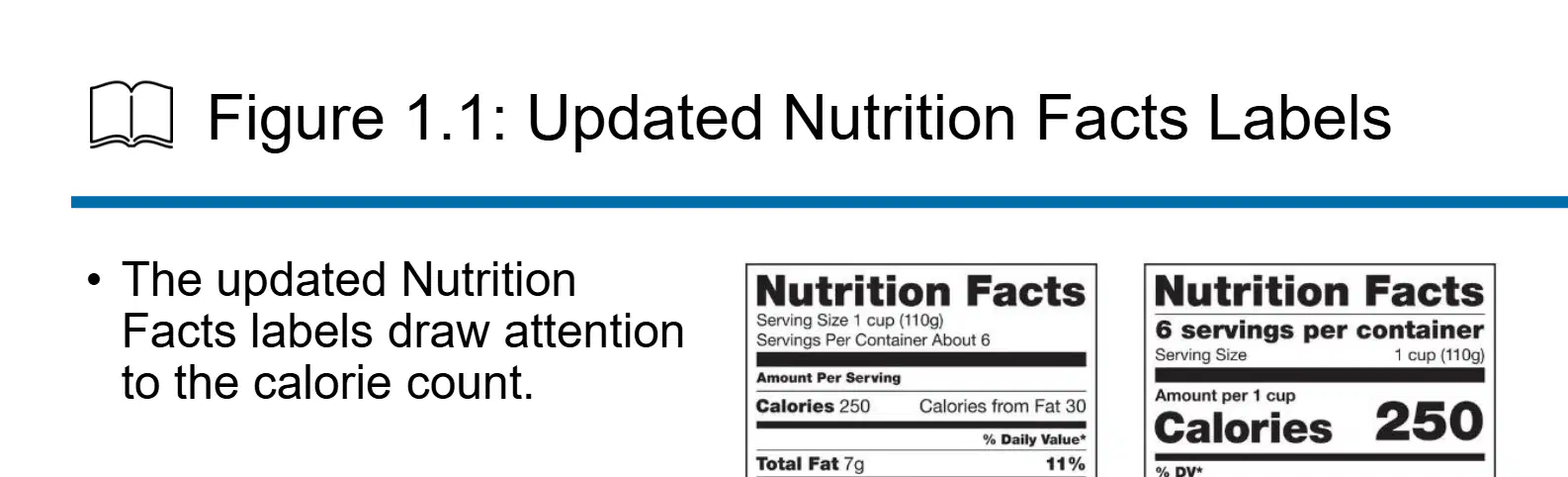
A product’s updated Nutrition Facts label places greater emphasis on which element?
Calories per serving
Serving size in grams
Total carbohydrates
Vitamin A percentage
A patient aims to enhance social well-being. Which strategy most directly supports that goal?
Taking a multivitamin supplement
Increasing high-intensity interval training
Joining a community cooking class
Tracking macronutrient ratios daily
Which scenario best illustrates the relationship studied in nutritional science?
How taste buds detect sweet flavors
How labels are formatted on packaged foods
How gyms improve aerobic capacity
How fiber intake influences population health
Which statement best defines health in this context?
Genetic resilience against chronic disease
Absence of illness or infirmity only
Balanced diet and regular exercise only
Complete physical, mental, social well-being
What is the defining feature of a disease condition?
It improves social interactions over time
It presents specific signs and symptoms
It only affects physical strength
It results solely from poor nutrition
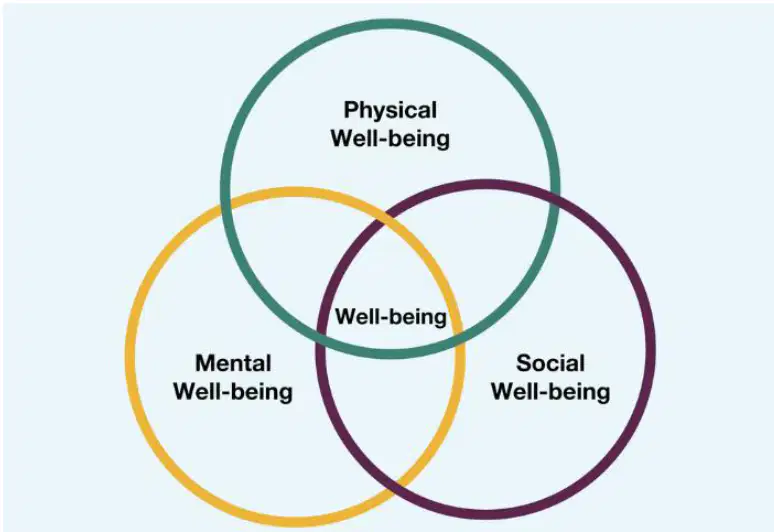
Which aspect is NOT among the three components of well-being shown?
Physical well-being
Mental well-being
Economic well-being
Social well-being
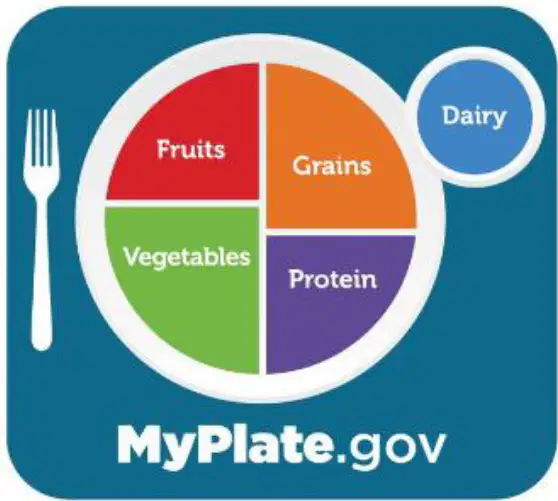
Which practice most directly promotes both health and disease prevention?
Daily supplements replacing balanced meals
Irregular sleep with intense workouts
Healthy diet, physical activity, good sleep
High-protein diet without vegetables
A policy initiative from the 1980s focused on nutrition would most likely emphasize which prevention mechanism?
Genetic screening for all citizens
Nutrition to reduce disease risk
Acute care expansion over lifestyle
Eliminating mental health services
If a disease impacts social well-being, what additional areas are likely affected?
Nutrient absorption exclusively
Economic status alone
Physical and mental well-being
Only social relationships
Which statement best defines a nutrient?
A substance required by the body from the diet
A compound the body synthesizes internally
A nonessential additive that enhances flavor
Any molecule found in edible plants and animals
Which list correctly names the six classes of essential nutrients?
Macronutrients, micronutrients, water, fiber, electrolytes, phytochemicals
Carbohydrates, triglycerides, proteins, water, vitamins, hormones
Sugars, fats, amino acids, fiber, electrolytes, enzymes
Carbohydrates, lipids, proteins, water, vitamins, minerals
Which group contains the energy-yielding nutrients?
Carbohydrates, minerals, fiber
Proteins, vitamins, water
Vitamins, minerals, water
Carbohydrates, lipids, proteins
How many kilocalories does carbohydrate provide per gram?
2 kcal per gram
4 kcal per gram
7 kcal per gram
9 kcal per gram
Which statement about lipids is accurate?
They are simple sugars
They are composed only of nitrogen
They are insoluble in water
They are fully miscible in water
Which are the three main types of lipids named in nutrition science?
Triglycerides, phospholipids, sterols
Fatty acids, monomers, polymers
Starches, glycogen, cellulose
Saturated, unsaturated, trans fats
Proteins are best described as which of the following?
Chains of organic subunits called amino acids
Inorganic minerals lacking carbon atoms
Simple carbohydrates composed of glucose units
Hydrophobic molecules that dissolve in water
Which elements commonly compose carbohydrates?
Hydrogen, oxygen, sodium
Carbon, nitrogen, sulfur
Oxygen, phosphorus, calcium
Carbon, hydrogen, oxygen
Which statement correctly distinguishes simple and complex sugars?
Simple sugars are chains; complex sugars are single units
Both are proteins made of amino acids
Simple sugars are single units; complex sugars are chains
Both are lipids insoluble in water
Water is vital to life primarily because it is which of the following?
An organic macromolecule
Composed of hydrogen and oxygen
A family of sterol compounds
A source of energy at 1 kcal per gram
Which classification best describes vitamins that dissolve in water and act primarily as coenzymes in energy metabolism?
Water-soluble vitamins aiding energy metabolism
Macro minerals forming structural crystals
Fat-soluble vitamins stored in adipose tissue
Trace minerals regulating fluid balance
Which nutrient group is inorganic, solid, crystal-forming, and categorized as macro or trace?
Lipids composed of fatty acids
Proteins built from amino acids
Vitamins acting as coenzymes
Minerals with crystalline structures
B1 (thiamine) primarily functions as which type of biochemical helper?
Structural component of collagen
Hormone regulating blood glucose
Antioxidant protecting membranes
Coenzyme aiding energy metabolism
Which vitamin is essential for collagen synthesis and functions as an antioxidant?
Vitamin K supports clotting and bone health
Vitamin D supports bones and immunity
Vitamin A supports vision and immunity
Vitamin C supports collagen and antioxidants
B12 (cobalamin) is most directly required for which process?
Red blood cell synthesis processes
Collagen cross-linking reactions
Bone mineral deposition
Vision pigment regeneration
Which vitamin class includes A, D, E, and K?
Fat-soluble vitamin category
Water-soluble vitamin category
Trace mineral category
Macro mineral category
Vitamin E’s primary role is best described as which function?
Mineral component of bone crystals
Antioxidant protecting cell membranes
Coenzyme assisting amino acid synthesis
Enzyme catalyzing glucose breakdown
Which nutrient density statement is most accurate?
Nutrient density applies only to macronutrients
High nutrient density means high calories per gram
High nutrient density means many micronutrients per calorie
Low nutrient density means more water content
Biotin and folate share which general functional category?
Structural lipids forming membranes
Electrolytes maintaining fluid balance
Antioxidants neutralizing free radicals
Coenzymes facilitating metabolic reactions
Which vitamin supports bone health and immune function through its role in calcium regulation?
Vitamin A supports reproduction and vision
Vitamin D supports bone and immune function
Vitamin C supports collagen and immunity
Vitamin K supports clotting and bone health
Macro minerals are best distinguished from trace minerals by which criterion?
Exclusive presence in animal foods
Primary role as antioxidants
Organic molecular structure
Required in larger daily amounts
Which statement correctly pairs B6 (pyridoxine) with its major function?
Hormone stimulating appetite regulation
Coenzyme assisting amino acid synthesis
Antioxidant protecting DNA from damage
Electrolyte maintaining nerve conduction
Which fat-soluble vitamin is primarily involved in blood clotting?
Vitamin K supports clotting physiology
Vitamin D supports calcium absorption
Vitamin A supports photoreceptor function
Vitamin E supports membrane protection
Water-soluble vitamins are characterized by which handling property in the body?
Long-term storage in adipose tissue
Transport on lipoprotein particles
Incorporation into bone crystals
Limited storage and regular excretion
Which term best defines nutrients needed in smaller amounts that do not provide calories?
Macronutrients such as proteins and lipids
Energy substrates such as glucose and fat
Micronutrients such as vitamins and minerals
Electrolytes such as sodium and chloride
Niacin (B3) primarily contributes to which metabolic role?
Enzyme directly synthesizing proteins
Antioxidant preventing lipid peroxidation
Mineral regulating osmotic pressure
Coenzyme aiding energy metabolism
Pantothenic acid (B5) is best categorized functionally as which?
Electrolyte maintaining acid–base balance
Coenzyme assisting energy metabolism
Hormone modulating immune responses
Antioxidant preventing membrane damage
Which vitamin most directly supports vision and reproduction alongside immune function?
Vitamin A supports vision and reproduction
Vitamin D supports bone and calcium balance
Vitamin K supports coagulation pathways
Vitamin E supports antioxidant protection
Which statement about minerals accurately reflects their nature?
Antioxidants neutralizing free radicals
Coenzymes driving energy reactions
Organic, fat-soluble carbon-based molecules
Inorganic, solid, crystal-forming substances
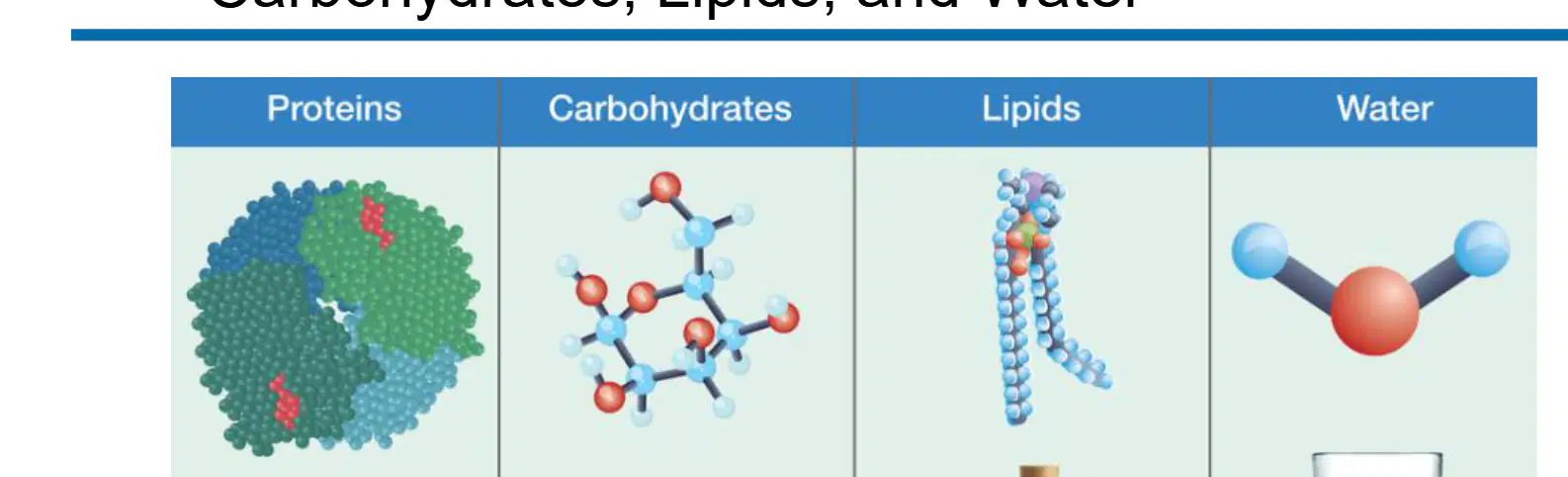
Which option correctly identifies the primary macronutrient categories shown alongside water?
Vitamins, minerals, fiber categories
Proteins, carbohydrates, lipids categories
Amino acids, monosaccharides, glycerol categories
Electrolytes, enzymes, hormones categories
Which set lists the four macronutrients required in large amounts?
Lipids, fiber, proteins, phytochemicals
Carbohydrates, vitamins, proteins, minerals
Vitamins, minerals, fiber, water
Carbohydrates, lipids, proteins, water
What does nutrient density primarily compare in a food?
Water content relative to mass
Essential nutrients relative to energy
Calories relative to serving size
Macronutrients relative to micronutrients
Which macronutrient provides nine calories per gram?
Lipids
Alcohol
Protein
Carbohydrates
Which pair correctly matches a mineral with a major function?
Zinc—bone and teeth health maintenance
Iron—carries oxygen, energy production
Sodium—stomach acid production
Fluoride—nerve transmission, muscle contraction
A food provides high vitamins and minerals but few calories. Which conclusion fits best?
It has high energy density
It lacks essential nutrients
It has high nutrient density
It is not considered macronutrient-rich
Which step comes first in the scientific method used in nutrition research?
Making an observation about a pattern
Evaluating the collected results
Formulating a testable hypothesis
Conducting an experimental test
What best defines a hypothesis in nutritional science?
A tentative, testable explanation
An official clinical guideline
A statistical analysis plan
A comprehensive literature review
After testing a hypothesis, what is the immediate next step in the scientific method?
Evaluating the collected results
Drafting governmental policy
Publishing a media summary
Creating new dietary products
Which study type compares groups and looks for patterns in large populations without assigning interventions?
Systematic animal model trial
Randomized clinical trial
Epidemiological observational study
Case-control laboratory experiment
In a randomized clinical trial, what distinguishes it from observational designs?
Data come solely from web registries
Populations are compared by geography
Participants are assigned an intervention
Researchers only record existing habits
Which sequence best represents evidence-based nutritional guideline development?
Gather evidence, appraise quality, synthesize recommendations
Draft recommendations, collect data, confirm later
Set policy first, test behaviors, revise as needed
Survey opinions, publish guidance, add citations
Which resource is appropriate for official U.S. public health information on diseases and prevention?
Harvard School of Public Health page
American Diabetes Association portal
Dietitians of Canada homepage
Centers for Disease Control and Prevention website
Which international organization provides global health leadership and nutrition guidance?
USDA Center for Nutrition Policy
American Medical Association
World Health Organization
Mayo Clinic
Which action strengthens conclusions in the scientific method when initial findings are promising?
Skipping peer review processes
Ignoring inconsistent datasets
Writing press releases immediately
Gathering more supporting evidence
A nutrition scientist observes higher fiber intake with lower disease risk. What is the most rigorous next step to test causality?
Launch a public awareness campaign
Conduct a randomized clinical trial
Publish an epidemiological summary
Create an expert opinion article
Which study type primarily examines patterns of health events across populations without manipulating variables?
Randomized clinical trials with altered exposures
Case reports documenting single patient outcomes
Epidemiological studies analyzing population patterns
Laboratory animal studies testing cellular pathways
What distinguishes randomized clinical trials from epidemiological studies in nutrition research?
They avoid any measurement of health outcomes
They focus exclusively on cellular mechanisms
They change variables between assigned groups
They use smaller sample sizes for feasibility
Which statement best reflects complementary lines of evidence in nutrition science?
Only clinical trials determine final guidelines
Animal studies are sufficient for human policies
Different study types contribute converging insights
Population studies replace mechanistic research
What is the primary purpose of the scientific method in evaluating dietary claims?
To prioritize expert opinion over data
To rapidly establish conclusions without replication
To confirm traditional beliefs about foods
To organize inquiry to test if claims fit evidence
Which concept describes how nutrients interact with an individual’s genetic makeup to influence health?
Nutrigenomics linking diet and gene expression
Epidemiology mapping population disease trends
Anthropometry measuring body composition
Toxicology assessing harmful exposure levels
Why does it take time before expert agreement leads to dietary guideline changes?
Guidelines wait for one decisive clinical trial
Consensus forms after anecdotal case narratives
Evidence collection requires diverse, replicated studies
Regulatory agencies avoid reviewing new data
Which statement best defines nutrigenomics in the context of health sciences?
Study of how genes change across human evolution
Study of how nutrients alter gene expression patterns
Study of how toxins permanently mutate DNA
Study of how microbes modify human metabolism
Epigenetics primarily investigates which phenomenon related to genes?
Changes in DNA sequence through mutations
How non-gene factors regulate gene expression
Inheritance of mitochondrial DNA across generations
How chromosomes pair during cell division
Which set lists three broad determinants that interact to shape individual health status?
Genetics, environment, lifestyle behaviors
Media influence, advertising, celebrity endorsements
Immune cells, hormones, digestive enzymes
Hospitals, pharmaceuticals, insurance plans
A teenager and an older adult require different nutrient profiles mainly due to which concept?
Variation in taste preferences across age
Differences in national dietary guidelines
Access to specialized medical care
Life cycle stages and developmental needs
Which scenario best illustrates a socioeconomic status factor affecting food choice?
Preference for spicy foods during winter months
Genetic predisposition to lactose intolerance
Limited income constrains purchase of fresh produce
Exposure to sunlight altering vitamin D synthesis
If experts across disciplines agree to recommend dietary changes, what key implication follows for public health practice?
Consensus supports implementing evidence-informed guidelines
Consensus eliminates all uncertainty in nutrition science
Consensus proves genetics are irrelevant to disease risk
Consensus guarantees equal access to healthy foods
Which statement best distinguishes genetics from epigenetics in influencing health?
Genetics concerns nutrient intake; epigenetics concerns caloric expenditure
Genetics concerns inherited DNA; epigenetics concerns regulation by external factors
Genetics concerns lifestyle habits; epigenetics concerns exercise routines
Genetics concerns organ function; epigenetics concerns immune responses
A population-level strategy aims to prevent disease by adjusting dietary patterns as science evolves. What planning consideration is most critical?
Guidelines should remain fixed for policy stability
Guidelines must rely on single-discipline expertise
Guidelines should ignore environmental constraints
Guidelines must adapt as new evidence accumulates
Which factor most directly limits an individual’s ability to purchase nutritious foods?
Religious fasting practices on certain weekdays
Neighborhood friendships and social cohesion
Socioeconomic status influencing disposable income
Cultural food taboos observed during holidays
Socioeconomic status is commonly measured using which combination of variables?
Religion, culture, tradition
Age, gender, genetics
Housing, transportation, leisure
Income, occupation, education
Cultural and religious traditions most strongly influence food choice by:
Eliminating all processed foods from diets
Determining supermarket pricing strategies
Shaping accepted foods and preparation methods
Mandating daily caloric intake targets
Environmental predictors of health include which community-level element?
Individual micronutrient supplementation
Personal preferences for spicy flavors
Neighborhood and built environment features
Household meal timing routines
Lifestyle components affecting diet primarily involve:
Climatic averages over the century
Work schedule, physical activity, sleep patterns
Hospital staffing ratios and protocols
Global trade agreements and tariffs
A practical implication of low economic access to food is most likely:
Higher attendance at specialty cooking schools
Increased use of advanced culinary equipment
Greater reliance on affordable energy-dense foods
Preference for rare imported ingredients

During pregnancy, nutrition choices matter because they:
Guarantee a specific delivery date
Change hair color of the parent
Affect fetal development and maternal health
Determine the baby’s future occupation

Across the life cycle, nutrition needs change primarily due to:
Religious ceremonies standardizing intake
Genetics eliminating environmental effects
Uniform requirements from birth to old age
Shifts in growth, metabolism, and activity
Which lifestyle component most directly relates to voluntary movement patterns that affect health outcomes?
Dietary habits over the life course
Physical activity level across the week
Sleeping patterns and circadian timing
Recreational drug and alcohol use
Socioeconomic status (SES) primarily influences health through which pathway?
Direct genetic modification in germ cells
Access to resources that support healthy behaviors
Elimination of environmental exposures entirely
Uniform emotional resilience across populations
A person raised in a culture that celebrates rich holiday foods struggles to maintain a low-sugar diet. Which factor is most relevant to this challenge?
Health concerns from diagnosed allergies
Advertising messages about snack brands
Cultural norms around special occasions
Geography shaping local food supply
Which scenario best illustrates gene–nutrient interaction affecting health risk?
A habit of late-night snacking forms
A city bans billboards for fast food
An allele alters lipid metabolism with high-fat intake
A peer group prefers spicy foods
A community program aims to reduce obesity by improving supermarket availability and public transit to stores. Which personal choice determinant is targeted?
Early food experiences in childhood
Taste, texture, and appearance preferences
Emotional variation in eating habits
Economics affecting access to healthy food
Match the following
Fats
Oils, meat & dairy
Carbohydrates
Starches & sugars
Proteins
Meat, beans, eggs
Vitamins
A, K, B, C, D, E
Minerals
Whole grains, fruits, veggies
Match the vitamin or mineral with the correct function.
Promotes skin turnover, cell differentiation, immune system, and vision
Vitamin A
Promotes absorption of minerals important in bone health; activation of the innate immune system
Vitamin D
Antioxidative properties by soaking up free radicals that cause oxidative stress
Vitamin E
Bone density, nerve transmission, muscle contraction, and maintain blood pH
Calcium, Magnesium, Potassium
Red blood cell synthesis/oxygen transport
Iron


