
 Worksheets
Health Career Exploration :-2025/26 Final Opportunity 1st Sem.
Total questions: 100
Worksheet time: 50mins

In prehistoric (ancient) times, what did early cultures believe caused disease and death?
Bacteria
Evil spirits
Poor hygiene
Bad diet
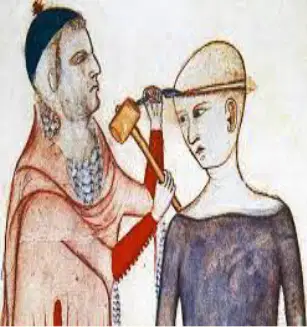
What was the process called where a hole was made in the head to remove spirits?
Trepanning
Mummification
Surgery
Embalming
Medicine during prehistoric times was ______ based.
plant
mineral
animal
synthetic
Time period: 4000 BCE to 3000 BCE. Some beliefs and treatments from prehistoric times still exist in some cultures today.
True
False
In Egypt, who were also doctors?
Warriors
Priests
Farmers
Merchants

Who is believed to be the first physician in ancient Egypt?
Hippocrates
Imhotep
Osiris
Ramses
Time period: 3000 BCE to 300 BCE Ancient Egyptians were the first people to keep ______ records.
health
weather
financial
agricultural
Time period: 3000 BCE to 300 BCE True or False: Egyptians held religious ceremonies to heal the sick.
True
False
What is the time period for the use of holistic medicine in ancient China?
2000 BCE - 1000 BCE
1500 BCE - 200 CE
1000 BCE - 500 CE
500 BCE - 100 CE
What did Chinese people believe flows through the body?
Water
Blood
Energy
Air
What is acupuncture?
Drinking herbal tea
Putting small needles in the skin
Doing yoga
Taking medicine
What is the time period for Ayurveda in India?
2000 BCE - 1000 BCE
1500 BCE - 1100 CE
1000 BCE - 500 CE
500 BCE - 100 CE
According to Ayurveda, the body is made of how many things?
3
4
5
6
List three things Ayurveda uses to keep the body healthy.
Massage, Exercise, Herbal medicine (plants)
Fast food, Soft drinks, Video games
Antibiotics, Surgery, X-rays
Plastic, Processed sugar, Artificial colors
What is the time period for the section on Hippocrates — Father of Modern Medicine?
1200 BCE to 200 BCE
750 BCE to 400 CE
500 CE to 1000 CE
200 BCE to 200 CE
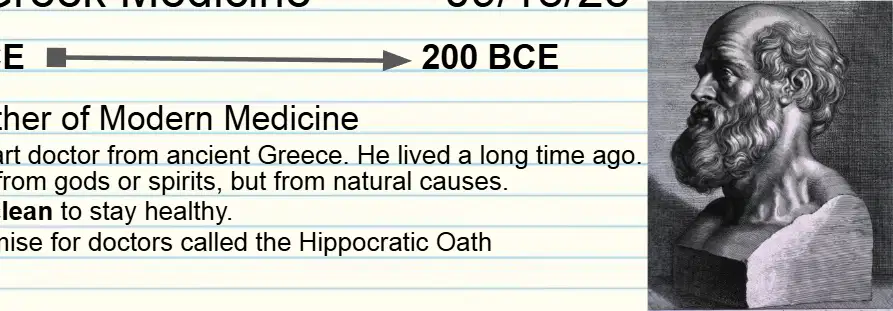
Who is known as the Father of Modern Medicine?
Hippocrates
Galen
Avicenna
Andreas Vesalius
Hippocrates said disease is not from gods or spirits, but from ______ causes.
natural
magical
supernatural
mysterious
What did Hippocrates tell people to do to stay healthy?
He told people to stay clean to stay healthy.
He told people to eat more sweets to stay healthy.
He told people to avoid exercise to stay healthy.
He told people to sleep less to stay healthy.
What special promise for doctors did Hippocrates make?
The Hippocratic Oath
The Oath of Galen
The Medical Charter
The Physician's Pledge
What is the time period for the section on Ancient Romans Focused on Sanitation?
1200 BCE to 200 BCE
750 BCE to 400 CE
500 CE to 1000 CE
200 BCE to 200 CE
What did the ancient Romans build to bring clean water to the people?
Aqueducts
Colosseums
Temples
Roads
How did the ancient Romans help keep their cities clean?
They removed trash from the streets.
They painted the streets every week.
They covered the streets with sand.
They used perfumes to mask odors.
What happened to medical advances during the Dark Ages?
They stopped
They increased
They stayed the same
They improved rapidly
Time period: 400 CE to 800 CE Fill in the blank: The Roman Empire (big government) ______ during the Dark Ages.
ended
expanded
began
flourished

Many people got sick from ______ during the Dark Ages.
epidemics (disease that spreads)
festivals (public celebrations)
inventions (new creations)
explorations (journeys to discover new places)
In the Arab world, what did doctors have to do to practice medicine during the Middle Ages?
Pass exams and get licenses
Pay a fee
Travel to Europe
Work for the government
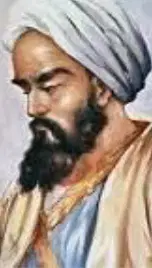
Time period: 800 CE to 1400 CE Fill in the blank: A doctor named ______ began to tell the difference between big diseases during the Middle Ages.
Rhazes
Avicenna
Galen
Hippocrates
During which time period did people start learning more about the human body during the Renaissance?
1000 CE - 1200 CE
1350 CE - 14500 CE
1500 CE - 1799 CE
1800 CE - 1900 CE
Which two artists made drawings of the inside of the human body during the Renaissance?
Michelangelo and Leonardo da Vinci
Raphael and Donatello
Titian and Caravaggio
Botticelli and Vermeer
Who learned how the lungs and blood flow work during the Renaissance?
Michael Servetus
Leonardo da Vinci
Andreas Vesalius
William Harvey
Who were the first people to give out and prepare medicine in a professional way?
Pharmacists
Engineers
Teachers
Architects
During the 19th Century Industrial Revolution, who started the American Red Cross?
Clara Barton
Florence Nightingale
Susan B. Anthony
Dorothea Dix
During the 19th Century Industrial Revolution, who started modern nursing?
Florence Nightingale
Marie Curie
Clara Barton
Elizabeth Blackwell
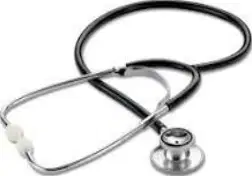
Which of the following were invented during the 19th Century Industrial Revolution?
Stethoscope and hearing aid
X-ray and MRI
Thermometer and microscope
Blood pressure monitor and pacemaker
Why did surgeries become safer during the 19th Century Industrial Revolution?
Because of antiseptics (used to stop infections)
Because of the discovery of X-rays
Because of the invention of anesthesia machines
Because of the use of robotic surgery
Vaccines were made during the 19th Century Industrial Revolution to protect people from what?
Deadly diseases
Air pollution
Economic collapse
Natural disasters
Who said that tiny germs can make people sick during the 19th Century Industrial Revolution?
Louis Pasteur
Isaac Newton
Charles Darwin
James Watt
Louis Pasteur made vaccines to stop diseases like rabies transferred to humans by what?
Animals like raccoons or dogs
Plants like oak trees
Insects like butterflies
Water sources like rivers
According to Louis Pasteur, what helps stop sickness from spreading?
Clean places (good sanitation)
Eating more sugar
Sleeping less
Ignoring hygiene

Which of the following machines were used to look inside the body in the 20th century?
X-rays, CAT scans, and MRI
Thermometers and stethoscopes
Microscopes and telescopes
Ultrasound and ECG
Fill in the blank: In the 20th century, new medicines such as ______, insulin for diabetes, and vaccines for polio and chickenpox were made.
Penicillin
Aspirin
Morphine
Ibuprofen

In what year did scientists discover what DNA looks like?
1900
1952
1990
2000
DNA is like a special ______ in our body that tells our body how to grow and work.
code
liquid
muscle
bone
In the 1900s, new laws were made to help people get better healthcare. In what year did Medicare and Medicaid start?
1965
1990
1996
1981
In the 1900s, new laws were made to help people get better healthcare. What does HIPAA help with?
It helps keep health information private and makes health insurance easier to get.
It provides free medical care to everyone in the country.
It requires all doctors to use the same medical equipment.
It allows patients to choose any hospital without restrictions.
What was the purpose of the law made in 1990?
To protect people with disabilities and prevent unfair treatment because of their disability.
To increase taxes on businesses.
To regulate internet usage.
To lower the voting age to 16.
The 20th Century Began and Ended with Pandemics. The Influenza Pandemic happened in 1918. About how many people died?
10 million
21 million
25 million
50 million
The 20th Century Began and Ended with Pandemics. AIDS was discovered in what year?
1918
1965
1981
1996

What does the symbol in the image represent?
Disability or accessible facilities for people with disabilities.
Parking area for bicycles.
Emergency exit route.
No smoking zone.
What is the Affordable Care Act?
A new law that helped many Americans get health insurance.
A law about car insurance.
A law about education reform.
A law about environmental protection.
Americans can now buy health insurance online using websites called _______.
Health Insurance Marketplaces
Medical Portals
Pharmacy Networks
Online Clinics
Which of the following is a major discovery in the 21st century?
The Human Genome Project was finished.
The first airplane was invented.
The telephone was invented.
The steam engine was created.
The Human Genome Project helped us understand all the _______ in the human body.
genes
bones
muscles
hormones
Computers and the internet help doctors and scientists share health information quickly around the _______.
world
room
city
building
Good sanitation, such as washing hands and using clean water, helps stop the spread of ________.
disease
happiness
sunlight
music
Tiny germs (microorganisms) can cause ________.
sickness
happiness
strength
wealth
Medicines and chemicals can help treat many ________.
illnesses
buildings
vehicles
computers
DNA is like a special code in our body that tells it how to ________ and ________.
grow; work
sleep; eat
run; jump
sing; dance
Through history, we have learned that there was a time when the human body was a ________.
mystery
machine
tool
weapon
Although we’ve come a long way, there are still a lot of exciting and critical work to be done in the field of ________.
medicine
architecture
cooking
music
Emma, Kai, and David are curious about healthcare careers. Which option best describes what diagnostic services professionals do?
They find what disease or injury a patient has
They provide long-term counseling and therapy
They design hospital buildings and manage budgets
They sell medications at retail stores
Grace hurt her arm while playing soccer, and the doctor needs to see inside her bones. Which job uses X-rays or CT scans to take pictures inside the body to help Grace?
ECG Technician
Optometrist
Phlebotomist
Medical Imaging Technologist
After William has surgery, who helps him get back on his feet and moving again?
Pharmacist
Nutritionist
Dental Hygienist
Physical Therapist

Mia is driving down the highway and holding her phone near the steering wheel. What should she do to stay safe and avoid a crash?
Turn music louder
Put the phone away
Open a window
Lean back farther
Noah, Nora, and Luna are brainstorming ideas for their final project. Which research topic should they choose for the most interesting and impactful project?
Sports injuries in professional leagues
Nutrition trends on social media apps
Chronic diseases like asthma or diabetes
Rare surgical tools used in hospitals
Oliver, Samuel, and Aiden are discussing safety facts in class. Which age group in the United States has motor vehicle injuries as the leading cause of death?
Ages 5 to 34
Ages 35 to 64
Ages 1 to 4
Ages 65 and older
Which statement best describes a health care pathway?
A rulebook for safety in laboratories
A schedule of medicine for patients
A list of hospitals in a local city
A group of jobs that share similar skills
Which statement best describes a healthcare team?
People with different jobs who work together
One doctor who makes every decision alone
Only nurses who help patients in rooms
A group that cleans without talking to others
Which role is MOST likely to organize patient records and update files?
Health information manager
Dental patient
School bus driver
Basketball coach
Which task fits a support services worker in a hospital?
Fixing broken equipment and systems
Performing heart surgery on patients
Prescribing strong new medicines
Teaching college math classes
If a clinic wants to stop the spread of a new illness in town, which professional would give reports using data from cases?
Epidemiologist
Chef
Librarian
Musician
A lab is designing a new vaccine. Which career path is the best match for this project?
Performing arts and theater
Hotel management and tourism
Biotechnology research and development
Auto repair and maintenance
What is public health mainly focused on?
Selling medicine to people
Keeping one person healthy only
Keeping groups and communities healthy
Treating only hospital patients
Which is an example of a public health issue?
Eating lunch at home
Texting while driving a car
Texting friends after school
Playing music in class
Which problem is one of the five public health topics listed?
Food safety concerns
Space travel safety
Mountain climbing risks
Pet vaccination tips
What does obesity mean?
Being too short for age
Being too tall for age
Having too much body fat
Having too little body fat
Which health problem can obesity cause?
Type 2 diabetes risk
Stronger heart muscles
Fewer doctor visits
Better sleep every night
What is the best way to prevent the flu?
Drinking only hot tea
Getting the flu vaccine
Taking random vitamins
Wearing sandals in winter
How can the flu spread from person to person?
Through loud music nearby
Through coughing or sneezing
Through sharing pencils only
Through watching TV together
A class sorts words into People, Places, and Actions. Where does nurse belong?
Actions done during care
Places where care happens
Objects used for care
People who give care
What is teen pregnancy?
A girl under age 20 becomes pregnant
A teen babysits a younger child
A married adult chooses to have a baby
A child under 10 becomes a parent
Which is one problem linked to teen pregnancy?
Teen mothers often finish college early
Most teen mothers do not finish high school
Teen parents have fewer friends and hobbies
Teen fathers all get high-paying jobs
Which statement describes the cycle that may repeat with teen pregnancy?
Teen parents always have twins
Teen parents always move to new cities
Children of teen moms may also become teen parents
Teen families never face any health problems
What is a foodborne illness?
Illness from food with harmful germs or chemicals
Sickness from too much exercise
A cold caught from the winter air
A rash caused by sunlight exposure
When two or more people get sick from the same bad food, what is it called?
A food safety meeting
A foodborne outbreak
A cooking class mistake
A grocery sale event
Which action helps keep food safe at restaurants and factories?
Posting colorful menus daily
Microbiologists washing dishes at home
Health educators cooking every meal
Inspectors checking that places are clean and safe
Which safety step can prevent foodborne illness at home?
Skip washing fruits and vegetables
Store leftovers on the warm stove
Eat meat when it looks slightly pink
Avoid drinking raw, unpasteurized milk
Who does public health help?
A. One person
B. Only teachers
C. Everyone
D. Only students
What is the main purpose of Health Careers Exploration class?
Practice advanced surgery techniques daily
Explore jobs and teamwork in health care
Train only to become emergency doctors
Study only hospital building designs
Which topic is a main focus of Health Career Exploration?
Different types of health workers
Cooking healthy meals for chefs
History of ancient hospitals only
Only sports injuries and treatment
Which role matches the job description best? A dentist mainly...
manages a hospital cafeteria
reads chest x‑rays for lungs
treats teeth and oral health
monitors heart rhythm changes
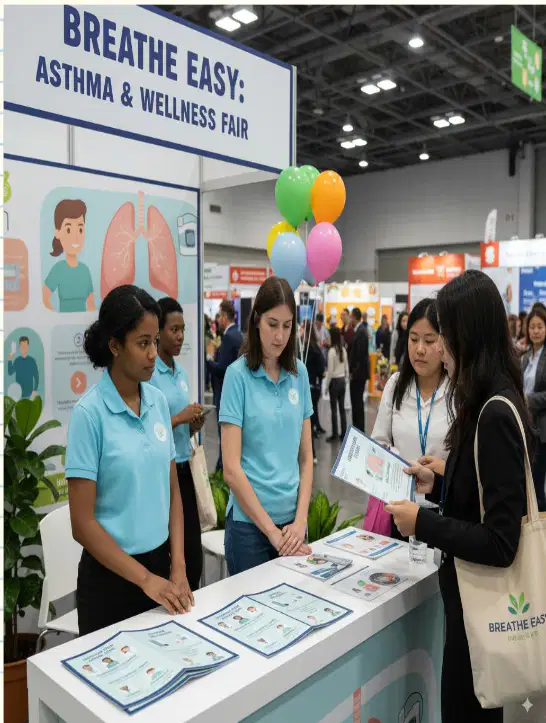
At an asthma and wellness fair booth, which worker is most likely to explain inhaler use?
A hospital parking attendant
A healthcare educator or nurse
A building maintenance worker
A hospital cafeteria cook
Which specialist is trained to create and interpret medical images like x‑rays?
Radiologist in medical imaging
Cardiologist for heart rhythm
Dentist for teeth cleaning
Pharmacist for drug mixing
Which job checks eyes and provides glasses or treatments?
Dentist
Phlebotomist
Optometrist
ECG Technician
Which statement about an Ultrasound Technician is correct?
Codes procedures so insurance can pay hospitals
Uses sound waves to make pictures inside the body
Fills prescriptions and explains how to take pills
Fixes cavities and treats gum diseases
Which role teaches people how to eat healthy and plan meals?
Nutritionist
Physical Therapist
Medical Coder
Epidemiologist
What is Health Informatics mainly about?
Researching animal behavior in different habitats
Growing healthy food for hospital cafeteria meals
Performing direct surgeries and emergency procedures
Managing patient records and medical data with computers
What causes influenza (the flu)?
Cold winter air
Too much exercise
A bacteria bite
A virus infection
What is a foodborne illness?
An allergy that always starts in early spring
Sickness from eating food with harmful germs or chemicals
A sickness caused by running too fast after meals
A cold that spreads only by touching door handles
Which action helps prevent getting sick from food at home?
Drink raw milk because it tastes very fresh
Never clean cutting boards after preparing meat
Leave cooked meat slightly raw in the center
Wash fruits and vegetables before eating them

