
 Worksheets
Unit 5 Review
Total questions: 77
Worksheet time: 43mins
Which article of the U.S. Constitution outlines the amendment process?
Article I
Article V
Article III
Article VII
What is one method by which an amendment to the U.S. Constitution can be proposed?
By the President
By Congress
By the Supreme Court
By the Cabinet
Who must ratify a proposed amendment for it to become part of the U.S. Constitution?
The President
State Legislatures or Conventions
The Supreme Court
U.S. Congress
How many methods are there to propose an amendment to the U.S. Constitution?
One
Two
Three
Four
What term describes a meeting called by states to propose amendments to the Constitution?
Assembly
Convention
Council
Committee
Which body typically initiates the ratification process for constitutional amendments?
State Legislatures
U.S. Congress
The President
The Supreme Court
What fraction of both houses of Congress must approve a proposed amendment before it is sent to the states?
One-half
Two-thirds
Three-fourths
One-third
What fraction of states must ratify an amendment for it to become part of the Constitution?
One-half
Two-thirds
Three-fourths
All states
Which of the following is NOT a role of Congress in the amendment process?
Proposing amendments
Ratifying amendments
Sending proposed amendments to the states
Approving amendments by a two-thirds vote
If Congress proposes an amendment, what is the next step in the process?
The President signs it
It is sent to the states
The Supreme Court reviews it
It becomes law immediately
Which group can call a national convention to propose amendments if requested by two-thirds of the states?
The Supreme Court
U.S. Congress
State Legislatures
The President
What is the significance of requiring three-fourths of states to ratify an amendment?
It ensures only popular amendments are added
It makes the process quick and easy
It allows the President to veto amendments
It gives Congress more power
How does the formal amendment process protect the Constitution?
By making changes easy and frequent
By requiring broad support for changes
By allowing only Congress to make changes
By letting the President decide on amendments
Which of the following best describes the sequence of the amendment process?
Proposal by Congress, ratification by states
Ratification by states, proposal by Congress
Proposal by President, ratification by Congress
Proposal by Supreme Court, ratification by President
Why might the difficulty of amending the Constitution be considered important for society?
It prevents any changes from ever happening
It ensures stability and protects fundamental rights
It allows for frequent changes based on trends
It gives more power to the President
Explain how the roles of Congress and state legislatures work together in the amendment process.
Congress proposes amendments and state legislatures ratify them
State legislatures propose amendments and Congress ratifies them
Congress and state legislatures both ratify amendments
Only Congress is involved in the process
Why is it important for the amendment process to require both federal and state approval?
It gives more power to the federal government and agencies
It ensures that changes reflect the will of both national and state governments
It makes the process faster so more amendments can be passed
It allows the President to make decisions alone
Right to bear arms; ability for states to have a militia.
4th Amendment
5th Amendment
2nd Amendment
7th Amendment
Five basic freedoms: speech, religion, press, assembly, & petition.
2nd Amendment
1st Amendment
5th Amendment
6th Amendment
Your right to remain silent (self-incrimination); no double jeopardy; eminent domain; due process
5th Amendment
2nd Amendment
9th Amendment
6th Amendment
How many amendments are included in the Bill of Rights?
4
6
10
8
What historic document is the Bill of Rights a part of?
Declaration of Independence
Articles of Confederation
British Law
US Constitution
Which of these is not allowed, according to the Eighth Amendment?
reasonable bail
reasonable fines
jail terms
cruel punishments
According to the Fourth Amendment, the police can search and seize a person's property only if
judge issues a warrant
police ask to come in
the neighbor gives permission
People sign a petition
The Bill of Rights was added to the Constitution to
make the government stronger
give the states more power
ensure voting rights
protect the rights of the people
Insisted that the Bill of Rights be added to the Constitution
Federalists
Anti-Federalists
Which of these types of rights is NOT included in the Bill of Rights?
Individual Freedoms
Voting
Rights
Rights of the
Accused
Limits on the
Government
Powers not given to the federal government are "reserved" for the states.
10th Amendment
9th Amendment
8th Amendment
2nd Amendment
Right to a speedy & public trial; call witnesses; right to have a lawyer.
10th Amendment
3rd Amendment
6th Amendment
1st Amendment
No quartering of troops.
1st Amendment
2nd Amendment
3rd Amendment
4th Amendment
No unreasonable search or seizure.
10th Amendment
5th Amendment
7th Amendment
4th Amendment
Right to have a jury trial in a CIVIL case . . . total must be $20 or more.
2nd Amendment
9th Amendment
7th Amendment
1st Amendment

Principle of government in which national and state government share power
A. Republicanism
B. Popular Sovereignty
C. Federalism
D. Checks & Balances

Which statement explains how the First Amendment has affected these groups?
A. These groups are allowed to share and promote their beliefs.
B. These groups are allowed to join together to form a national religion.
C. These groups are prevented from having worship services in public places.
D. These groups are prevented from establishing religious schools

What was the purpose of this amendment?
A. To encourage citizens to monitor the federal government
B. To prevent conflicts between state and local governments
C. To limit the authority of the federal government
D. To increase the participation of citizens in state government

Which idea correctly replaces the question mark in this diagram?
A. Federalism
B. Eminent Domain
C. Free Speech
D. Due Process

Which government principle is illustrated in this diagram?
A. Federalism
B. Separation of Powers
C. Individual Rights
D. Popular sovereignty
What do the US Constitution and the Bill of Rights serve as?
Rules for the government only
Guardians of individual rights
A list of citizen duties
A historical document collection
Are all rights absolute?
Yes, without any limitations
No, some have limitations
Only rights in the Bill of Rights are absolute
Only during times of peace
What can the government impose on property rights?
Unlimited taxes
A ban on selling property
Complete control over property
Regulations to prevent misuse
What is Civil Disobedience?
A government policy
Breaking certain laws to protest
A type of government law
Ignoring all laws
Why may the government impose restrictions on our rights?
To protect the greater good
To gain more power
Without any specific reason
To restrict freedom of speech
What might the government enforce during times of war?
Complete censorship of media
Abolishment of rights
Forced internment
Unlimited freedom
When can limitations on speech occur?
Only in schools
During wartime to protect national security
Never
Always
What is the role of the judicial branch?
To interpret the Constitution
To enforce laws
To make laws
To elect government officials
What helps maintain a peaceful and inclusive society?
Ignoring discriminatory actions
Allowing all types of speech
Preventing the spread of hate speech
Limiting freedom of speech
What are the US Constitution and the Bill of Rights considered as?
Suggestions for society
Unchangeable laws
Ancient texts
Living documents
What did the 13th Amendment accomplish?
Granted citizenship to all persons born or naturalized in the United States
Lowered the voting age to 18
Abolished slavery and involuntary servitude
Gave women the right to vote
Which Amendment granted citizenship to all persons born or naturalized in the United States?
15th Amendment
19th Amendment
14th Amendment
26th Amendment
What was the main purpose of the 15th Amendment?
To prohibit the denial of voting rights based on race, color, or previous condition of servitude
To grant women the right to vote
To lower the voting age from 21 to 18
To abolish the poll tax
Which Amendment granted women the right to vote?
24th Amendment
15th Amendment
19th Amendment
13th Amendment
What did the 24th Amendment abolish?
Age discrimination in voting
The poll tax
Slavery
Gender discrimination in voting
Why was the 26th Amendment ratified?
To lower the voting age from 21 to 18
To grant citizenship to all persons born or naturalized in the United States
To ensure equal protection under the law
To abolish slavery
Which Amendment ensured that voting rights could not be denied based on race?
15th Amendment
19th Amendment
13th Amendment
14th Amendment
What barrier did the 24th Amendment remove to increase political participation?
Citizenship requirements
Age restrictions
Economic barriers
Gender barriers
Which Amendment was a response to the Vietnam War?
26th Amendment
24th Amendment
19th Amendment
15th Amendment
What did the 14th Amendment guarantee?
The right to vote for women
The lowering of the voting age
Equal protection under the law
The abolition of the poll tax




Established the Supreme Courts power of “Judicial Review” to see if laws are Constitutional / Unconstitutional. (Judicial Branch interprets the laws)
Marbury v Madison
Hazelwood v Kuhlmeier
In Re Gault
District of Columbia v Heller

Suspects cannot be questioned (interrogated) until they are informed of their rights (right to remain silent, right to an attorney, etc.)
Brown v Board of Education
Miranda v Arizona
Tinker v Des Moines
Bush v Gore
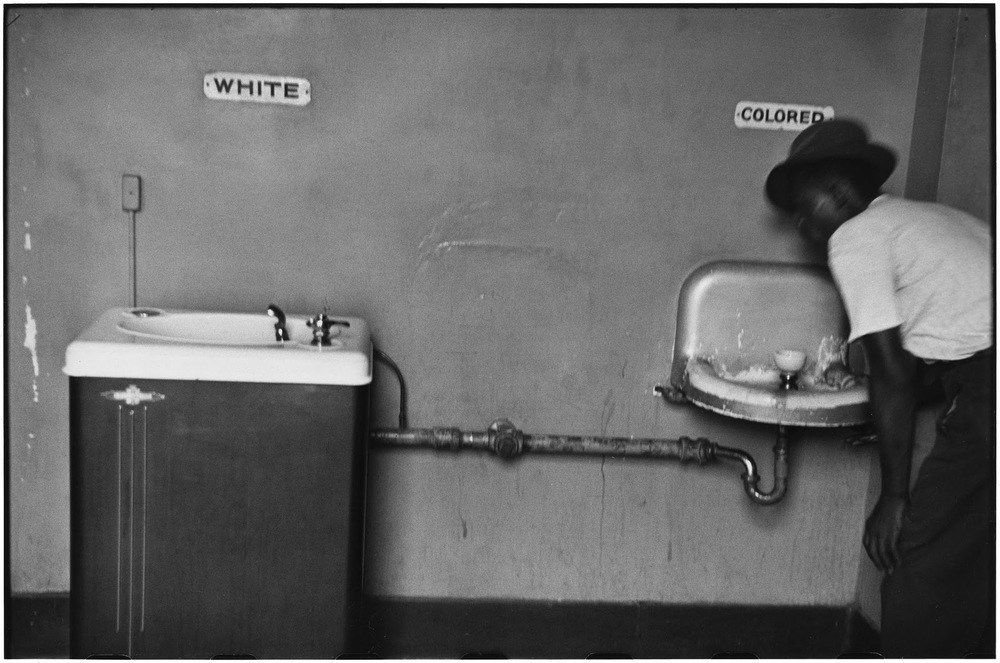
Established “Separate but Equal”, which provided separate public facilities for both whites and blacks as long as they were equal.
District of Columbia v Heller
In Re Gault
Brown v Board of Education
Plessy v Ferguson
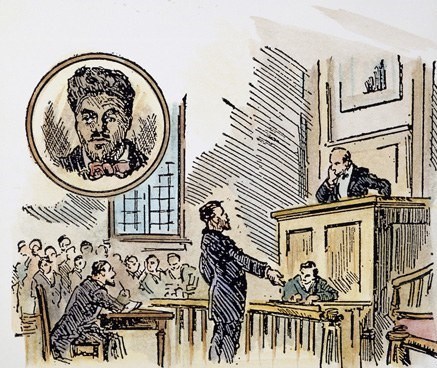
What was the Supreme Court's decision in the Dred Scott case?
That slavery diminished the national character.
That African American rights were protected by the Constitution.
That African Americans did not have the right to sue in federal court because they were not citizens
That slavery should be abolished by executive order
Marbury v. Madison
Court case - established that anyone born in the U.S., regardless of race, is a U.S. citizen.
The 14th Amendment overturned the case
Court case – established
“judicial review”
Court case - states now offer poor defendants the services of a public defender.
Court case – “Separate but equal”- segregation laws were further strengthened across the south.
Gideon v. Wainwright
Court case - states now offer poor defendants the services of a public defender.
Laws based on customs, traditions, and prior court decisions (precedents) on similar cases.
Court case – established
“judicial review”
Court case- the decision emphasized that even the President is not above the rule of law.
Supreme Court
The highest court in the United States.
Principles found in the Constitution
Affecting everyday people’s lives
Laws based on customs, traditions, and prior court decisions (precedents) on similar cases.
In re Gault
Court case – Police must read suspects their “Miranda” rights.
Court case- states reformed their juvenile justice procedures.
Court case- the decision emphasized that even the President is not above the rule of law.
Court case- the first step toward ending racial segregation in the South (ended racial segregation in schools).
Brown v. Board of Education
Court case- states reformed their juvenile justice procedures
Court case – Police must read suspects their “Miranda” rights.
Court case- the first step toward ending racial segregation in the South (ended racial segregation in schools).
Laws based on customs, traditions, and prior court decisions (precedents) on similar cases.
Miranda v. Arizona
Court case- states reformed their juvenile justice procedures
Court case – Police must read suspects their “Miranda” rights.
Court case- the first step toward ending racial segregation in the South (ended racial segregation in schools).
Laws based on customs, traditions, and prior court decisions (precedents) on similar cases.

