
NEW
Font size
 Worksheets
Non-neoplastic bone diseases
Total questions: 30
Worksheet time: 17mins
The technical term for "bones softened by Vitamin D deficiency"
osteomalacia
osteoporosis
osteoscoliosis
urarthritis
The simplest type of fracture; bone is partly bent, but not completely separated:
Greenstick
Stress fracture
Comminuted
Simple
The bone is snapped in two but doesn't break the skin
Simple fracture
Compound fracture
Greenstick
Comminuted
Woven bone is normally seen in adults during:
Normal growth
Aging
Fracture repair
Osteoporosis
Achondroplasia is caused by mutation in which gene?
COL1A1
COL2A1
FGFR3
PTH gene
Achondroplasia mainly affects which process?
Intramembranous ossification
Endochondral ossification
Bone remodeling
Mineralization
A typical clinical feature of achondroplasia is:
Fragile bones
Short limbs with normal trunk
Blue sclera
Hearing loss
Osteogenesis imperfecta is caused by defective synthesis of:
Vitamin D
Calcium
Type I collagen
Phosphate
Blue sclera is a feature of:
Achondroplasia
Osteopetrosis
Osteogenesis imperfecta
Paget disease
Osteopetrosis is due to failure of which cell?
Osteoblast
Osteocyte
Osteoclast
Chondrocyte
Bones in osteopetrosis are best described as:
Soft and flexible
Normal and strong
Hard but brittle
Thin and porous
Paget disease of bone usually affects which age group?
Children
Adolescents
Adults < 40 years
Adults > 55 years
A characteristic histological feature of Paget disease is:
Mosaic pattern of bone
Thin cortex
Crowded osteocytes
Caseous necrosis
Which enzyme level is typically elevated in active Paget disease?
ALT
ALP
Creatinine
CK
Osteoporosis is characterized by:
Defective mineralization
Normal bone mass
Reduced bone mass with normal mineralization
Excess osteoid
The most common fracture site in osteoporosis is:
Skull
Vertebrae
Clavicle
Tibia
Osteomalacia is primarily caused by deficiency of:
Vitamin D
Calcium
Phosphate
Magnesium
A histological feature of osteomalacia is:
Thick cortex
Widened osteoid seams
Mosaic bone
Sequestrum
Rickets differs from osteomalacia because it occurs in:
Elderly
Adults
Children
Pregnant women
Excess parathyroid hormone causes:
Decreased bone resorption
Increased osteoclast activity
Increased mineralization
Bone sclerosis
Brown tumors are seen in:
Hyperparathyroidism
Osteoporosis
Osteomalacia
Paget disease
Renal osteodystrophy is caused by:
Vitamin A deficiency
Chronic renal failure
Liver disease
Excess calcium intake
The first stage of fracture healing is:
Soft callus formation
Hard callus formation
Hematoma formation
Remodeling
The most common causative organism of pyogenic osteomyelitis is:
E. coli
Streptococcus pyogenes
Mycobacterium tuberculosis
Staphylococcus aureus
Dead bone separated from living bone in osteomyelitis is called:
Involucrum
Sequestrum
Callus
Granuloma

What is the most likely diagnosis?
Achondroplasia
Rickets
Osteopetrosis
Osteogenesis imperfecta
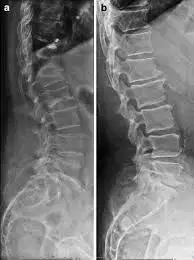
The most likely underlying diagnosis is:
Osteomalacia
Osteoporosis
Paget disease
Osteopetrosis
A 69-year-old man has long-standing back and leg pain. He has difficulty hearing and reduced hip movement. His hat size has increased. X-rays show dense, sclerotic bones, and his serum alkaline phosphatase is elevated. What is the most likely diagnosis?
Vitamin D deficiency
Paget disease of bone
Renal failure with renal osteodystrophy
Osteoporosis
A 4-year-old child presents with bowed legs and widened costochondral junctions. Blood tests show low vitamin D and low serum calcium. Which of the following best explains these findings?
Impaired mineralization of osteoid.
Defective osteoid production.
Excessive bone resorption.
Overproduction of woven bone.
An elderly postmenopausal woman has back pain, height loss, vertebral compression fractures, and thin trabeculae with normal mineralization. What is the diagnosis?
Osteodystrophy.
Osteomalacia.
Osteopetrosis.
Osteoporosis

