
 Worksheets
TOPIC 3 MANUFACTURING COST
Total questions: 48
Worksheet time: 24mins

Based on the introduction graphic, select the statement that best defines manufacturing.
Activities and processes that convert raw materials into finished goods
Selling finished goods to customers
Transporting products to warehouses
Planning marketing campaigns
According to the introduction, when are manufacturing costs incurred?
During the production process
Only during pre‑production design
After distribution to retailers
During marketing and sales
Which set primarily makes up manufacturing costs, as stated in the introduction?
Direct materials, direct labour and manufacturing overheads
Selling expenses, administrative salaries and research and development
Distribution, advertising and customer service
Raw materials, office rent and sales commissions
Select all components that primarily make up manufacturing costs, as described in the introduction.
Direct materials
Direct labour
Manufacturing overheads
Advertising expenses
According to the worksheet, which description best defines direct materials used in production?
Main raw materials used in making finished goods that can be traced physically and directly to the finished product
Secondary supplies consumed incidentally and cannot be traced to the finished product
Costs incurred for administration and selling activities outside production
Indirect labor supporting various departments without physical traceability
What does direct materials cost refer to in the context of production?
Costs of the main raw materials used
Total manufacturing overheads
Selling and distribution expenses
Depreciation of machinery and equipment

In the production of sandwich bread, which cost listed on the worksheet is a direct material?
Cost of flour
Cost of cotton
Cost of wood

For spinning cotton yarn, which cost listed on the worksheet is a direct material?
Cost of cotton
Cost of flour
Cost of wood

In making furniture, which cost listed on the worksheet is a direct material?
Cost of wood
Cost of flour
Cost of cotton
Which characteristic in the worksheet identifies materials as direct materials?
They can be traced physically and directly to the finished product
They are impossible to trace to any specific product
They relate only to administrative functions
They consist solely of indirect labor
Which statement on the slide describes indirect materials in relation to the finished product?
They are not physically visible or traceable to the finished product
They are always the largest portion of total cost
They are directly measured and tracked into each unit
They are primarily used for marketing
Why are indirect materials described as impractical to trace in the slide?
Their physical association with the finished products is too small in terms of cost
They are illegal to include in cost accounting
They are always outsourced to third parties
They lack any physical association with the product
In cost classification, indirect materials cost are considered part of what?
Manufacturing overhead
Direct labor
Prime cost
Selling and distribution

Which example on the slide illustrates an indirect material in the clothing industry?
Cost of buttons and decorative items used in clothing
Cost of fabric used for the main garment panels
Cost of sewing machine purchase
Cost of finished garments shipped to retailers

Which example illustrates an indirect material in shoe-making?
Cost of thread and nails used in shoe-making
Cost of leather for the shoe upper
Cost of soles attached to the shoe
Cost of packaging boxes for shipping

Which costs are explicitly not included in the purchase price and shall be billed separately?
Packaging, transportation, insurance, and other incidental expenses
Seller’s administrative overhead
Value-added tax
Discounts for early payment

Who shall bear any charges, taxes, customs duties, or other levies in connection with delivery?
The supplier
Shared equally by the supplier and the customer
The customer
The logistics provider

what does a purchase discount mean according to the passage that states it is a deduction a payer can take from an invoice amount if payment is made by a certain date before the discounted period ends?
A deduction from the invoice amount for paying within the specified early period
A rebate given only for bulk quantity purchases regardless of payment timing
An additional surcharge applied for expedited delivery of materials
A price increase applied when payment is made before the due date

According to the passage on Purchase Discount, when is this discount typically used? The text notes it is used when a seller needs to accelerate the inflow of cash.
When the seller needs to accelerate cash inflow
When the buyer requests extended credit terms
When inventory becomes obsolete and must be cleared
When shipment delays require compensation

Based on the passage on Purchase Discount under Elements Related to Material Cost, what is the effect of a purchase discount on the cost of acquiring raw materials? The text states a purchase discount will reduce the cost of purchasing raw materials.
It reduces the cost of purchasing raw materials
It increases the cost of purchasing raw materials
It has no effect on material purchase cost
It applies only to service contracts, not materials

Based on the definition shown, warehouse insurance is a policy that protects which aspects when goods and merchandise are transported and stored under the care, custody, or control of the warehouse.
Legal liability, costs, and expenses
Only physical damage to the warehouse building
Only employee injury claims
Only damage to transport vehicles

According to the definition, the protection applies when which party transports and stores goods and merchandise under the warehouse’s care, custody, or control.
The buyer or seller
Customers browsing a showroom
A manufacturer during fabrication on the production line
Auditors reviewing financial statements

In the phrase “care, custody or control of the warehouse,” coverage most directly applies when which condition is met for the goods and merchandise.
They are under the warehouse’s responsibility
They are with end consumers after purchase
They are being processed in a factory production line
They are displayed in a retail storefront
inventory is the number of stocks held by a business or a company and considered as .......?
liability
expense
asset
revenue
good inventory management is a key to a company in achieving which goals? Select all that apply.
meeting customers’ demand
having high profitability
reducing taxes
increasing fixed costs
Based on the "Just-In-Time" description shown, when are goods manufactured or purchased under the JIT inventory method?
Just in time for sale
Far in advance to build safety stock
At the end of the fiscal year
Only when suppliers have excess capacity
According to the "Just-In-Time" description, what does JIT focus on providing customers with?
Stocks at the right time and with the right stock quality and quantity
The lowest possible price regardless of timing
Massive stockpiles to avoid stockouts
Custom products with extended lead times
From the "Just-In-Time" description, what is a key aim of JIT?
Reducing in-process inventory and carrying costs while maximizing profits
Increasing warehouse capacity to store more items
Lengthening production cycles to ensure quality
Outsourcing most operations to third parties
According to the "Just-In-Time" description, why was JIT developed for companies?
To meet customers’ demands on time with minimum time, resource, and material wastes
To standardize all products globally
To eliminate the need for suppliers
To prioritize marketing activities over operations
What does direct labour cost refer to?
Wages or salaries paid to workers directly involved in production
Cost of raw materials used in manufacturing
General factory overhead such as utilities
Salaries of administrative office staff
Which group is described as direct labour employees?
Factory employees physically and directly associated with converting raw materials into finished goods
Office staff responsible for payroll and accounting
Sales team promoting finished goods to customers
Building maintenance crew handling facilities upkeep
The amount of direct labour wages or salaries can be conveniently identified with what?
A particular line, product, job or process
Overall company revenue
General administrative expenses
Marketing and promotion campaigns

Which is an example of a direct labour cost?
Assembly line wages
Advertising agency fees
Office receptionist salary
Factory building rent
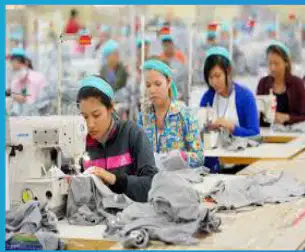
Select all items that qualify as direct labour costs.
Assembly line wages
Tailor in a clothing factory wages
Graphic designer’s salaries in a printing factory
Security guard’s wages
Indirect labour costs are considered part of what category of production cost according to the passage text: "Indirect labour costs are considered part of manufacturing overhead."
manufacturing overhead
direct materials
direct labour
selling expenses
The passage defines indirect labour cost as wages or salaries paid to factory employees that have what relationship to the finished product, as stated: "no physical association with finished product"?
no physical association with the finished product
a direct physical association with each unit produced
a measurable one-to-one linkage with each specific good
directly traceable to individual units via time sheets
Which statement best explains why certain labour costs are classified as indirect, based on the text: "or which is impractical to trace costs to goods produced"?
It is impractical to trace the labour cost to specific goods produced
It always requires specialized tools unique to the product
It occurs outside the factory premises
It is paid on a salaried basis rather than hourly
Select all examples that can be identified as indirect labour costs under manufacturing overhead.
Manager salaries
Factory supervisors’ salaries
Factory security personnel salaries
Janitor’s salaries
Indirect labour cost refers to wages or salaries paid to which group of workers?
factory employees
sales representatives
customers
suppliers

which description correctly defines wages for employees.
Calculated on actual hours worked and paid at a predetermined hourly rate
A fixed amount paid to employees on a monthly basis
An amount paid per sale as commission
An annual bonus paid once a year

According to the slide Elements Related to Labour Cost — Wages and Salaries, which description correctly defines salary for employees.
A fixed amount paid to employees, normally on a monthly basis
A variable amount based on actual hours worked at an hourly rate
An amount paid per unit produced
A cash bonus paid irregularly

Which statements about wages . Select all that apply.
Calculated based on actual hours worked
Paid at a predetermined hourly rate
Normally paid monthly as a fixed amount
Includes basic wages and other cash payments for work done under a contract of service

which option best defines overtime?
Hours worked beyond normal working hours
Hours worked within normal working hours
Unpaid break time during a shift
Paid leave taken during normal working hours

what does overtime pay represent?
Payment for work performed beyond normal working hours
Bonus for meeting production targets regardless of hours
Regular salary for normal scheduled hours
Reimbursement of job-related expenses

From the slide titled "Elements related to labour cost – 2. Overtime", which statements are accurate? The slide includes: "Overtime is hours worked in excess of normal working hours." and "It is a remuneration paid to employees for work done during hours in excess of normal working hours."
Overtime is hours worked in excess of normal working hours
Overtime is a remuneration paid for work done during hours in excess of normal working hours
Overtime is unpaid break time within a shift
Overtime is regular salary for normal scheduled hours

EPF stands for ....
Employees Provident Fund
Employee Pension Fund
Employer Provident Fund
Employment Protection Fund

In Malaysia, EPF is commonly known as which organisation name?
KWSP (Kumpulan Wang Simpanan Pekerja)
SOCSO (Social Security Organisation)
LHDN (Inland Revenue Board)
Bank Negara Malaysia

According to the law when must companies remit EPF contribution sums to KWSP?
Before the 15th day of the following month
By the end of the current month
Before the 7th day of the following month
On the 30th day of the following month

