
 Worksheets
U6 Review
Total questions: 107
Worksheet time: 1hrs 28mins
ATG TGA CAG

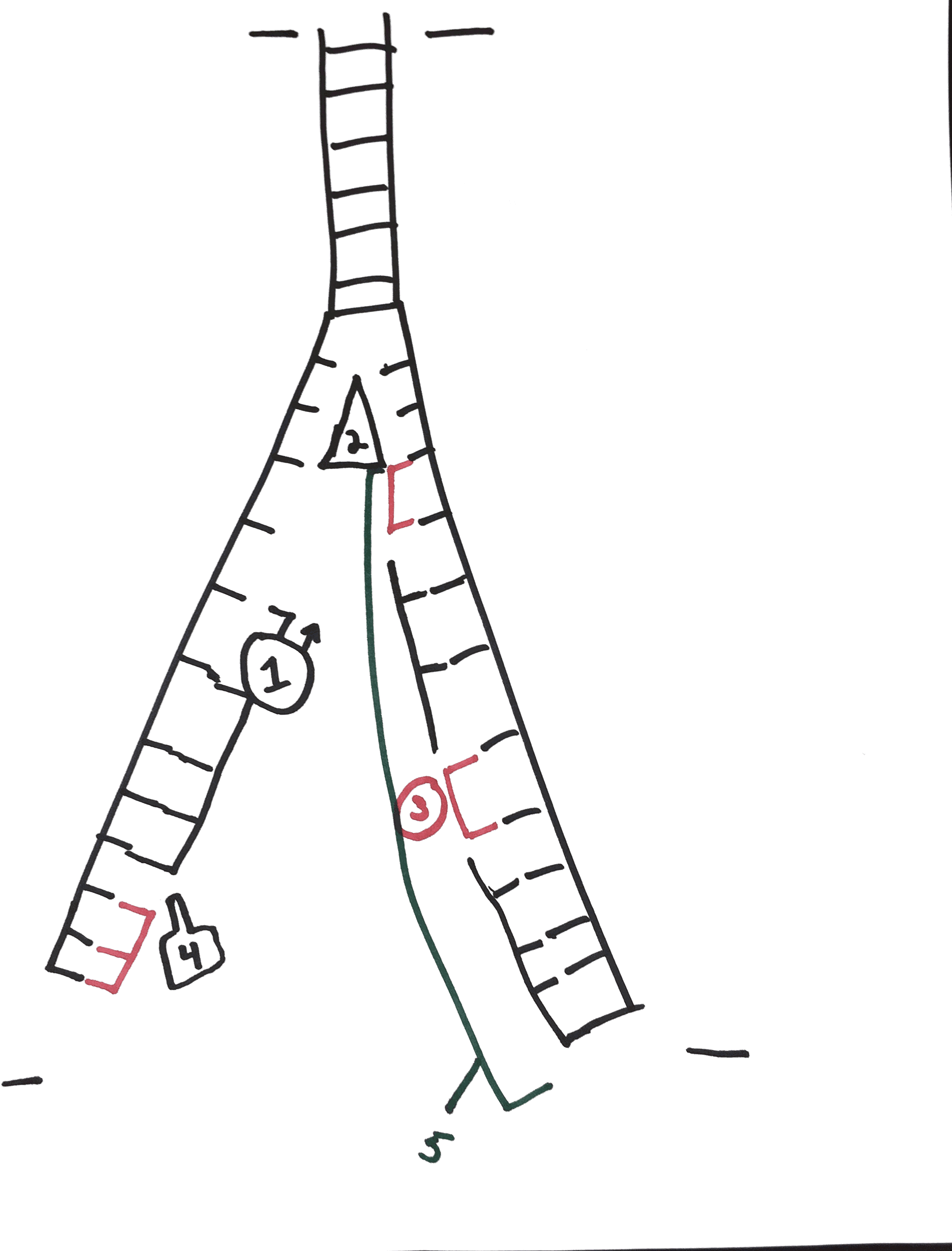
#3 setting Primers
Ligase
Helicase
Polymerase
Primase
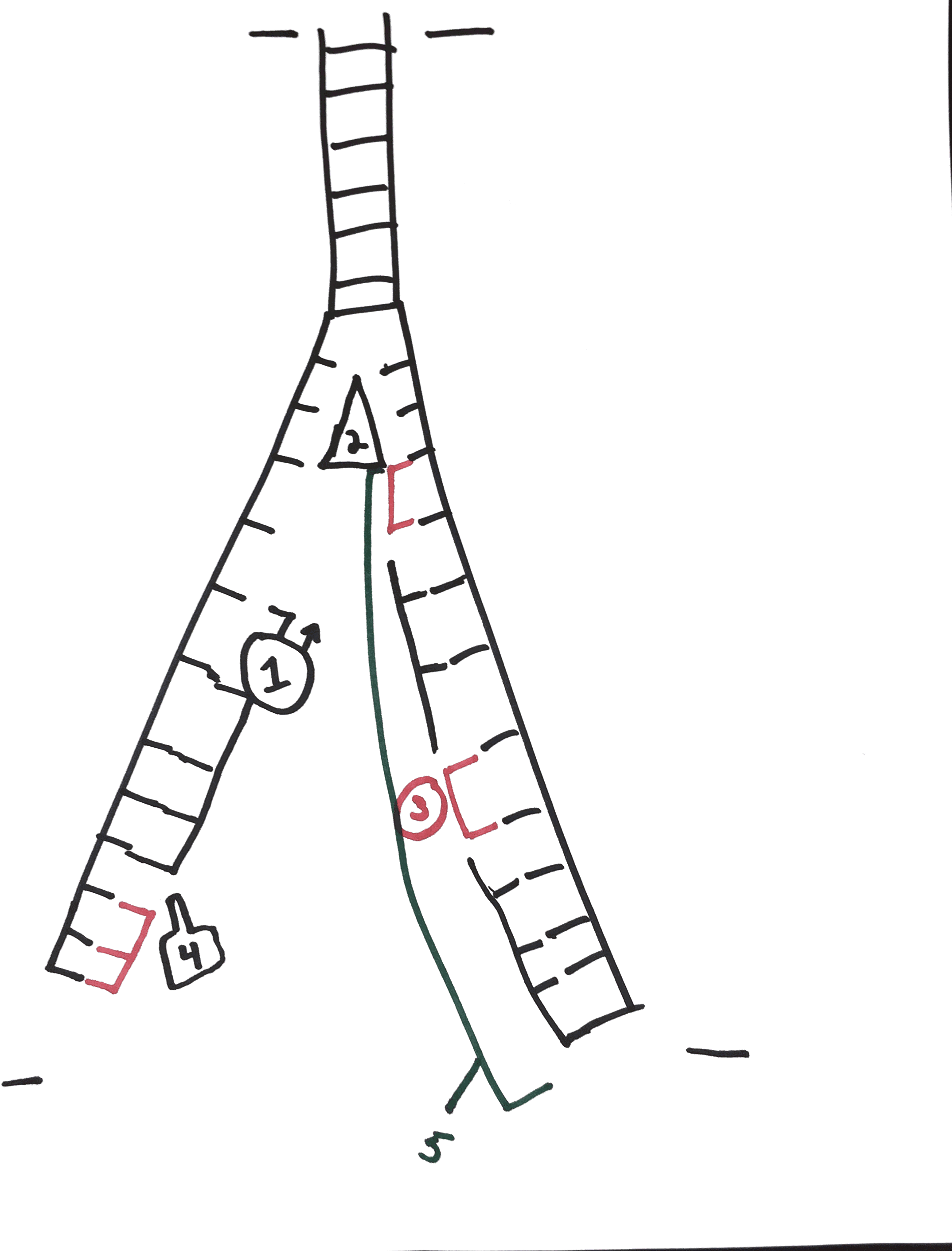
#4 in the picture
Polymerase
Primase
Helicase
Ligase

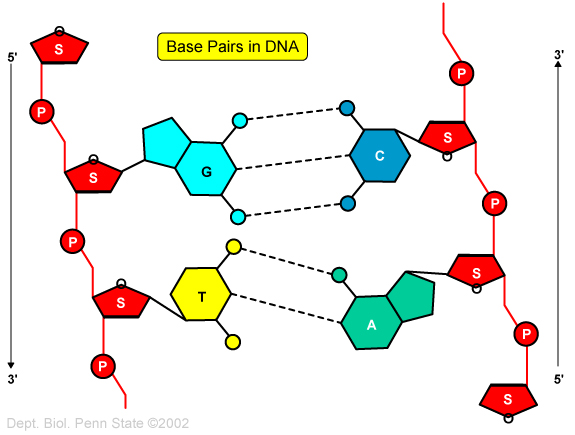
ATG TGA CAG
Which enzyme is responsible for unzipping or the DNA molecule when replication begins?
Helicase
DNA breakase
Primase
DNA polymerase
Which enzyme is responsible for gluing together the Okasaki fragment on the lagging strand during DNA replication?
Ligase
Helicase
Amaylase
DNA polymerase
Where does the DNA molecule unzip at during DNA replication?
Between the sugar and phosphate
Between the sugar and nitrogen bases
Between the nitrogen bases
Which part of a DNA molecule is responsible for the direct coding of specific traits in an organism?
The number of hydrogen bonds that hold the strands of DNA together
The number of carbons in the DNA molecule.
The sequence of nucleotide bases in the DNA molecule
The sequences of phosphates along each DNA strand


AATCATGGA

S Phase
Telophase

M Phase
Anaphase
Prophase

G1
S phase
G2
M Phase
Mitosis

During which part of the cell cycle does the cell grow?
G1
S phase
G2
Mitosis
M phase

Metaphase

Prophase

Telophase

Anaphase

Telophase
To make the cell grow in size
Uncontrolled cell division which usually leads to tumors and disease is called:
High cholesterol
Blood clots
Cancer
Diabetes
The phase of mitosis when chromosomes align in the
middle is called ________
anaphase
prophase
telophase
metaphase
The first phase of mitosis is called _______________ .
telophase
metaphase
anaphase
prophase
The stage of mitosis where the sister chromatids separate:
prophase
anaphase
telophase
metaphase
Which is NOT a phase of the cell cycle?
Interphase
Cytokinesis
Mitosis
Duplication
In what phase does DNA condense to form chromosomes?

What is happening in this picture?
mitosis
interphase
cytokinesis
Cells of organisms must replicate for?
Growth
Replacement of dying cells
Repair of damaged cells
All of the above


G1, S, G2 are all part of what stage of the cell cycle?
Cytokinesis
Interphase
Mitosis
Telophase
Through a microscope, you observe chromatids aligning in the center of the cell. What phase of mitosis is this cell in?
Telophase
Anaphase
Metaphase
Prophase
Which of the following does NOT occur during mitosis?
Condensation of the chromosomes
Separation of sister chromatids
Replication of the DNA
Spindle formation


Cytokinesis is the first stage of mitosis.
True
False


Identify the following stage of the life cycle of the cell in the picture.
interphase
prophase
metaphase
anaphase
telophase

Which checkpoint involves ensuring all DNA has been replicated and "no" errors exist?
G1
G2
M
S
A chromosome is packaged
DNA
Protein
Carbohydrates
Lipids
Why is cell division regulated?
To prevent uncontrolled growth
To promote the formation of tumors
To increase the size of multicellular organisms
To stimulate the production of growth hormones
What is one characteristic of cancer cells?
They communicate effectively with healthy cells
They anchor themselves securely like other cells
They divide too frequently and uncontrollably
They secrete growth hormones to promote cell division
What is the purpose of checkpoints in the cell cycle?
To ensure cells are growing well
To check for DNA damage
To prevent cells with harmful mutations from dividing
All of the above
What happens if a cell doesn't meet the requirements of a checkpoint?
It pauses until the issue is fixed
It undergoes apoptosis
It continues to divide uncontrollably
It enters a resting phase

Cancer cells do not pass cell cycle checkpoints, and so they undergo apoptosis and die.
True
False

What is it in the structure of DNA that causes the minor differences in you and I?
The sequence of the sugar and phosphates
The sequence of the nitrogenous bases
The number of sugars and phosphates
The number of nitrogenous bases

Which letter represents an organized package of DNA?
A
B
C
D
E
If there is 35% Adenine bases in someone's DNA, how much Thymine is there?
35%
15%
If there is 35% Adenine bases in someone's DNA, how much Cytosine is there?
35%
15%

Put the steps of DNA replication in the correct order:
A, B, C, D, E
D, E, B, C, A
C, B, E, D, A
E, D, C, B, A
Explain how the failure of p53 can lead to the formation of cancer cells.
p53 failure allows cells to skip mitosis.
p53 failure allows cells to divide without proper regulation, leading to cancer.
p53 failure causes cells to stop dividing.
p53 failure results in the death of non-cancer cells.
Describe the typical process of cell division in non-cancer cells.
Cells divide randomly without any regulation.
Cells divide through a series of phases ending with mitosis, regulated by p53.
Cells divide only when they are damaged.
Cells divide by fusing with other cells.
Predict the consequences of a malfunctioning p53 protein in a cell.
The cell will stop dividing permanently.
The cell may divide uncontrollably, potentially leading to cancer.
The cell will become immune to cancer.
The cell will undergo apoptosis immediately.
What strategic approach could be used to study the transition of non-cancer cells to cancer cells?
Ignore the role of p53 and focus on other proteins.
Analyze the cell cycle and the role of p53 in regulating cell division.
Study only the final stages of cancer development.
Focus solely on the genetic material of non-cancer cells.
What is apoptosis? What is its purpose?
Programmed cell death to eliminate unnecessary cells
The process of cell division
The process in which a cell specializes in structure and function
The process of DNA replication
Imagine you are observing a cell in a lab during the G1 phase of interphase. What would be the primary activity of the cell during this phase?
The cell is dividing into two
The cell is dying
The cell is growing and preparing for DNA replication
The cell is differentiating into a specific type
Imagine you are observing a cell under a microscope. What would you expect to see during the S phase of the cell's life cycle?
The cell is in a resting phase
The cell is dividing
The cell is replicating its DNA
The cell is growing
What causes cancer?
Errors in the regulatory process of the cell cycle that results in uncontrolled cell growth
There is no known cause for cancer
Viruses and other pathogens
Catching it from someone you know that has cancer
Why does the cell cycle occur? Check all that apply:
To ensure the body has a fresh supply of healthy cells
To repair any damaged cells, such as after a wound or injury
When an organisms grows
_________________ is a critical point where stop and go signals can regulate the cell cycle.
Metastasis
Checkpoint
Apoptosis
Cancer
Cancer is defined as the
uncontrolled division of mutated cells
normal division of cells
normal DNA replication
abnormal ATP synthesis
Cell programmed self destruction is called
Atopic
Apoptosis
Abi-normal
Anticellular
When a eukaryotic cell is not dividing, its genetic material can be found in the form of very long thin fibers called
chromatin
chromosomes
the nucleolus
RNA
A cell has 12 chromosomes. How many chromosomes will each daughter cell have
4
6
12
24
What is cancer caused by?
A cell membrane damage
A mutation in the DNA either naturally or by the environment
Poisoning
Immune-system damage

Healthy cells will ....
never divide.
divide, but maintain a consistent number of cells.
divide slowly and die off quickly.
divide without a limit and increase in number rapidly.
Cancer cells will ....
never divide.
divide, but maintain a consistent number of cells.
divide slowly and die off quickly.
divide without a limit and increase in number rapidly.

One of the characteristics of life is that all living things have a limited lifespan. If fact, most cells can only divide about 50 times before they die. This pre-programmed cell death is called ....
meiosis.
apoptosis.
mutation.
mitosis.

