
 Worksheets
APES Unit 6 Oceanography
Total questions: 108
Worksheet time: 2hrs 50mins
In which cycle is limestone a key factor?
Carbon
Phosphorus
Nitrogen
Sulfur
About what % of water is salt water?
3%
50%
75%
97%
What nutrients are most likely to cause algae blooms?
Nitrogen and Sulfur
Sulfur and Carbon
Nitrogen and Phosphorus
Sulfur and Phosphorus
Turbidity is a measure of:
The health of a stream
The clarity of the water
Dissolved Oxygen
Speed of the water
If water is a mixture of salt and freshwater, it is considered
Brackish
Turbid
Polluted
Limnetic
If you are in a marine area where you have to be adapted to strong waves and drying out you are in a:
Intermediate Zone
Photic Zone
Intertidal Zone
Aphotic Zone
Coral Reefs are built by
Rocks piling up in areas
Sponges
Tiny animals called polyps
Sand that sediments into rock
The pelagic zone is
The area of the ocean that is not intertidal.
The area of lakes that is too deep for sunlight
The area of ocean that is too deep for sunlight
The bottom of a lake
The aphotic zone is
Too deep for any light to penetrate
Also called the midnight zone
Too deep for photosynthesis.
The area with enough light for photosynthesis.
Hydrothermal vents are areas where what happens?
Plants make energy using photosynthesis.
Plants make chemosynthesis.
Bacteria make energy using photosynthesis.
Bacteria make energy using chemosynthesis.
Why does ocean temperature decrease drastically as you go below 200m?
You are farther away from the source of heat.
Warm water sinks
Cold water rises
There is no more photosynthesis
Why does the salinity go back up as you go deeper than 1000m.
Water with more salt is less dense
Water with more salt is more dense
Water is saltier at the surface where there is evaporation.
Water is less salty at the surface where there is more evaporation.
Upwelling happens more near shorelines because:
The water is more shallow
The wind is stronger
The water has more nutrients near the surface
It does not.
What is correct about Ocean Currents?
Salty, Cold water sinks
Less Salty, Warm water sinks
Salty, Warm water sinks
Less Salty, Cold water sinks
Overgrazing of public land by privately owned livestock is an example of the
Right of eminent domain
Tragedy of the commons
Tragedy of overgrazing
Principle of manifest destiny
The loss of the Atlantic Cod around Newfoundland occurred because those fisheries were…
Underexploited
Fully exploited
Overexploited.
None of the above.

What position on the food chain do fish like Atlantic Cod and Bluefin Tuna occupy?
TL2
TL3
TL4
TL5
Which is true about aquaculturing?
The amount of aquacultured fish has decreased significantly in favor of wild-caught fish.
Aquaculturing requires the same inputs as other forms of animal agriculture, including feed and antibiotics.
Aquaculture operations do not affect the surrounding ecosystem in any adverse way.
All of the above are true.
The United States has established annual catch limits to ensure fishing stocks can recover each year. Which of these statements best describes how these limits are established?
The catch limits are lower than the maximum sustainable yield
The catch limits are equal to the maximum sustainable yield
The catch limits are greater than the maximum sustainable yield
Catch limits are based on consumer demand, not on the health of fish stocks
What type of fishing has baited hooks are attached to a single fishing line that trails behind a ship
Pole Fishing
Long Line Fishing
Purse Seining
Trawling
What is the difference between aquaculture and fisheries?
Aquaculture raises ocean species, while fisheries raises freshwater species
Aquaculture requires feeding fish other fish, while fish in fisheries can eat soybean and corn
Aquaculture involves raising aquatic species, while fisheries are natural resources harvested without direct human input
Fisheries involves raising aquatic species for feeding to aquaculture species
What are the majority of aquaculture fish foods made of?
Other Fish
Corn
Seaweeds
Clams
Warming seas will...
Increase the number of storms
Decrease the number of storms
The number if storms will stay the same

What is the main cause of coral bleaching?
Higher ocean temperatures
Not enough carbon dioxide is dissolved in ocean water
Whales chewing on coral reefs
Too much sunlight
Which type of fishing has high rates of bycatch and highly destructive of benthic communities.
Pole Fishing
Long Line Fishing
Purse Seining
Trawling
type of fishing has the lowest rates of bycatch.
Pole Fishing
Long Line Fishing
Purse Seining
Trawling

The graph above shows the change in Canada’s harvest of Atlantic Cod from 1950-2004. What change occurred between 1992-1993?
The stocks of Atlantic Cod collapsed.
Harvests of Atlantic Cod rapidly decreased.
Canada declared a moratorium to all cod fishing in Newfoundland and Labrador.
All of the above.
What restrictions are placed on fishing in marine reserves?
Fishing is not restricted in marine reserves.
Fishing is allowed, but only at levels below the maximum sustainable yield
Fishing is allowed, but only species that are not endangered
All harvesting of marine organisms is illegal in marine reserves
The farming of marine creatures like fish is called
Aquaculture
Fishing Farming
Agriculture
Fishing
Which of the following is a direct economic advantage associated with aquaculture?
Aquaculture breeds genetically modified fish to increase the amount of biodiversity in the population.
Aquaculture reduces the number of fishing operations in an area.
Aquaculture produces large amounts of seafood for human purchase and consumption year-round.
Aquaculture requires large bodies of water for its operations.
Which of the following best explains why the maximum sustainable yield for ocean fisheries has been exceeded?
Populations of fish-eating birds such as the albatross have increased.
Too many fish of reproductive age are harvested.
Too many marine fish farms have been created.
Everything trapped by large bottom trawl nets is used for food.
For every calorie of fish caught, a ship uses only about 0.5 calorie of fuel energy.
Which of the following is an unintended environmental consequence of aquaculture?
Meeting an increasing demand for seafood
Decreasing the prevalence of disease in nearby wild fish
Contamination of surrounding water by organic waste
High initial cost of facility
One way that consumers can help prevent a decrease in the number of fish species that are experiencing population declines is to
help get laws passed that allow more fishing in areas that are not fished currently, therefore opening access to greater numbers of fish
purchase fish harvested through the use of purse seining and long-lining methods so that only the largest fish are caught
invest in companies that fish near coral reefs, which would take pressure off deep-sea species and eliminate the need for advances in technology
eat fish that are caught using sustainable harvesting methods, therefore ensuring fish populations remain stable and reducing the amount bycatch harvested
Which of the following is true of farm-raised salmon?
They are more genetically diverse than their wild counterparts.
They seldom escape from their containment areas.
They have no impact on the quality of the water in which they are raised.
They are often infected with parasites and sea lice.
They are maintained at lower population densities than are wild salmon.
The major cause for the decline in the worldwide catch of fish since 1990 is
acid deposition
escalating price of fuel
competition from aquaculture
overfishing
decline in market price
What is a "TED" in the context of fishing nets?
A device used to improve the amount of fish caught.
A device that monitors what species are being caught.
A device that helps turtles escape from the nets.
A device that tracks the location of nets that get lost.
What is the correct term for organisms you accidentally catch and kill while fishing?
Bycatch
Afterkill
Tragedy of the Commons
Bystanders
Why are mangrove swamps important? (Select all)
They protect coastlines from erosion
They are nurseries for fish
They reduce damage from storms
They only exist in brackish water
Which of the following is true about saltwater marshes vs. mangrove swamps?
Saltwater marshes are protect coastlines where mangroves are not.
Mangrove swamps are protect coastlines where saltwater marshes are not.
Saltwater marshes are along temperate coastlines where mangroves are along tropical coastlines.
Saltwater marshes are along tropical coastlines where mangroves are along temperate coastlines.
What color of light is filtered out first by water?
Yellow
Violet
Blue
Red
What color of light is able to travel the deepest into the water?
Yellow
Violet
Blue
Red
Which of the following is NOT true about estuaries?
They exist at/ near the mouth of rivers.
They have brackish water
They are affected by tides.
They exist in the open ocean.

Be sure you know the names and major characteristics of each of the ocean zones and can identify them if given a blank diagram.
Oops! Guess I better study!
I feel confident about this.
Oil spills are a form of...?
Animal murder
Environment saving
Pollution
Environment harm
What are three ways to clean up oil spilled in the water?
burning, skimming, and containment
scooping, looping, and tubing
soaking, booming, and microbes
ALL of the followed were affected by the oil spill EXCEPT for...
fishing and shrimping
tourism
people's jobs
growing of crops
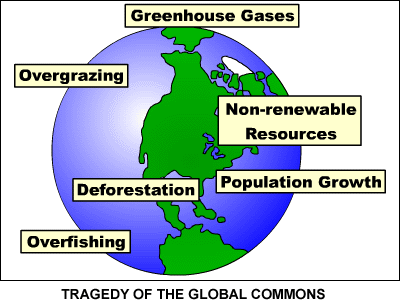
Which of the following is the best illustration of the 'Tragedy of the Commons?'
Agreements among western ranchers to jointly manage common grazing land
Depletion of fishing stocks in the North Atlantic
Removing fish from the ocean up to the maximum yield.
Using sustainable fishing techniques like a pole or spear.
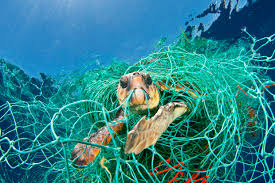
Marine debris can cause animals to:
Starve
strangle
Suffocate
all of the above.
Which water quality test will best determine the disruption of photosynthesis caused by cloudy water conditions from sedimentation?
Temperature
Salinity
Dissolved oxygen
pH
Turbidity
What is an oil spill?
A release of oil into the environment
When an oil tanker gets hit and oil spills, into the ocean
When oil spills in the ocean and land
All of the above
Oil spilled from the tanker Exxon Valdez because
it ran into an iceberg.
it collided with another ship.
it ran aground on the beach.
it ran aground on a reef.
The animals hit the hardest from the oil spill were
the sea otters and birds.
whales.
polar bears.
none.


Why is the Exxon Valdez oil spill remembered?
The Exxon Valdez spill damaged the unspoiled coast of Alaska.
The Exxon Valdez was the largest oil tanker to ever carry oil.
The Exxon Valdez was the only tanker to have more than one large accident.
What may be impacted by oil that washes up on the shoreline?
Tourism
Fishing
Wildlife
All of these
How does plastic waste cause marine life and sea birds to starve?
They mistake plastic for food, which clogs their stomachs and doesn't leave any room for real food.
Plastic takes up space in the water so marine animals have no place to live.
The plastic in the ocean is so dense that the marine life cannot find food easily.
Plastic doesn't cause marine life or sea bird to starve: they're smart enough to know the difference between plastic and food.
Microplastic is _____.
large in size
small in size
very huge in size
very tiny in size
Plastic bags can be harmful to sea turtles because..
they think it is food
they eat it
they can get trapped in it
they are not harmful
True or False: Plastic is biodegradable, and breaks down rapidly in nature
True
False
How long does a plastic bottle remain in the environment
1 month
1 year
10 years
100 years or more
Animals are impacted by plastic because:
It is full of toxins
It traps them, and when they eat it can starve them
It takes up space in their natural habitat
It kills their food, meaning they're left with nothing to eat
Plastic can be recycled over and over again infinitely
True
False

Microplastics can end up everywhere including drinking water
true
false
Why is plastic used so extensively?
Because it is durable
Because it is strong
Because it is cheap
All of the above
Why is plastic dangerous for animals?
*** choose all that apply***
They can be trapped in plastic things.
They can choke with small plastic pieces and die.
They can eat plastic which fills their stomaches and they die of starvation because they don't feel hungry.
Plastic is not so dangerous for animals.
What do scientists call plastics when they break down into tiny pieces?
Microtrash
Microplastics
Microparticles
Macroplastics
What happens to plastic waste?
It is a biodegradable material so it eventually disintegrates
It never fully goes away, it just breaks into little pieces
There is no such thing as plastic waste, all plastic is recycled
It is dumped in the ocean for fish to eat
What are plastics made of?
Coal
Oil and Natural Gas
Limestone
Of the five known ocean garbage patches which is the largest?
Indian Ocean Garbage Patch
North Atlantic Garbage Patch
Mediterranean Sea Garbage Patch
The Pacific Garbage Patch
Humans are also ingesting plastic that has ended up in the ocean. How is this possible.
The tiny plastic particles in the ocean end up coming through the faucets in our sinks once the salt water is converted to fresh water.
The fish in the ocean eat the plastics and humans eat the fish, causing the toxic chemicals from the plastics to spread from the fish to humans.
Humans are mistaking plastics in the ocean for food just as the marine life and sea birds are.
All of the above.

Why Is The Ocean Important?
Because it looks good
Because it provides us with food,plants and oxygen
Because it produce fresh water
Because you can swim in it

By what year is it estimated that we will have more plastic in the ocean than fish?
1999
2050
2030
2023
Which molecule makes water acidic?
Carbonate Ions
Carbon Dioxide
What happens to 1/4 of the greenhouse gases in the atmosphere?
It is released into space.
It gets absorbed by the ocean.

According to this slide
CO2 is causing marine life to die by "poisoning' the water
CO2 is destroying sea shells
CO2 is formed from the combustion of Octane

This image demonstrates that
There is a direct correlation with the atmospheric CO2 and the CO2 in seawater
That pH of the ocean increases as the atmospheric CO2 increases
That there is no correlation between pH of the ocean and atmospheric CO2
What do some marine creatures do with the carbonate ion?
use it as a food source
use it as a defense mechanism
use it to build shells and exoskeletons
use it to cool body temperatures
In a more acidic ocean, the shells of organisms do not grow as easily.
True
False
Ocean acidification raises the pH of the ocean .
True
False
Ocean noise pollution (select all that apply)
Makes it hard for organisms to communicate.
Causes stress.
Causes physical damage due to ruptured eardrums and rapid surfacing.
Causes changes to migration patterns.
Which of the following is NOT one of the 3 main destructive fishing practices killing corals?
Dynamite Fishing
Purse Seine Fishing
Bottom Trawling
Cyanide Fishing
What is the main cause of coral bleaching?
Ocean Acidification
Thermal Stress
Cooling oceans
Sea-level Rise
Which of the following is the loudest source of noise pollution in the ocean?
Boat noise
Sonar
Seismic Surveying
Marine organisms like whales
Sound travels ___________ through water compared to in the air,
Shorter
Farther
Which fishing method has the most bycatch?
Gillnetting/ Drift nets
Purse Seine
Long Line
Trawling
Coastal development is most likely to directly destroy which of these habitats?
Salt Water Marshes
Coral Reefs
Kelp Forests
Sea Grass Beds
Fisheries are:
Fishing industries
Areas where you can catch fish.
Areas where captive-bred fish are released.
An area where boats are stored.

