
 Worksheets
Unit One, Part One Assessment Review
Total questions: 110
Worksheet time: 1hrs 8mins


Antebrachial
Antecubital
Brachial
Femoral


Which of these does not occur when in Anatomical Position
Face forward
Feet forward
Palms facing backward
Palms facing forward
The chin is _____ to the eye.
superior
deep
inferior
lateral
The head is _____ to the shoulders.
proximal
caudal
superior
inferior
The eyes are _________ to the ears
medial
lateral
anterior
posterior
The heart is ____________ to the hips
posterior
anterior
superior
inferior

The pinky finger is ______ to the thumb in anatomical position.
posterior
superior
lateral
medial
Your elbows are proximal to your
shoulder
wrist
humerus
ears
The diaphragm is ______ to the abdominal cavity.
inferior
superior
superficial
deep


The cavity surrounded by a box is?
Abdominal Cavity
Pelvic Cavity
Pleural Cavity
Cranial Cavity

Cranial Cavity
Pleural Cavity
Pericardial Cavity
Vertebral Canal

The cavity surrounded by a box is?
Thoracic Cavity
Abdominal Cavity
Pelvic Cavity
Vertebral Canal

The cavity surrounded by a box is?
Pleural Cavity
Pericardial Cavity
Abdominal Cavity
Mediastynum

What quadrant does number 3 Represent?
Right Upper
Left Upper
Right Lower
Left Lower

What is section 1?
Epigastric
Left Hypochondriac
Right Hypochondriac
Right iliac
What is section 2?
Epigastric
Left Hypochondriac
Right Hypochondriac
Right iliac
What is section 3?
Epigastric
Left Hypochondriac
Right Hypochondriac
Right iliac
What is section 7?
Epigastric
Left Hypochondriac
Right Hypochondriac
Right iliac
What is section 4?
Umbilical
Left lumbar
Right lumbar
Right iliac
What is section 5?
Umbilical
Left lumbar
Right lumbar
Right iliac
What is section 6?
Umbilical
Left lumbar
Right lumbar
Right iliac
What is section 8?
Hypogastric
Left iliac
Right iliac
Right lumbar
What is section 9?
Hypogastric
Left iliac
Right iliac
Right lumbar
List the cavities of the dorsal side of the human body.
Cranial, vertebral canal
Cranial, vertebral canal, thoracic, abdominopelvic
Cranial, vertebral canal, thoracic, diaphragm, abdominal, pelvic
None of these

The abdominal are is commonly subdivided in 2 ways.
Nine regions only
Nine regions and quadrants
Just names on a tic tac board
Quadrants only

Divides the body into left and right portions
Frontal
Transverse
Sagittal
Nonplanar

Divides the body into front and back portions
Sagittal
Frontal
Transverse
Nonplanar

Divides the body into top and bottom portions
Nonplanar
Sagittal
Frontal
Transverse
Sideways movements occur along this plane
Frontal
Nonplanar
Sagittal
Transverse
Rotational movements occur within this plane
Sagittal
Transverse
Frontal
Nonplanar
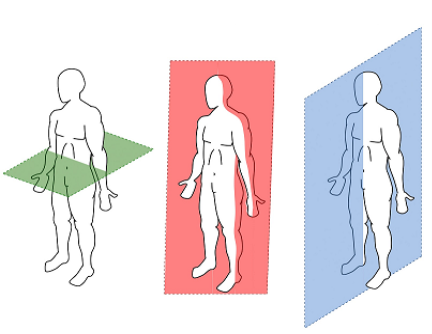
Divides the body into left and right portions.
Frontal
Transverse
Sagittal.
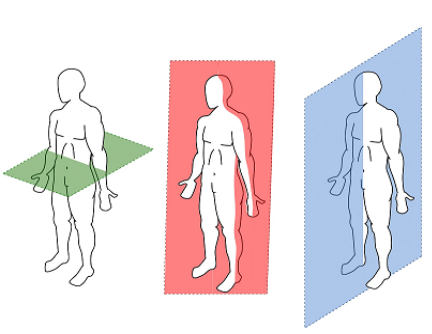
Divides the body into front and back portions.
Sagittal
Frontal
Transverse
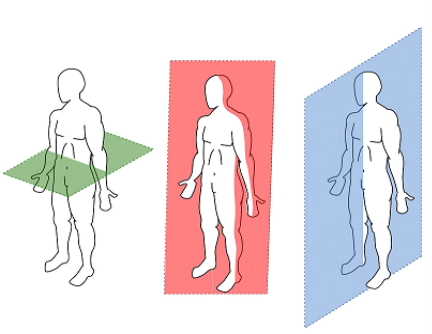
Divides the body into top and bottom portions.
Sagittal
Frontal
Transverse

Number 1
thoracic cavity
pleural cavity
cranial cavity
pelvic cavity

Letter C
pleural cavity
pericardial cavity
abdominal cavity
pelvic cavity

Number 3
pericardial cavity
pleural cavity
pelvic cavity
abdominal cavity

Letter d
thoracic cavity
pericardial cavity
pleural cavity
abdominal cavity

Number 4
abdominal cavity
pelvic cavity
spinal cavity
cranial cavity

What anatomical structure is labeled e?
lungs
heart
diaphragm
stomach

Which of the following is NOT found in #3?
small intestine
large intestine
liver
lungs

Which of the following organs is found in the pelvic cavity?
small intestine
liver
pancreas
bladder

The pancreas is located in the ______ cavity
abdominal
pleural
pelvic
thoracic
Which of the following cavities holds the heart AND lungs?
pleural
pericardial
thoracic
abdominal
The pleural cavity encloses the
heart only
lungs only
heart and lungs
bladder and reproductive organs

Identify 1
Ventral cavity
Dorsal cavity
Cranial cavity
Abdominopelvic cavity

Identify 2
Spinal cavity
Dorsal cavity
Orbital cavity
Cranial cavity

Identify 3
Spinal cavity
Abdominal cavity
Cranial cavity
Thoracic cavity

Identify 4
Buccal cavity
Nasal cavity
Orbital cavity
Cranial cavity

Identify 5
Nasal cavity
Buccal cavity
Orbital cavity
Cranial cavity

Identify 6
Cranial cavity
Nasal cavity
Orbital cavity
Buccal cavity

Identify 7
Ventral cavity
Abdominal cavity
Thoracic cavity
Pelvic cavity

Identify 8
Abdominopelvic cavity
Pelvic cavity
Abdominal cavity
Ventral cavity

Identify 9
Abdominal cavity
Pelvic cavity
Abdominopelvic cavity
Thoracic cavity

Identify 10
Pelvic cavity
Abdominal cavity
Ventral cavity
Abdominopelvic cavity

Identify 11
Dorsal cavity
Ventral cavity
Abdominopelvic cavity
Thoracic cavity
Homeostasis
allows for a wildly fluctuating internal environment
is impossible in vertebrates
is the maintenance of a relatively stable internal environment and often incorporates a form of feedback regulation

This graph shows an example of...
Blood sugar regulation
Homeostasis
Negative feedback
Positive feedback
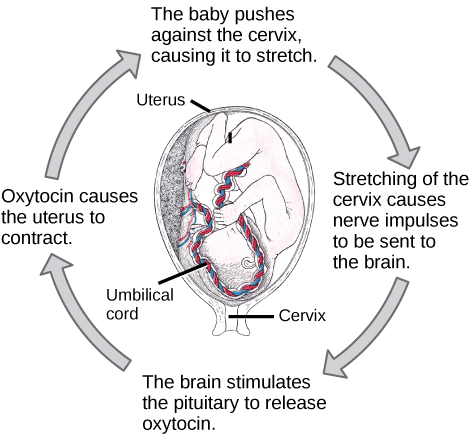
What is the point of a feedback loop?
To provide the body with more energy
To provide the body with more food
To make sure the conditions in the body are always changing
To make sure the conditions in the body remain stable
tarsal: carpal as popliteal: ___________
coxal
crural
antebrachial
cubital
The anterior knee is called the:
popliteal region
peroneal region
patellar region
antecubital region
The heart, lungs, and mediastinum are located in what body cavity?
cranial
spinal
abdominopelvic
thoracic

What are the 3 components "players" of the feedback loop/system
Hormones
Receptor
Effector
Controlled conditions
Control center
Which are the following are true about negative feedback:
It rarely occurs
It reverses the sensation of the stimuli/stress
It enhances the sensation of the stimuli/stress
It regulates blood pressure & body temperature
It occurs more frequently/often

Identify the stimulus..."A person shivers because it is cold outside"
Cold temperature
A person shivers

What type of feedback system does the model represent?
positive
negative
neutral
glyogen
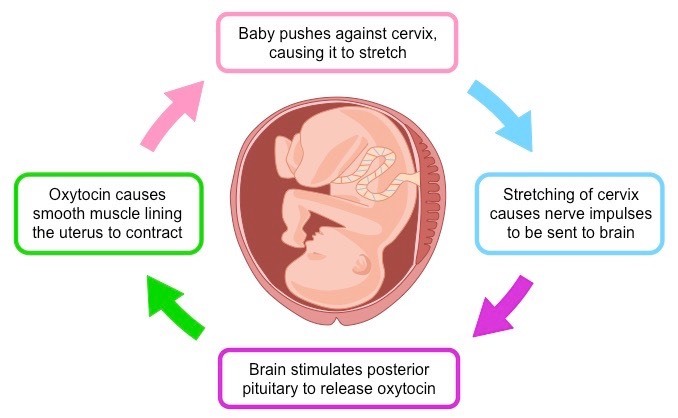
What type of feedback loop is shown?
negative
neutral
positive

The heater kicks on and the house warms up, so it kicks off. Then the house cools a bit and the heater kicks back on. This continues all day. It's a _____________ loop.
positive
negative
Loops that cause a response to build up and build up until something big happens are called ____________ loops
positive
negative
Occurs when the product of a reaction leads to a DECREASE in that reaction. Counteracts what is happening.
Positive
Negative

